Best Junction Box Kits for DIY Electrical Projects

Metal junction boxes for permanent installations in finished spaces; weatherproof plastic boxes for outdoor or garage wiring; always use the correct cubic-inch capacity for the number of conductors entering the box.
As an Amazon Associate, we earn from qualifying purchases.
Junction boxes are the enclosures that house and protect wire splice connections in permanent electrical installations. Every wire connection in a home electrical system must be enclosed in a code-compliant junction box. They protect the connection from physical damage, contain any arcing that occurs at a failed connection, and provide access for future inspection and modification.
Types of Junction Boxes
Metal Junction Boxes
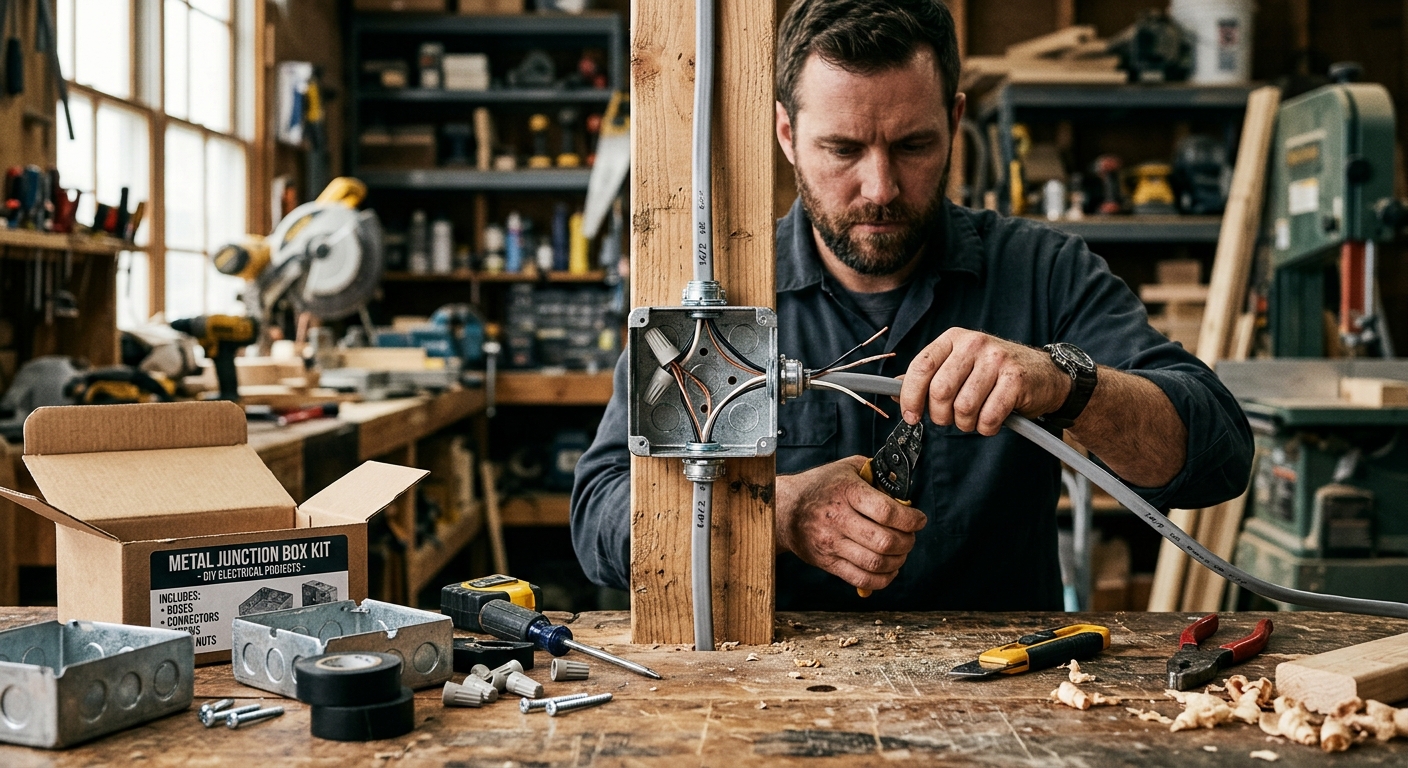
Steel or aluminum boxes for permanent installation in walls, ceilings, and attic spaces. Used in most commercial construction and required in some residential applications where mechanical protection of wiring is critical. Metal boxes ground through the grounding screw and the metal box body.
Plastic (PVC) Junction Boxes
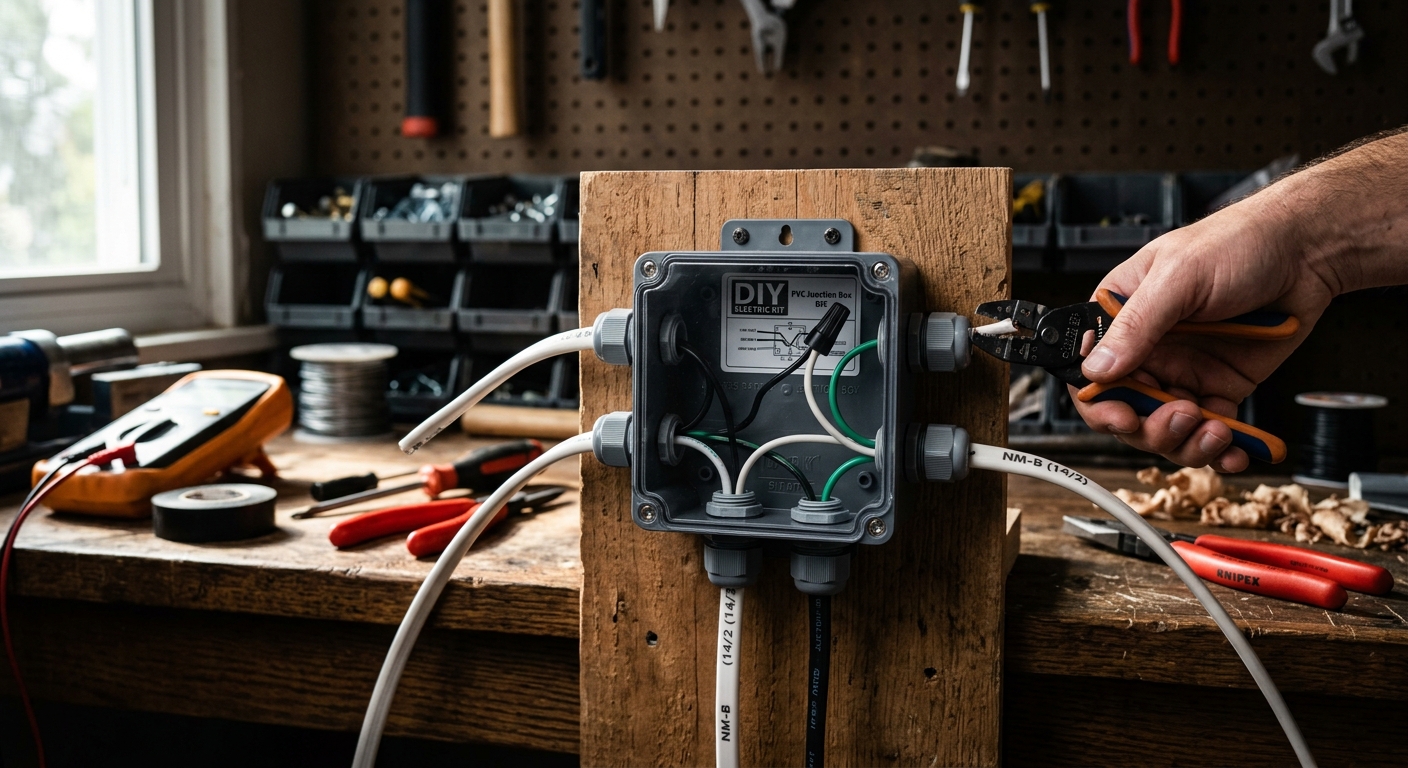
Non-conductive plastic boxes for residential wiring. The most common box type in new residential construction. Lightweight and easy to install. Grounding is through the green screw on the device (not the box body, since plastic does not conduct). Available in single-gang, double-gang, and round configurations.
Weatherproof Junction Boxes
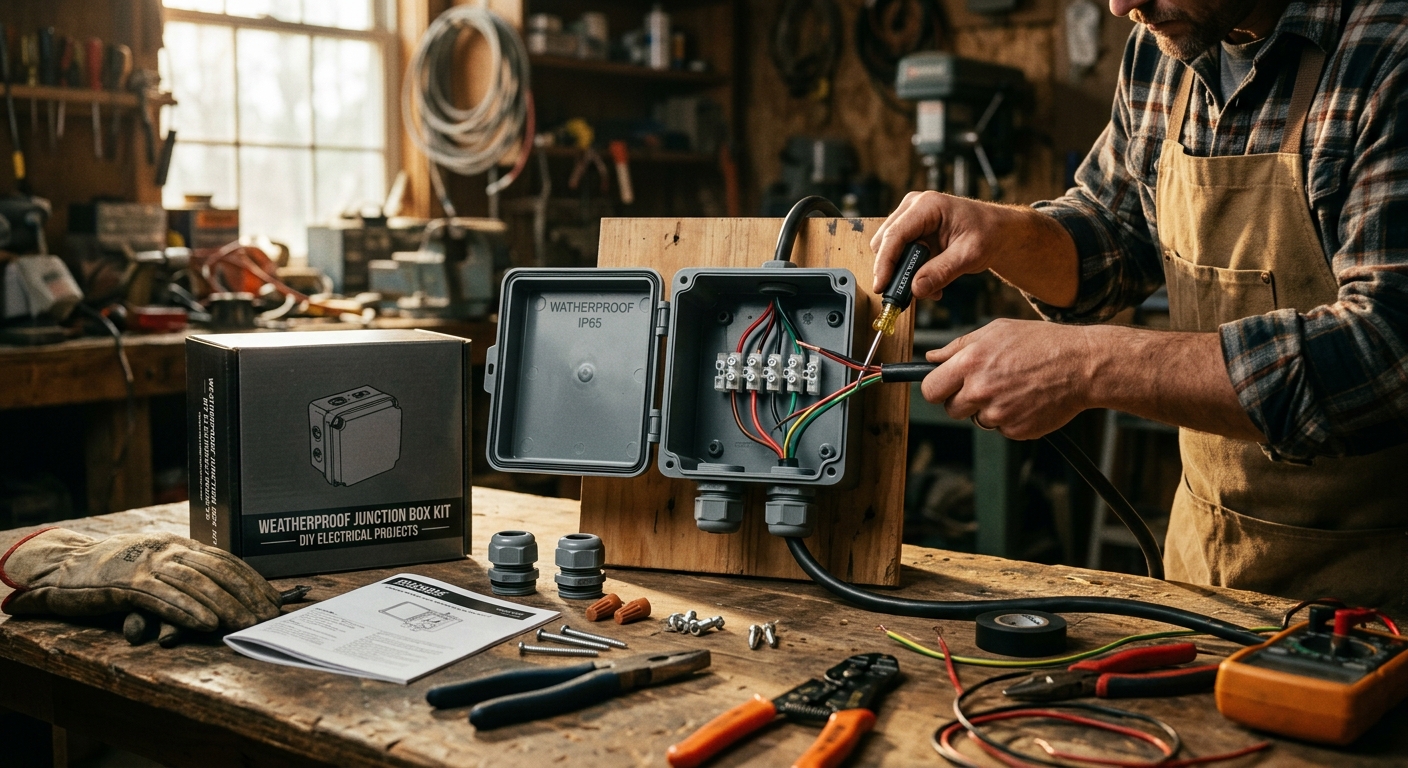
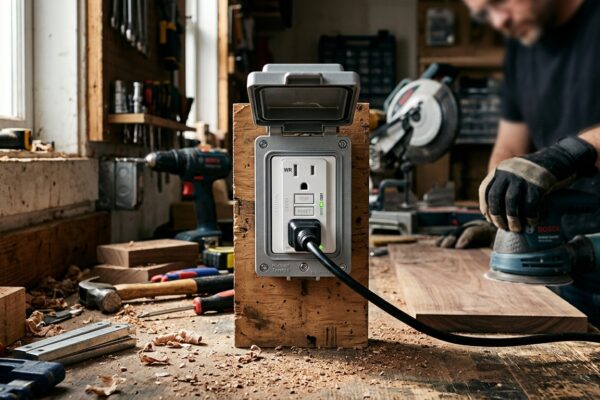
Outdoor-rated boxes with sealed covers and gasketed connections for protection against rain, humidity, and temperature extremes. Required for all outdoor electrical installations and for any installation in a wet or damp location. Available in standard configurations with in-use covers that allow cords to remain plugged in while the cover is closed.
Our Top Picks
1. Carlon B118R Weatherproof Outlet Box
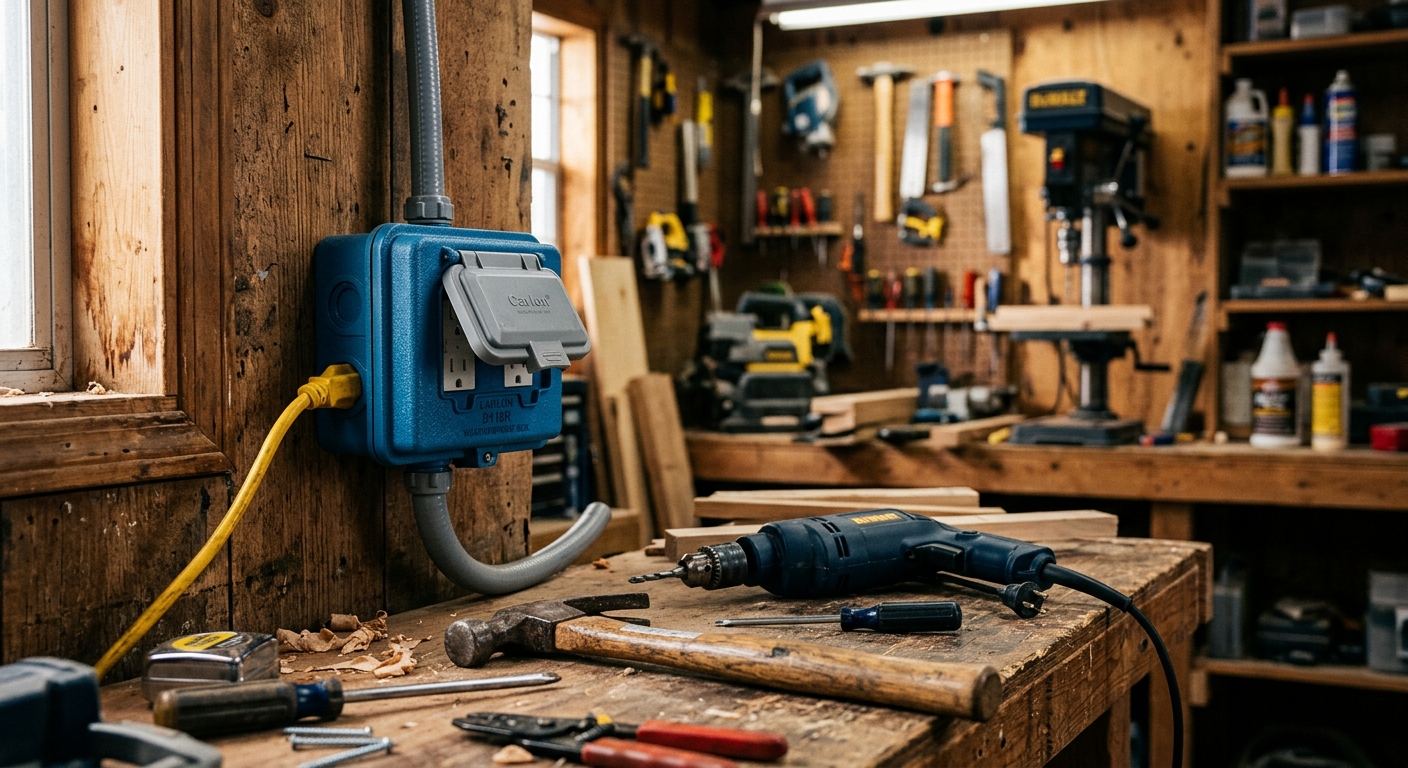
The standard outdoor PVC junction box for residential exterior wiring. Sold with a weatherproof in-use cover that keeps rain and debris out while a cord is plugged in. Required for all exterior outlets in most residential code jurisdictions. The most common outdoor junction box type in new residential construction.
2. Raco 232 Metal Gangable Box
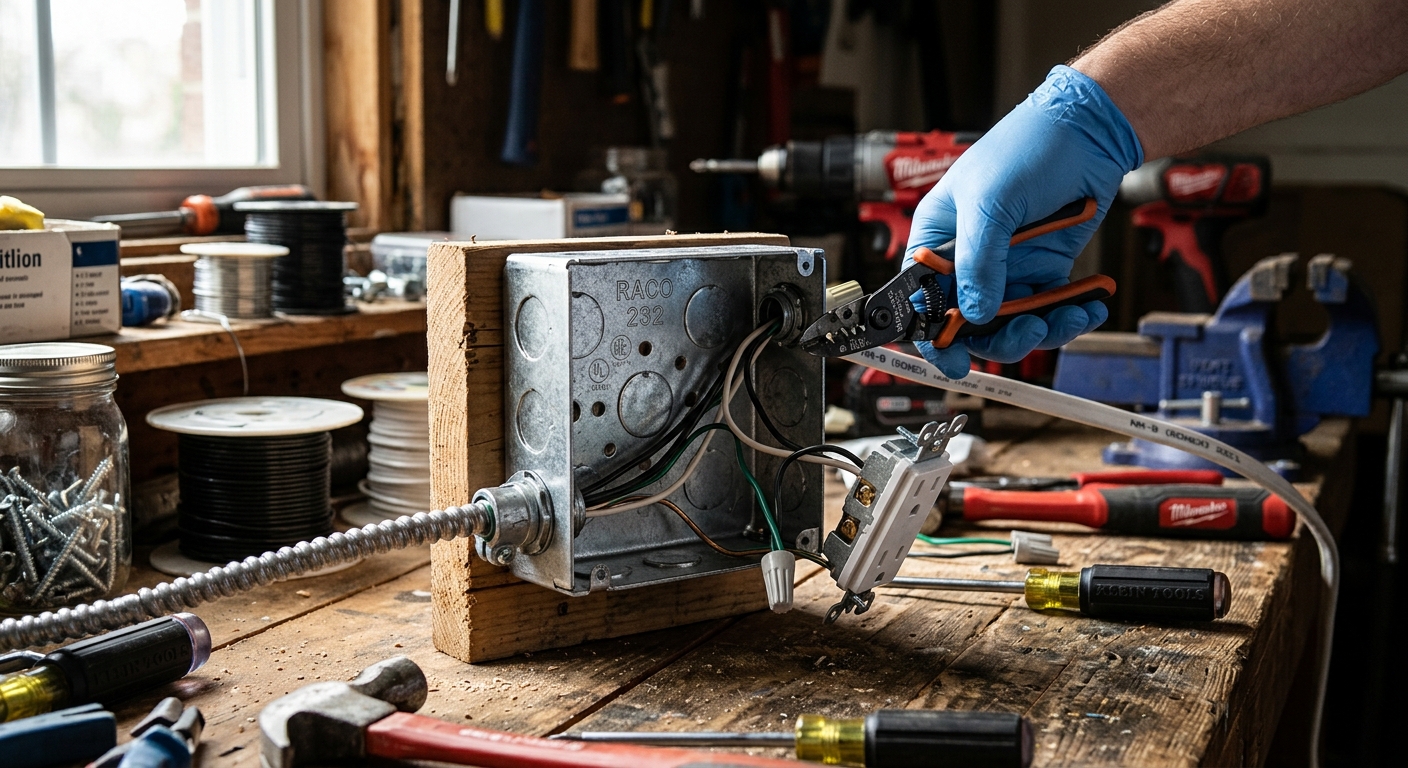
A versatile metal electrical box that can be ganged together to create wider configurations. Used for switch and outlet installations where multiple devices are needed in one location. The standard metal box for interior residential and light commercial wiring.
3. Arlington EB200 Electrical Box Kit
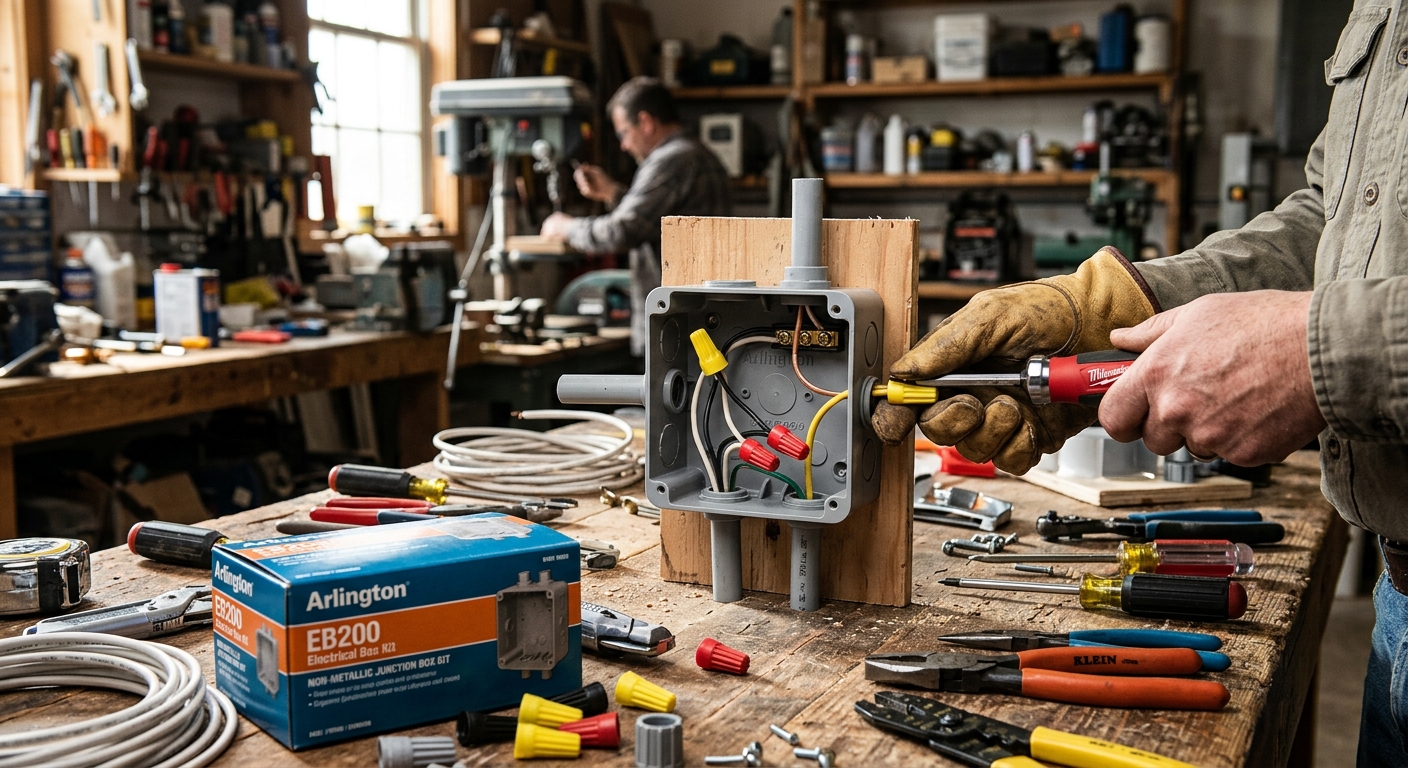
A complete kit with junction box, cover, conduit connectors, and wire connectors. A convenient option for a complete installation in one package rather than assembling components separately. Good for first-time DIY electrical projects where component selection is unfamiliar.
4. Hubbell-Raco 694 Round Pan Box
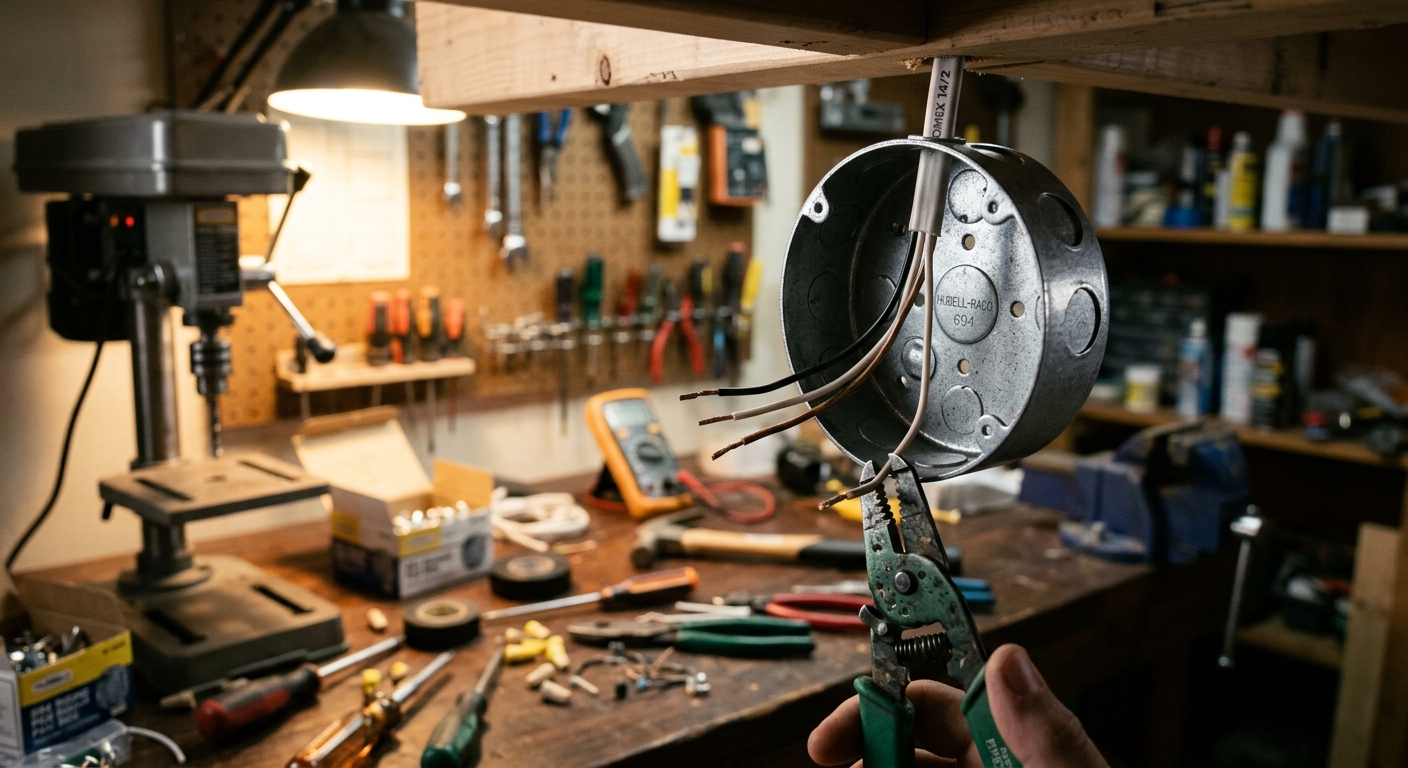
The standard round ceiling box for light fixture installation. The pancake design allows direct attachment to a ceiling joist or structural member. Use the fan-rated version when installing a ceiling fan – fan-rated boxes support the dynamic loads of a spinning fan blade assembly.
5. Carlon B118R Old-Work Box Kit
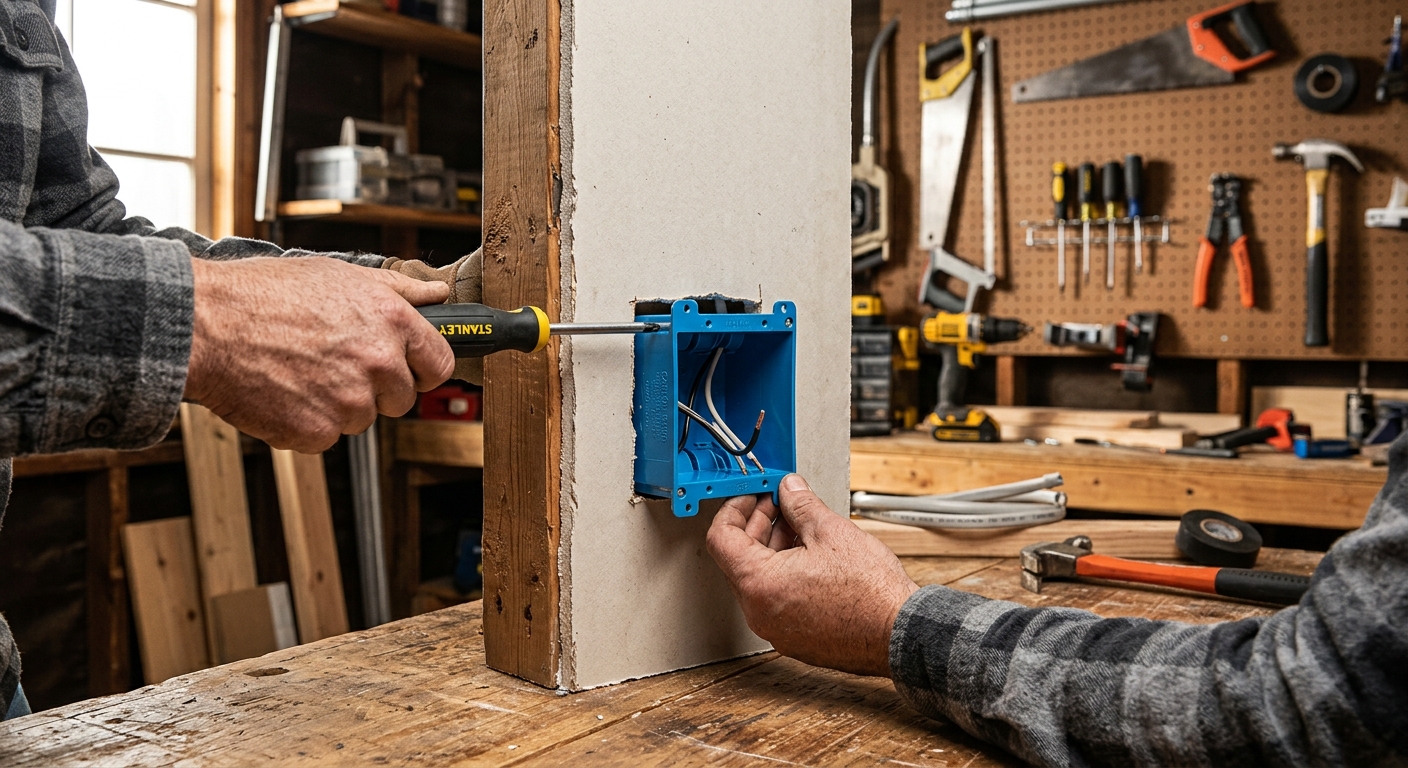
An old-work (retrofit) plastic box for installing outlets or switches in existing finished walls without opening the wall. The wings expand behind the drywall when the screw is tightened, securing the box. The standard solution for adding outlets to finished rooms without major drywall work.
Junction Box Sizing Rules
NEC Article 314 requires that junction boxes have sufficient cubic-inch capacity for the conductors they contain. The basic rule:
- Each 14-gauge conductor entering the box counts as 2 cubic inches
- Each 12-gauge conductor entering the box counts as 2.25 cubic inches
- Each device (outlet, switch) in the box counts as 2x the largest conductor size
- Ground wires together count as one conductor
- A standard single-gang plastic box (typically 18 cubic inches) accommodates most single-device installations with a standard cable count
FAQ
Do all wire splices need to be in a junction box?
Yes, according to NEC Article 300.15. Every wire splice must be enclosed in a listed junction box with a cover. Wire splices inside walls without a box are not code-compliant and are a fire hazard – failed connections that arc inside a wall cavity can ignite the surrounding framing before the arc is detected.
Affiliate Disclosure: DIY Arsenal participates in the Amazon Associates Program and other affiliate programs. When you purchase through links on this site, we may earn a small commission at no additional cost to you. We only recommend products we have personally tested and genuinely believe in.