Best Transformer and Voltage Regulators for Sensitive Equipment
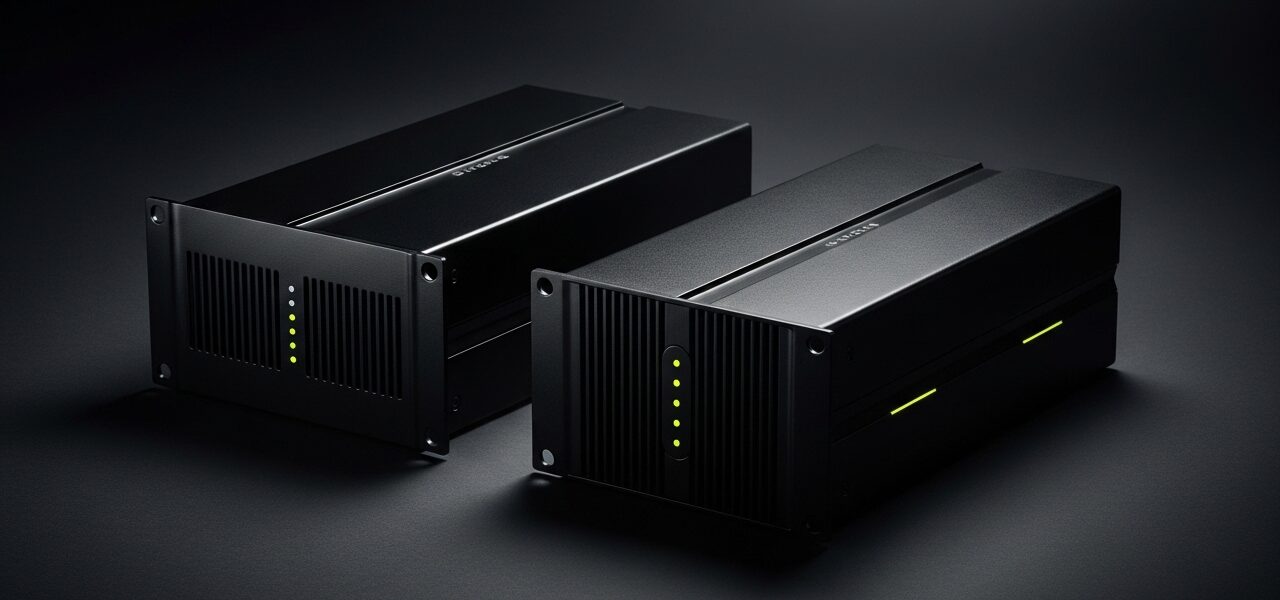
The Tripp Lite LR1000 is the practical choice for CNC and laser workshops — 1000W capacity, noise filtering, and automatic voltage regulation in one unit. Add a UPS if mid-operation power loss is a risk for your work.
As an Amazon Associate, we earn from qualifying purchases.
Clean, Stable Power for Equipment That Demands It
Most shop tools don’t care much about power quality – a router or circular saw runs fine on voltage that drifts between 108V and 125V. But sensitive electronics – CNC controllers, laser engravers, digital measurement instruments, audio equipment, and some computer-controlled shop tools – can be damaged or produce erratic results from voltage sags, surges, and dirty power. Voltage regulators and isolation transformers solve this by presenting the equipment with a clean, stable supply regardless of what the utility grid delivers.
Key Features to Look For
- Voltage regulation range: An automatic voltage regulator (AVR) accepts input voltage within a wide range (typically 90-140V) and outputs a stable 120V. The input range determines how much grid voltage variation the unit handles before failing to regulate – wider range is better in areas with known voltage instability.
- Output wattage capacity: Match the regulator capacity to the total load. A laser engraver drawing 300W needs at minimum a 500W regulator (with headroom). CNC machines with servo drives may have large startup current draw – verify peak (not just continuous) current requirements against regulator specifications.
- Isolation transformer function: Isolation transformers electrically isolate the output from the input, eliminating common-mode noise that causes interference in audio and precision measurement equipment. Pure voltage regulators don’t provide isolation – if electrical isolation is required, specify an isolation transformer or combined isolating AVR.
- Response time: How quickly the regulator responds to input voltage changes determines whether the output stays within regulation during fast voltage sags (motor start-up on the same circuit, utility switching). Ferroresonant (constant voltage transformer) designs respond essentially instantly; electronic AVR designs have response times of one or more line cycles.
- Battery backup integration: UPS (Uninterruptible Power Supply) units combine voltage regulation with battery backup. For CNC machines and computers where mid-operation power loss destroys work or requires re-homing procedures, UPS integration is worth the additional cost over a pure voltage regulator.
Top Picks
Tripp Lite LR1000 Line Conditioner 1000W
Tripp Lite’s line conditioner provides automatic voltage regulation plus EMI/RFI noise filtering in a single unit. The 1000W capacity handles most CNC spindles, laser engravers, and shop computer workstations. The automatic voltage regulation corrects brownouts (low voltage) and swells (overvoltage) without switching to battery – a key distinction from UPS units that switch to battery on every voltage deviation. Eight NEMA 5-15R outlets cover multiple pieces of equipment from a single conditioner. Reliable, well-supported, and commonly recommended in the CNC and laser hobby communities.
APC Line-R LS1500 Automatic Voltage Regulator
APC’s LS1500 provides 1500VA of regulated power with six protected outlets and LED voltage indication showing actual input voltage. The unit handles input voltages from 88-147V while maintaining stable 120V output – a wide regulation range that covers poor utility supply conditions. The APC brand provides confidence on build quality and the replacement program for units that fail provides practical peace of mind for equipment protection. Good choice for home workshops in areas with known power quality issues.
Furman M-8x Power Conditioner
Furman is the benchmark for audio and studio power conditioning – the standard for recording studios, live sound rigs, and home theater installations where power noise causes hum, interference, and measurement error. The M-8x provides balanced power and series mode surge protection in addition to noise filtering. Not a voltage regulator in the AVR sense – it doesn’t correct voltage sags – but the noise floor reduction it provides for sensitive audio and measurement equipment is genuine and significant.
Sola SDN 5-24-100T Constant Voltage Transformer
A ferroresonant constant voltage transformer – the oldest and most robust voltage regulation technology. The magnetic resonance design provides essentially instantaneous output stabilization with zero electronic components to fail. Sola CVTs have been running in industrial environments for decades without maintenance. They run warm, are heavy, and are not as tight in regulation as modern electronic AVRs, but their reliability over decades of operation is unmatched. The right choice for critical production equipment where electronic regulator failure is unacceptable.
Frequently Asked Questions
Does a surge protector provide the same protection as a voltage regulator?
No – surge protectors clamp extreme voltage spikes (millisecond-duration events from lightning or switching transients) but do nothing for sustained over-voltage or under-voltage conditions. A voltage regulator corrects sustained voltage deviations that surge protectors don’t address. For complete protection, use both: a voltage regulator for supply stability and a surge protector (or the AVR’s built-in surge protection) for transient events.
My CNC machine loses position during power fluctuations – will a voltage regulator fix this?
Possibly. If the position loss correlates with voltage dips visible on a monitoring device, an AVR may resolve it by maintaining stable voltage to the servo drives and controller. If position loss occurs during normal operating voltage, the problem is likely mechanical (slipping couplers, loose step pulleys) or controller-related (missed steps from incorrect current settings) rather than power quality. Diagnose the voltage correlation before investing in a regulator.
What size voltage regulator do I need for a laser engraver?
Check the laser power supply label for input wattage or amperage – a 40W CO2 laser typically draws 200-300W at the wall. A 500W voltage regulator provides adequate capacity with headroom. K40-style laser machines (the common 40W hobby lasers) are well-served by the Tripp Lite LR1000 in a shared outlet configuration with the controller and ventilation fan.
Affiliate Disclosure: DIY Arsenal participates in the Amazon Associates Program and other affiliate programs. When you purchase through links on this site, we may earn a small commission at no additional cost to you. We only recommend products we have personally tested and genuinely believe in.