Brushless vs Brushed Motors – Is the Upgrade Worth the Cost?
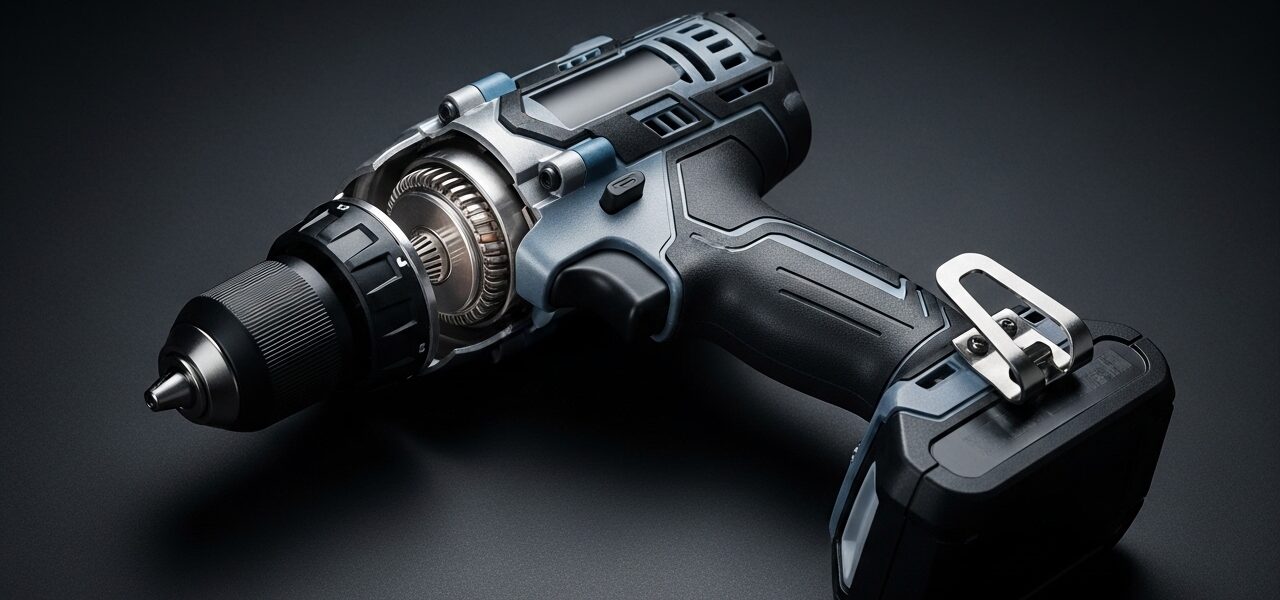
Brushless is worth the premium for regular users; brushed is adequate for rare light use.
When you’re comparing cordless drills at the store, the word “brushless” appears on the label of every $100+ tool – and the drill next to it, with the brushed motor, costs $30–$50 less. Is the upgrade worth it? For most buyers who’ll use the tool regularly: yes, clearly. For the occasional user: maybe not. Understanding exactly what the difference is helps you make the right call for your situation rather than just accepting marketing claims about “superior performance.”
This guide breaks down brushless vs brushed motors in plain terms, explains where the real differences show up in daily use, and helps you decide whether the premium is worth paying for your specific use case.
How Brushed Motors Work
A brushed DC motor has two physical carbon brushes that press against a rotating commutator ring to deliver electrical current to the spinning armature (rotor). The brushes maintain contact with the commutator as it rotates, creating the electrical circuit that drives the motor. This is a mechanically simple, reliable system – the same technology that has powered drills since the 1960s.
The problem with brushes is friction. Physical contact between the brushes and commutator creates heat, wastes energy, creates audible sparking at high RPM, and eventually wears the brushes down – typically within 50–200 hours of actual run time depending on use intensity. When brushes wear out, the motor fails. Some drills allow brush replacement; most consumer tools require motor replacement or tool replacement at that point.
How Brushless Motors Work
A brushless motor eliminates the physical commutator and brushes entirely. Instead, permanent magnets in the spinning rotor create the magnetic field, and an electronic controller (built into the drill or battery) switches current through the stator coils in precise sequence to drive the rotation. There is no physical contact between stationary and rotating parts in the motor itself – only the bearings contact the shaft.
The electronic controller in a brushless motor does more than just commutate the current. It continuously monitors the motor’s actual RPM, adjusts power delivery to maintain a set speed under load, protects against overload and overheating, and in advanced implementations (like Milwaukee’s REDLINK PLUS or DeWalt’s TOOL CONNECT) adapts performance parameters to match the task. This is fundamentally different from a brushed motor, which simply delivers current and spins at whatever speed results.
Real-World Differences
Battery runtime: The most consistently measurable difference in real use. Brushless motors waste less energy as heat, which means more energy goes into actual work. Typical improvement: 25–50% more work per battery charge versus equivalent brushed tools. On a job site with a limited number of batteries, this difference is significant.
Motor longevity: Brushless motors have no wear parts in the motor itself (only bearings). Expected lifespan is dramatically longer – professional brushless drills regularly see 5–10+ years of daily use. Brushed motors in similar use typically require brush replacement or motor replacement within 2–5 years.
Performance under load: Brushless motor controllers maintain speed more consistently when the drill encounters hard material. Brushed motors slow more noticeably under the same load. This shows up when drilling large-diameter holes in dense hardwood – brushless maintains speed, brushed bogs.
Heat during sustained use: Brushless motors run cooler under equivalent loads because there’s no friction from brush contact. Over a long session, this means the tool stays more comfortable to hold and is less likely to trigger thermal cutoff protection.
Noise and sparking: Brushed motors produce a characteristic sparking noise at the brush contact, particularly visible in dark environments. Brushless motors run significantly quieter – mainly bearing noise and air movement. Not a critical factor but noticeable over long sessions.
Where Brushed Motors Are Still Fine
For light-duty occasional use – hanging pictures, assembling furniture twice a year, occasional screw driving – a brushed motor drill performs identically to a brushless model. The differences in battery life and longevity become visible only over many hours of accumulated use. If you use a drill for fewer than 10 hours per year, the brushless premium doesn’t pay back meaningfully.
Brushed tools also have an advantage in cost for single-purchase tools. A brushed jigsaw at $59 versus a brushless equivalent at $99 is a meaningful difference if you make fewer than 50 cuts per year and replace the tool every 5–7 years – the brushless longevity advantage doesn’t save you money in that scenario.
Where Brushless Is Clearly Worth the Cost
Regular project builders, tradespeople, and serious DIYers who use tools weekly: the brushless premium pays for itself in fewer battery charges, longer tool life, and more consistent performance. Anyone who owns multiple tools on a platform: brushless motors extend the effective runtime of each battery, multiplying the benefit across every tool you own. Anyone drilling into hard materials frequently: brushless speed maintenance under load produces better results in dense hardwood and metal.
FAQ
Do I need to maintain brushless tools differently?
No – brushless tools require less maintenance, not different maintenance. There are no brushes to inspect or replace. Clean the tool exterior, keep vent ports clear of sawdust, and store with partially charged batteries (avoid storage at zero charge). Bearing lubrication is a factory-for-life item on most consumer tools.
Are brushless tools more repairable?
For DIY self-repair: brushed motors can be serviced (brush replacement) at home. Brushless motor electronics require more specialized repair. However, brushless tools fail less frequently, so the real-world repairability advantage of brushed tools is minimal – you’re comparing a theoretically repairable tool that breaks more often to a tool that breaks less often but requires professional repair when it does.
Is the brushless upgrade worth it on cheap tools?
Usually not. Cheap brushless tools use inexpensive brushless electronics and budget bearings that don’t realize the full reliability benefit of good brushless technology. A quality brushed tool (from a reputable brand) will often outperform and outlast a cheap brushless tool – the motor type matters less than the overall build quality. Buy the best tool you can afford from a reputable brand, brushless or brushed.
Bottom Line
For any tool you’ll use more than occasionally – at least once a month – spend the $30–$50 extra for brushless. The battery life extension alone pays the difference back within one or two years of regular use. For tools you use rarely, brushed performance is identical for the tasks at hand. The simplest rule: if you’re buying a drill or impact driver as your primary tool, go brushless. If you’re buying a third or fourth specialty tool for infrequent tasks, brushed is fine.
Affiliate Disclosure: DIY Arsenal participates in the Amazon Associates Program and other affiliate programs. When you purchase through links on this site, we may earn a small commission at no additional cost to you. We only recommend products we have personally tested and genuinely believe in.