Best Hammers for Framing, Finish Carpentry, and General DIY
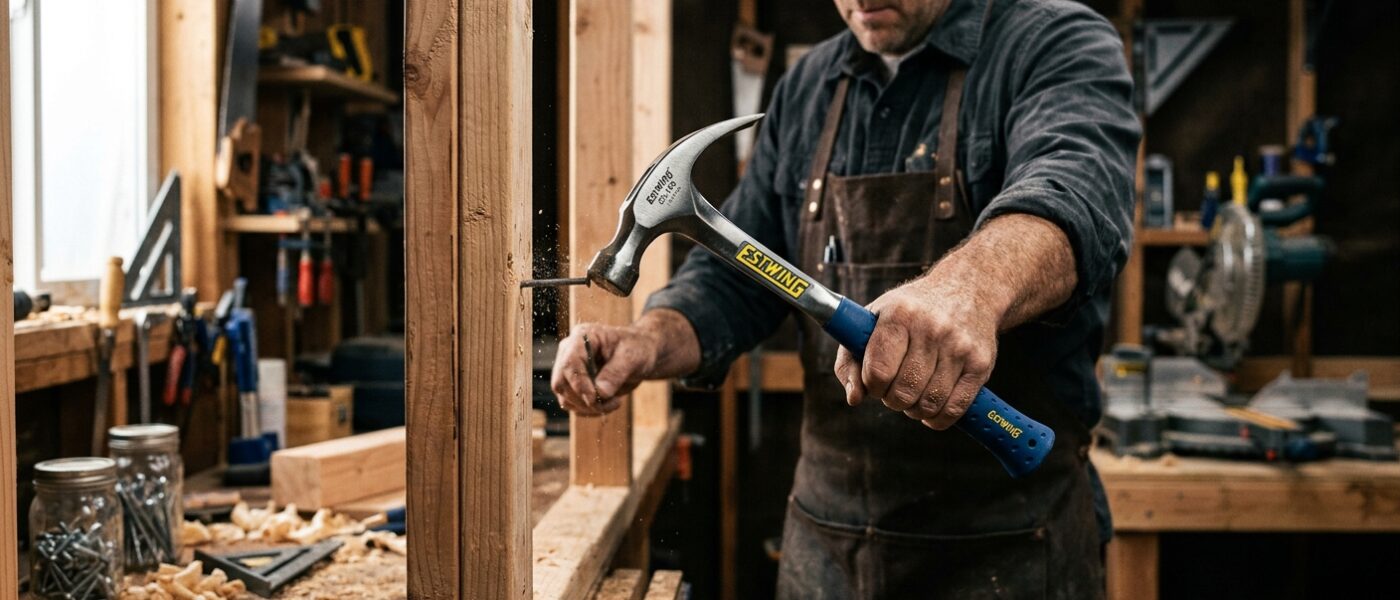
Estwing one-piece forged steel is the lifetime hammer for finish and general carpentry
Hammers are among the oldest tools humans have used, yet the differences between good and bad hammers still affect every nail you drive. Weight, balance, face geometry, and handle material all determine whether you can drive a 16d framing nail in three swings or six. This guide covers the best hammers for framing, finish carpentry, and general DIY use.
How We Evaluate Hammers
We tested hammers for balance and swing efficiency, face milling and grip on nail heads, vibration transmission to the hand, handle durability, and overall construction quality. A hammer that vibrates badly fatigues your hand in minutes. One that’s poorly balanced requires extra swings to drive each nail. Both problems add up across a long day of framing.
Top Picks
Estwing E3-16S 16-Oz Curved Claw – Best Overall
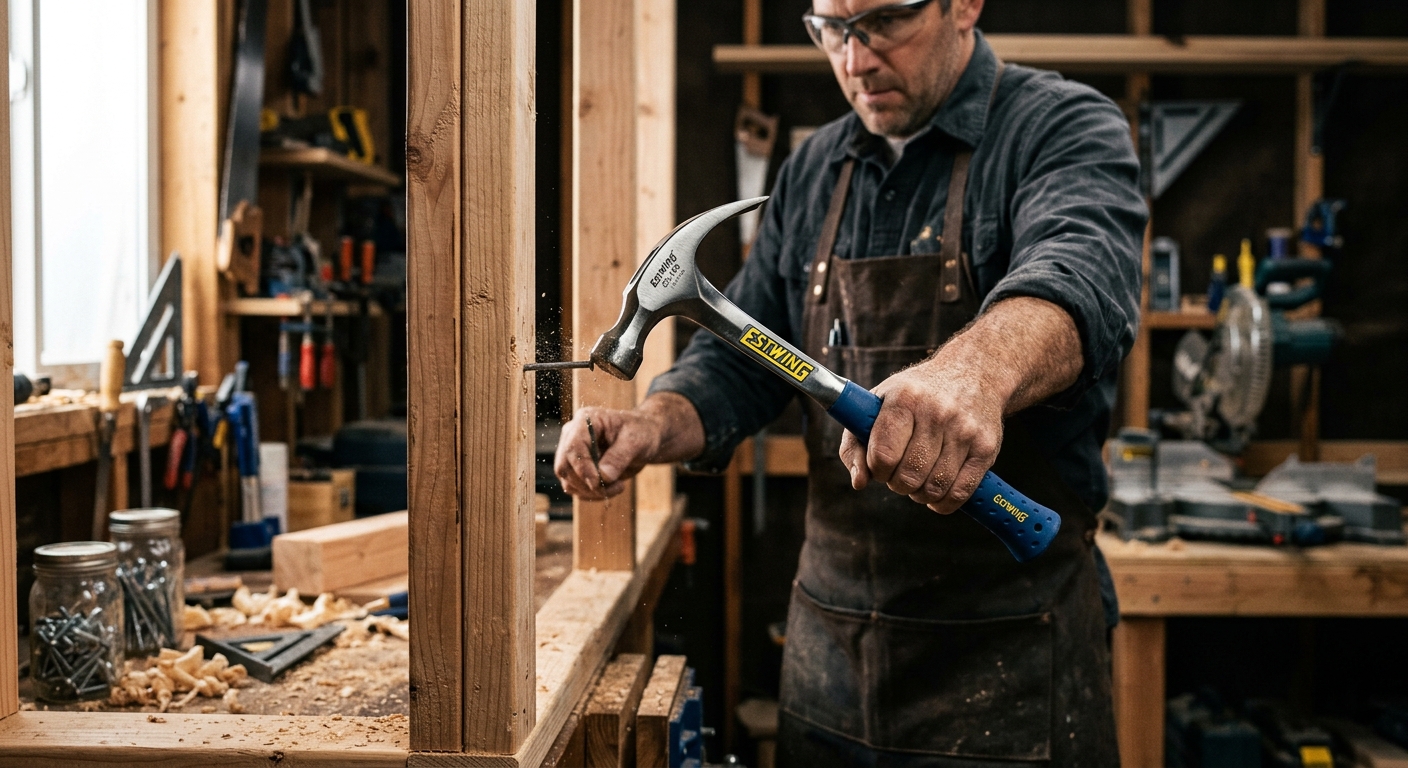
The Estwing one-piece forged steel hammer has been the American standard since 1923. The steel handle transmits more vibration than wood or fiberglass, but the leather grip wrap absorbs enough to be comfortable for all-day use. The 16-oz weight is ideal for finish work and general carpentry. The curved claw extracts nails cleanly. One-piece forged construction eliminates the head-loosening-from-handle failure mode entirely.
- Pros: One-piece steel, nearly indestructible, classic balance, curved claw for nail pulling, lifetime warranty
- Cons: More vibration than fiberglass, 16 oz too light for heavy framing
Stiletto TiBone 15-Oz Titanium – Best Premium Framing Hammer
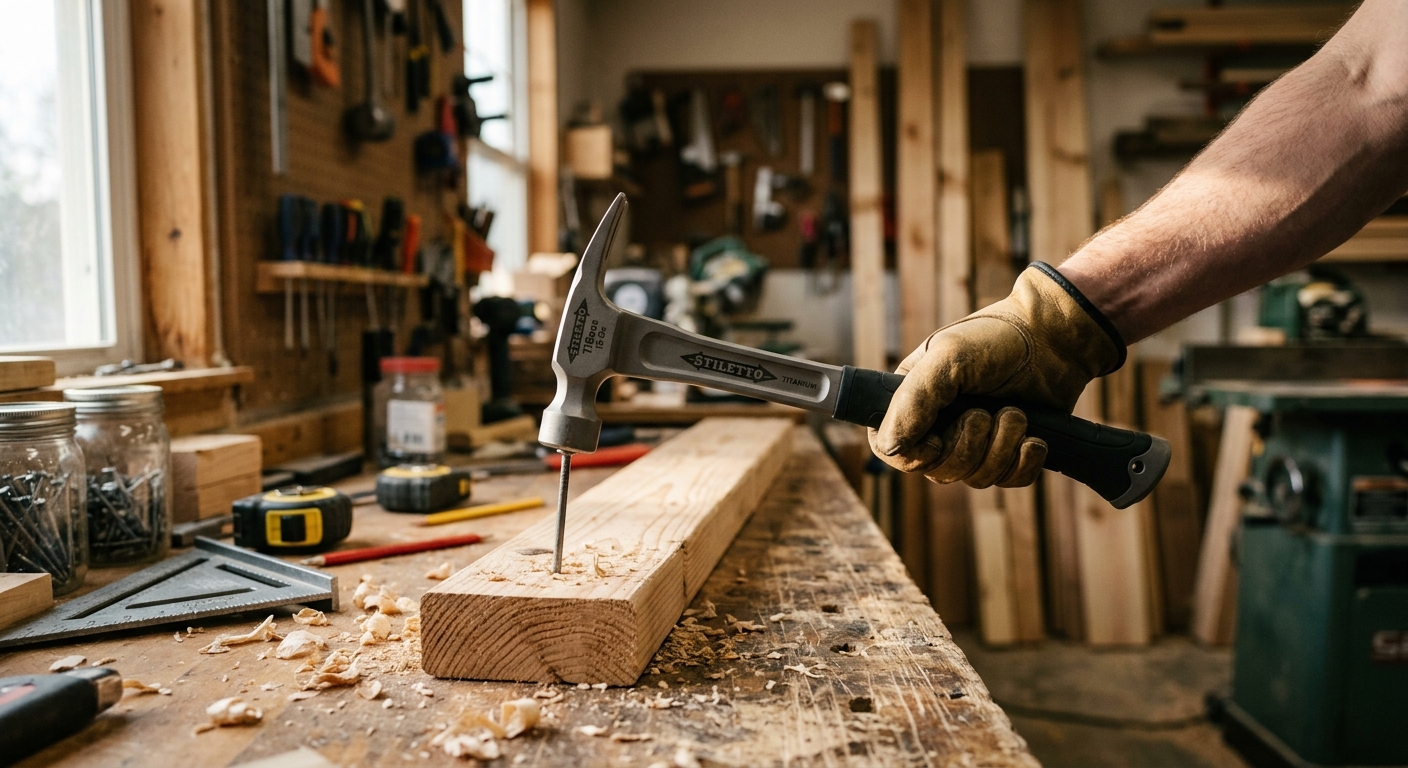
Stiletto’s titanium hammers are the choice of professional framers who drive thousands of nails daily. Titanium weighs 45% less than steel for the same strength, which means less fatigue per swing. The 15-oz titanium head hits with the force of a 28-oz steel head through physics – less rebound loss means more energy into the nail. The replaceable face and milled face options make this a job-site hammer worth the premium.
- Pros: 45% lighter than steel, dramatically less fatigue, titanium durability, replaceable face, hickory handle option
- Cons’=>’Very expensive ($170+), handle occasionally separates (use thread locker), overkill for occasional DIY
Dewalt DWHT51054 20-Oz Framing Hammer – Best Budget Framer
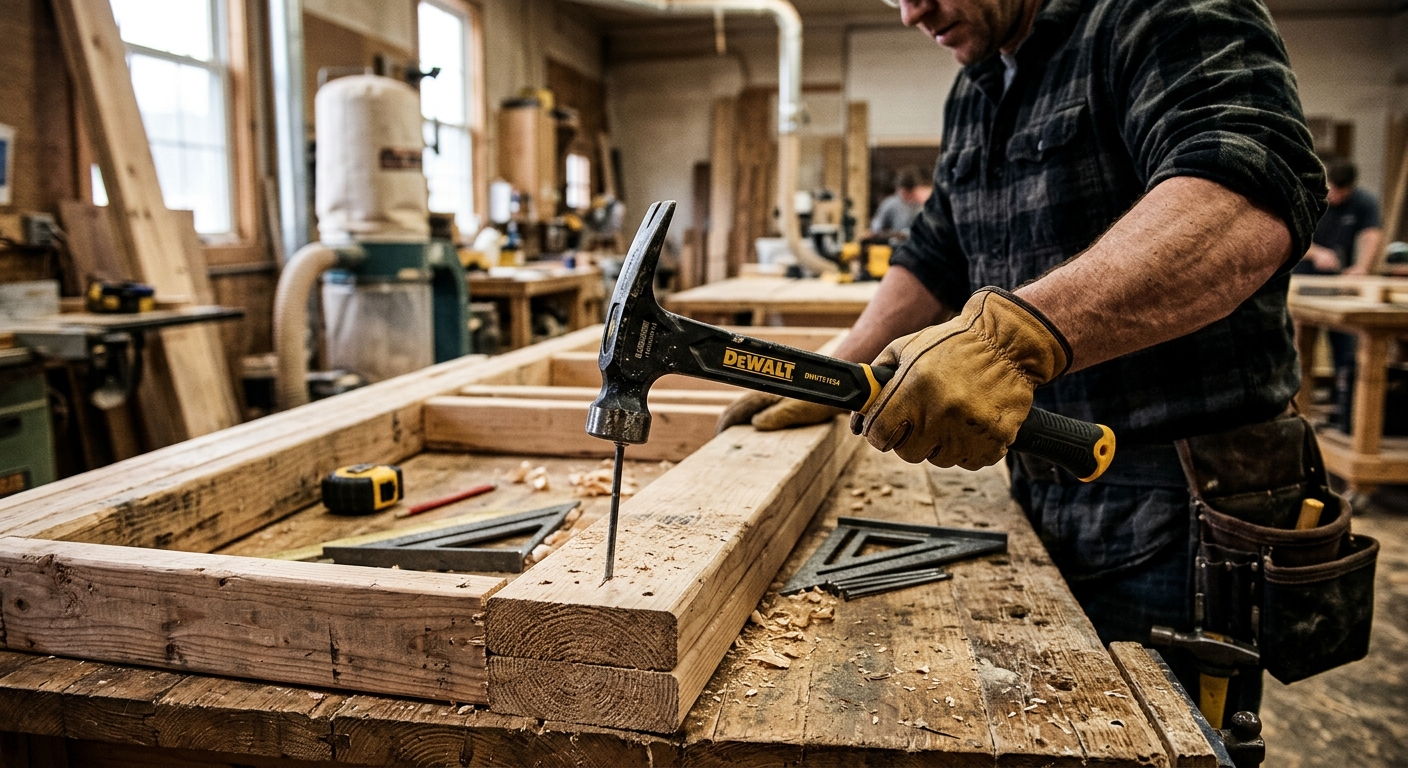
DeWalt’s 20-oz framing hammer balances weight for driving 16d nails efficiently with a fiberglass handle that absorbs vibration better than steel. The straight claw is optimized for prying and separating framing lumber. The milled face grabs nail heads to prevent glancing blows. An honest framing hammer at an honest price – buy this when you’re framing a wall and need to drive 200 nails without spending $170 on titanium.
- Pros: 20 oz ideal for framing, fiberglass reduces vibration, milled face, straight claw for prying, affordable
- Cons: Heavier than finish hammers, not comfortable for precise trim work
Vaughan 16-Oz Curved Claw Wood Handle – Best Traditional
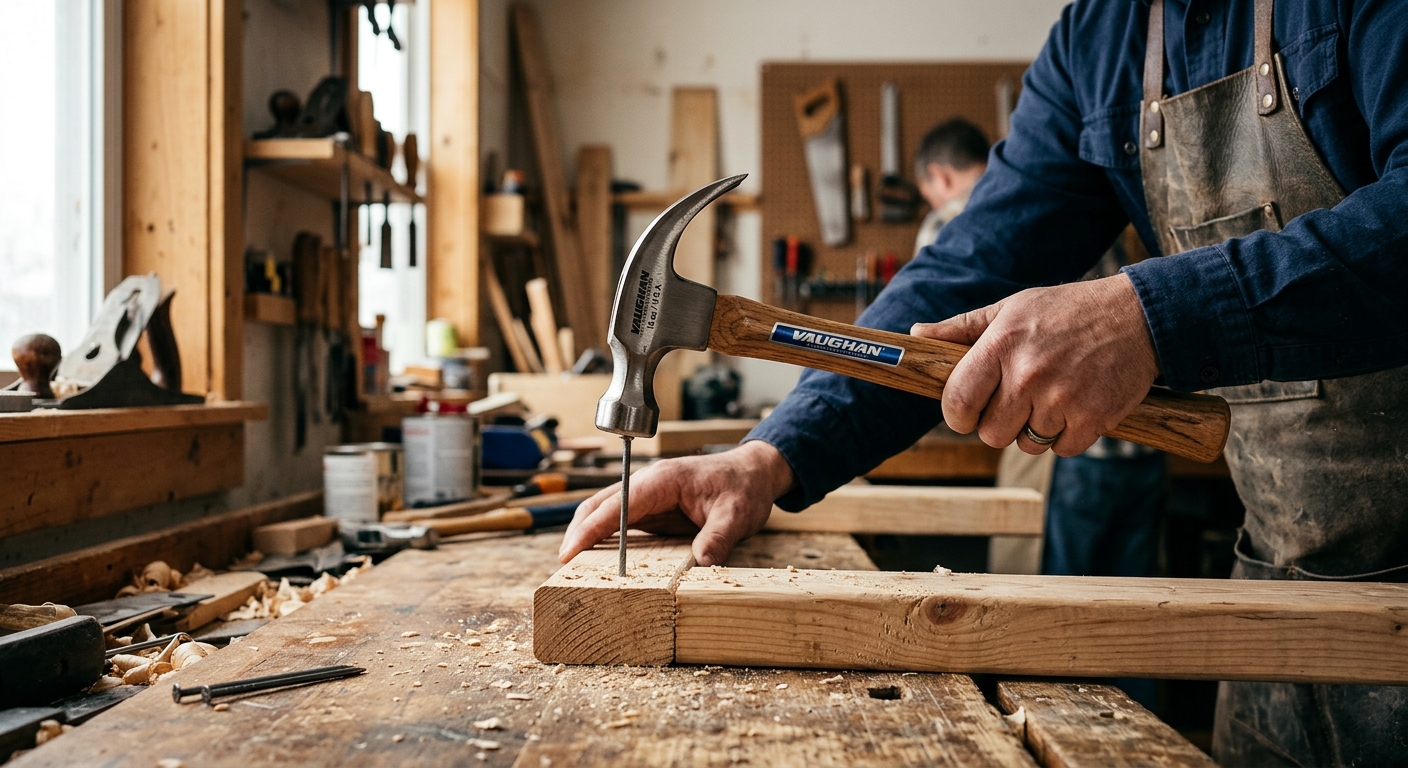
Vaughan’s wood-handled hammers offer the traditional feel that many finish carpenters prefer – wood absorbs vibration better than steel or fiberglass, and the hickory handle can be replaced if it cracks. The 16-oz head is the right weight for trimming, cabinetry, and furniture assembly. The polished face reduces marring on finished surfaces. A classic that’s still made in the USA.
- Pros: Wood handle absorbs vibration, replaceable handle, polished face for finish work, traditional balance, American-made
- Cons: Handle can loosen over time, wood splits if struck off-center repeatedly, heavier for its size than titanium
Stanley 16-Oz Anti-Vibe – Best Mid-Range
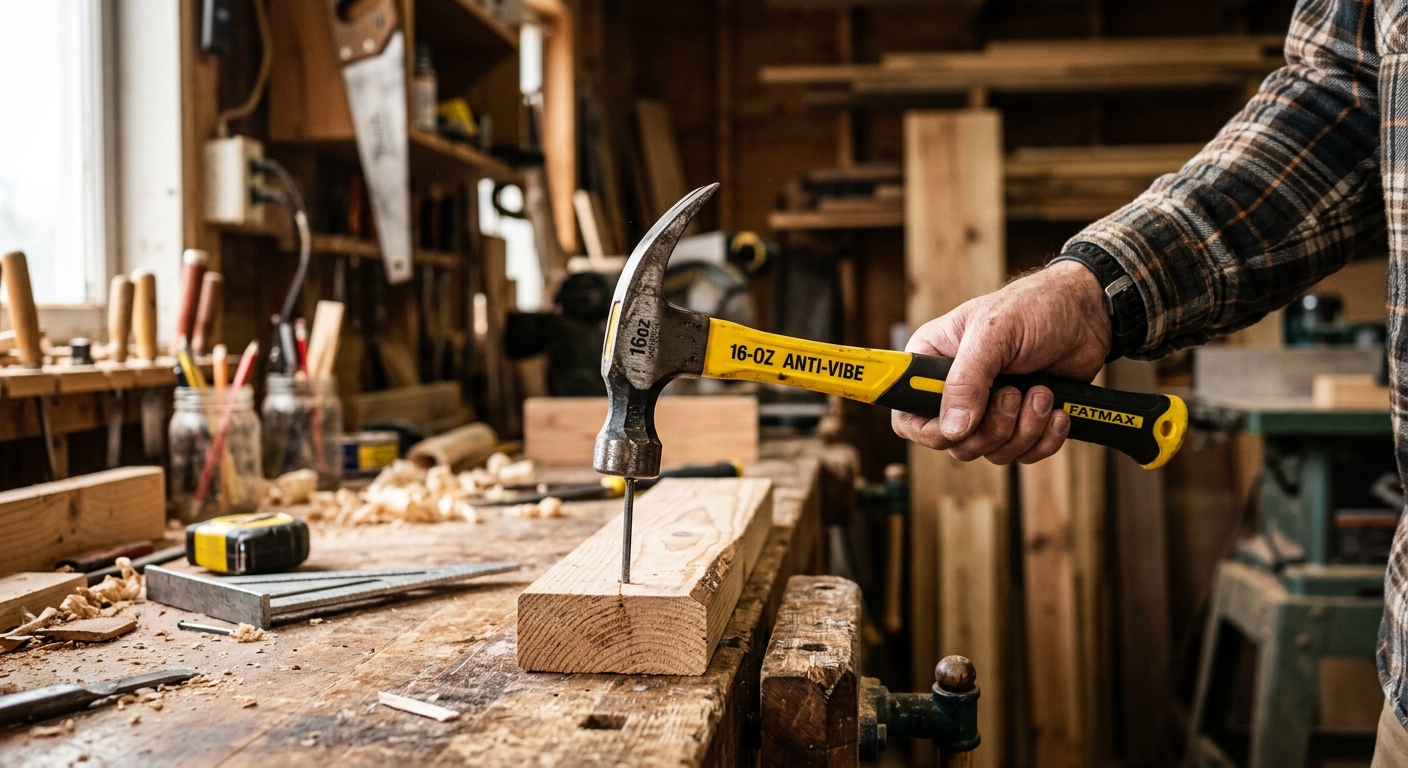
Stanley’s Anti-Vibe hammer uses a fiberglass handle with a gel grip that genuinely reduces hand fatigue compared to standard hammers. The 16-oz head is right for general use, the magnetic nail holder in the face helps you start nails one-handed, and the curved claw handles nail pulling. A solid mid-range choice for homeowners who use a hammer often but not all day.
- Pros: Gel grip reduces vibration noticeably, magnetic nail starter, good weight for general use, durable fiberglass
- Cons: Gel grip can degrade over years, not as precise as Estwing for finish work
Frequently Asked Questions
What weight hammer should I buy? 16 oz for finish carpentry, trim, and general use. 20-22 oz for framing. 28 oz only if you’re driving large spikes all day.
Curved vs straight claw? Curved claws pull nails more easily. Straight claws provide better prying leverage for demolition and framing. Most finish carpenters use curved; framers prefer straight.
Steel vs fiberglass vs wood handle? Steel is most durable. Fiberglass absorbs vibration and is nearly as durable. Wood absorbs vibration best but can crack and needs occasional replacement.
Is titanium worth it? For professionals who drive thousands of nails daily, absolutely – fatigue reduction is dramatic and real. For DIY use, no – the price difference doesn’t justify the benefit at low usage rates.
Bottom Line
The Estwing E3-16S earns Best Overall for its near-indestructible one-piece construction, lifetime warranty, and balance that generations of carpenters have trusted. The Stiletto titanium is the professional choice if your livelihood involves driving nails daily. The DeWalt 20-oz is the honest choice for a framing project. Every tool kit starts with a hammer – make it a good one.
Affiliate Disclosure: DIY Arsenal participates in the Amazon Associates Program and other affiliate programs. When you purchase through links on this site, we may earn a small commission at no additional cost to you. We only recommend products we have personally tested and genuinely believe in.