Best Hand Saw for Wood – Crosscut, Rip, and Japanese Pull Saws
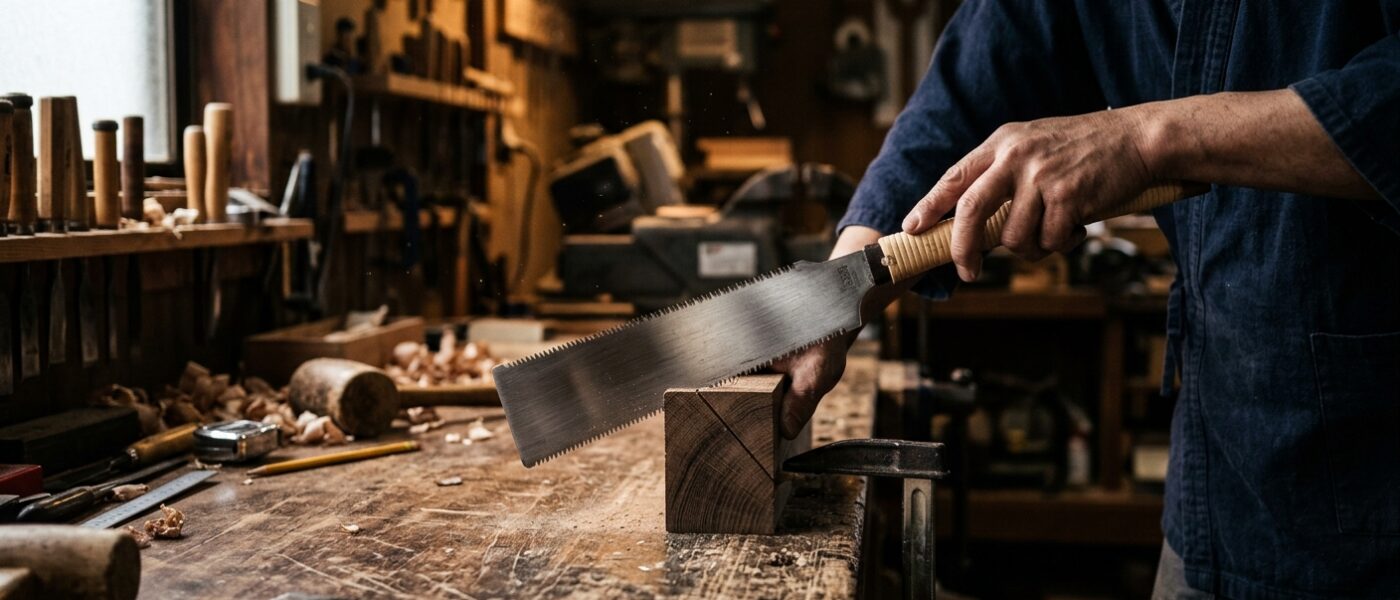
The Stanley FatMax covers most carpentry needs at a fair price; add a Suizan pull saw and you have a two-saw kit that handles everything from framing to finish joinery.
As an Amazon Associate, we earn from qualifying purchases.
Hand saws were the original power tools, and they remain indispensable in the modern shop. A quality hand saw never needs charging, never binds from a kickback, and produces a cut that teaches you exactly what a blade moving through wood feels like. Whether you are trimming a board on site without an extension cord or cutting delicate dovetails at the bench, the right hand saw makes the work cleaner and safer.
Types of Hand Saws
Crosscut Saws
Designed to cut across the grain of the wood. Teeth are angled and sharpened on alternating sides to slice fibers cleanly. TPI (teeth per inch) typically ranges from 7 to 12; higher TPI means a finer, slower cut.
Rip Saws
Built to cut with the grain. Teeth are filed straight across, acting like tiny chisels to remove wood fibers along the grain direction. Rip saws cut fast when working with the grain but tear badly across it.
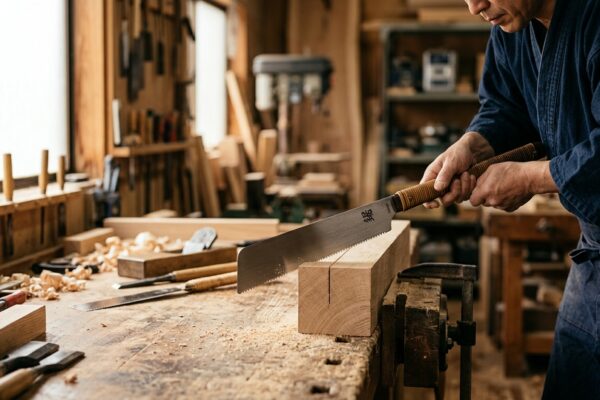
Japanese Pull Saws (Nokogiri)
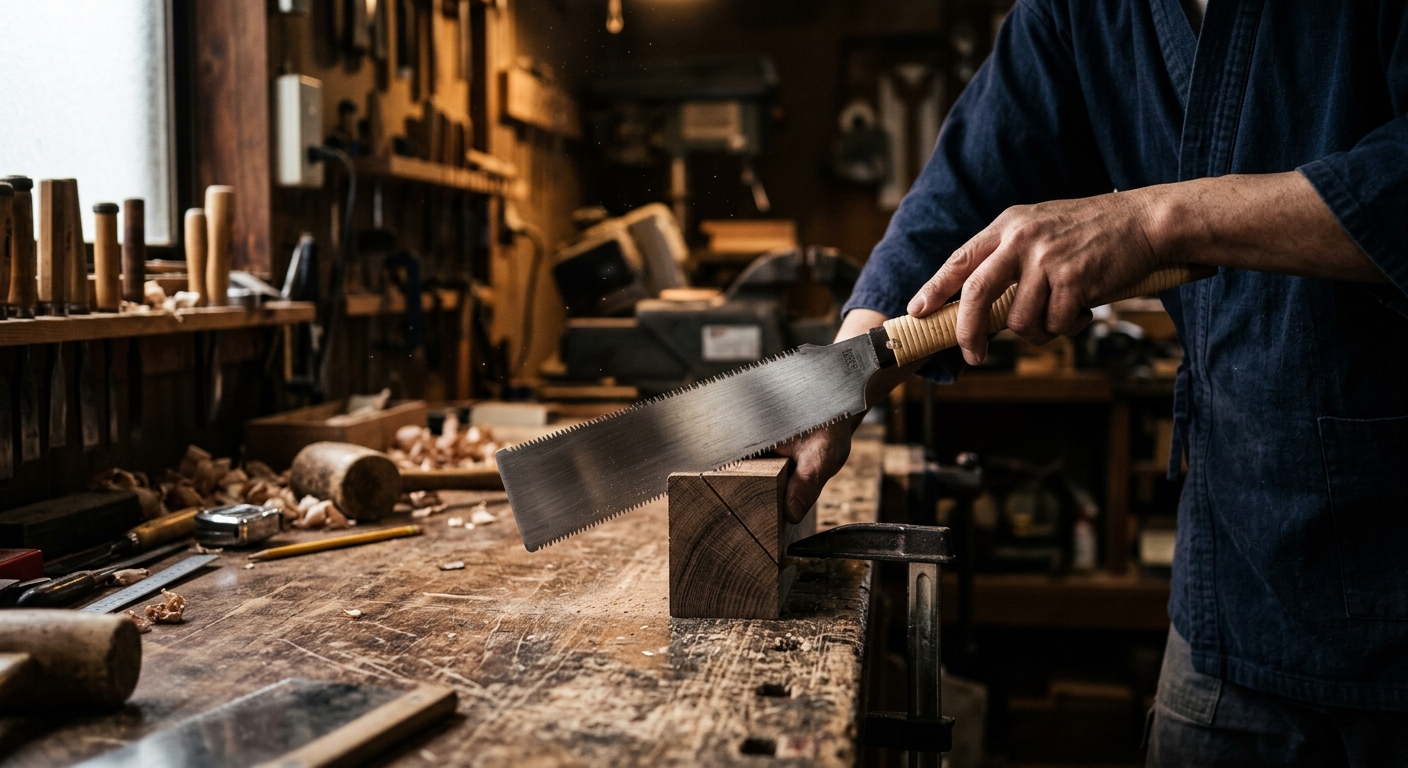
Cut on the pull stroke rather than the push stroke. Because the blade is in tension rather than compression during the cut, it can be made much thinner, resulting in a narrower kerf and a remarkably fine, clean cut. Excellent for flush-cutting dowels, trimming tenons, and fine joinery work.
Back Saws
Have a stiffening spine of brass or steel along the top edge. The rigid back limits depth of cut but greatly improves accuracy. Used with a miter box or shooting board for precision crosscuts and joinery.
Key Features to Look For
TPI and Tooth Geometry
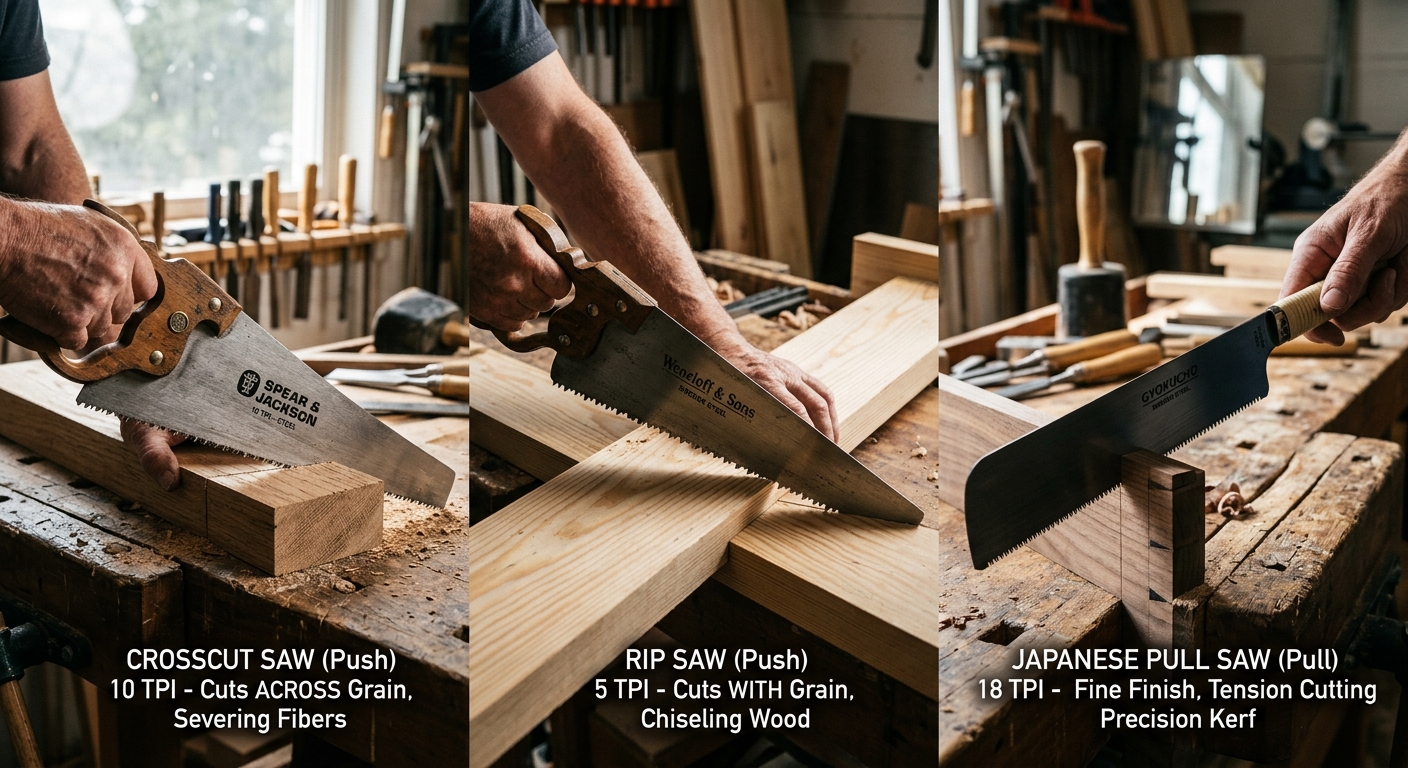
For general carpentry, 8 to 10 TPI is the sweet spot – fast enough to not exhaust you, fine enough to not leave a ragged edge. For finish work and joinery, go 12 to 15 TPI or use a Japanese saw.
Blade Steel
Better saws use hardened steel or triple-tempered steel that holds an edge longer. Cheap saws dull quickly and cannot be resharpened (the teeth are impulse-hardened in a process that makes them brittle). Traditional saws can be resharpened with a triangular file if the steel is softer.
Handle Ergonomics
You will pull and push this tool hundreds of times per project. A handle that fits your hand reduces fatigue. Closed-grip pistol handles give more control; open-tooth handles are lighter.
Blade Length
A 20 to 26-inch blade handles most crosscut and rip work. Shorter blades (14 to 18 inches) are better for one-handed use and tighter spaces. Japanese saws commonly run 9 to 13 inches.
Our Top Picks
1. Stanley FatMax 20-inch Hand Saw
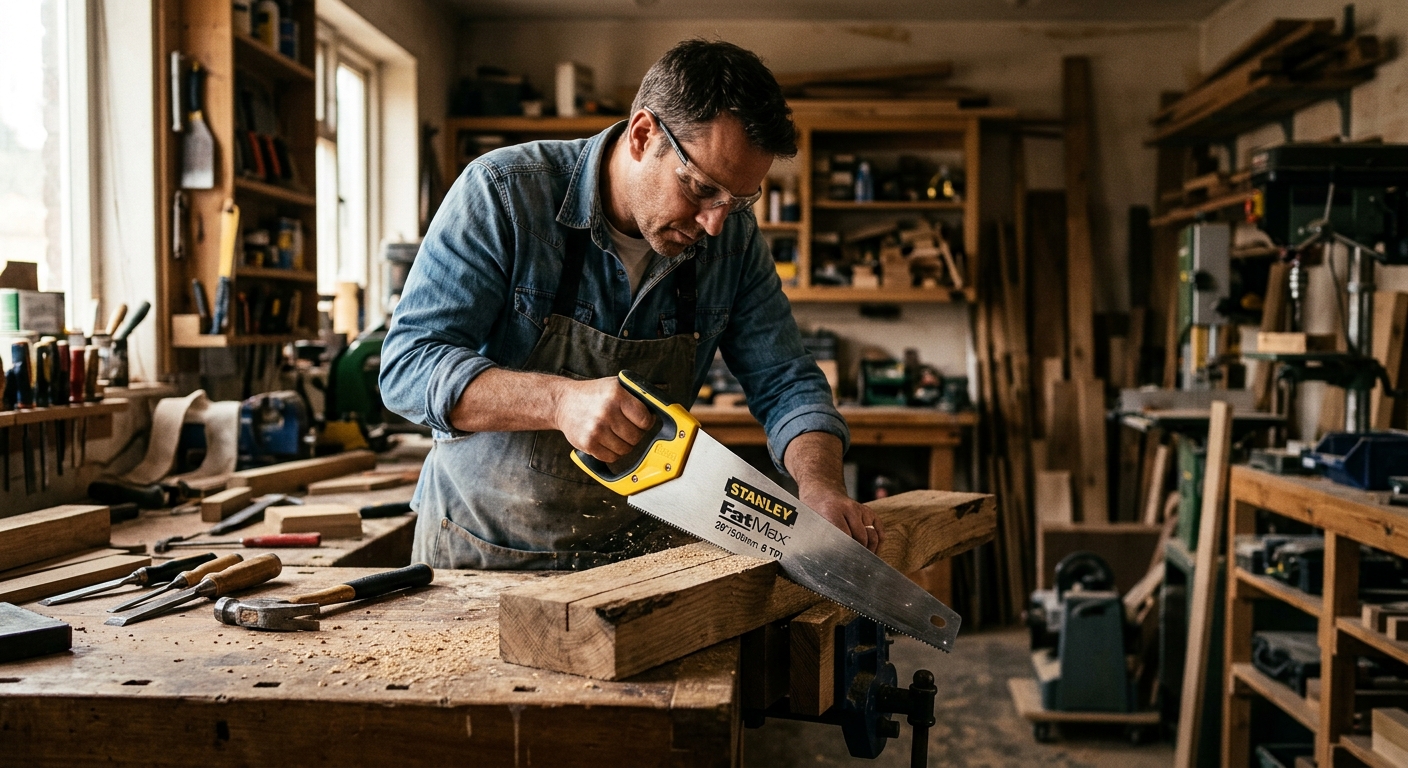
The workhorse choice for general carpentry. Induction-hardened teeth stay sharp longer than most budget saws, and the ergonomic handle reduces wrist fatigue during long cuts. A reliable crosscut saw that performs well above its price.
2. Irwin Tools Universal Hand Saw
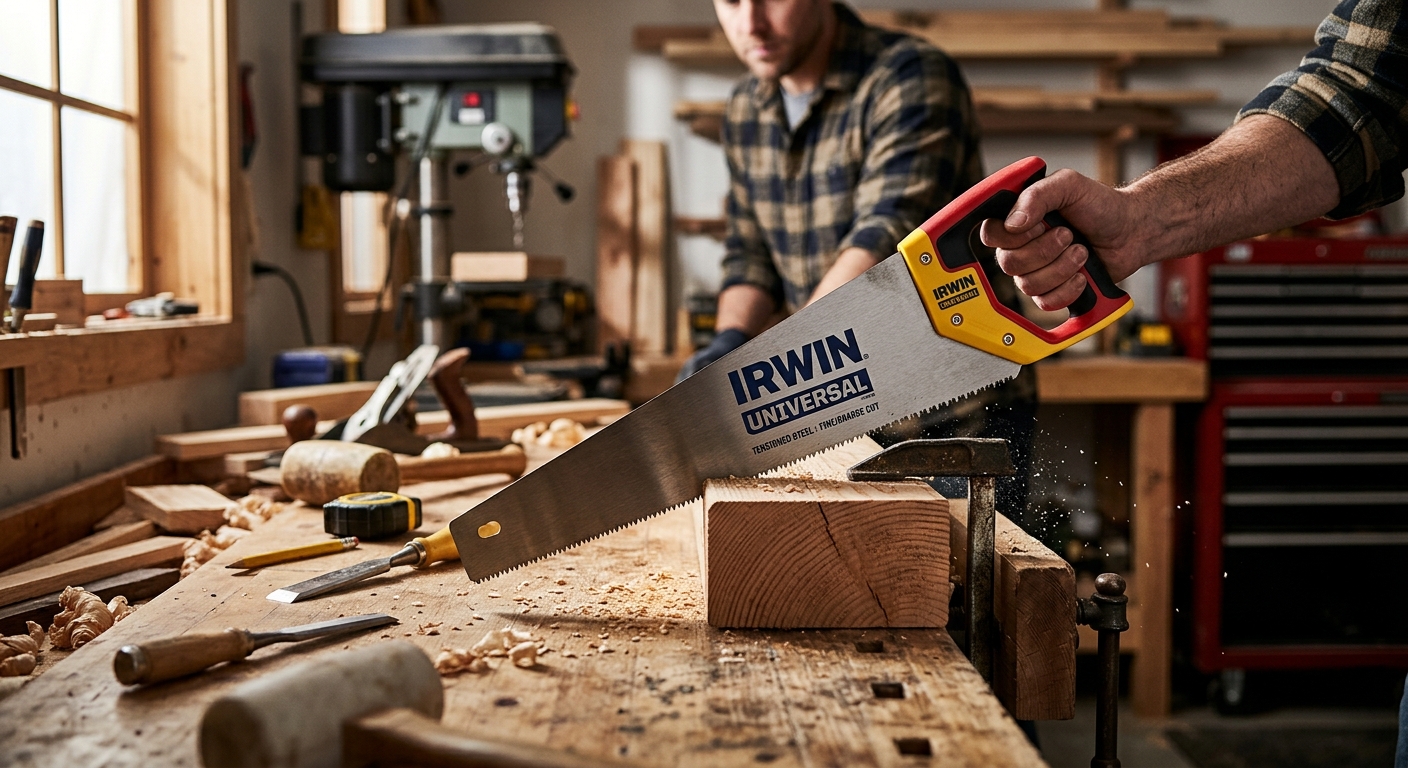
Uses a triple-ground tooth design that handles both crosscut and rip cutting acceptably well – great if you want one saw that does most jobs. The tooth pattern creates a surprisingly clean edge for a general-purpose saw.
3. Suizan Japanese Pull Saw (Double Edge)
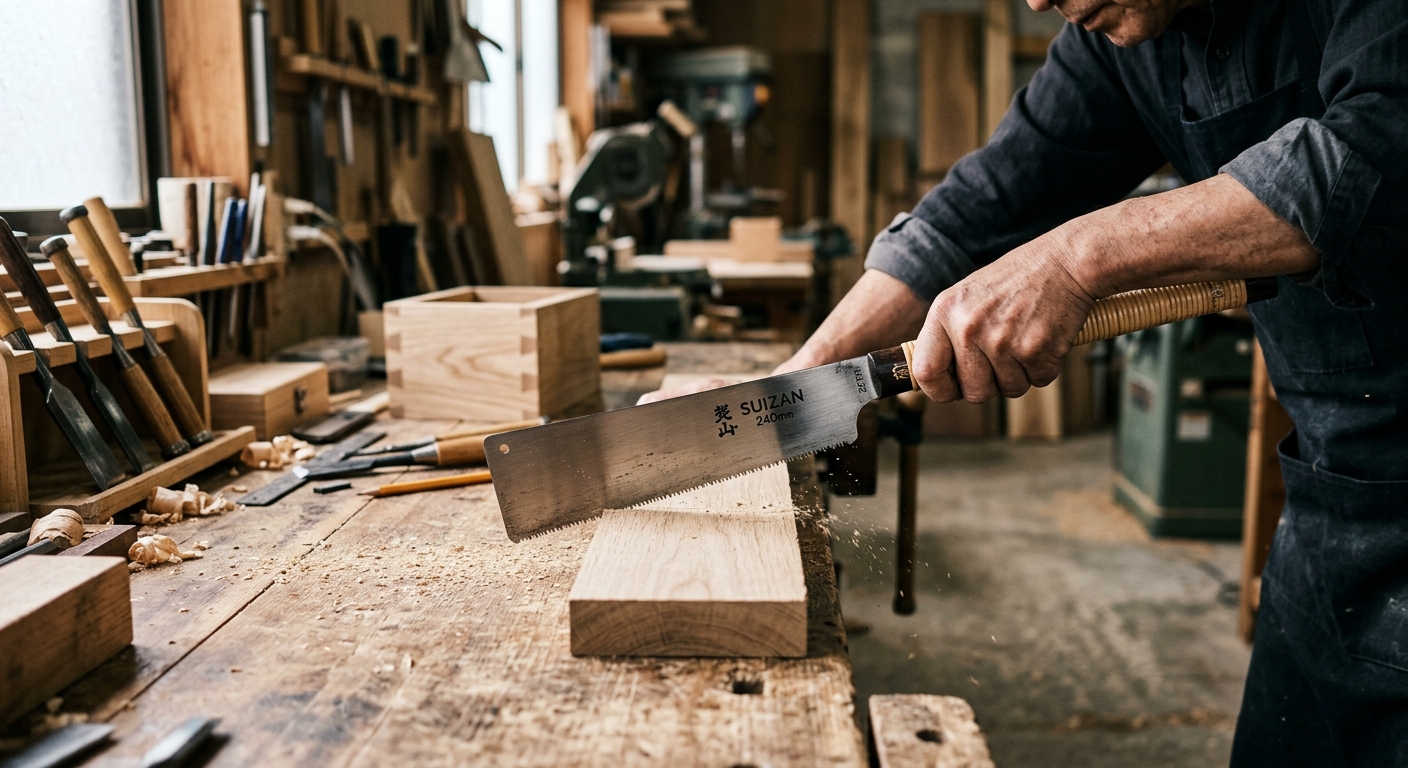
The best value in pull saws. One side is filed for crosscutting, the other for ripping. The thin kerf and pull-stroke action produce silky-smooth cuts in hardwood and softwood alike. Perfect for trimming plugs, dowels, and tenons flush.
4. Gyokucho Razorsaw Flush Cut
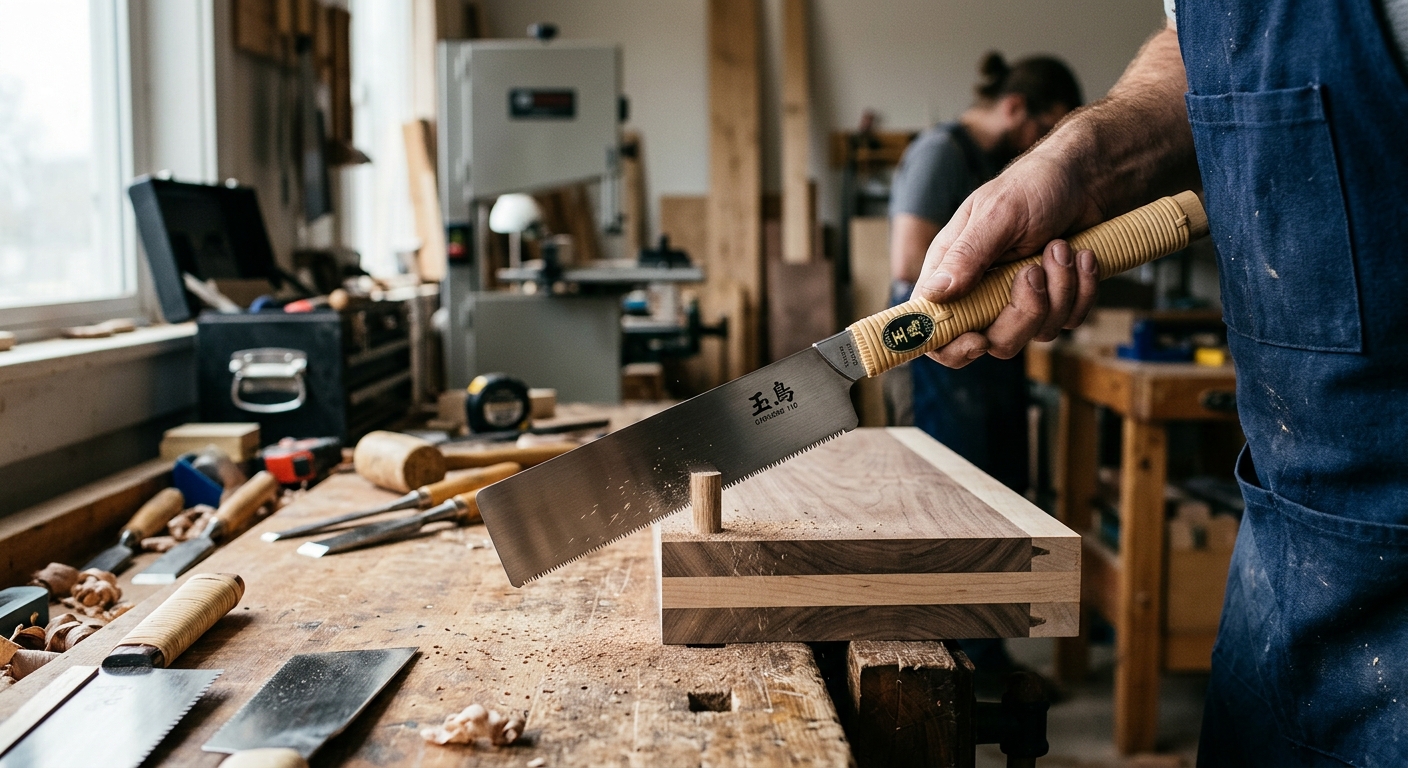
A specialist pull saw with no set on the teeth, designed specifically for flush-cutting protruding dowels and pegs without scratching the surrounding surface. Excellent quality from a respected Japanese manufacturer.
5. Veritas Tenon Saw
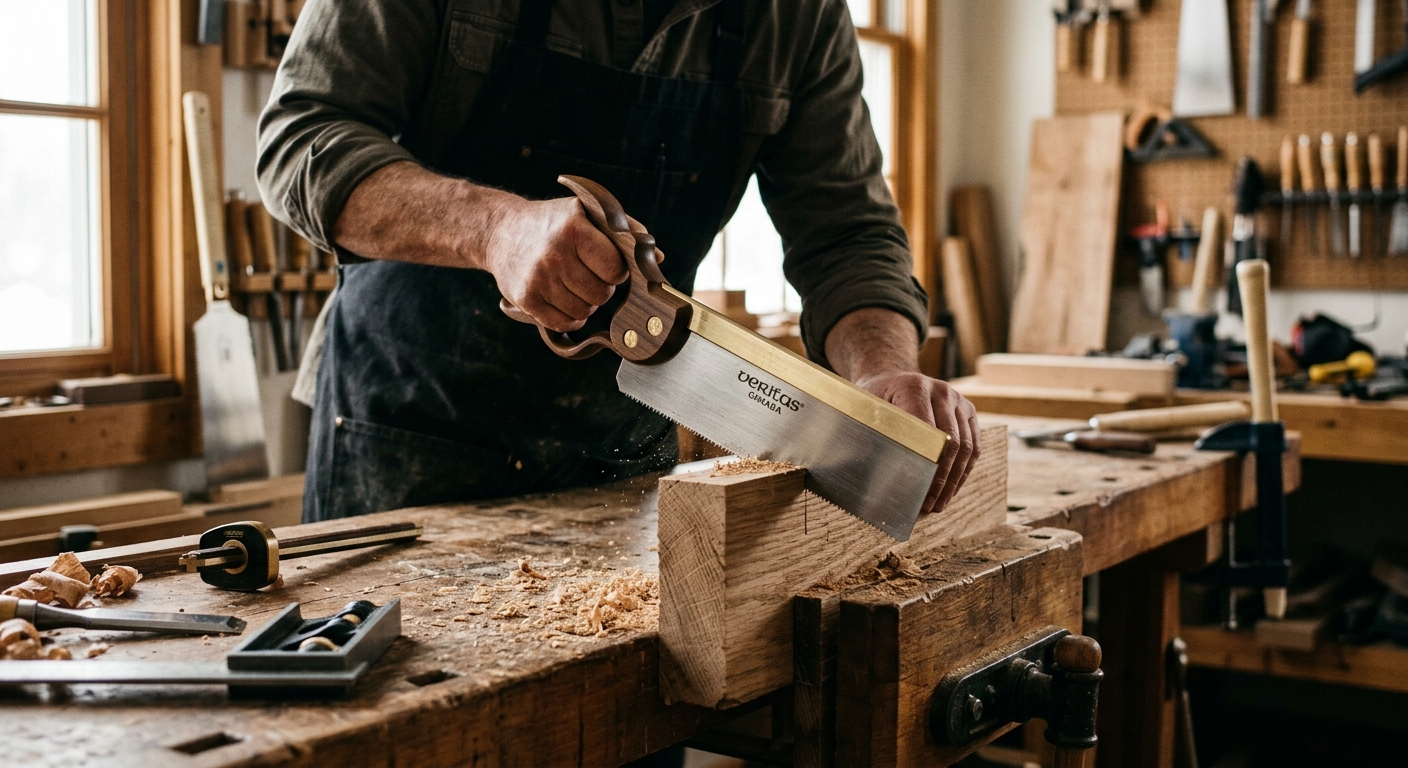
A premium back saw for serious woodworkers who want precision joinery. Brass back, comfortable applewood handle, and exceptional tooth quality. An investment tool that rewards skilled hands.
What to Avoid
- Flimsy plastic handles: They crack under real work and transmit vibration poorly.
- Very cheap universal saws: Poorly set teeth cause binding and require excessive force, leading to inaccurate cuts and fatigue.
- Buying a rip saw first: Most DIYers do far more crosscutting than ripping. Buy a good crosscut or universal saw first.
Caring for Your Hand Saw
Wipe the blade clean after each use and apply a thin film of paste wax or tool oil to prevent rust. Hang saws vertically or store in a sleeve – resting the blade on a hard surface dulls teeth quickly. Hardened teeth cannot be resharpened, so when they go dull, the blade is replaced; traditional saws can be filed back to sharpness by a saw sharpener or a patient DIYer with a triangular file.
FAQ
What saw should I buy first?
A general-purpose crosscut saw with 8 to 10 TPI handles 80% of DIY tasks. Add a Japanese pull saw for fine work and a back saw if you do joinery.
Can I cut plywood with a hand saw?
Yes, but use a fine-tooth saw (10 to 12 TPI) and cut with the good face down to minimize tear-out. A circular saw is faster for large sheets.
Why does my saw bind in the cut?
The kerf is closing on the blade – the wood is pinching it. Use a wedge to keep the kerf open, or ensure you are cutting on the waste side of the line and letting the weight of the wood drop away.
Affiliate Disclosure: DIY Arsenal participates in the Amazon Associates Program and other affiliate programs. When you purchase through links on this site, we may earn a small commission at no additional cost to you. We only recommend products we have personally tested and genuinely believe in.