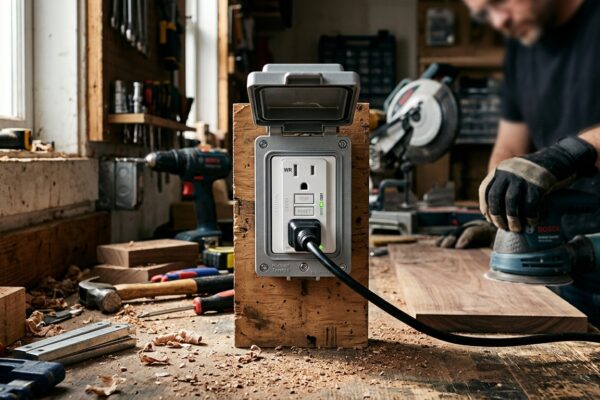
Best Electrical Safety Gear – Insulated Gloves, Mats, and Tools
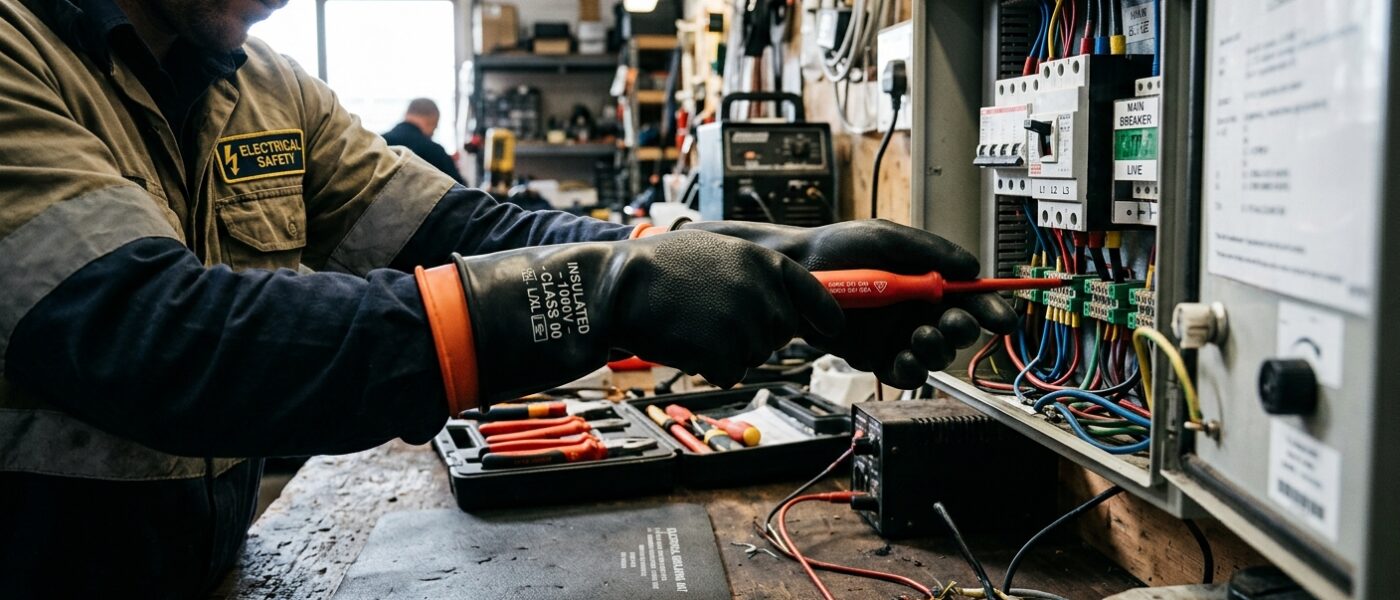
Salisbury Class 0 rubber gloves with Klein leather protectors are the professional standard for energized circuit work; the Wiha insulated screwdriver set provides 1000V-certified protection for the hands-on work of switch and outlet replacement.
As an Amazon Associate, we earn from qualifying purchases.
Electrical safety gear is the PPE (personal protective equipment) that prevents electrical contact from becoming a fatal injury. Unlike most shop hazards where the consequence of a momentary lapse is a cut or bruise, electrical contact is frequently immediately life-threatening. Insulated gloves, insulated tools, rubber mats, and face protection are not optional for anyone working on or near energized circuits – they are the difference between a safe working environment and one that kills.
Types of Electrical Safety Gear
Insulated Rubber Gloves
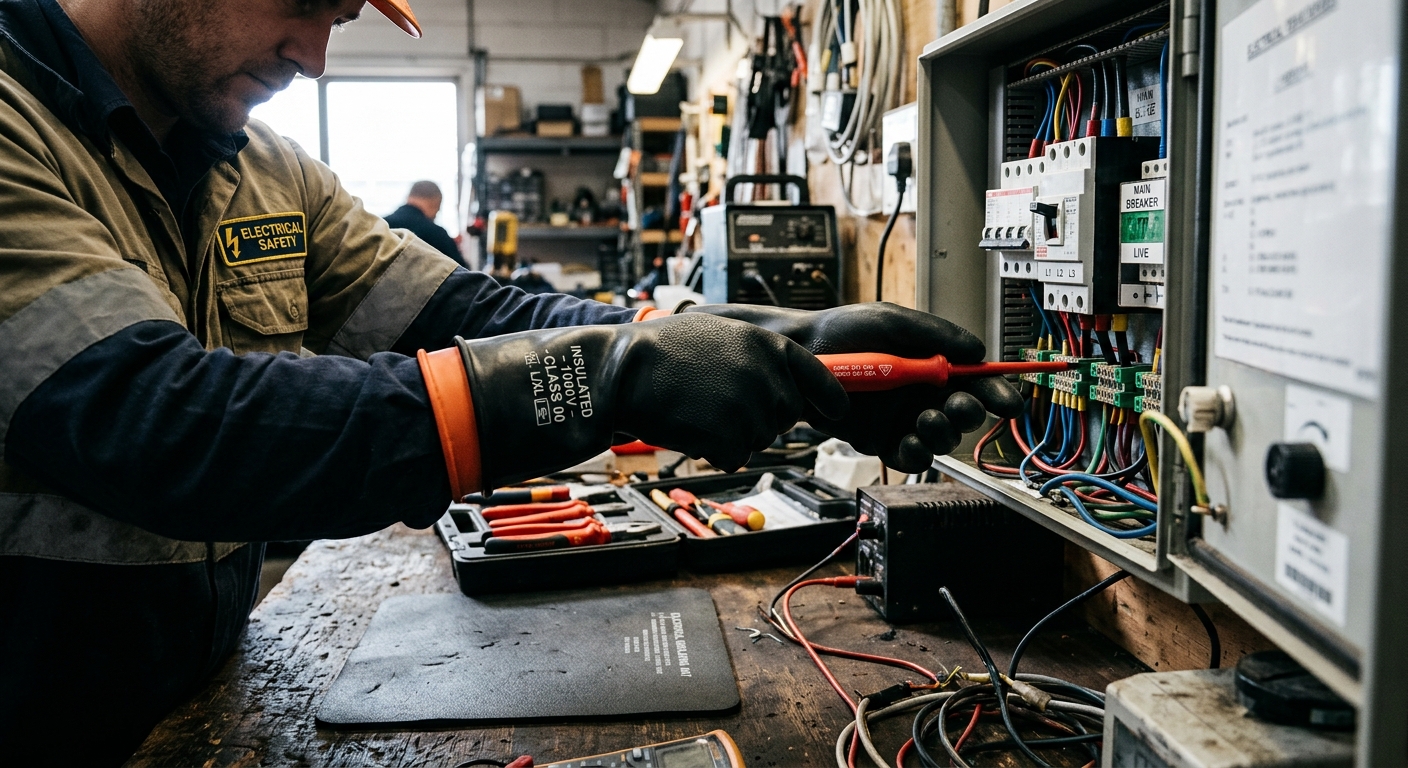
The primary protection for anyone working on energized circuits. Made from natural rubber or synthetic compounds, rated in classes from Class 0 (1000V max use voltage) to Class 4 (36,000V max use voltage). Residential DIY electrical work on 120V and 240V circuits: Class 0 (1000V rated) is the minimum. All insulated rubber gloves are worn over leather protectors – the leather protects the rubber glove from puncture and tear damage.
Insulated Hand Tools
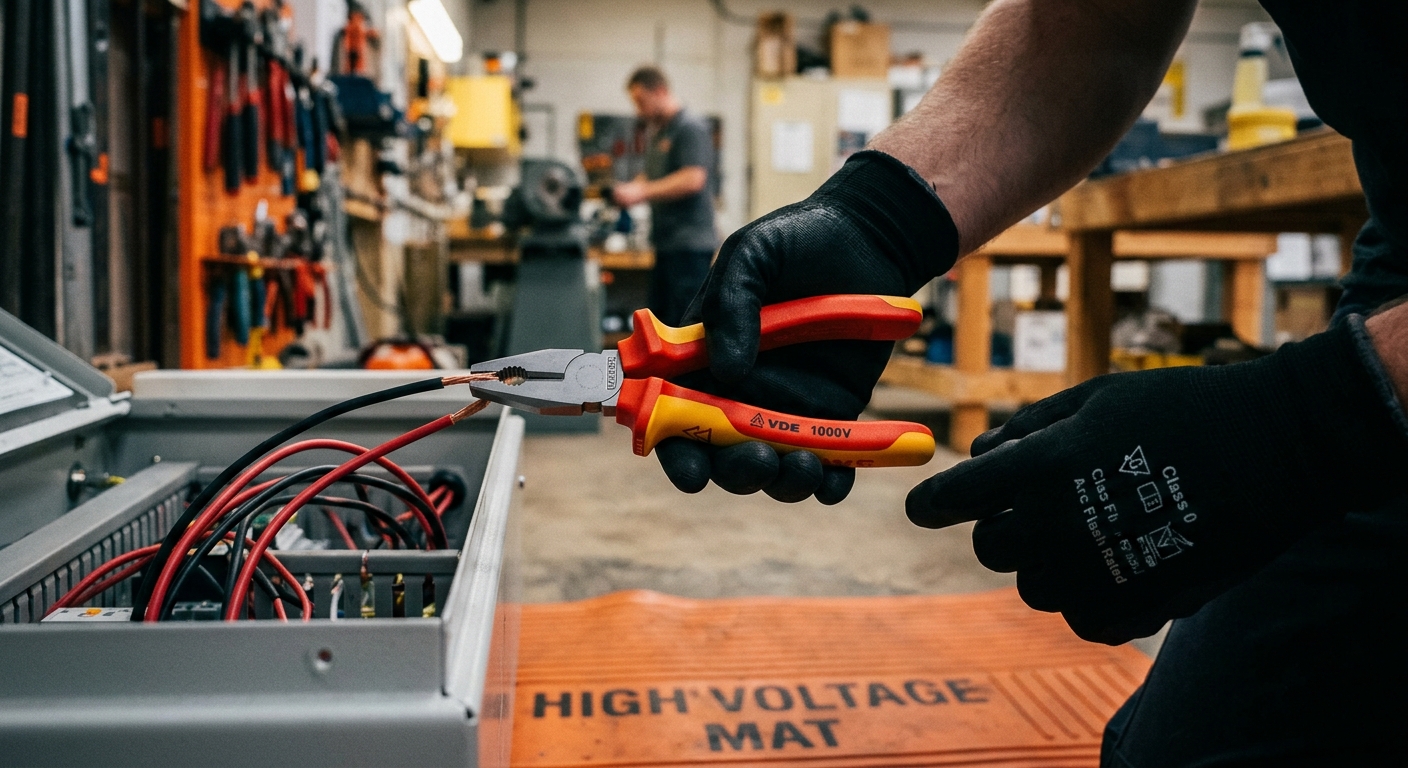
Screwdrivers, pliers, nutdrivers, and combination tools with 1000V-rated insulated handles. The insulation is marked with the IEC 60900 standard symbol (1000V and the double triangle/diamond symbol). Essential for any work where tools might inadvertently contact an energized conductor during otherwise de-energized work.
Rubber Insulating Mats
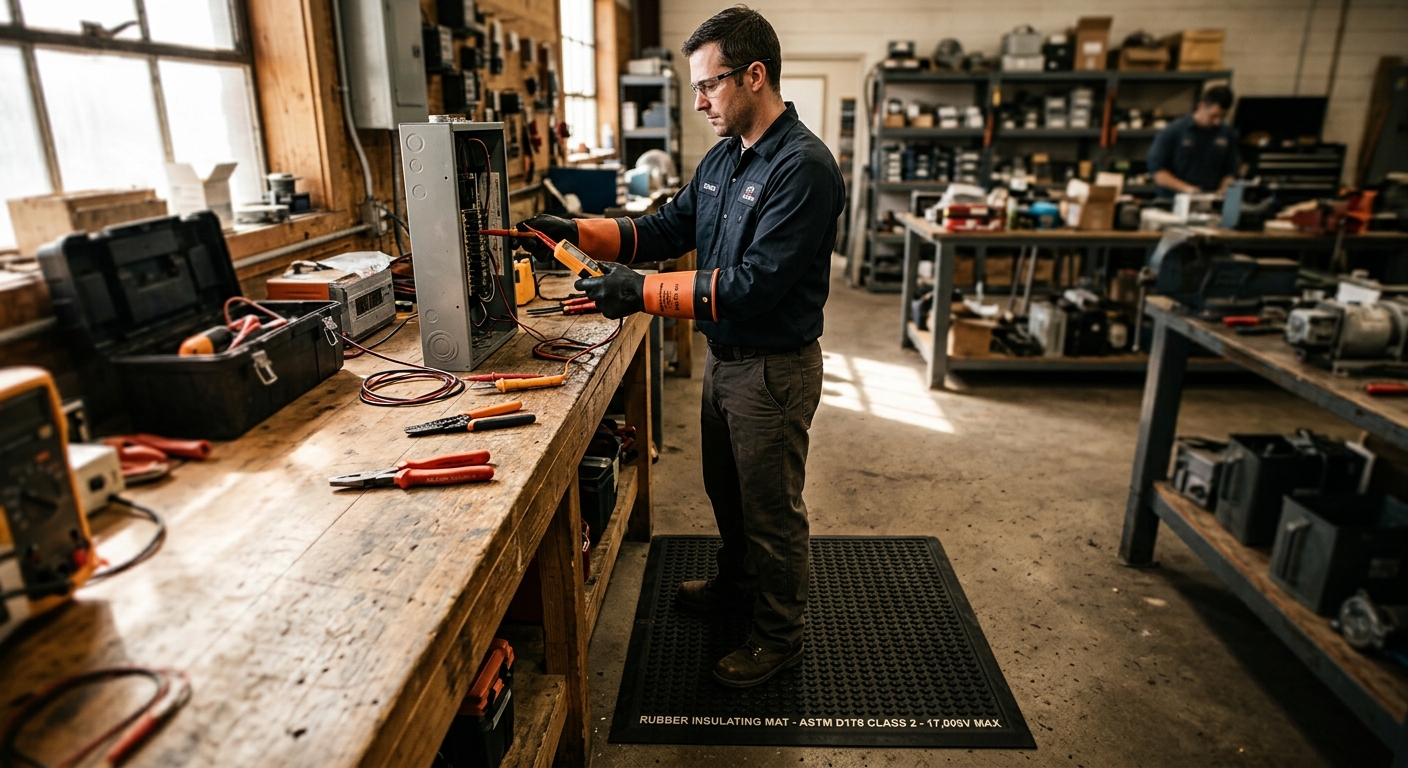
Thick rubber floor mats rated to prevent ground-path current flow from the feet through the worker to earth. Used at meter sockets, switchgear, and any location where a worker must stand while working on potentially energized equipment.
Arc Flash Protection
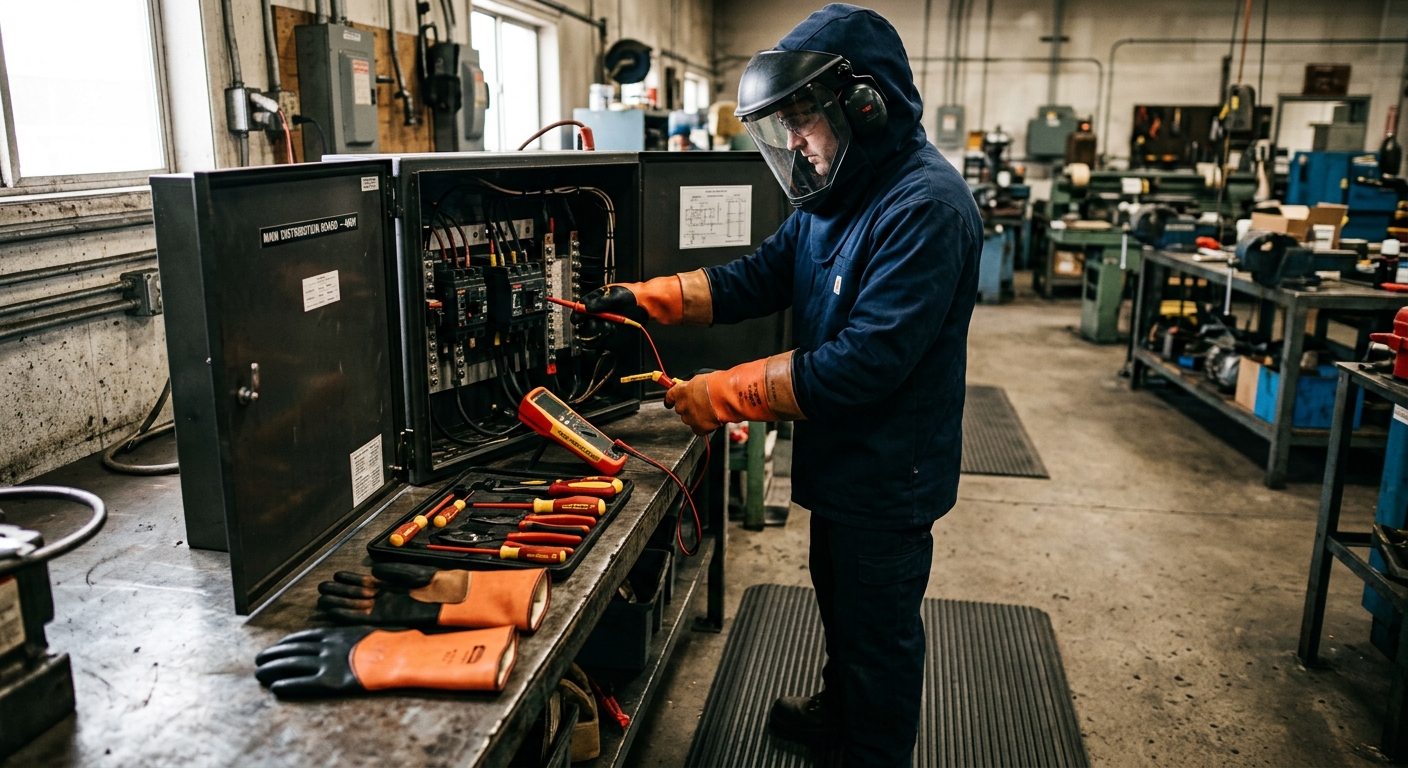
Arc-rated (AR) clothing, face shields, and gloves for work where arc flash hazard is present – primarily switchgear, motor control centers, and electrical panels rated above 240V service entrance. Residential DIYers working on standard 120/240V panels rarely encounter arc flash hazard significant enough to require dedicated arc flash PPE, but understanding the hazard exists is important.
Key Features to Look For
Voltage Rating
Every piece of electrical PPE is rated for a maximum voltage. The rating must exceed the maximum voltage you might encounter. For residential work (up to 240V at the panel): Class 0 rubber gloves (1000V), 1000V-rated insulated tools. Never use PPE rated below the voltage level of the work.
ASTM or IEC Standard Certification
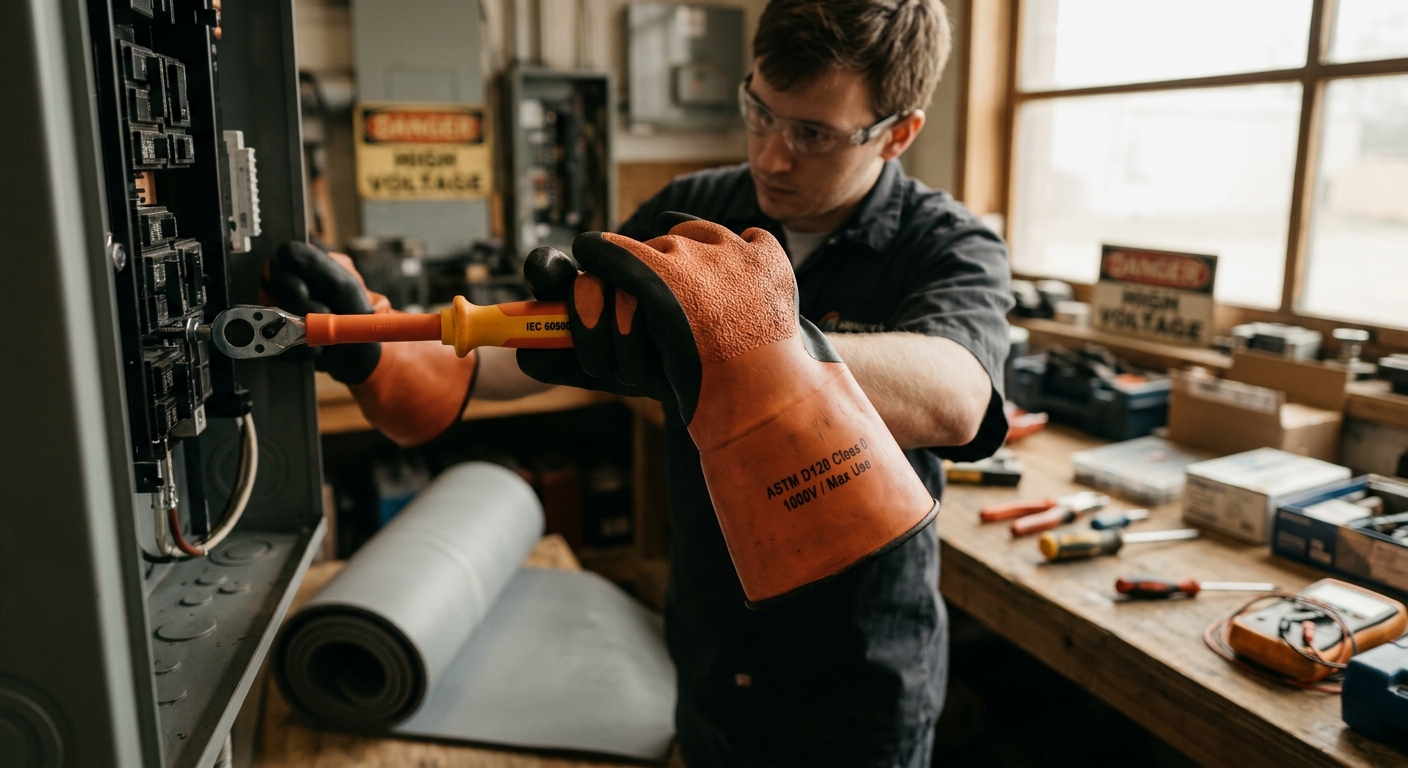
Rubber insulating gloves must meet ASTM D120 (US standard) or IEC 60903. Insulated tools must meet IEC 60900 or ASTM F1505. PPE without certified testing is not rated and should not be trusted for electrical protection.
Inspection and Testing

Rubber insulating gloves must be visually inspected before each use (look for cuts, cracks, and deformities) and air-inflated to check for punctures. They must be electrically retested every 6 months in active use. This is a non-negotiable maintenance requirement for rubber glove protection to remain valid.
Leather Protectors
Always worn over rubber insulating gloves. The leather protects the rubber from the mechanical damage that would compromise its insulating properties. Never use rubber gloves without leather protectors.
Our Top Picks
1. Salisbury by Honeywell E0011B Class 0 Rubber Insulating Gloves
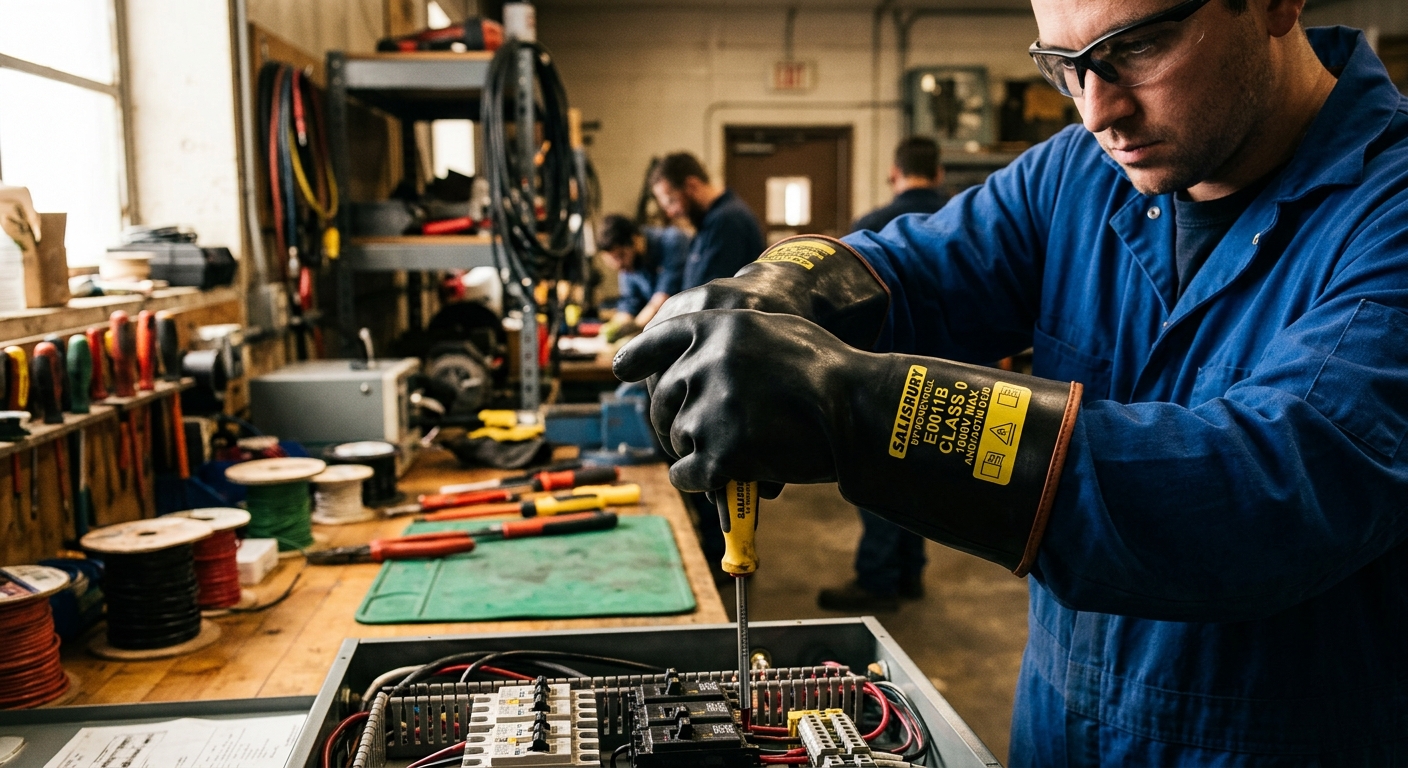
Salisbury is the professional standard for electrical insulating rubber gloves. The E0011B is a Class 0 (1000V max use voltage) natural rubber glove with the ASTM D120 certification. Comfortable, flexible enough for dexterous work, and available in a full range of sizes. These are the gloves that licensed electricians use when they work on energized circuits. Buy with matching leather protectors.
2. Klein Tools 94130 Leather Protector Gloves for Rubber Insulating Gloves
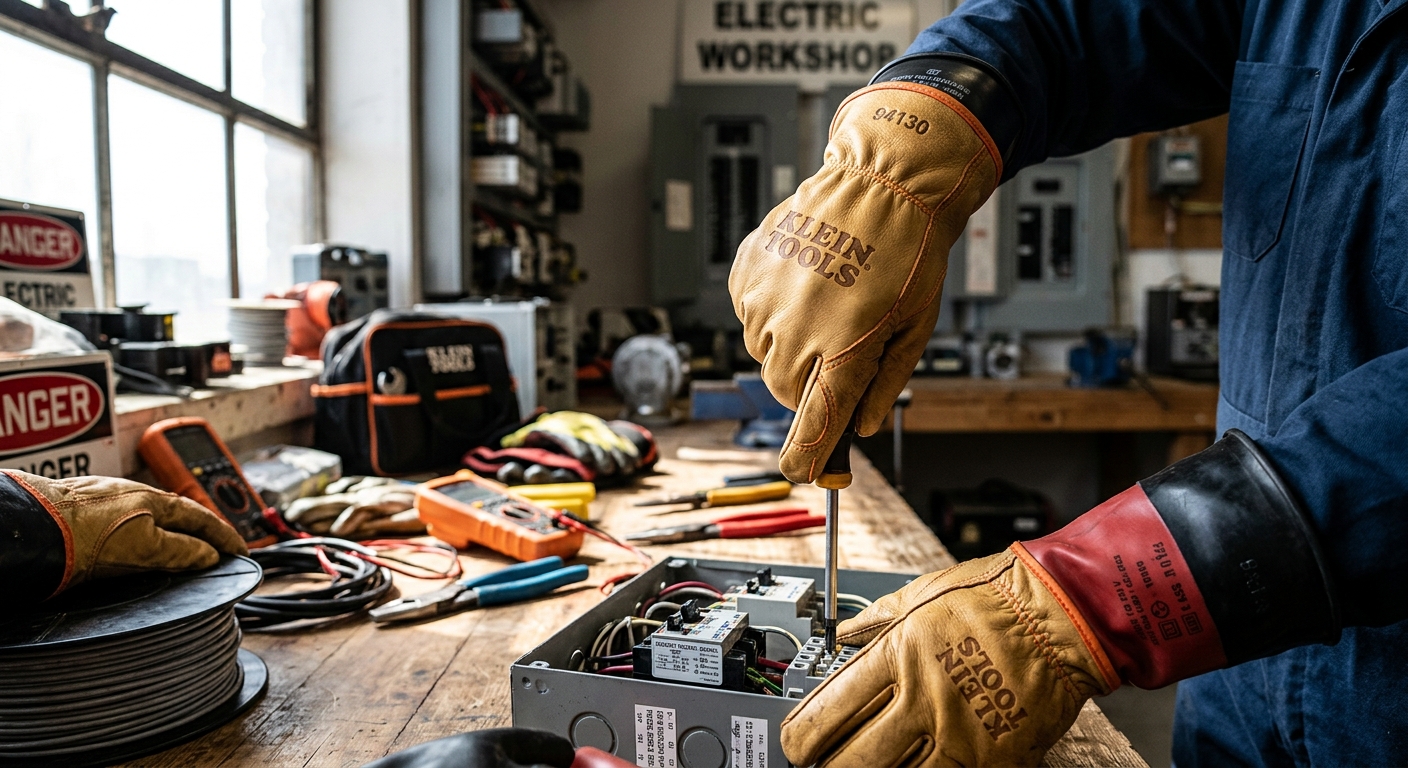
The leather over-glove for any rubber insulating glove. Klein makes excellent leather protectors that fit over their own and most other manufacturers rubber gloves comfortably. The leather must be worn over the rubber at all times during electrical work.
3. Wiha 32006 Insulated Slimline Screwdriver Set (7-Piece)
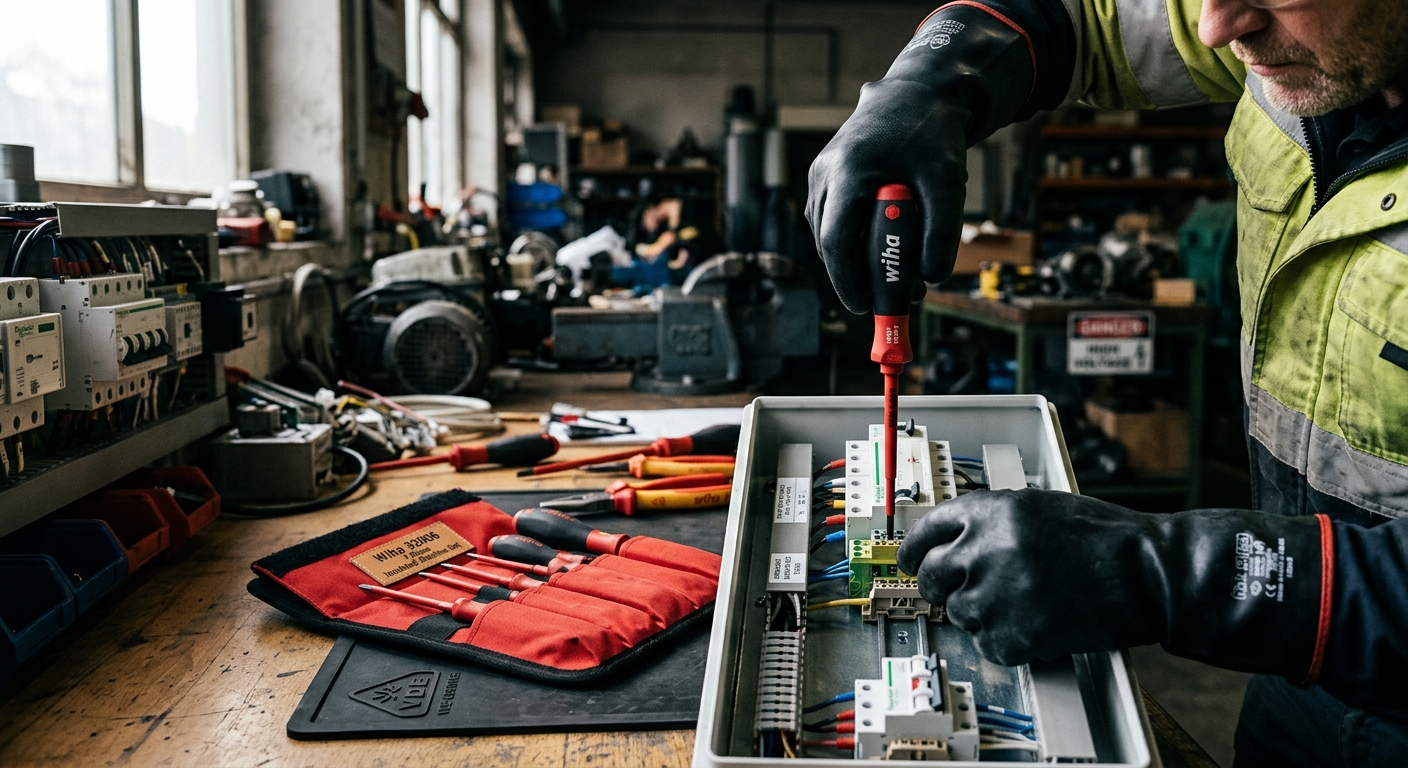
The best insulated screwdriver set for electrical work. Wiha is the dominant brand in IEC 60900-certified insulated tools – their GripMAX insulated series uses a two-layer insulation that provides full 1000V protection even if the outer layer is damaged. The slimline design allows access to tight switch and outlet box locations. Essential tools for anyone working on electrical panels or live circuits.
4. Ideal Industries 35-9680 Insulated Screwdriver and Pliers Set
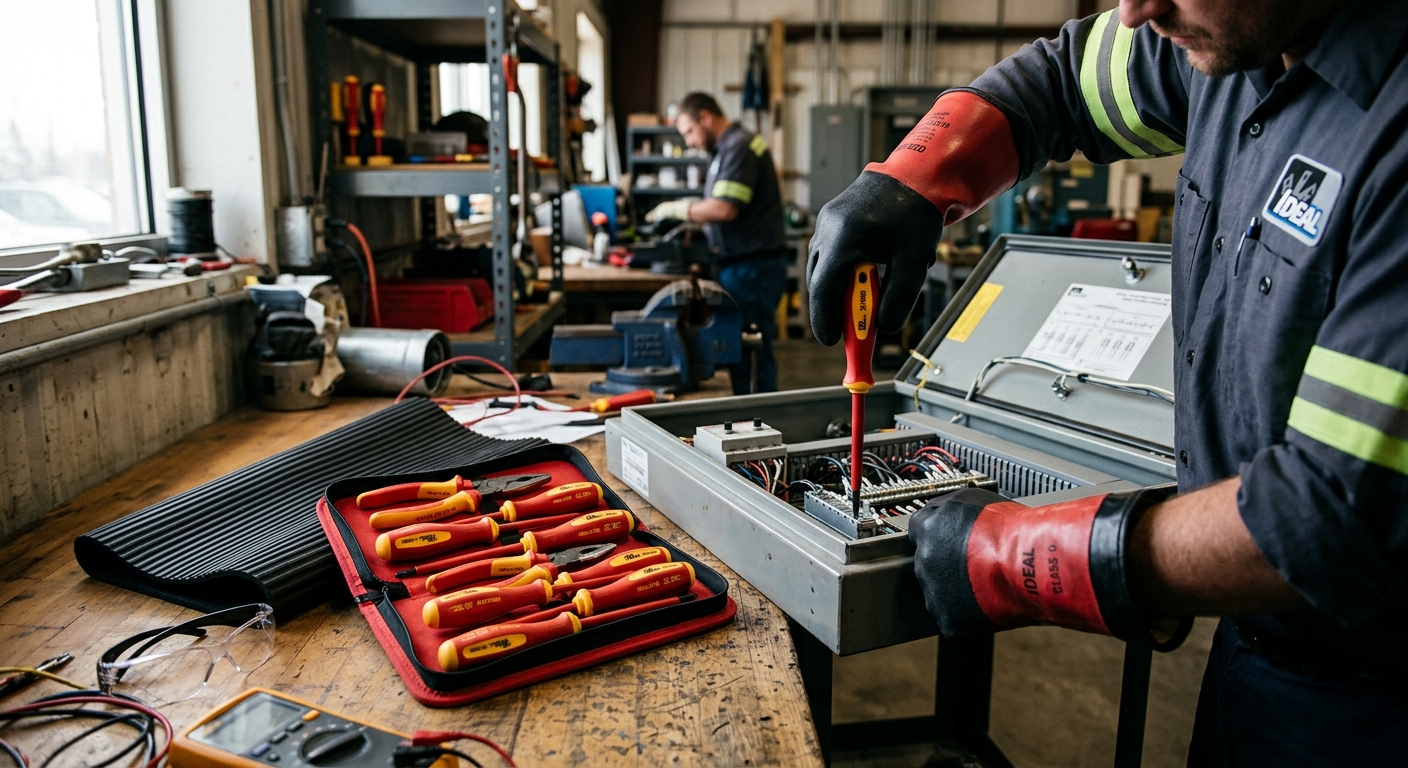
An affordable entry point for insulated hand tools. Includes four screwdrivers and two pliers with 1000V-rated insulated handles meeting IEC 60900. Not the premium Wiha quality, but properly certified and reliable for residential electrical work where a complete insulated set is needed.
5. Hubbell GRDMAT2448 Rubber Insulating Mat
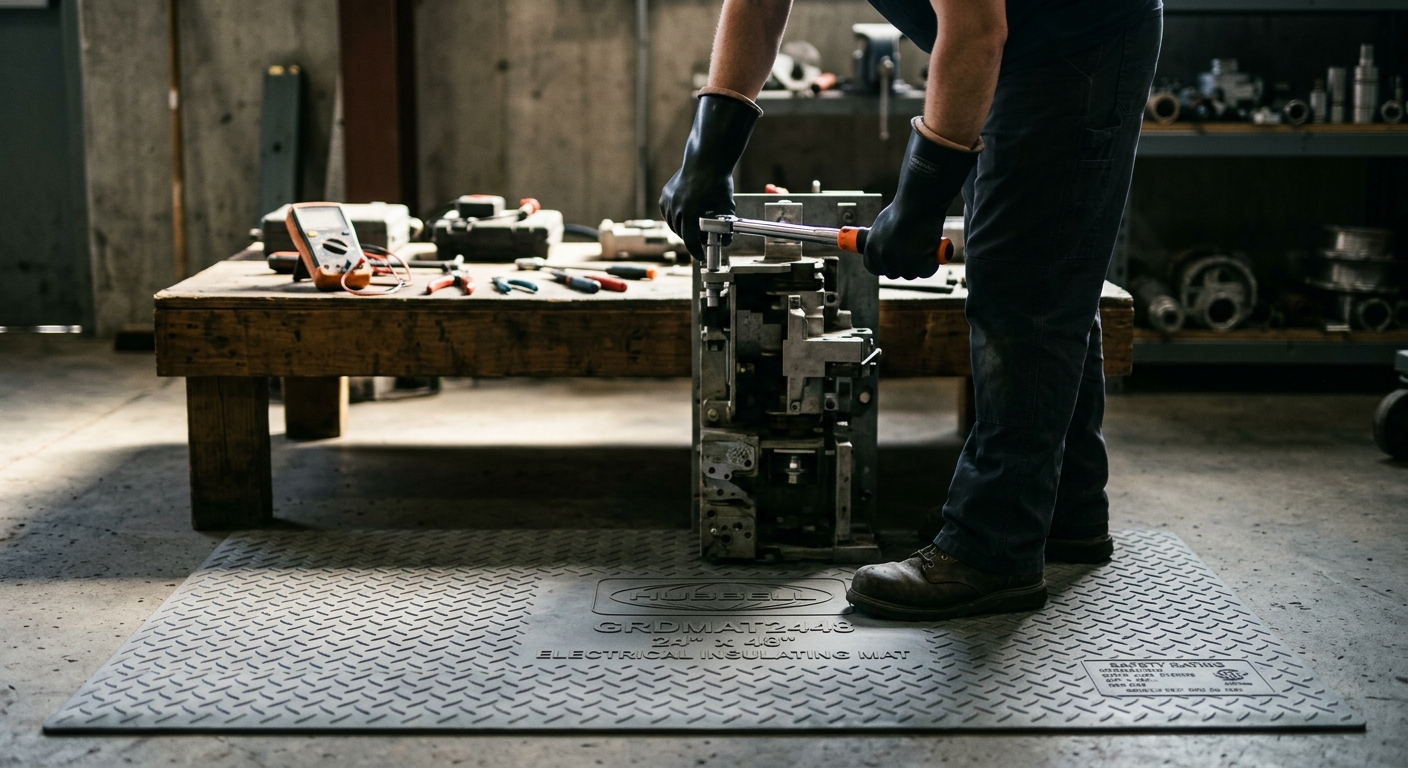
A Type 2 dielectric rubber mat for standing protection at panel boxes and service equipment. The ridged surface provides secure footing and the dielectric rating prevents current flow through the mat. Proper size for a single-person work area at a residential panel. Roll up and store after use.
What to Avoid
- Standard leather work gloves for electrical work: Leather is NOT electrically insulating. Regular work gloves provide no protection against electrical contact.
- Insulated tools without the 1000V certification mark: Tools with rubber handles but no IEC 60900 certification are not rated for electrical protection – the handle is for comfort, not safety.
- Rubber gloves beyond their test date: Insulating gloves with an expired test date have unknown insulating properties. Test dates are printed on the glove cuff. Out-of-date gloves must be retested or discarded.
FAQ
Do I need insulated gloves to replace a light switch?
For a DIYer who has verified the circuit is de-energized with a non-contact tester and multimeter: insulated gloves are an additional layer of protection but may not be strictly required if you are confident the circuit is de-energized. For any work where energized circuits might be nearby or there is any doubt about circuit isolation: insulated gloves are the safe choice.
Can I work on a panel with the main breaker off?
Turning off the main breaker de-energizes the branch circuit breakers and bus bars below it, but the service entrance conductors (coming from the utility meter to the main breaker) remain energized regardless. Never work on or near the service entrance conductors without proper electrical PPE and without notifying and coordinating with the utility company. This is the one area where a homeowner truly needs a licensed electrician.
How do I know if my insulated tools are still protective?
Visually inspect for cuts, cracks, delamination, or any damage that compromises the insulating layer. Any damage means immediate replacement – there is no repair option for damaged insulated tool handles. Replace immediately if any damage is visible.
Affiliate Disclosure: DIY Arsenal participates in the Amazon Associates Program and other affiliate programs. When you purchase through links on this site, we may earn a small commission at no additional cost to you. We only recommend products we have personally tested and genuinely believe in.