Best Cordless Impact Drivers of 2026
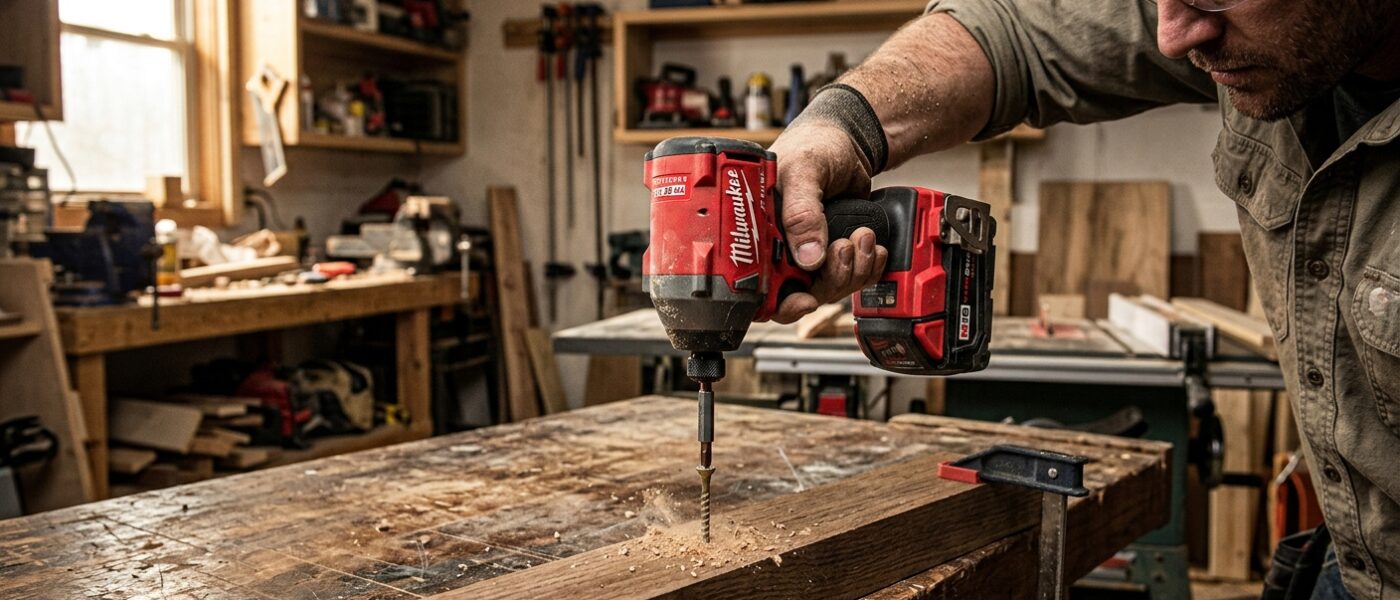
Milwaukee M18 FUEL 2853-20 leads with four-mode control; DeWalt DCF887B is the best alternative.
If a cordless drill is the workhorse of your toolkit, an impact driver is the racehorse. Where a drill applies steady rotational torque with a clutch to prevent overdriving, an impact driver uses rapid concussive blows – up to 4,500 per minute – combined with rotation to drive fasteners with far more force than a drill can deliver. Long screws through framing lumber, lag bolts into deck posts, concrete anchors – tasks that bog down or stall a drill are handled effortlessly by an impact driver.
Impact drivers have almost entirely replaced drills for driving fasteners in professional construction, and for good reason: they’re faster, more efficient with battery power, more compact, and rarely strip screw heads the way a drill can when the clutch doesn’t engage fast enough. Understanding when to use an impact driver (driving screws and bolts) versus a drill (drilling holes and precision driving) makes both tools more valuable.
How We Evaluate Impact Drivers
Torque output (in-lbs): Impact driver torque is typically listed in inch-pounds. Range spans from 1,200 in-lbs on budget models to 2,000+ in-lbs on professional high-torque models. For driving standard construction screws and lag bolts, 1,500–1,800 in-lbs is more than adequate. The highest-torque models (Milwaukee M18 FUEL HIGH TORQUE, DeWalt FLEXVOLT 60V) are for structural bolts and large lag screws.
IPM (impacts per minute): More impacts per minute means faster fastener driving at a given torque level. Most quality drivers deliver 3,500–4,500 IPM. This specification matters less than total fastener-driving speed, which results from torque and IPM combined.
Speed settings and modes: Three-speed or mode-switching impact drivers let you reduce speed and torque for driving into soft materials (avoiding overdriving) or increase it for maximum speed in framing lumber. Mode-controlled drivers are superior to single-speed models for versatility.
Battery platform: Same principle as cordless drills – buy into a platform with wide tool coverage. Milwaukee M18, DeWalt 20V MAX, Makita LXT, and Ridgid 18V are the four major platforms worth investing in.
Compactness and weight: Impact drivers are already more compact than drills, but there’s still meaningful variation. Sub-4-inch head length fits in tight framing cavities; 5-inch head lengths can be awkward in joist bays. Weight with battery under 3.5 lbs is ideal for sustained overhead work.
Top Picks
1. Milwaukee M18 FUEL 2853-20 – Best Overall
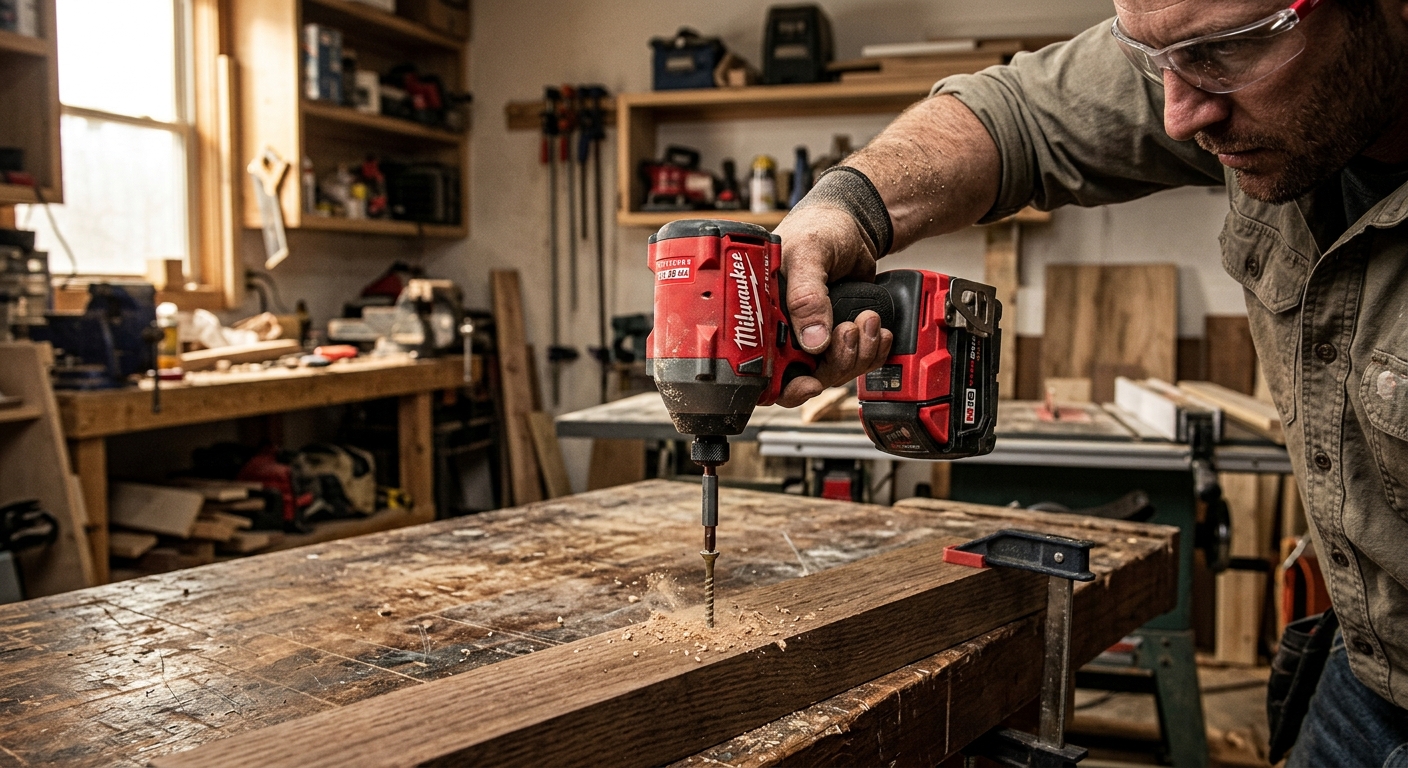
The Milwaukee M18 FUEL 1/4-inch hex impact driver is the professional standard for a reason. Its POWERSTATE brushless motor delivers 1,800 in-lbs of torque and 3,600 IPM with four-mode DRIVE CONTROL (precision, regular, sustained, and bolt-down mode). The four modes eliminate the primary frustration of impact drivers – overdriving screws into soft wood – by giving you a precision setting that drives smoothly at lower speed.
At $149–$169 tool-only, it’s the most versatile impact driver in the M18 lineup for typical DIY and construction work. Pair it with the Milwaukee M18 FUEL drill and two batteries for the complete driving solution.
- Pros: Four-mode DRIVE CONTROL prevents overdriving, 1,800 in-lbs torque, compact, M18 compatible
- Cons: Bit holder occasionally doesn’t click bits fully – check seating before driving
- Price range: $149–$169 (tool only)
2. DeWalt DCF887B – Best Runner-Up

DeWalt’s 20V MAX XR brushless impact driver is the M18 FUEL’s closest challenger. Its three-speed settings (0–1,000/0–2,800/0–3,250 RPM) and 1,825 in-lbs of torque match or slightly exceed the Milwaukee in raw fastener-driving speed. The DeWalt is marginally lighter at 2.8 lbs with a 2.0Ah battery and feels slightly better balanced for overhead work. For existing DeWalt 20V platform users, it’s the obvious choice.
- Pros: Three-speed settings, 1,825 in-lbs torque, slightly lighter than Milwaukee, DeWalt 20V compatible
- Cons’=>’Three speeds rather than four modes – less nuanced than Milwaukee’s DRIVE CONTROL
- Price range: $129–$149 (tool only)
3. Makita XDT16Z – Best for Light Work
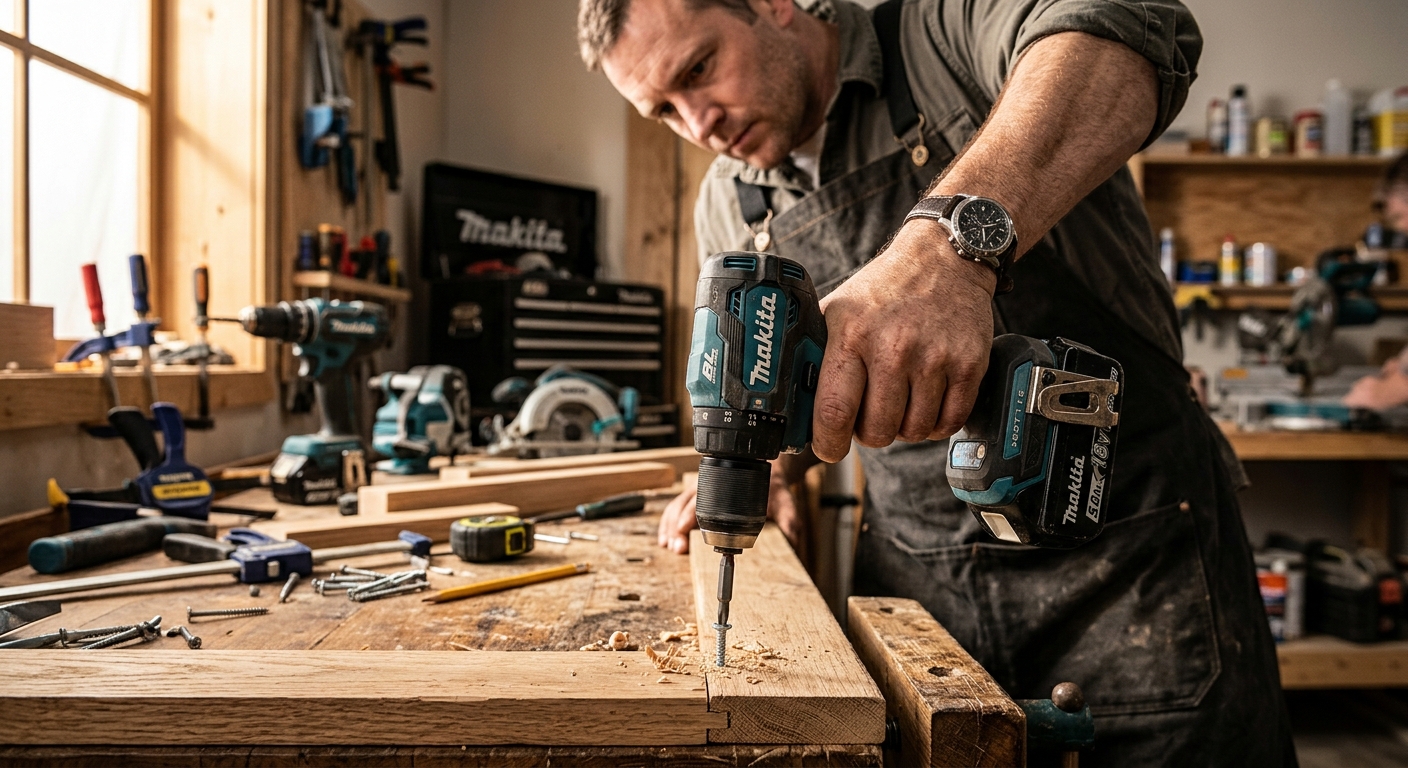
Makita’s 18V LXT brushless impact driver is the quiet achiever of the category. At 1,600 in-lbs torque and just 2.9 lbs with a 3.0Ah battery, it’s the lightest full-featured impact driver in the major platform group. Four-speed with auto-shift technology selects the right speed for the fastener automatically – an elegant approach that works well for mixed-material driving. Recommended for electricians, plumbers, and finish carpenters who drive into softer materials.
- Pros: Lightest in class, auto-shift technology, four-speed, LXT compatible
- Cons: Slightly less torque than Milwaukee and DeWalt, auto-shift can be slow to respond
- Price range: $129–$149 (tool only)
4. Ridgid R86039B – Best Value
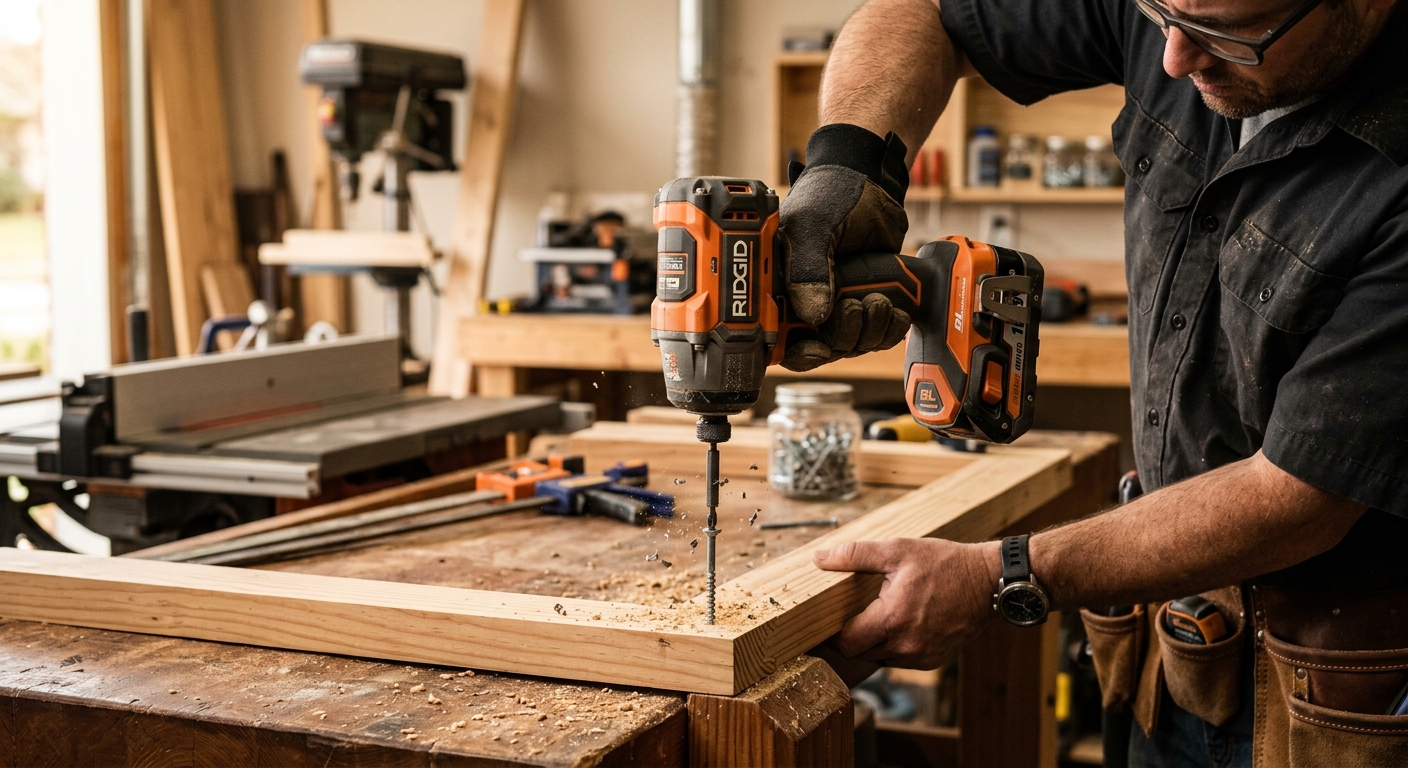
Ridgid’s 18V brushless impact driver at $99–$119 (tool only) delivers 1,800 in-lbs of torque – matching the Milwaukee and DeWalt – at a meaningfully lower price. The Ridgid Lifetime Service Agreement (with registration) covering battery replacement makes it an exceptional long-term value. For budget-conscious DIYers who don’t need DeWalt or Milwaukee brand premium, the Ridgid is the right move.
- Pros: 1,800 in-lbs at lower price, Ridgid LSA for lifetime batteries, brushless motor
- Cons: Smaller brand ecosystem, fewer premium accessories, limited retail locations
- Price range: $99–$119 (tool only)
5. RYOBI PBLID02B – Best Budget Brushless
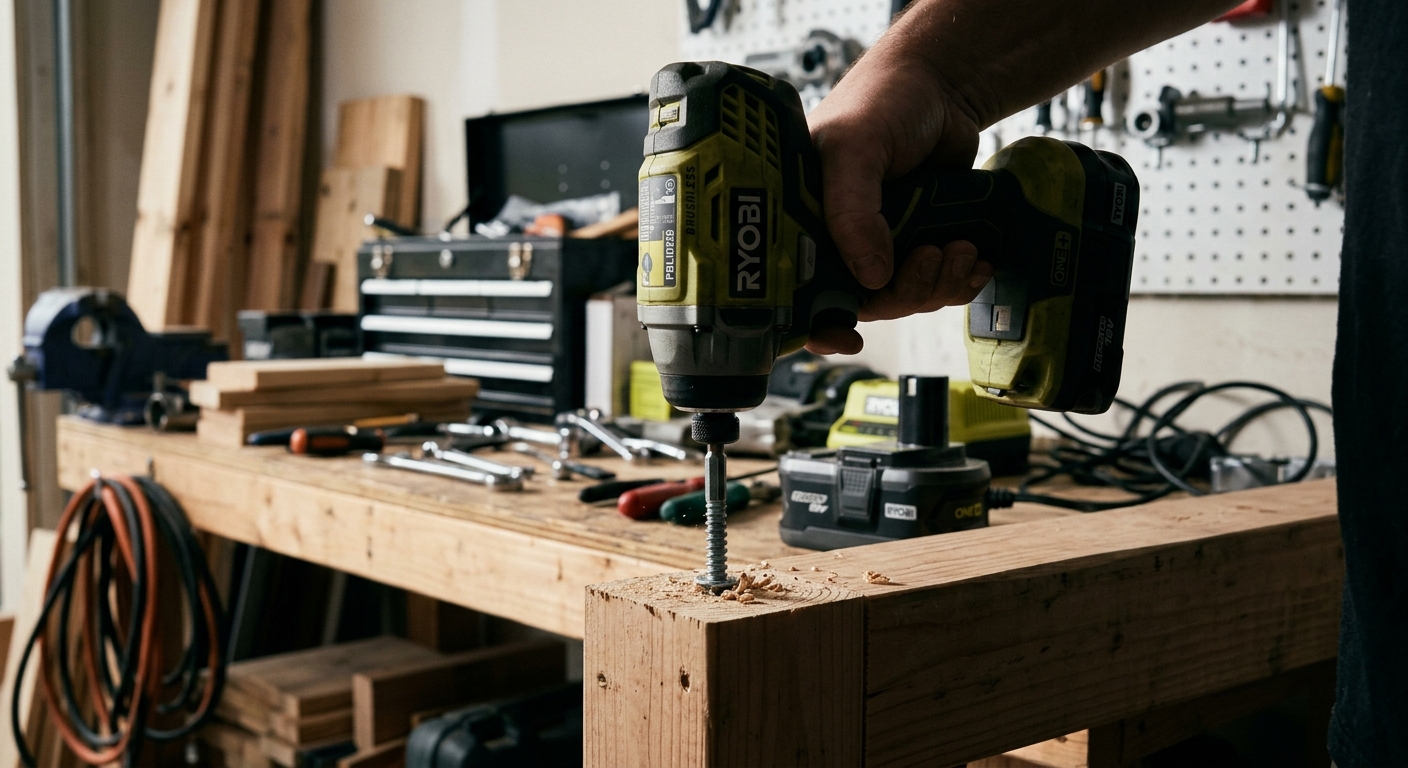
RYOBI’s ONE+ HP 18V brushless impact driver at $79–$99 tool-only closes the gap between budget and mid-range performance significantly over previous brushed models. The three-speed mode, 1,500 in-lbs torque, and ONE+ battery compatibility make it a real option for homeowners doing occasional driving tasks. Falls behind professional models in sustained-use performance but handles typical home project fastening well.
- Pros: Brushless at budget price, three-speed, ONE+ compatible, adequate for DIY
- Cons: Less torque than pro models, not for heavy construction driving
- Price range: $79–$99 (tool only)
FAQ
Can I drill holes with an impact driver?
You can, using impact-rated bits. Standard twist drill bits will shatter under impact action. For occasional drilling, impact-rated bits work fine. But for precise drilling, countersinking, and drilling into harder materials, a drill with adjustable clutch is the right tool – the concussive action of an impact driver makes controlled drilling difficult.
Why do impact drivers strip screw heads less than drills?
An impact driver’s percussive action keeps the bit pressed into the screw head more consistently than a drill, which relies entirely on downward pressure from the operator. The hammering action also helps the bit “seat” more deeply into the head during each impact, reducing cam-out (the slipping that strips heads). Using quality impact-rated bits matters too.
What’s the difference between an impact driver and an impact wrench?
An impact driver has a 1/4-inch hex chuck for driving screws and 1/4-inch hex shank accessories. An impact wrench has a square drive (3/8″, 1/2″, or 3/4″ depending on size) for socket accessories used on bolts and nuts. Impact drivers drive screws; impact wrenches remove lug nuts and structural bolts. Some overlap exists with hex-to-square adapters, but each tool is optimized for its own task.
Bottom Line
For professional results and anyone building or expanding a cordless tool collection, the Milwaukee M18 FUEL 2853-20 is the best overall impact driver – its four-mode DRIVE CONTROL genuinely prevents overdriving and makes it more versatile than competitors with simpler speed settings. DeWalt 20V users get comparable performance with the DCF887B. Value buyers who want serious performance without brand premium should buy the Ridgid R86039B and register for the lifetime service agreement immediately.
Affiliate Disclosure: DIY Arsenal participates in the Amazon Associates Program and other affiliate programs. When you purchase through links on this site, we may earn a small commission at no additional cost to you. We only recommend products we have personally tested and genuinely believe in.