How to Choose the Right Circular Saw Blade
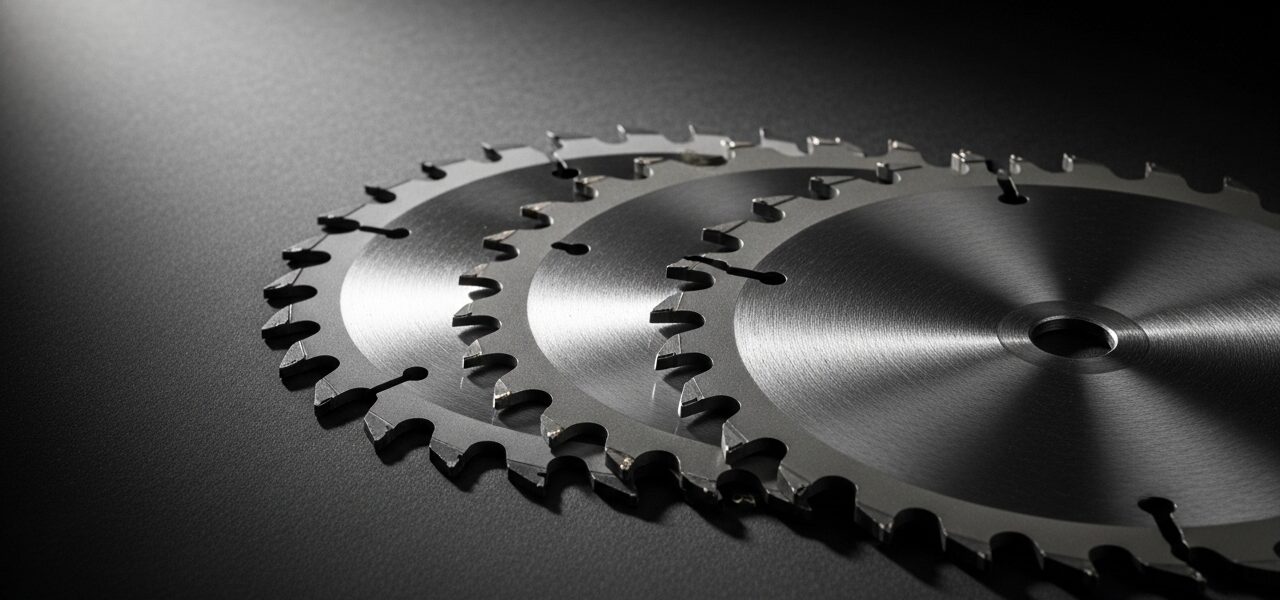
Match tooth count to material and finish quality needed — 24T for framing, 40-60T for finish work, specialty blades for non-wood materials.
Most DIYers buy the blade that came with their circular saw and use it until the cuts get rough, then repeat. This approach costs money (worn blades work harder, burning out motors faster) and produces poor cut quality (tearout, splintered edges, slow cutting). Choosing the right circular saw blade for each material and task is one of the highest-impact, lowest-cost improvements you can make to your cutting results.
This guide covers the key blade specifications, what each variable means in practice, and which blade type to reach for in the most common DIY cutting scenarios. The information applies to both corded and cordless circular saws.
Blade Anatomy: What the Numbers Mean
Tooth count: The single most important variable. Fewer teeth (14–24) remove material aggressively and cut fast but leave rough edges – right for framing lumber and rough cuts. More teeth (40–80) cut slower but leave cleaner, smoother edges – right for trim, plywood finish faces, and material that will be visible. The rule: more teeth for finish quality, fewer teeth for speed and rough cuts.
Kerf width: The width of material removed by the blade. Standard kerf (1/8″) and thin kerf (3/32″) are the two main types. Thin kerf blades remove less material, require less motor power, and run better on cordless saws with limited battery capacity. They can deflect slightly under lateral pressure. Full kerf blades are stiffer and preferred for corded saws and table saws.
Hook angle: The angle of each tooth face relative to the blade center. Positive hook (leaning forward, 10–20 degrees) is aggressive – fast cutting in soft materials. Negative hook (leaning back, up to -5 degrees) is controlled – safer for miter saws and materials prone to grabbing. Most general-purpose blades use 5–15 degree positive hook.
Carbide grade and grind: ATB (Alternate Top Bevel) is standard for wood – alternating bevel angles slice wood fibers cleanly. TCG (Triple Chip Grind) is better for non-ferrous metal and plastics. Hi-ATB uses a steeper bevel for very fine, tearout-free cuts on melamine and laminate. The carbide grade (C3, C4) affects durability – better carbide holds an edge longer.
Blade Selection by Material
Framing lumber and rough construction: 24-tooth carbide-tipped blade. Cuts fast, handles nails (use a demolition blade for frequent nail encounters), and produces a rough but adequate edge. Diablo D0724A is the most recommended option at $12–$15.
Plywood (finish cuts): 40-tooth or higher blade. For cabinet-grade plywood where edge quality matters, use a 60–80 tooth fine-finish blade and cut with the good face down (circular saws cut upward on the face toward the operator, so tearout appears on top). Freud LU85R007 40-tooth or Diablo D0760A 60-tooth are excellent choices at $15–$25.
MDF and laminated panels: 80-tooth Hi-ATB blade. MDF is abrasive and wears carbide faster than solid wood – use a quality carbide blade and expect more frequent sharpening or replacement. Freud LU98 or Diablo Ultra Finish series handle laminated panels with minimal tearout.
Trim and finish cuts in hardwood: 60–80 tooth fine-finish blade. The extra tooth count slows the cut but eliminates the surface tearout that requires extensive sanding. Amana Tool and CMT manufacture excellent fine-finish blades at $30–$50 for the quality level that pays off in reduced follow-up work.
Fiber cement (HardiePlank): Dedicated fiber cement blade – a polycrystalline diamond (PCD) or diamond-tipped blade rated for fiber cement. Standard carbide blades dull within a single cut. HardieBlade and Freud’s fiber cement blades are purpose-made for this application at $20–$40.
Metal (sheet metal, aluminum): Non-ferrous metal cutting blade or dedicated aluminum blade. Never use a wood blade on metal – the hook angle causes dangerous grabbing and blade damage. Evolution, Diablo, and Freud make inexpensive non-ferrous metal blades ($20–$35) that handle aluminum flashing, copper pipe, and thin steel.
Blade Brand Recommendations
Diablo (by Freud): The best value in carbide circular saw blades for DIYers. Widely available at Home Depot, excellent carbide grade, and reliable performance across their full lineup. The Diablo D0724A 24-tooth framing blade and D0740A 40-tooth finish blade are the defaults for most DIYers.
Freud: The professional-grade version of Diablo. Micro-grain carbide, laser-cut expansion slots for heat management, and superior tooth grind geometry. Worth the premium for furniture makers and anyone who needs the finest possible edges. Freud LU85 and LU98 series are excellent investments for serious woodworkers.
Avanti Pro: Budget option available at Home Depot, adequate for occasional use. Carbide doesn’t hold an edge as long as Diablo or Freud; expect more frequent replacement with regular use.
Irwin Tools: Good mid-range option, especially for general framing. The Irwin Classic and Marathon series offer reliable performance at moderate price points.
When to Replace Your Blade
A circular saw blade needs replacement or resharpening when: cuts require noticeably more pressure than they used to, the cut edge shows burning or excessive roughness, the saw sounds strained under its normal workload, or you can visibly see chipped or missing carbide teeth. Forcing cuts with a dull blade strains the motor, produces dangerous heat, and causes inferior cuts. Replacement blades in the $10–$25 range for framing use cost less than the motor wear from using a dull blade.
FAQ
Should I use the same blade for ripping and crosscutting?
A 40-tooth combination blade handles both well for typical DIY use. Dedicated rip blades (24 tooth, large flat-topped rakers) cut much faster along the grain but leave rough edges. Dedicated crosscut blades (60+ teeth) are slower but leave clean edges. For general shop use, a quality 40-tooth combination blade is the practical choice; add a fine-finish blade for plywood and a coarse framing blade for rough lumber as your project mix demands.
Can I sharpen circular saw blades?
Yes, by a professional sharpening service. Carbide-tipped blades can typically be sharpened 2–4 times before the tooth geometry becomes too degraded for quality cutting. A 40-tooth Diablo blade ($15–$20) is often more economical to replace than to sharpen; a 60-tooth Freud blade ($40–$60) is worth sharpening 2–3 times before replacement. Find local sharpening services online – most charge $8–$15 per blade.
What’s the difference between a circular saw blade and a miter saw blade?
Many blades are marketed for both uses and work well in either. The key difference is that miter saw blades often use a negative or low hook angle to prevent grabbing as the blade descends into the material (positive hook on a miter saw can cause the blade to “climb” the material). Circular saw blades for ripping use higher positive hook angles. Using a low-hook blade in a circular saw is generally fine; using a high-hook blade in a miter saw is not recommended for safety reasons.
Bottom Line
Every DIYer should own at least two blades: a 24-tooth Diablo framing blade for rough cuts and construction, and a 40-tooth Diablo finish blade for plywood, trim cuts, and anything that will be visible in the final project. Add a 60–80 tooth fine-finish blade if you regularly cut cabinet-grade plywood or hardwood trim. Material-specific blades (fiber cement, non-ferrous metal) should be added as your specific projects require them. Always match the blade to the task – the cost of a purpose-made blade is always less than the cost of poor-quality cuts and motor wear from forcing wrong blades through incompatible materials.
Affiliate Disclosure: DIY Arsenal participates in the Amazon Associates Program and other affiliate programs. When you purchase through links on this site, we may earn a small commission at no additional cost to you. We only recommend products we have personally tested and genuinely believe in.