Best Rotary Tools – Dremel and Competitors Compared
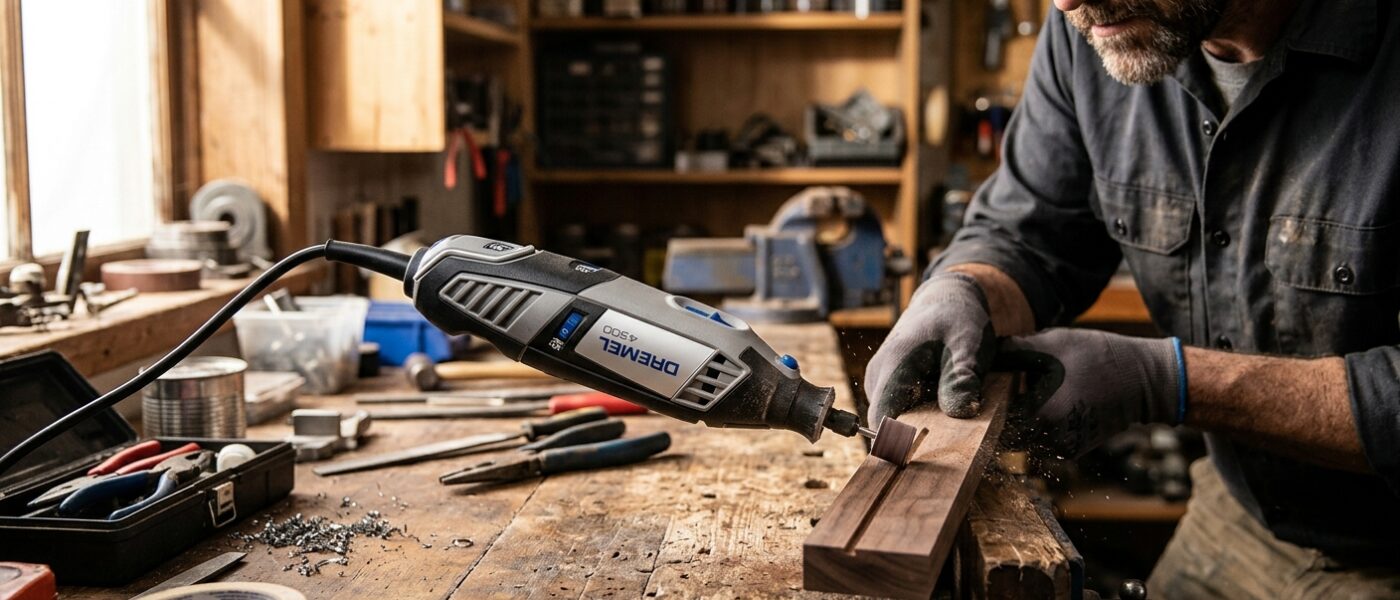
Dremel 4300 leads on accessory compatibility and versatility; Dremel 3000 wins for budget beginners.
The rotary tool is the miniaturist’s power tool – a high-speed, low-torque spinning tool that excels at detailed work where larger tools are simply too big to operate. Cutting, grinding, sanding, polishing, engraving, and carving in tight spaces, on small workpieces, and with precision that full-size power tools can’t match: this is the rotary tool’s domain. Dremel built this category and still dominates it, but the competition has caught up enough to warrant careful comparison before buying.
Understanding what a rotary tool actually does well – and what it doesn’t – is as important as choosing the right model. This guide covers both the tool comparison and the practical applications that make a rotary tool valuable.
How We Evaluate Rotary Tools
Speed range: Most rotary tools spin from 5,000 to 35,000 RPM. Lower speeds handle polishing, buffing, and carving in soft material; higher speeds are for cutting discs, grinding bits, and hard material work. A wide speed range is essential for versatility.
Variable speed control: A speed dial or wheel (rather than a simple on/off switch) gives precise control over RPM for different applications. Some tools offer electronic constant speed control that maintains RPM under load – valuable for consistent results in carving and grinding where load varies.
Accessory system: Dremel’s accessory ecosystem is the most extensive – over 150 accessories including cutting discs, grinding stones, sanding drums, router attachments, and flex shafts. Tools compatible with Dremel accessories have a dramatic head start on versatility. Confirm collet compatibility (most use 1/8″ collets) before buying non-Dremel rotary tools.
Cordless vs corded: Corded rotary tools deliver consistent, uninterrupted power at lower cost and lighter weight. Cordless models (including Dremel’s own 8240) add convenience for engraving, wood burning, and portability, but battery life is typically 30–60 minutes of actual use.
Ergonomics and grip design: Rotary tools are used freehand for precision work – the grip must be comfortable for extended sessions. Pencil-grip models are preferred for detail carving; barrel-grip models (like the standard Dremel cylinder) are more versatile but less precise for fine drawing motions.
Top Picks
1. Dremel 4300 – Best Overall Rotary Tool
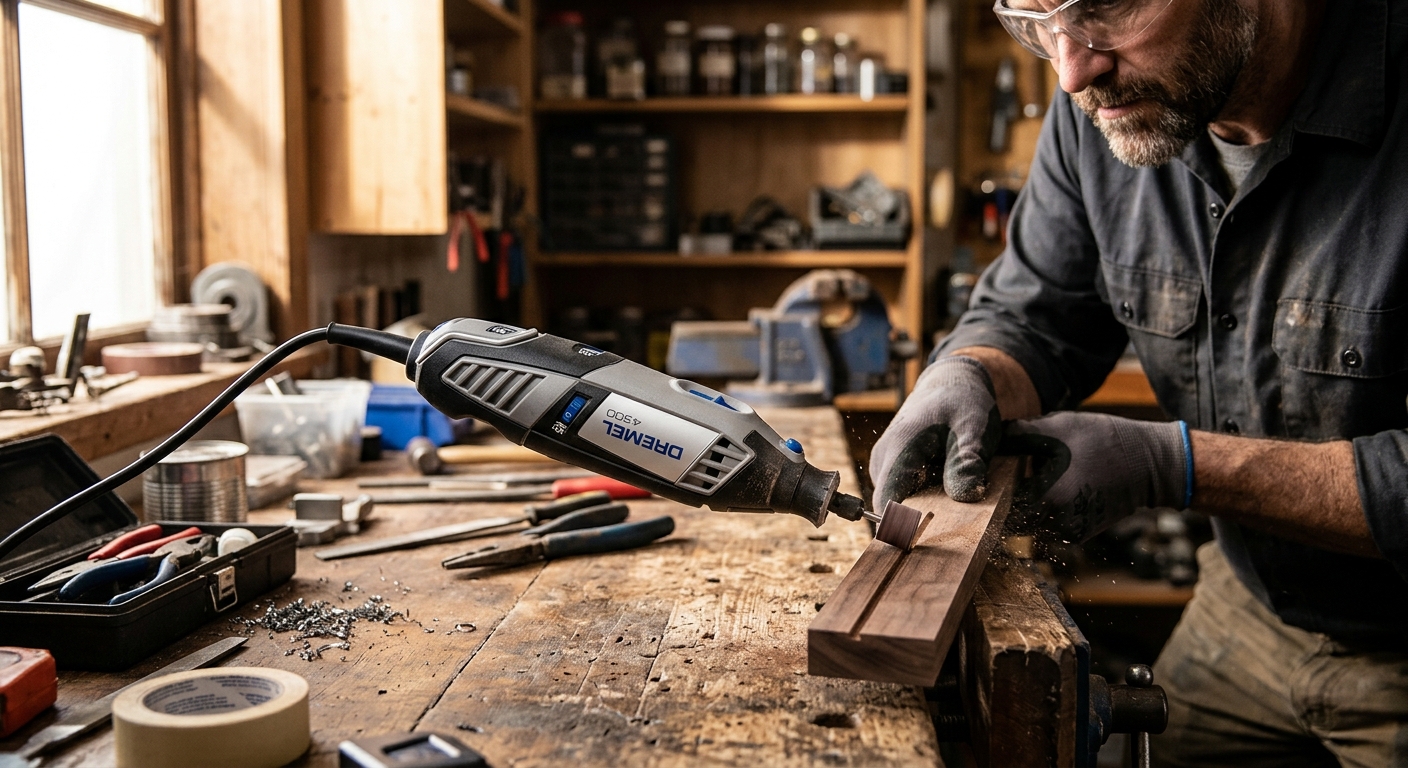
The Dremel 4300 is the best all-around rotary tool for DIYers and serious hobbyists. Its 1.8-amp motor, 5,000–35,000 RPM variable speed, and EZ Change tool-free accessory swap system (using a universal collet that accepts 1/8″ and 3/32″ shank accessories without collet change) make it the most versatile tool in the lineup. The 3-jaw chuck – a first for Dremel at this level – eliminates the collet system entirely for even faster bit changes.
At $99–$119 (tool only) or $129–$149 as a kit with case and accessories, it’s the right buy for anyone who wants the full Dremel capability. Pairs well with the Dremel 225 Flex Shaft attachment for extended precision work.
- Pros: Universal collet accepts multiple bit sizes, 3-jaw chuck option, variable speed, widest accessory compatibility
- Cons: No cordless option in this model, plastic body feels slightly less premium than its price
- Price range: $99–$149
2. Dremel 8260 – Best Cordless Rotary Tool
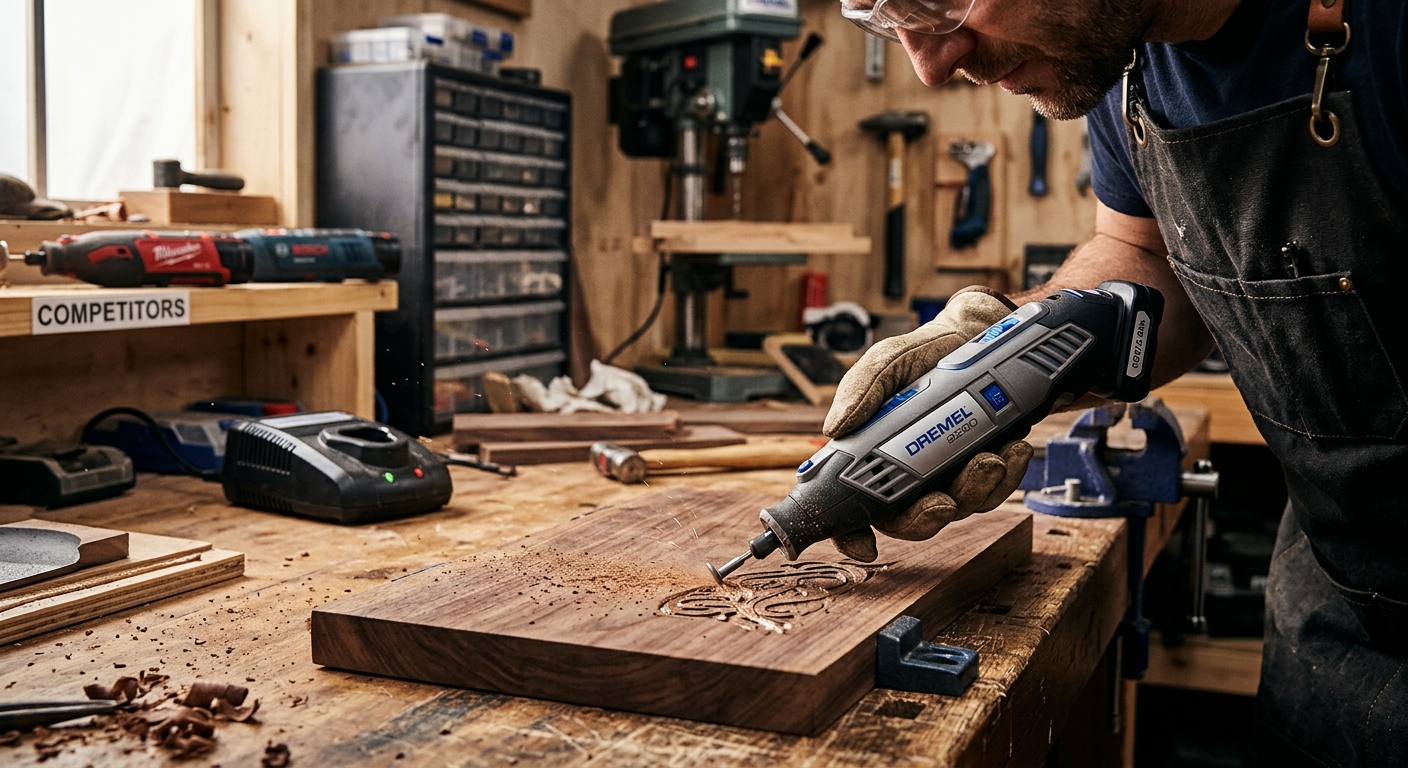
Dremel’s 12V lithium cordless rotary tool is the first cordless rotary that serious users have adopted. Its brushless motor maintains speed under load better than previous cordless models, the 5,000–35,000 RPM range matches corded performance, and the micro USB charging port (also charges via the included 12V charger) adds convenience. Battery life runs to approximately 45–60 minutes of active use. For engraving, jewelry work, and wood burning where cord management is annoying, the 8260 is a genuine upgrade.
- Pros: Brushless motor for consistent speed, cordless freedom, USB charging, full speed range
- Cons: 45–60 minute runtime, higher price ($149–$179), battery not interchangeable with other tools
- Price range: $149–$179
3. Dremel 3000 – Best Budget Corded
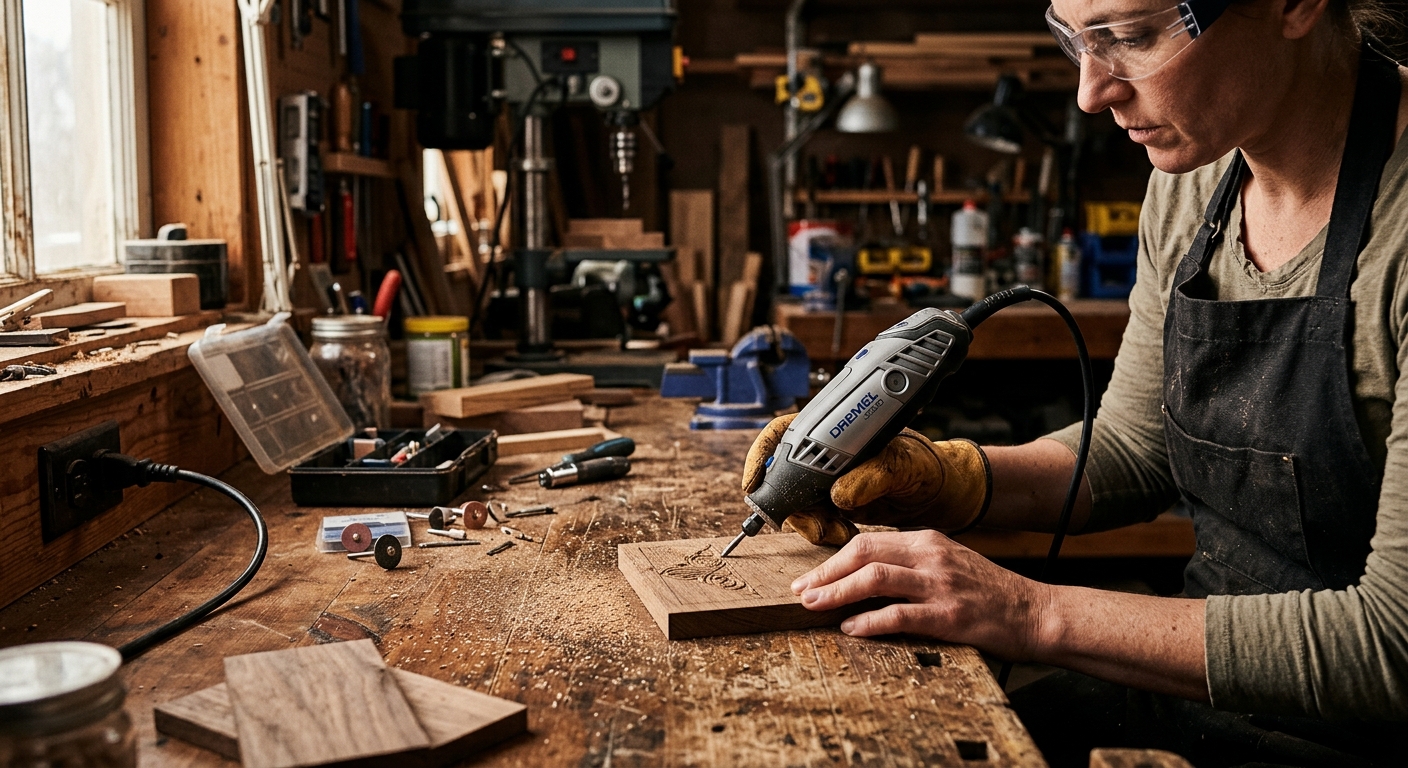
The Dremel 3000 at $39–$59 is the most recommended starter rotary tool. Its 1.2-amp motor, 5,000–32,000 RPM variable speed, and full Dremel accessory compatibility give you 80% of the 4300’s capability at half the price. The EZ Twist nose cap simplifies bit changes. For beginners exploring rotary tool use and those who need a rotary tool occasionally, this is the sensible starting point.
- Pros: Most affordable full-featured Dremel, full accessory compatibility, variable speed, good starter tool
- Cons:’> Slightly less powerful motor than 4300, collet change still required for different shank sizes
- Price range: $39–$59
4. Makita XTR01Z – Best Cordless Non-Dremel
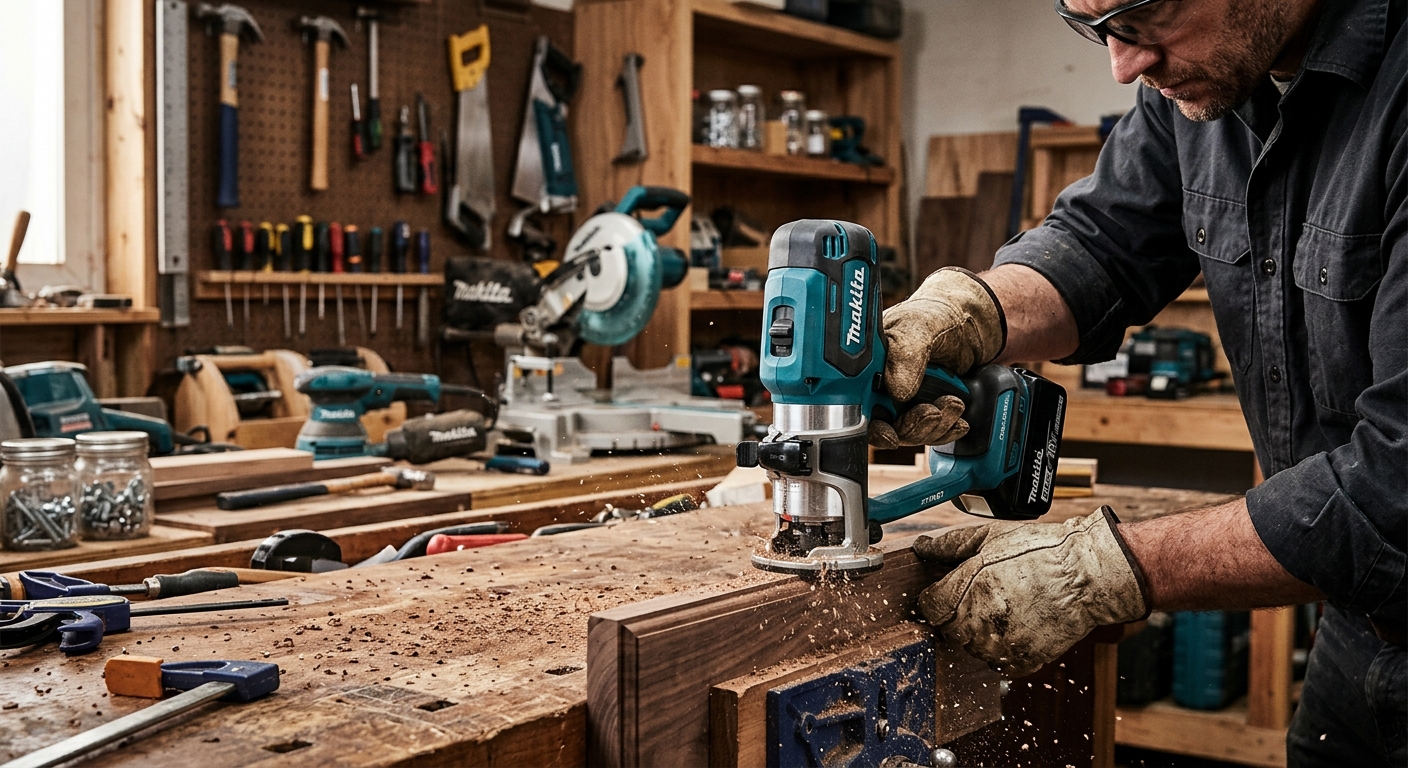
Makita’s 18V LXT cordless rotary tool at $99–$119 (tool only) is the only battery-platform rotary tool that integrates with a major tool ecosystem. For Makita LXT users, being able to use the same batteries across their tool collection is a real advantage. The variable speed (10,000–30,000 RPM), brushless motor, and die-grinder style collet accept standard 1/8″ and 1/4″ accessories. It’s heavier and larger than Dremel-style tools but significantly more powerful for aggressive grinding and cutting work.
- Pros: LXT battery compatible, brushless motor, more powerful than Dremel-class tools, accepts 1/4-inch accessories
- Cons: Larger and heavier – not ideal for fine precision work, more die grinder than precision rotary tool
- Price range: $99–$119 (tool only)
5. Wen 2305 – Best Budget Non-Dremel
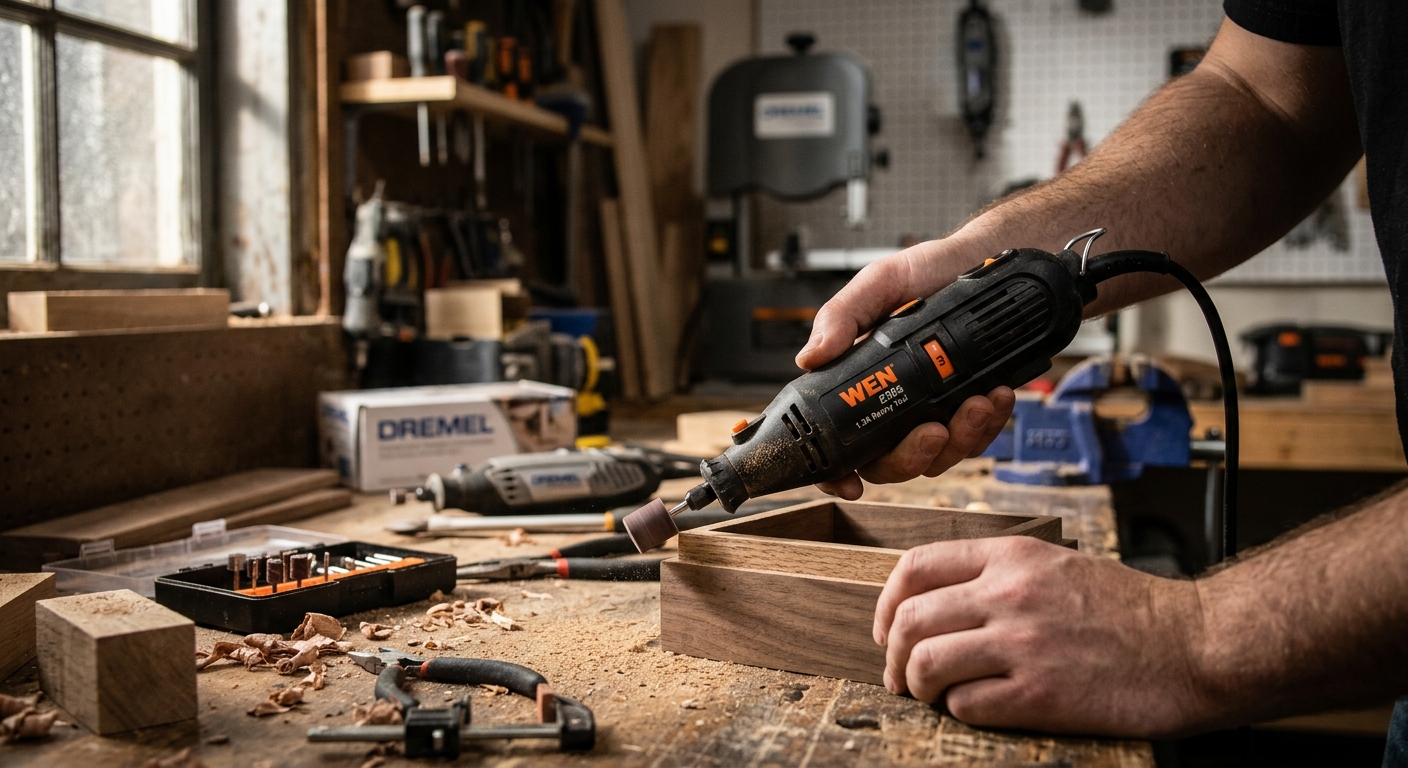
WEN’s rotary tool at $19–$29 is the absolute budget entry point. It includes 80 accessories, a case, and variable speed from 8,000–30,000 RPM. Performance is noticeably less smooth than Dremel tools, and the motor is less consistent under load, but for light hobby work – engraving, model sanding, small cutting tasks – it functions adequately at a price that makes experimentation low-risk.
- Pros: Extremely low price, 80 accessories included, adequate for very light hobby use
- Cons: Motor inconsistency under load, less precise speed control, not for sustained use
- Price range: $19–$29
FAQ
Can a rotary tool replace a Dremel-specific brand?
“Dremel” has become the generic term for rotary tools – similar to “Band-Aid” or “Kleenex.” Non-Dremel brands make rotary tools that use the same 1/8″ shank accessories, so the accessory ecosystem is mostly interchangeable. The Dremel brand’s advantage is in quality control, motor consistency, and the breadth of specialty accessories designed specifically for Dremel collet systems.
What’s a flex shaft, and do I need one?
A flex shaft attachment (Dremel 225 or 575) replaces the body of the rotary tool with a thin flexible cable and small handpiece – the motor stays stationary while you move just the handpiece. This dramatically improves control for fine carving, jewelry, and engraving work where the full motor body is too heavy and bulky to maneuver precisely. Highly recommended for anyone doing carving or detailed work more than occasionally.
What RPM should I use for cutting metal?
For cutting thin sheet metal with a fiberglass-reinforced cutting disc (Dremel 420 or 409), use 15,000–20,000 RPM. Higher speeds can cause the disc to shatter; lower speeds cause the disc to catch and drag. Always wear full face protection when cutting metal with a rotary tool – thin cutting discs can shatter without warning.
Bottom Line
The Dremel 4300 is the best all-around rotary tool for anyone who wants the full capability of the accessory ecosystem and the universal collet for maximum bit compatibility. Beginners who want to test the category should start with the Dremel 3000 at half the price. Cordless advocates who want platform battery integration should consider the Makita XTR01Z as a more powerful alternative to the Dremel 8260. WEN’s budget option is for experimentation only – not for sustained work.
Affiliate Disclosure: DIY Arsenal participates in the Amazon Associates Program and other affiliate programs. When you purchase through links on this site, we may earn a small commission at no additional cost to you. We only recommend products we have personally tested and genuinely believe in.