Best Panel Schedulers and Circuit Labeling Kits
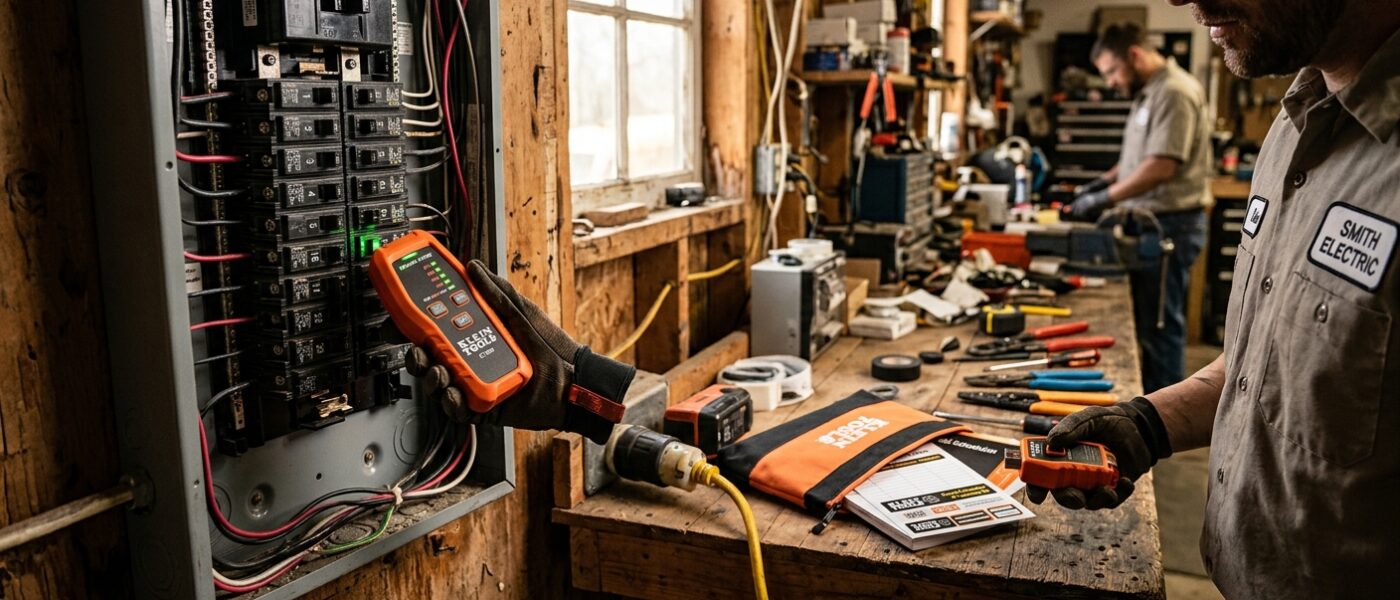
A Klein circuit breaker finder plus durable printed labels transforms an unidentified panel into a documented safety asset. Complete the full panel schedule once and maintain it with every future change.
As an Amazon Associate, we earn from qualifying purchases.
Know What Every Breaker Controls Before You Need To
An unlabeled or incorrectly labeled electrical panel is both a safety issue and a practical frustration. In an emergency, you shouldn’t be cycling breakers to find the right circuit. During any electrical work, an incorrect label causes you to work on a live circuit believing it’s off – a genuinely dangerous situation. Accurate panel schedules and clear circuit labels are basic home safety documentation that every homeowner should complete and maintain. The tools to do it right are simple and inexpensive.
Key Features to Look For
- Circuit tracer accuracy: A good circuit breaker finder uses a transmitter plugged into the outlet and a receiver held to breakers to identify the correct circuit without trial-and-error. Quality tracers are accurate on the first or second pass; cheap ones require multiple attempts and sometimes misidentify circuits on the same phase.
- Label legibility and durability: Handwritten labels on paper strips deteriorate within years from moisture and heat in panel environments. Printed labels on weatherproof polyester or vinyl stock remain legible for decades. Label printers with custom panel directory templates are the professional approach.
- Panel directory format: Most panels accept a standard 1″ x 3/8″ circuit label format, but check your specific panel door card before printing. Some panels use custom directory cards available from the manufacturer; others accept generic label stock cut to size.
- Complete circuit map documentation: Beyond the panel label, a room-by-room circuit map showing which outlets and fixtures are on each circuit is valuable for planning future work and for troubleshooting. Digital formats (a photo of the map, a smartphone app) are more maintainable than paper.
- Tone generator quality: For tracing circuits that don’t have accessible outlets (wire runs inside walls or conduit), a toner and probe set is the right tool. The quality of the tone signal and probe sensitivity determines how accurately you can trace wire paths without destructive investigation.
Top Picks
Klein Tools ET300 Circuit Breaker Finder
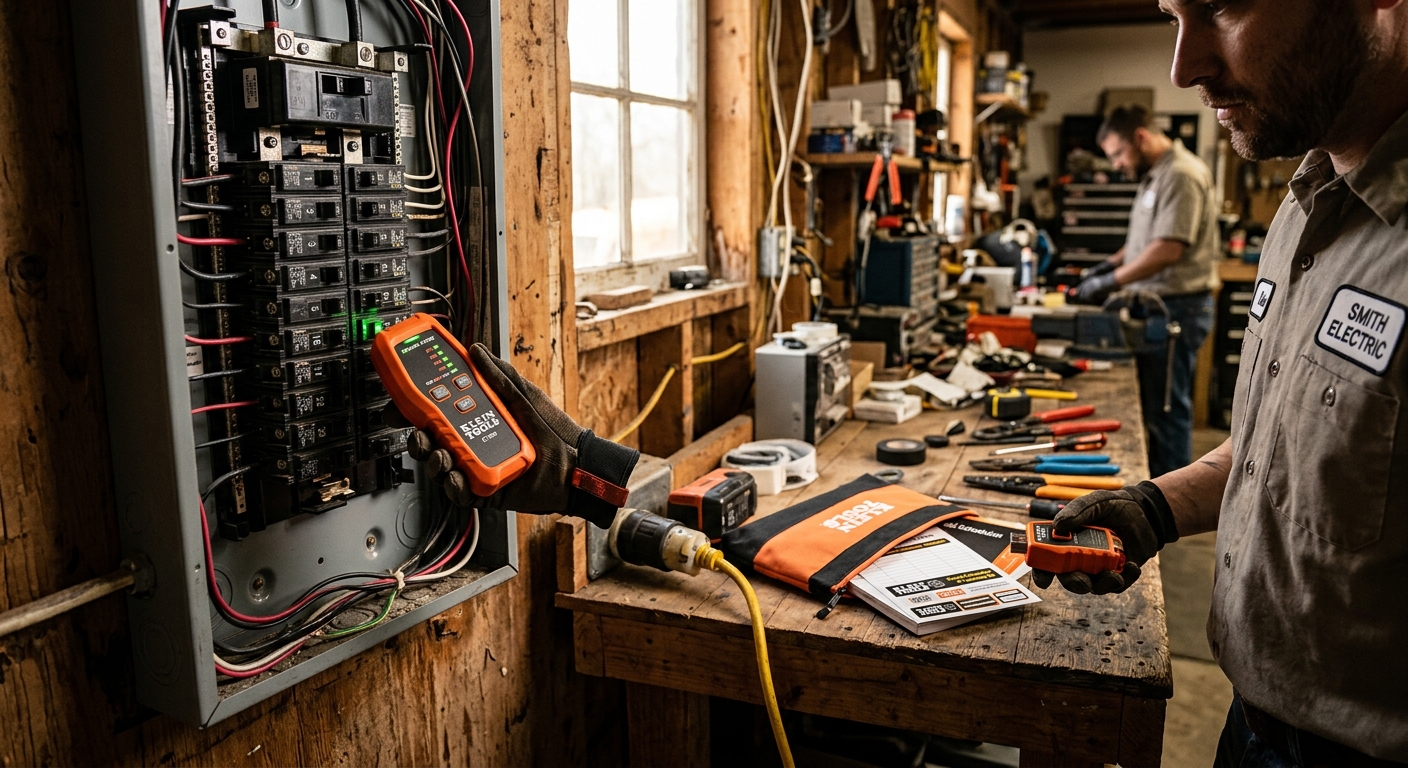
Klein’s circuit breaker finder is the standard residential circuit tracing tool – the transmitter plugs into any outlet and the receiver identifies the correct breaker in the panel within seconds. Works on 120V circuits with accuracy that outperforms cheaper alternatives. The LED and audible indication on the receiver is clear even in bright workshop environments. A necessary tool for any panel scheduling project and for any future electrical work where circuit identification matters.
Brady BMP21-PLUS Label Printer with Electrical Presets
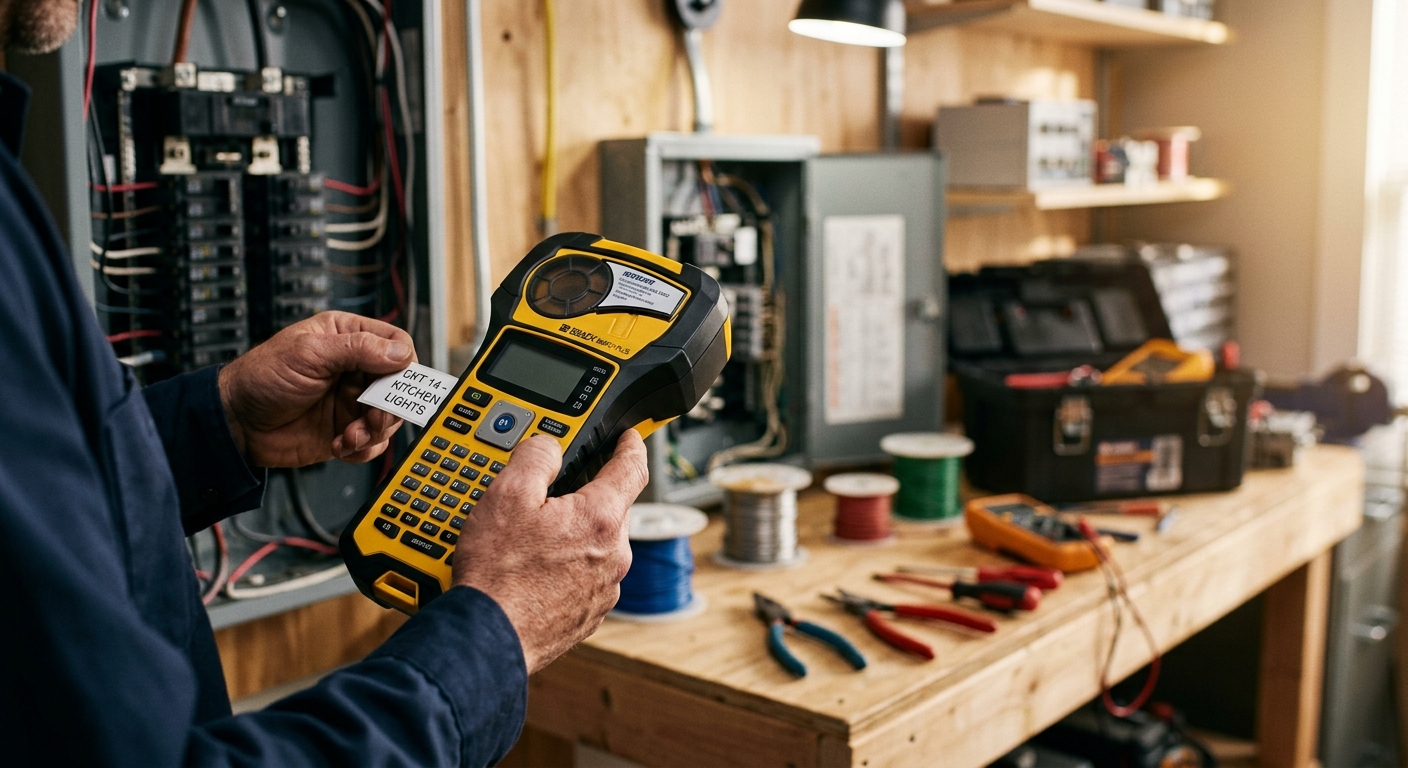
Brady’s hand-held label printer includes electrical panel label templates, appropriate font sizes, and weatherproof label stock rated for the panel environment. The presets cover standard panel directory formats and breaker labels. Printed labels last significantly longer than handwritten ones and produce a result that looks professional rather than afterthought. If you’re labeling one panel, the investment is marginal; if you maintain multiple properties, it pays back quickly.
GE Breaker Finder and Circuit Tracer Kit
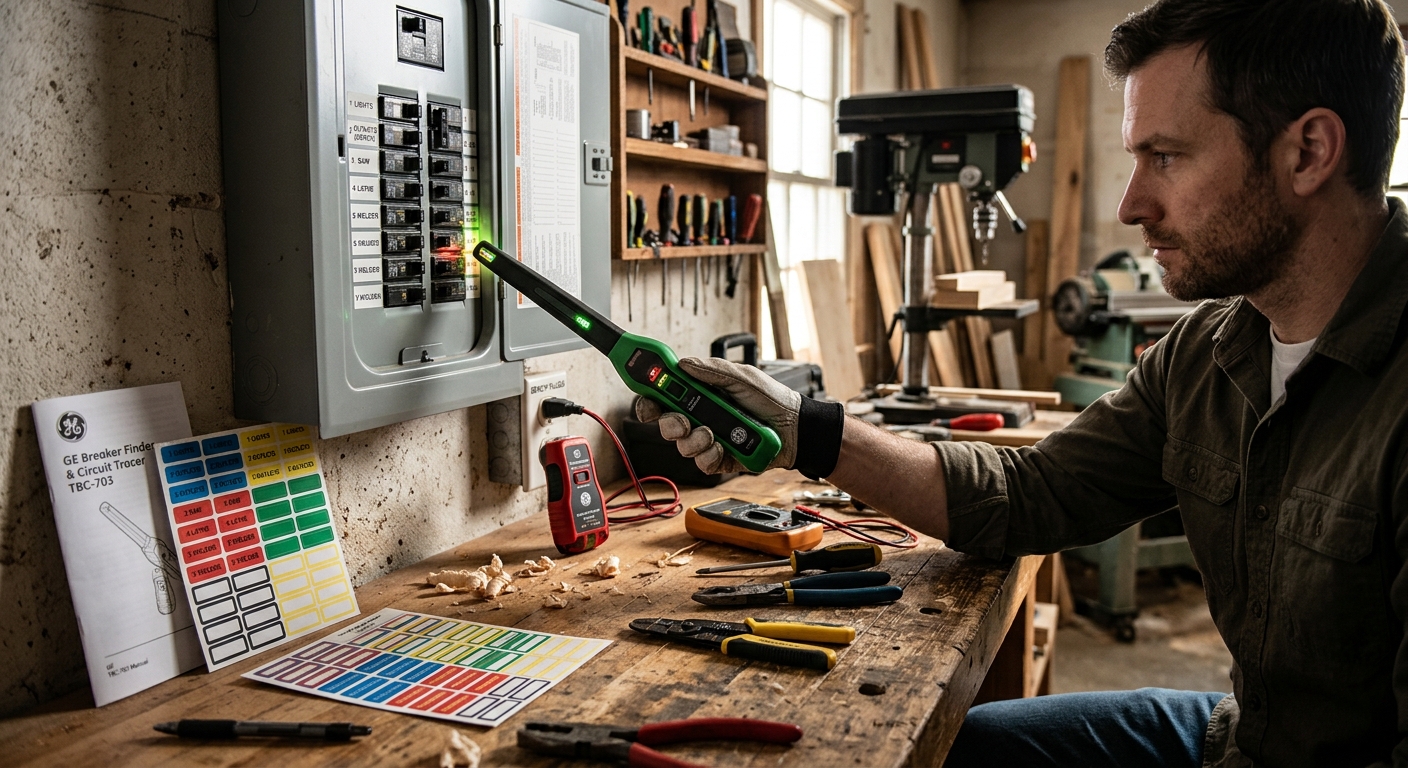
A value option that includes both a circuit breaker finder and a basic wire tracer – the tracer function identifies wire paths in walls and conduit without requiring an accessible outlet at both ends. The breaker finder function works reliably on 120V circuits, though the wire tracing sensitivity is somewhat below professional-grade. A good all-in-one kit for homeowners who want both capabilities without buying separate tools for each function.
Avery Circuit Breaker Label Kit
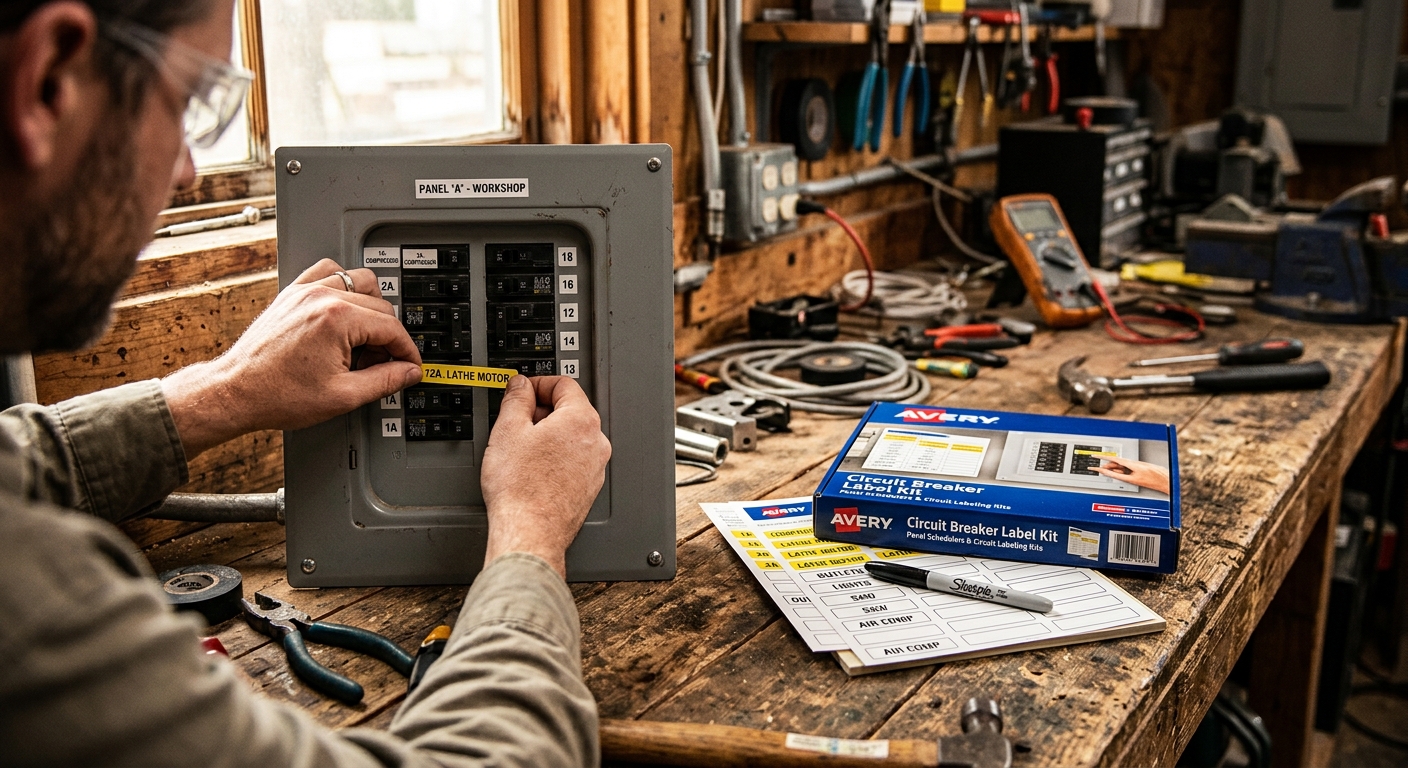
A simple, printed label set for homeowners who want organized panel directories without a label printer. The kit includes adhesive-backed labels for standard breaker positions, a panel directory card, and room-by-room assignment template. No special equipment required – fill in the circuit descriptions, apply the labels, and file the directory card. A low-tech but functional solution for panels where print quality is less important than completion.
Frequently Asked Questions
How do I accurately identify every circuit in my panel?
The systematic approach: plug the circuit tracer transmitter into an outlet, identify the circuit breaker, label both the breaker and a physical map of that outlet’s location, then repeat for every outlet and switch in the house. Working room by room reduces missed circuits. Ceiling fixtures without accessible switch legs at outlets require using a lamp plugged into the fixture socket (via adapter) to create a load the tracer can detect.
What should I include in a circuit label description?
Be specific about location and load type: “Kitchen North Counter” is more useful than “Kitchen.” Include any major load specifics: “Kitchen Refrigerator” or “Master Bath GFCI.” For 240V circuits, note the appliance: “Dryer,” “Range,” “Water Heater.” Labels that are too generic get ignored when it matters – “Misc.” is essentially useless information on a breaker label.
How often should I update my panel schedule?
Whenever any electrical changes are made – adding circuits, changing load assignments, adding subpanels, or modifying existing circuits. Keeping the panel schedule current requires discipline but prevents the situation where the schedule you created five years ago no longer reflects the actual panel configuration. Date your panel schedule and note what was changed during each update.
Affiliate Disclosure: DIY Arsenal participates in the Amazon Associates Program and other affiliate programs. When you purchase through links on this site, we may earn a small commission at no additional cost to you. We only recommend products we have personally tested and genuinely believe in.