Best AFCI and GFCI Breakers for Home Safety Upgrades
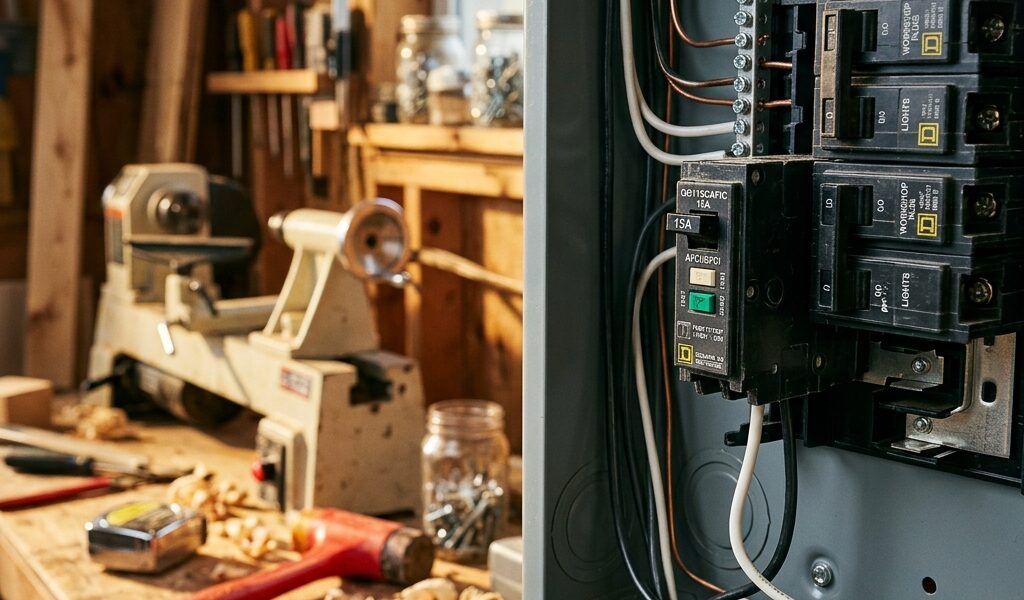
Combination AFCI/GFCI breakers matched to your panel brand are the highest-value electrical safety upgrade for older homes. Verify panel compatibility before purchasing and always confirm circuits are dead before working in the panel.
As an Amazon Associate, we earn from qualifying purchases.
Arc Fault and Ground Fault Protection: What Every Homeowner Needs to Know
AFCI (Arc Fault Circuit Interrupter) and GFCI (Ground Fault Circuit Interrupter) breakers protect against two distinct and deadly electrical hazards. GFCIs protect people from shock by detecting current leaking to ground – the condition present when you contact a live conductor. AFCIs protect structures from electrical fires by detecting the arcing that occurs in damaged wiring or loose connections before it ignites insulation. Modern building codes require both in most areas, and upgrading an older panel is one of the highest-value home safety improvements available to DIY-capable homeowners.
Key Features to Look For
- Breaker compatibility: AFCI and GFCI breakers are panel-brand specific – a Siemens breaker won’t work in a Square D panel, and vice versa. Confirm your panel manufacturer and series before purchasing. Main brands include Square D QO, Leviton, Siemens, Eaton BR/CH, and Murray. Check compatibility lists carefully.
- Combination AFCI/GFCI (CAFI) breakers: Combination breakers provide both arc fault and ground fault protection in a single breaker – required by current NEC in bedrooms, living rooms, kitchens, and most other habitable spaces. The added cost over single-function breakers is typically $10-$20 and eliminates the need for separate receptacle-level GFCI protection on most circuits.
- Amperage matching: AFCI and GFCI breakers must match the circuit’s wire gauge – 15A for 14 AWG, 20A for 12 AWG. Installing a 20A breaker on 14 AWG wire is a code violation and a fire hazard. Verify existing wire gauge before ordering replacement breakers.
- Nuisance tripping behavior: Some AFCI breakers are more sensitive than others and trip on normal arcing from motor loads (vacuum cleaners, older refrigerators). Brand-specific sensitivity varies – read reviews for your specific panel brand combination before purchasing large quantities.
- Self-test function: Quality AFCI and GFCI breakers include a self-test LED that confirms protection is active. Monthly testing using the built-in test button verifies both the test function and the reset mechanism.
Top Picks
Square D QO115CAFIC Combination AFCI/GFCI Breaker
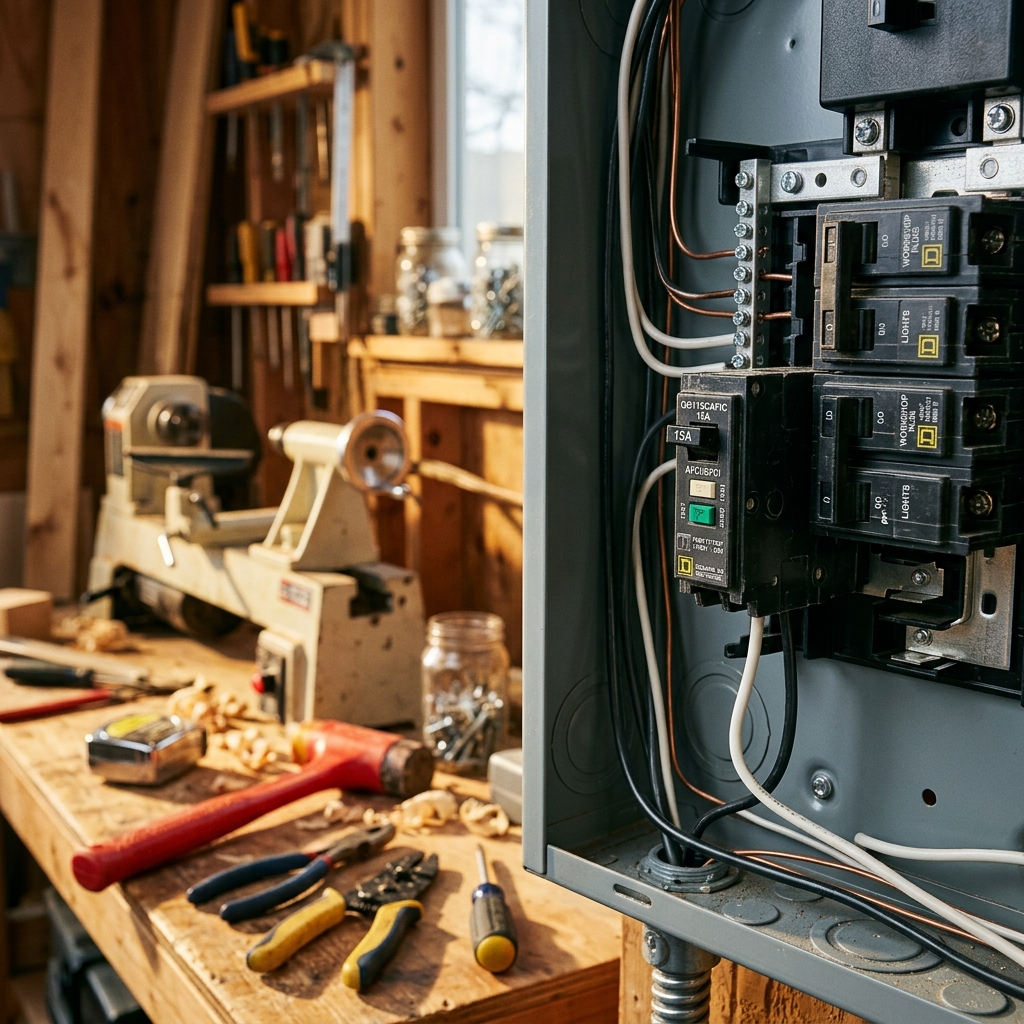
Square D’s QO series Combination AFCI/GFCI breaker is the standard recommendation for Square D QO panels – the most common residential panel brand in North America. The breaker provides both arc fault and ground fault protection, includes a self-test LED, and has a solid reputation for low nuisance tripping rates in normal residential applications. Install these in bedrooms, living rooms, and kitchen branch circuits to bring an older home up to current NEC 2020 requirements.
Siemens QF115 GFCI Circuit Breaker
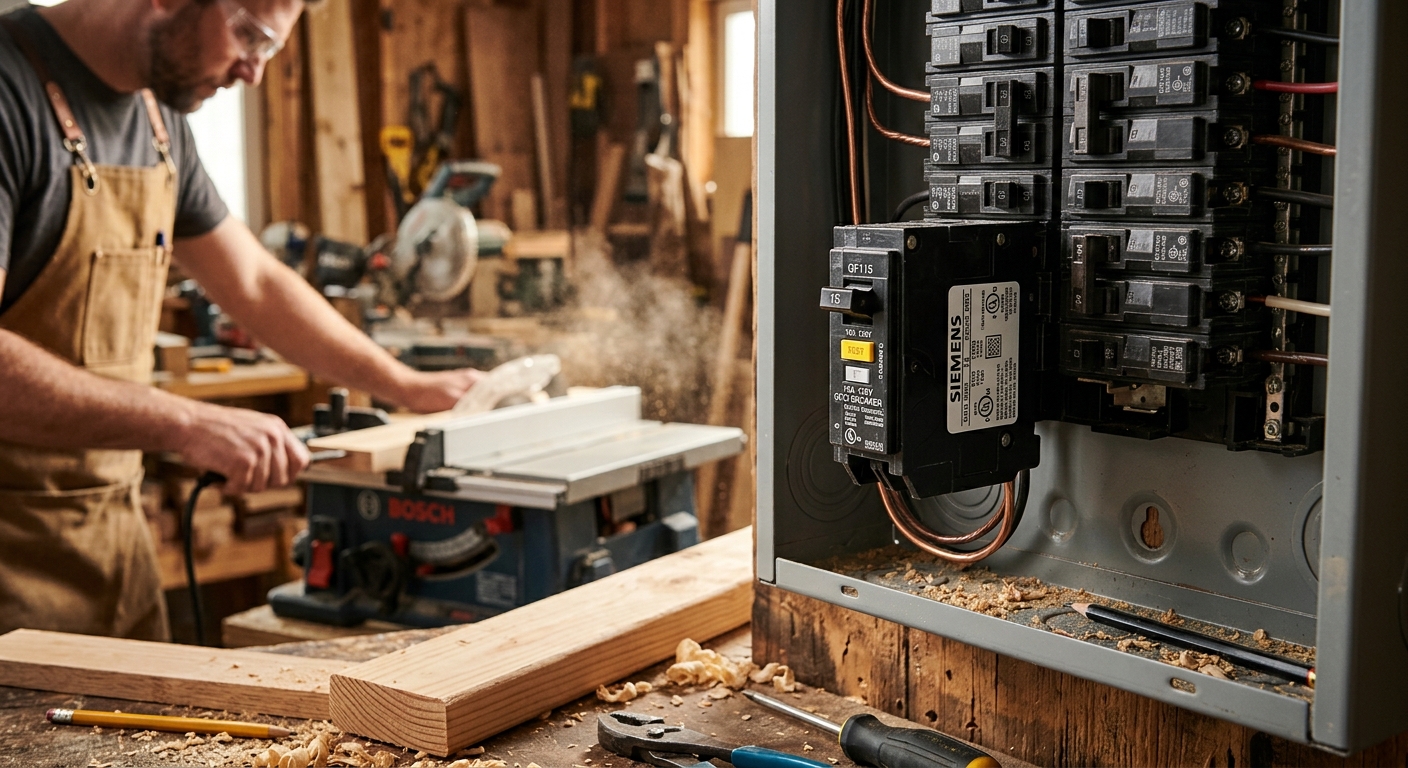
Siemens’ ground-fault-only breaker for protecting garage, bathroom, outdoor, and unfinished basement circuits in Siemens and Murray panels. The self-test feature runs automatically and the indicator light confirms protection status. For circuits where AFCI protection isn’t required (specific outdoor and wet location circuits), a GFCI-only breaker at a lower price point than combination units is the appropriate choice.
Leviton EVPAF1-1 AFCI/GFCI Combination Breaker
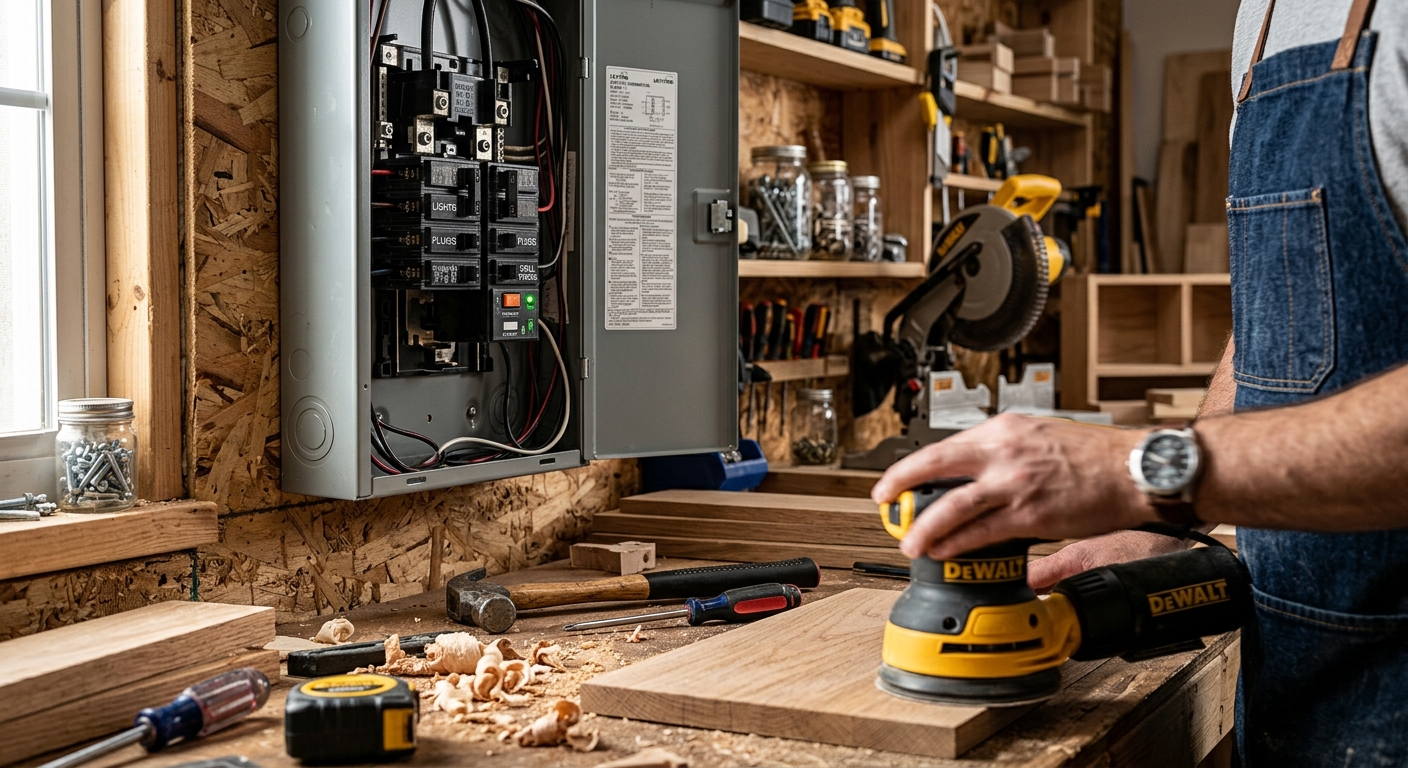
Leviton’s combination breaker is compatible with Square D, Siemens, and select other panels – a cross-brand option for installers working with multiple panel types. The self-testing function runs diagnostics automatically and the trip indicator shows whether the breaker tripped on AFCI, GFCI, or overload grounds – useful troubleshooting information that single-function status LEDs don’t provide.
Eaton CHCAF115 Combination AFCI Breaker
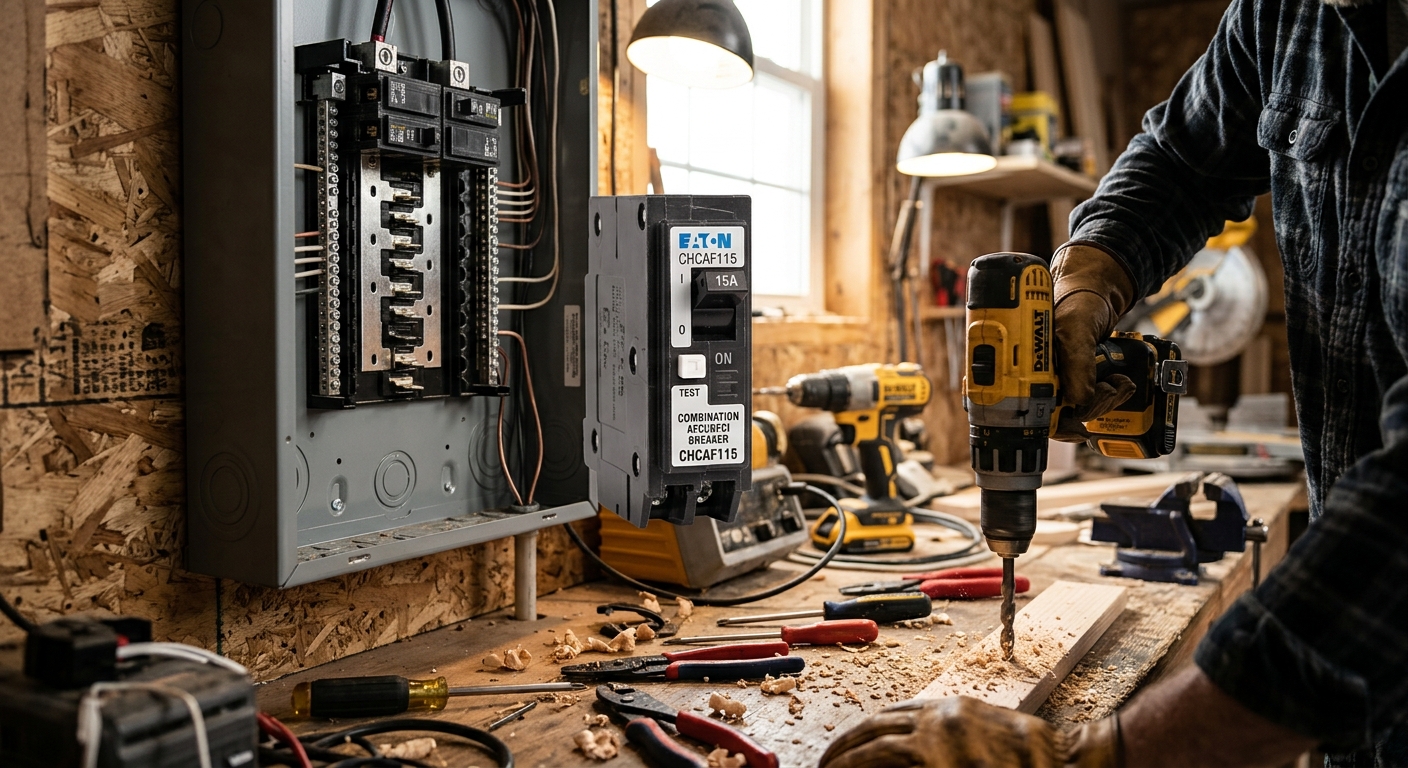
Eaton’s CH-series combination AFCI for CH and CHQ panels. The Eaton CHF and CHCAF lines are well-regarded for low nuisance trip rates on motor loads – particularly useful in older homes with mixed loads on circuits that serve both lighting and small appliances. A reliable choice for Eaton panel owners who’ve experienced nuisance tripping issues with generic AFCI breakers.
Frequently Asked Questions
Do I need an electrician to install AFCI breakers?
Homeowners in most jurisdictions are legally permitted to replace circuit breakers in their own homes. The critical safety steps are: confirming the main breaker is off before touching any wiring, verifying voltage is dead with a non-contact tester before touching the wiring, and following the manufacturer’s wiring diagram for the neutral and load wire connections (AFCI/GFCI breakers have separate neutral connections that standard breakers don’t). If you’re uncomfortable working in a live panel, hire an electrician – this is not a task to rush.
My AFCI breaker trips immediately when I reset it – what’s wrong?
An immediate re-trip on reset almost always indicates an active arc fault condition on the circuit – a real problem, not a nuisance trip. Unplug all devices on the circuit and try resetting again. If it holds with nothing connected, start reconnecting devices one at a time to identify the faulty load. If it trips with nothing connected, the wiring itself has an arc condition – damaged insulation, loose connection at a junction box, or damaged outlet wiring.
Can AFCI breakers be installed on aluminum wiring?
Yes, with caveats. Aluminum wiring requires anti-oxidant compound at all connections and CO/ALR rated devices at all termination points. AFCI breakers terminate only at the breaker lugs where aluminum connections are standard – but the downstream aluminum wiring connections at outlets and switches must all be properly treated. Aluminum wiring in older homes is a specialized topic – consult an electrician familiar with aluminum wiring remediation before relying on AFCI alone for safety.
Affiliate Disclosure: DIY Arsenal participates in the Amazon Associates Program and other affiliate programs. When you purchase through links on this site, we may earn a small commission at no additional cost to you. We only recommend products we have personally tested and genuinely believe in.