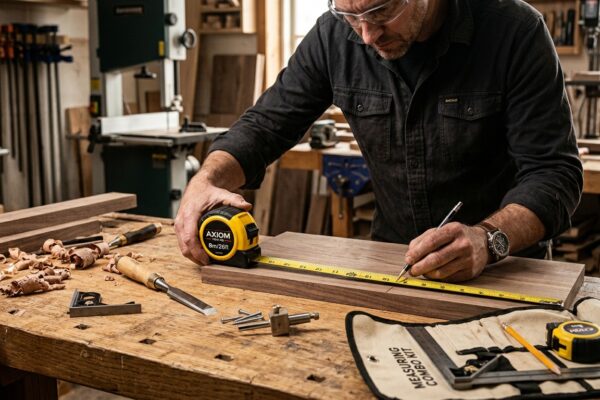
Best Tape Measures – Durability, Accuracy, Width Compared
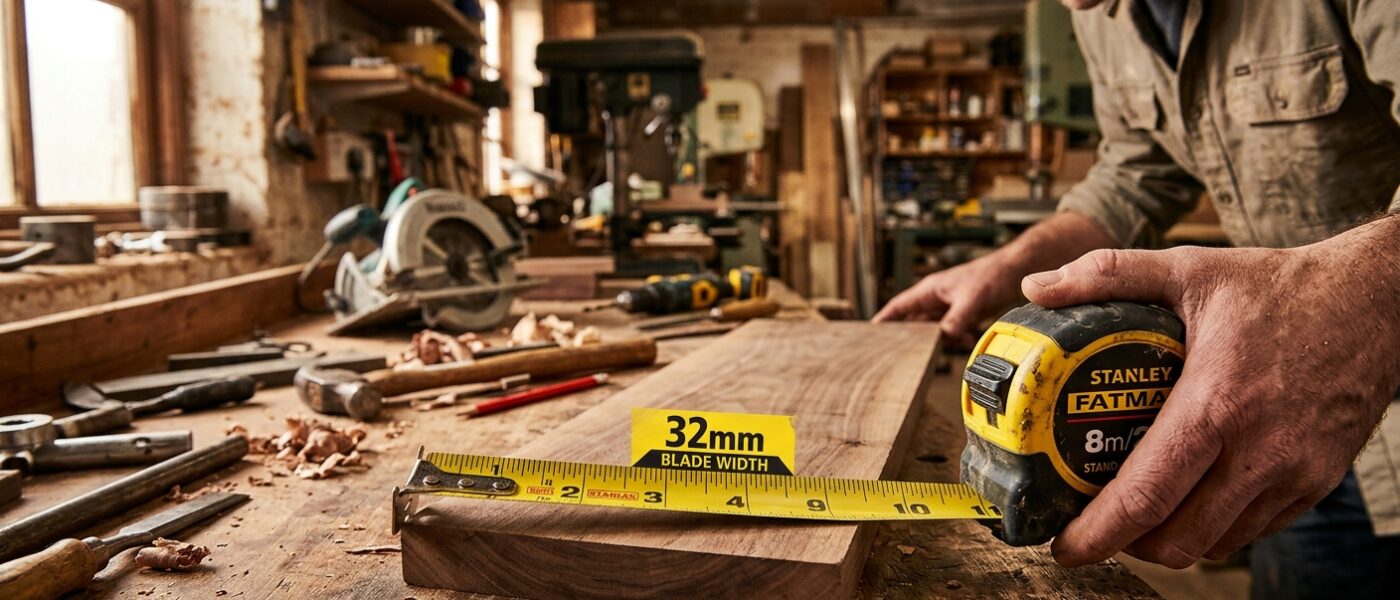
The Milwaukee 48-22-7125 is the best tape measure on the market for serious DIYers and tradespeople; the Stanley FatMax remains an excellent second choice at a lower price.
As an Amazon Associate, we earn from qualifying purchases.
A tape measure is the one tool that every DIYer, homeowner, and professional tradesperson carries. But not all tape measures are created equal. The difference between a $5 tape and a $35 tape shows up in blade width (which determines how far it extends without collapsing), durability of the hook, accuracy of the graduations, and how long the casing survives being dropped on concrete. This guide covers what to look for and which tapes earn a permanent spot on your belt.
What Makes a Tape Measure Great?
Blade Width and Stand-Out
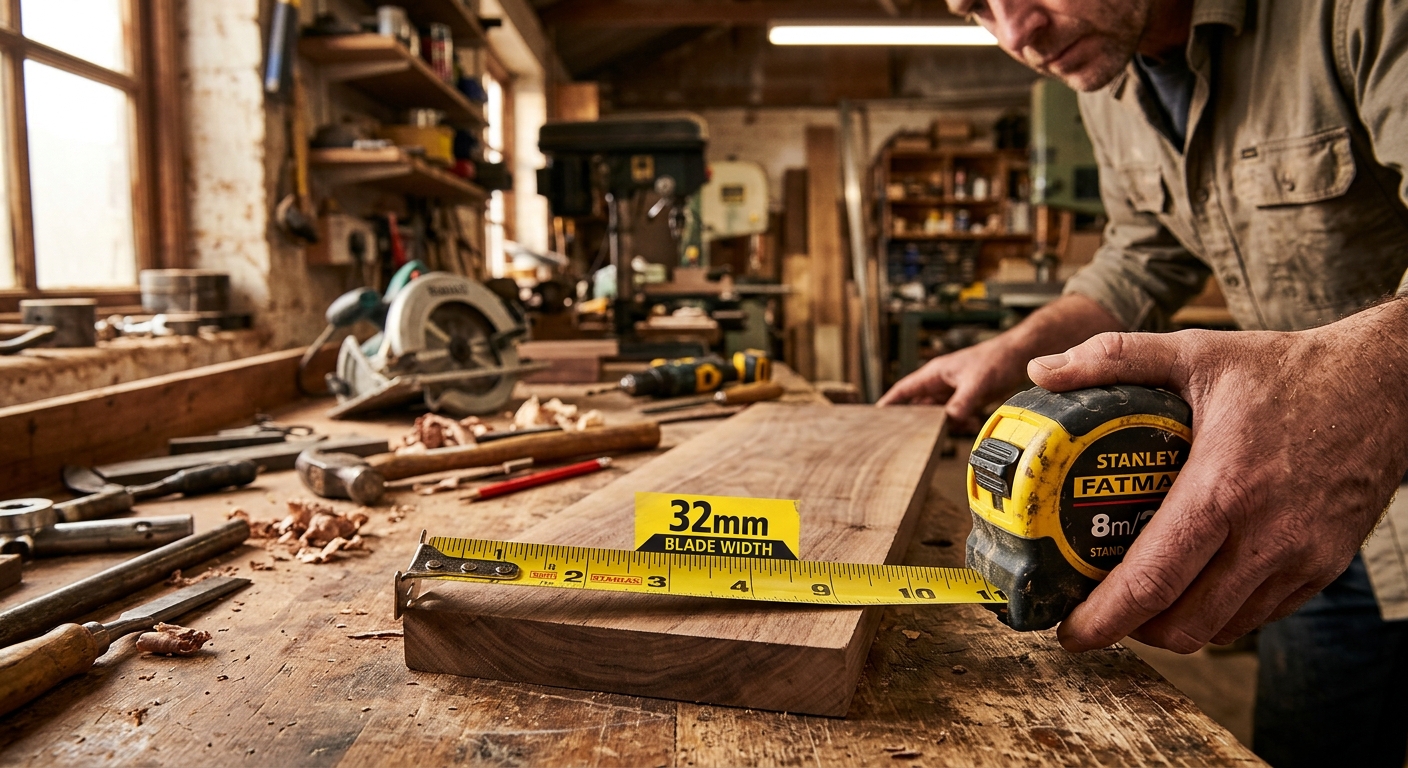
A narrow blade (3/4 inch) collapses after 5 or 6 feet, requiring a helper for longer measurements. A 1-inch blade stands out 8 to 10 feet; a 1-1/4-inch blade can span 11 to 13 feet unsupported. For solo measuring, go wide.
Hook Play
The hook at the end of a quality tape measure has exactly the right amount of play – it slides in and out by the thickness of the hook itself. This compensates for whether you are hooking the hook over an edge (inside measurement) or butting it against a surface (outside measurement). Cheap hooks are riveted tightly and introduce error in one direction or the other.
Blade Coating
Nylon or polyester coatings protect the printed graduations and extend blade life dramatically. Uncoated steel blades corrode, and the markings wear off at the points you use most.
Length
25 feet covers most home renovation tasks. 35-foot tapes are useful for exterior work and measuring rooms. 16-foot tapes are compact for everyday carry but limiting on larger projects.
Case Durability
High-impact thermoplastic or rubberized over-mold casing survives repeated drops. Thin plastic cases crack after a season of job-site use.
Lock Mechanism
A positive-locking blade hold is essential for one-handed use. The best locks engage firmly with a thumb slide and release cleanly without sticking.
Our Top Picks
1. Milwaukee 48-22-7125 (25-Foot, 1-1/4-Inch)
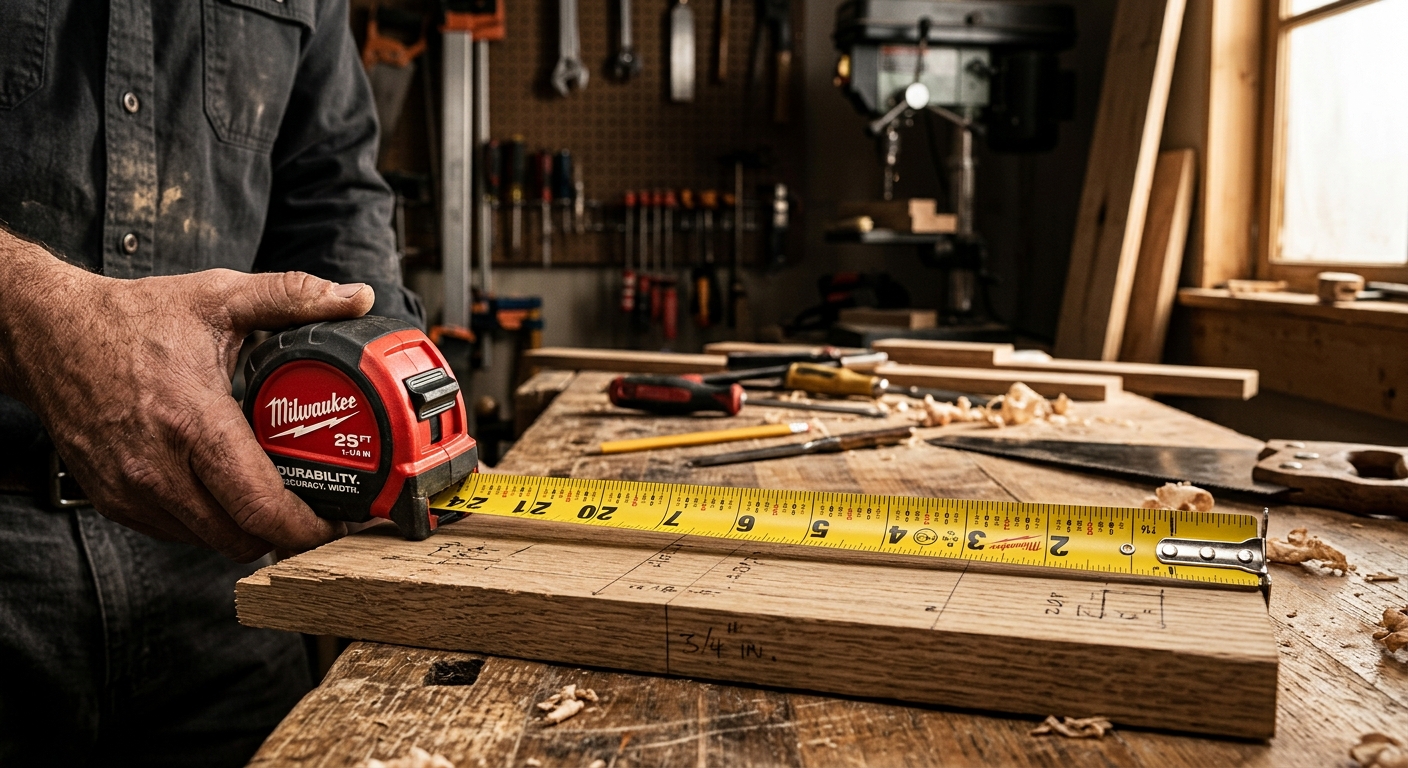
The current king of the job-site tape measure. The 1-1/4-inch wide blade stands out over 11 feet, the overmold case has survived drop tests that destroy most competitors, and the hook is riveted with just the right amount of float. Dual-sided printing with stud markings every 16 inches makes layout work faster. A genuine upgrade from anything else in this price range.
2. Stanley FatMax 33-725 (25-Foot)
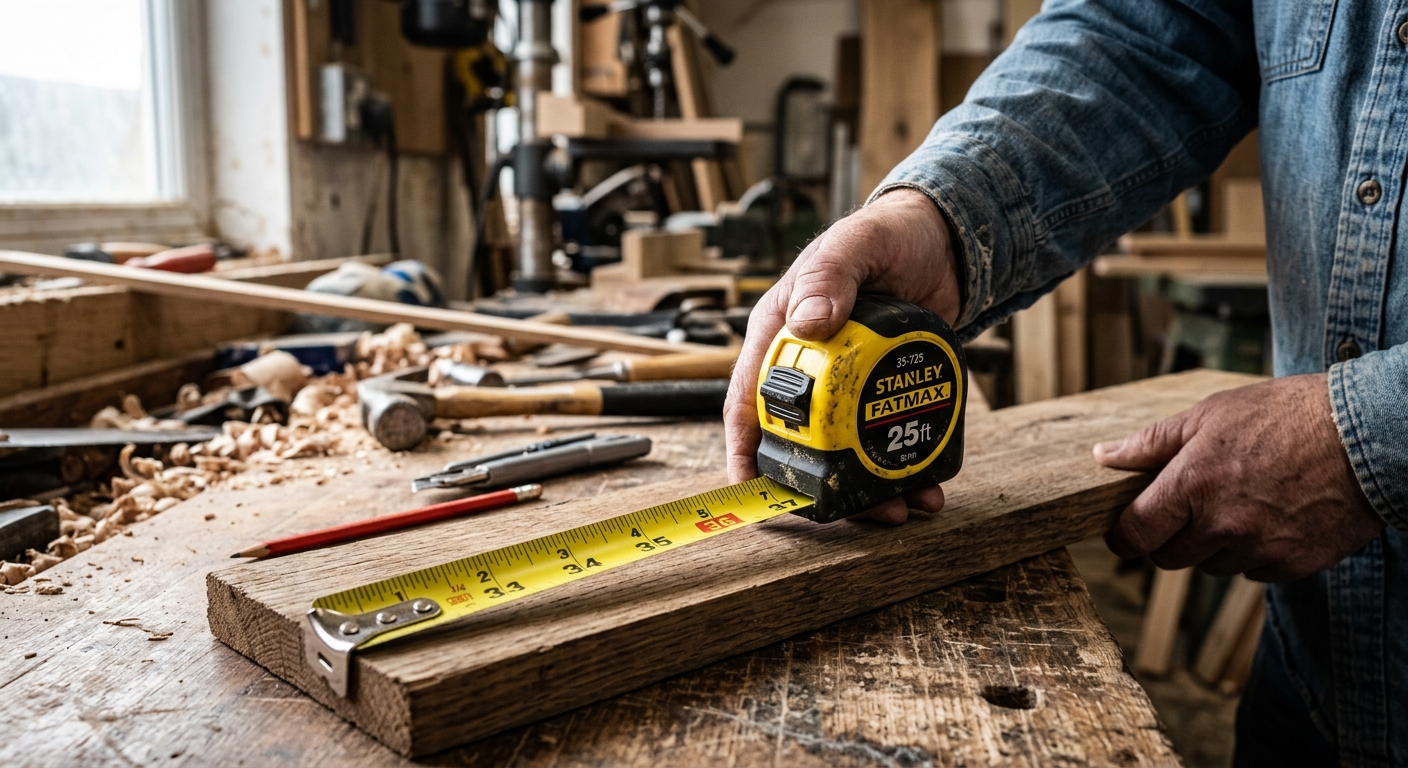
The tape that defined the wide-blade category. The FatMax uses a BladeArmor coating for exceptional durability and stands out 11 feet with its 1-1/4-inch blade. Slightly heavier than the Milwaukee, but still a top-tier choice and often available at a lower price.
3. DeWalt DWHT36225S (25-Foot)
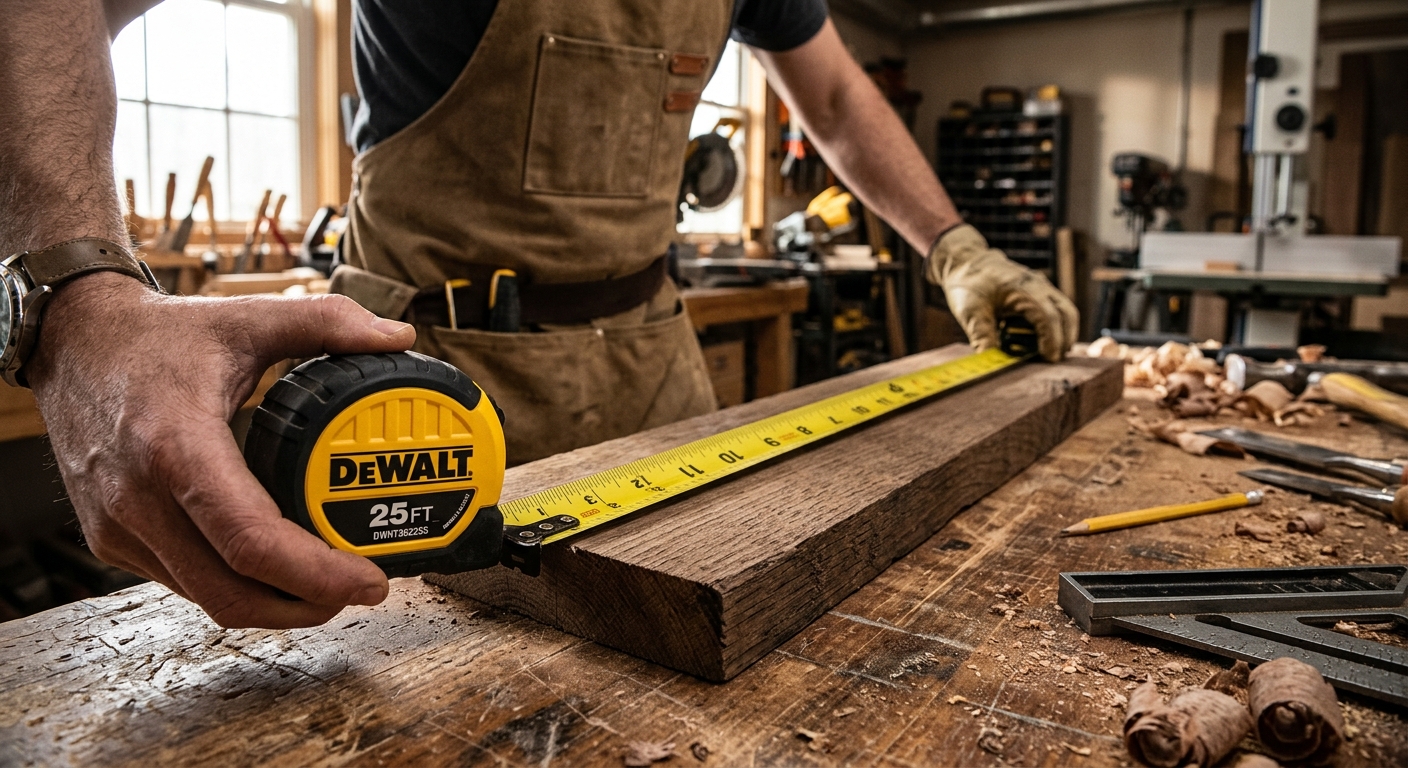
DeWalt’s tape measure line has improved significantly. The DWHT36225S features a 1-1/8-inch blade with 10-foot stand-out, a rubber over-mold grip, and a powerful magnetic hook for hands-free measuring on metal surfaces. Excellent for framing and metalwork.
4. Komelon SL2825 Self-Lock (25-Foot)
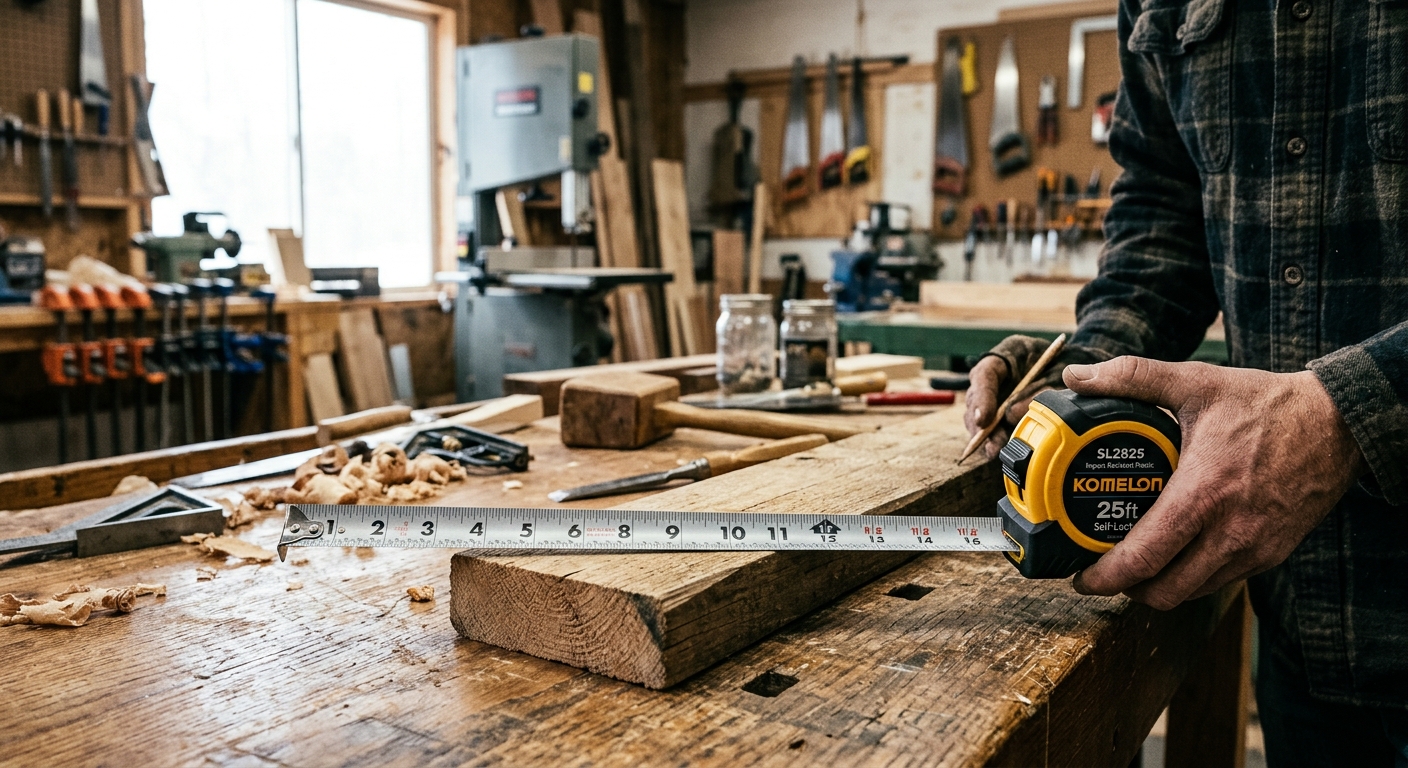
The self-locking blade (it locks automatically when extended) is genuinely useful for solo measuring. The 1-inch blade, clean printing, and compact case make this a great choice for homeowners who want reliability without the weight of a wide-blade contractor tape.
5. Lufkin L625 (25-Foot)
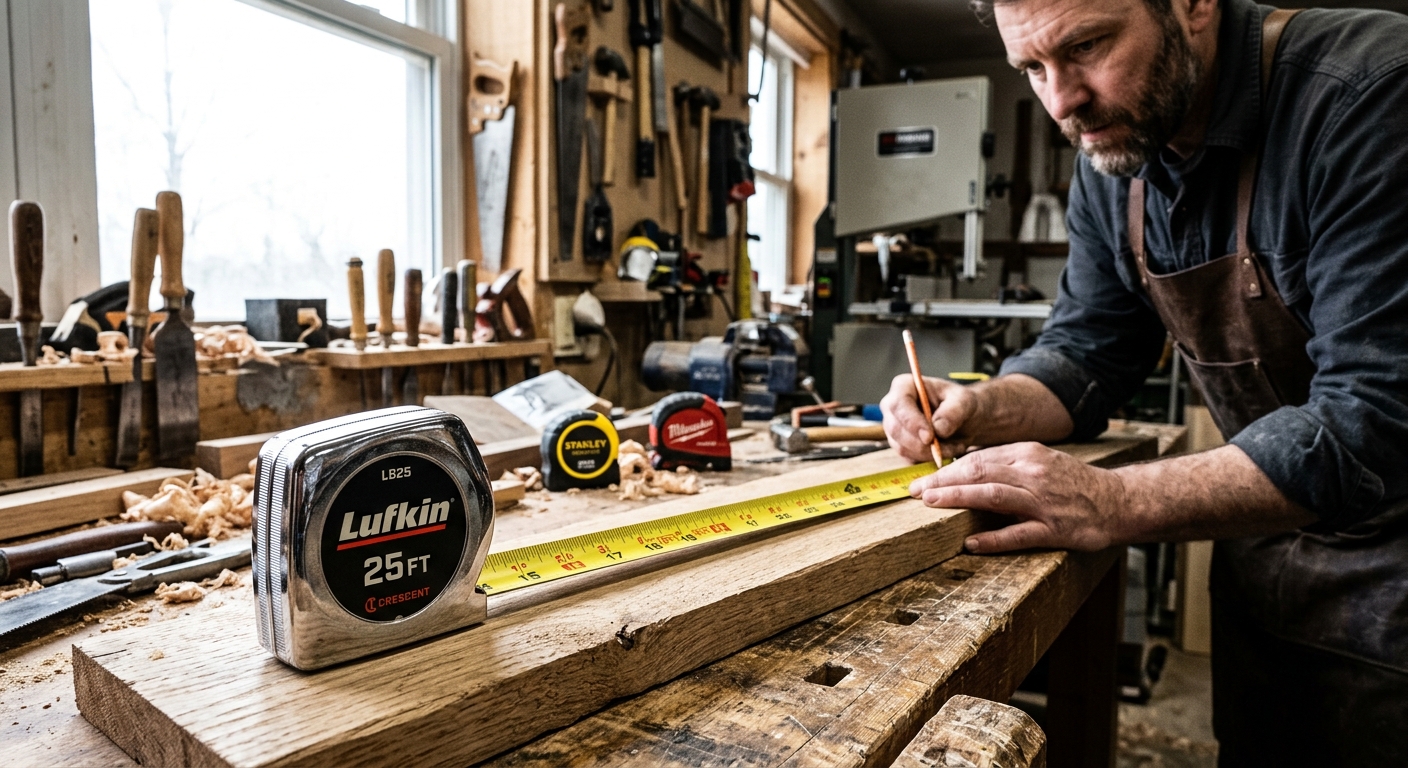
A classic yellow case tape that trades flash for reliability. Lufkin tapes are known for accurate, consistent printing. Less durable than the Milwaukee or FatMax but excellent for shop use where drops are less frequent.
What to Avoid
- Narrow 3/4-inch blades: Fine for a pocket tape but frustrating for any serious project.
- Printed (not coated) blades: Markings fade within a year of regular use.
- Loose hooks: Introduce measurement error that compounds across a project.
Reading a Tape Measure
The large numbers are inches. Between each inch, the marks are: 1/2 inch (longest), 1/4 and 3/4 inch (second longest), 1/8 inch marks (medium), and 1/16 inch marks (shortest). Red diamonds appear every 19.2 inches to mark five equal divisions of an 8-foot sheet – useful for truss and rafter spacing.
FAQ
What length tape measure do I need?
25 feet handles nearly every indoor task. If you measure large lots, exteriors, or do landscaping, add a 100-foot fiberglass tape for those jobs.
Why does the hook slide back and forth?
By design. The hook slides the exact thickness of itself to compensate for inside versus outside measurements. This is a feature, not a defect.
How often should I replace my tape measure?
Replace it when the blade kinks and will not retract flat, the hook is bent or loose beyond its designed float, or the graduations are no longer clearly readable.
Affiliate Disclosure: DIY Arsenal participates in the Amazon Associates Program and other affiliate programs. When you purchase through links on this site, we may earn a small commission at no additional cost to you. We only recommend products we have personally tested and genuinely believe in.