Best Steel-Toed Boots for DIY and Construction
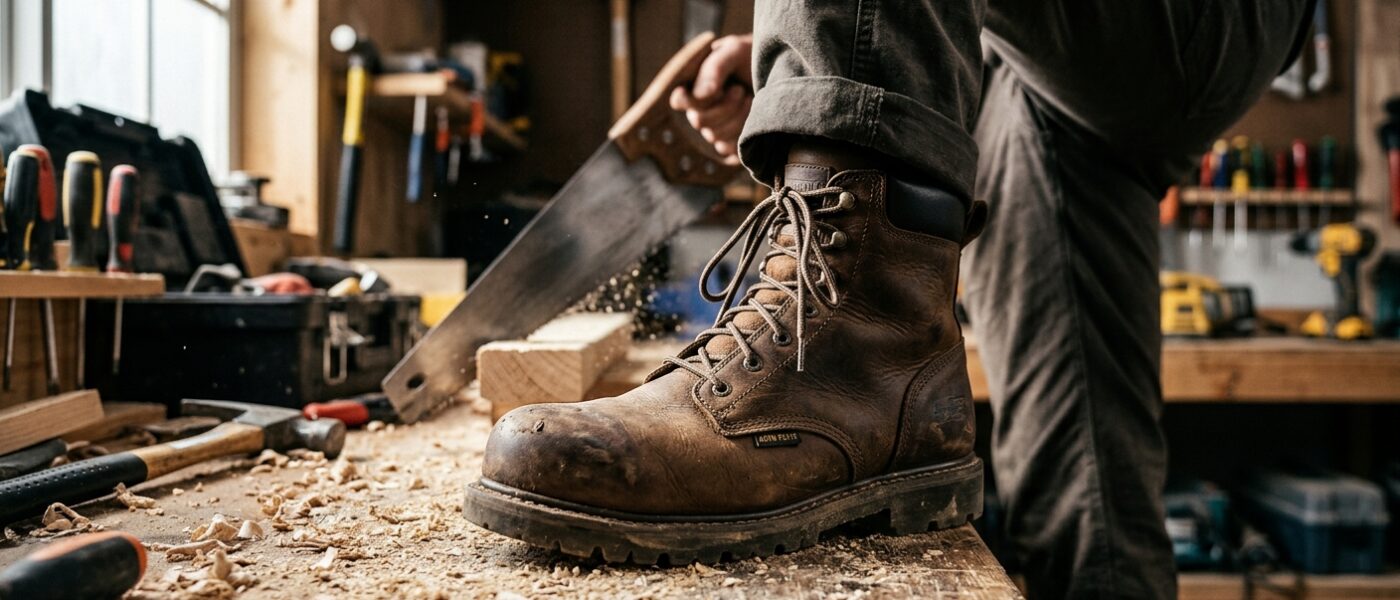
The Timberland PRO Boondock and Wolverine Overpass are the best value composite-toe boots for most DIYers; if you want boots that outlast everything else, Red Wing is worth every dollar.
As an Amazon Associate, we earn from qualifying purchases.
Your feet carry every load you lift, absorb every shock you create, and are the first contact point when anything falls from above. A dropped chisel, a rolling pipe fitting, a falling sheet of plywood – steel-toed boots are the difference between a bruised toe and a broken one, between a close call and a workers compensation claim. But steel-toed boots are only part of the equation: sole grip, ankle support, electrical hazard rating, and all-day comfort matter just as much as what is protecting your toes.
Safety Standards for Work Boots
ASTM F2413 Standard
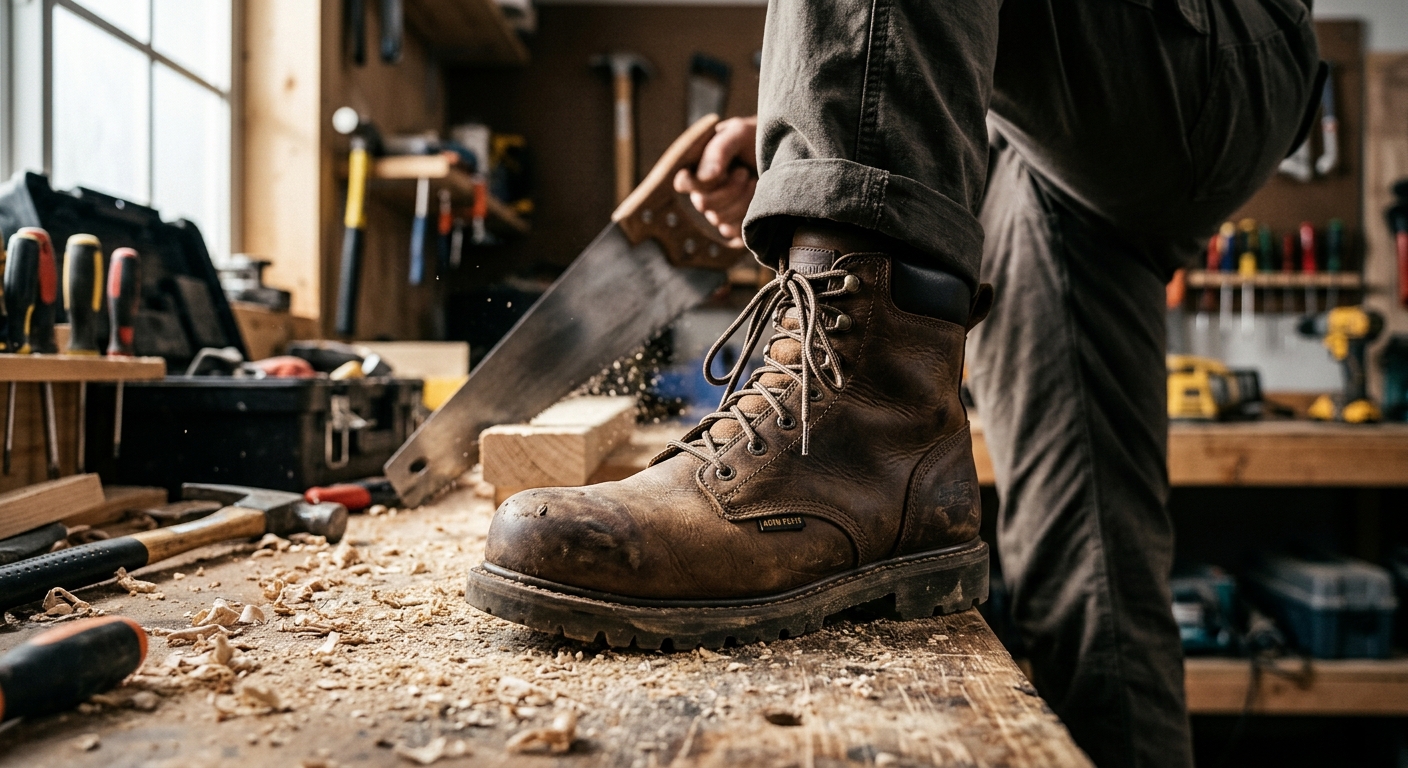
The current US standard for protective footwear. Look for the ASTM F2413 certification mark on any serious work boot. Key ratings under this standard include:
- I/75 and I/50: Impact resistance ratings for the toe cap (75 ft-lbs and 50 ft-lbs respectively). I/75 is standard for most applications.
- C/75 and C/50: Compression resistance (2,500 lbs and 1,750 lbs). C/75 is standard.
- EH: Electrical hazard rating – the sole and heel resist 18,000 volts at 60 Hz for 1 minute.
- SD: Static dissipative – reduces static buildup on the boot surface.
- PR: Puncture resistant sole (against a 60-penny nail driven upward).
Steel vs. Composite vs. Aluminum Toe
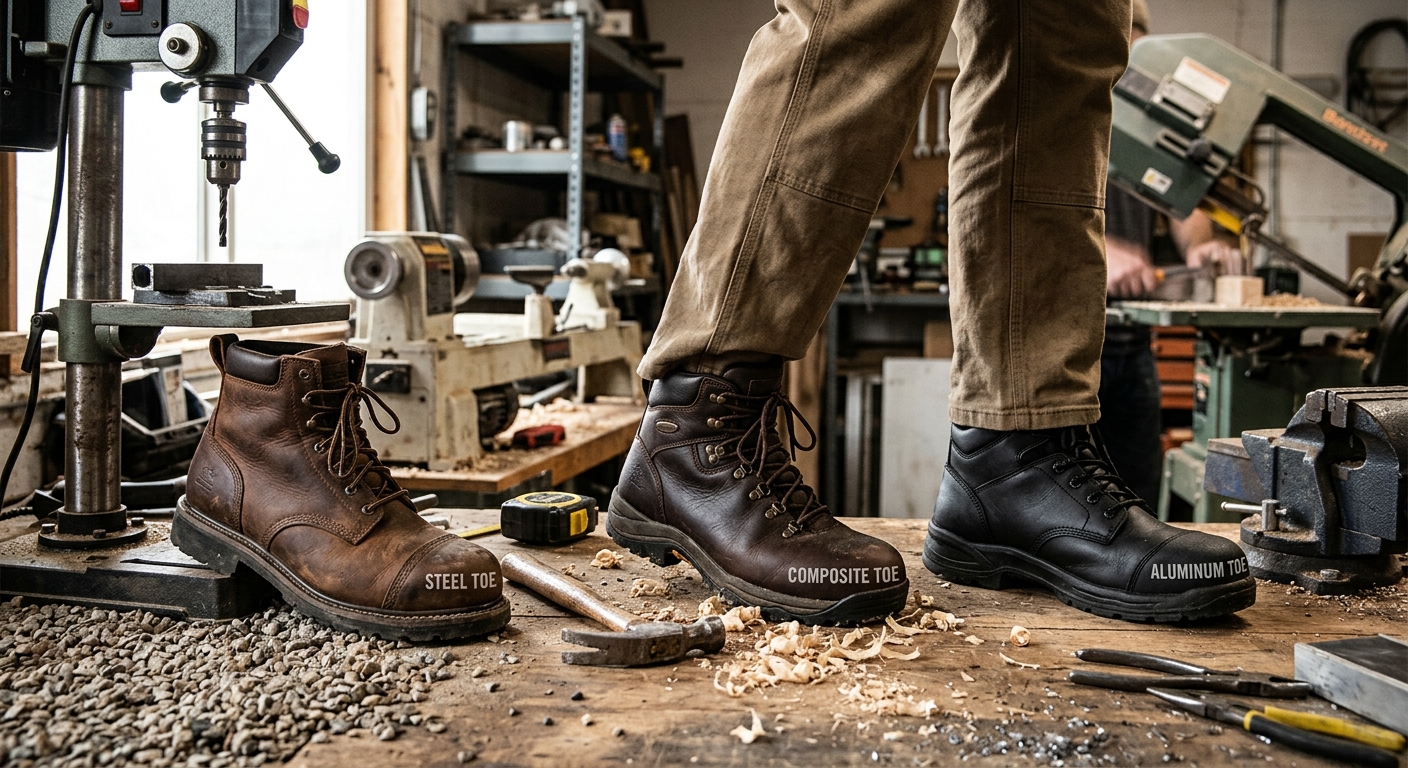
Steel toes are the original and remain the least expensive. They are heavy and conduct temperature (cold in winter, hot in summer). Composite toes (Kevlar, carbon fiber, fiberglass) are lighter, non-conductive, and more comfortable in extreme temperatures – a better choice for most DIYers. Aluminum toes offer similar weight savings to composite with a thinner profile that allows a more normal-looking boot silhouette.
Key Features to Look For
Sole Grip and Slip Resistance
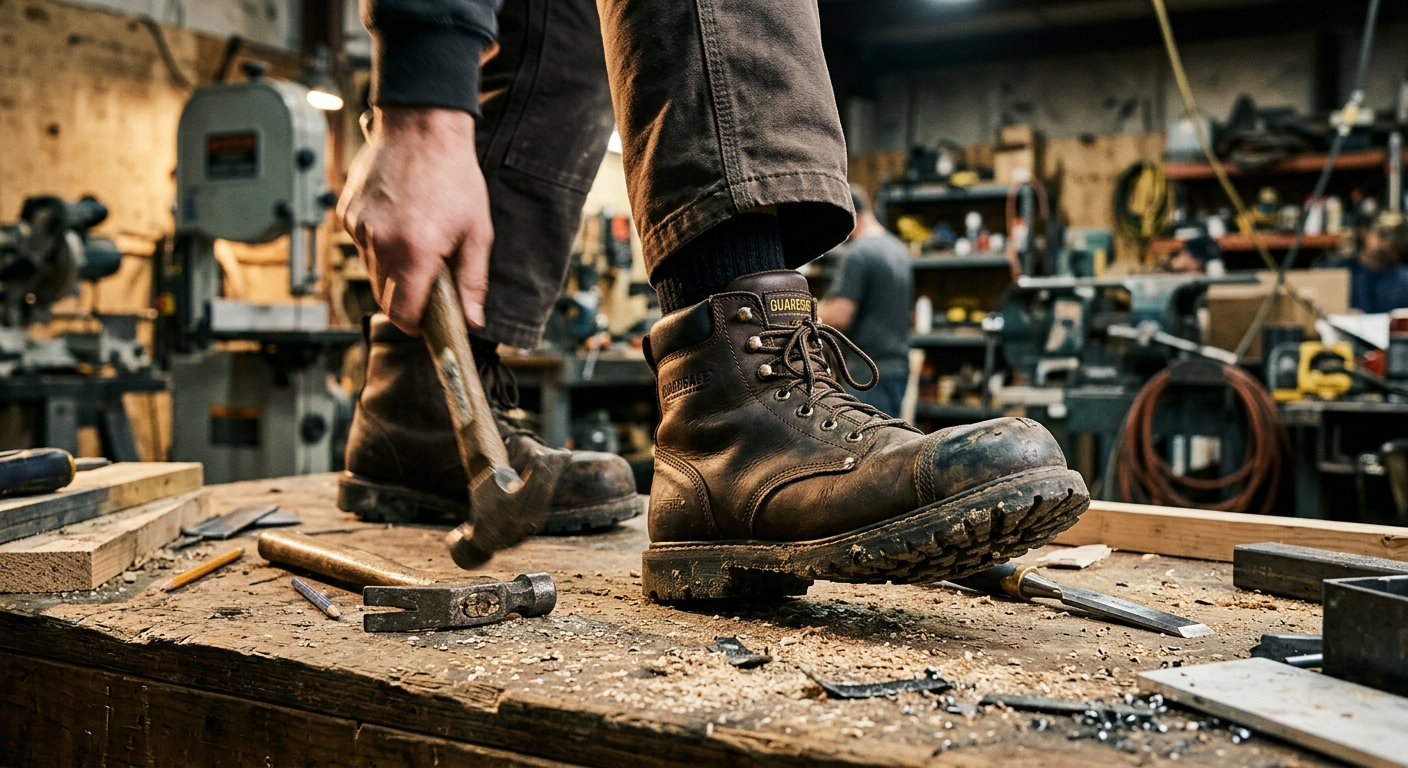
Slip and fall accidents on job sites cause more injuries than falling objects. Oil-resistant, slip-resistant outsoles (rated SR by ASTM) are essential on any surface that might be wet, oily, or dusty. Lug patterns that self-clear mud are needed for outdoor work.
Ankle Support
6-inch height boots provide meaningful ankle support for uneven terrain and ladder climbing. Low-cut (3-inch) work boots are more comfortable for flat-surface shop work but provide minimal ankle protection. 8-inch boots for roofing and heavy construction.
Waterproofing
GORE-TEX or proprietary waterproof membranes keep feet dry in rain, wet concrete, and morning dew without the stiffness of rubber boots. Absolutely worth paying for if you work outdoors regularly.
Insoles and Footbed
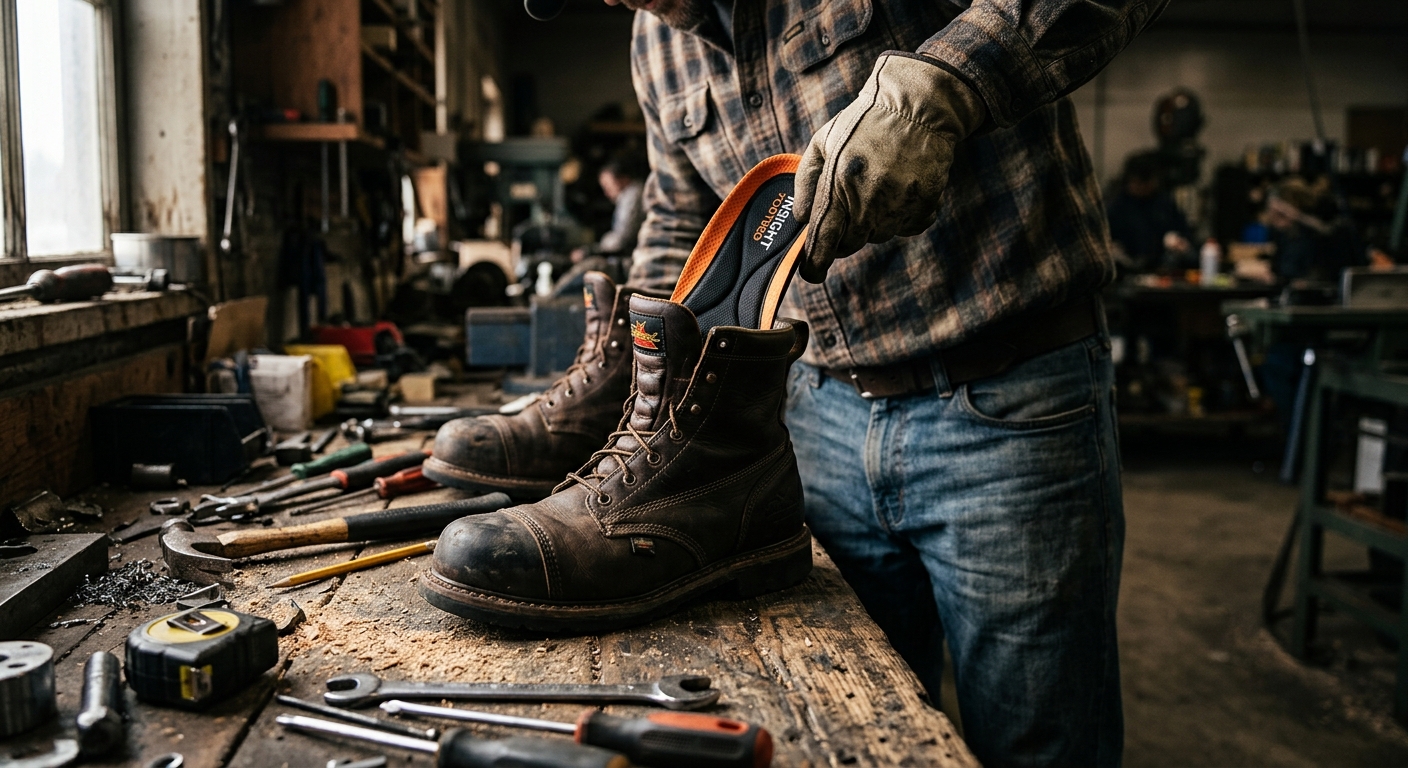
The factory insoles in most work boots are functional but not exceptional. Budget an extra $20 to $40 for aftermarket insoles (Superfeet, Timberland PRO Power Lounge) – the improvement in all-day comfort is significant.
Electrical Hazard Rating
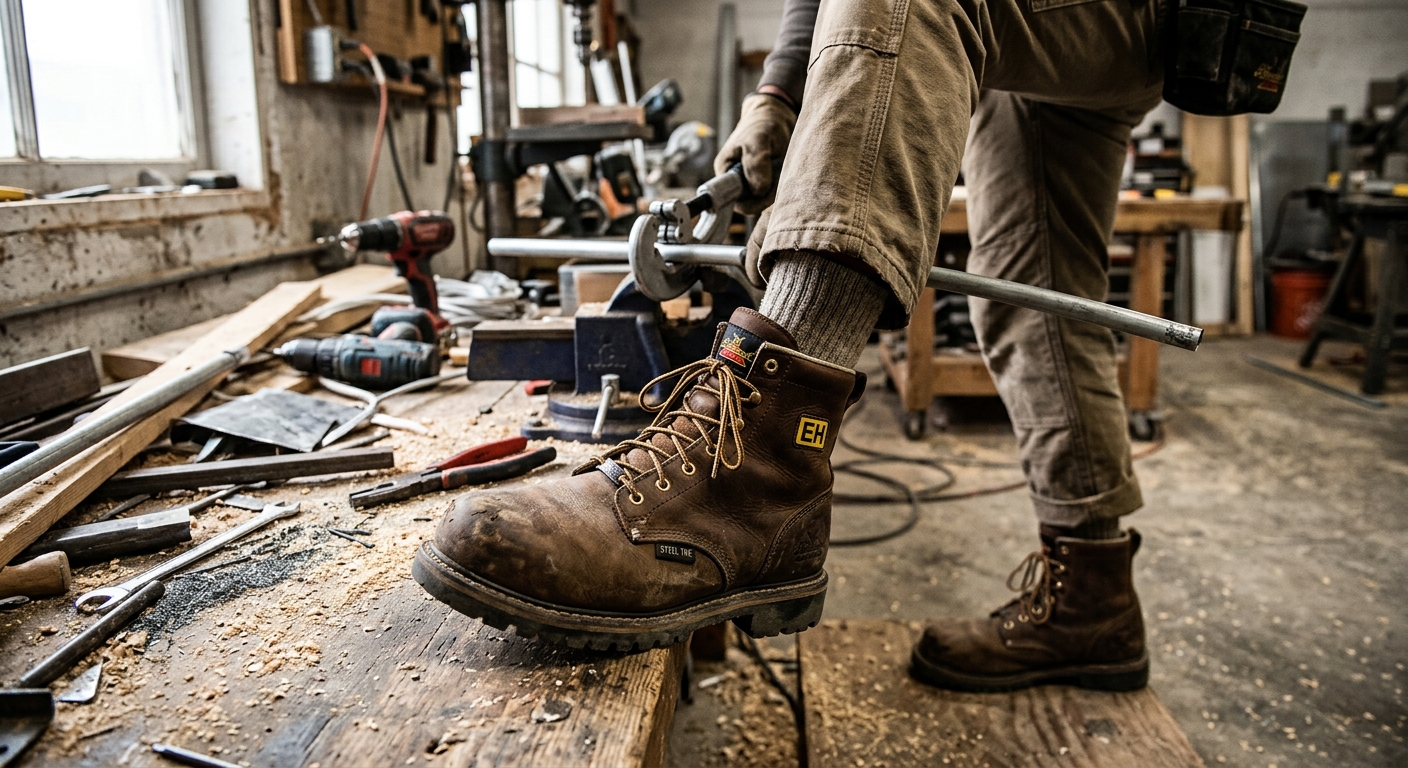
If you work anywhere near electrical panels, wiring, or energized circuits, EH-rated boots are a basic safety requirement. The EH rating provides a secondary line of defense against step-into contact with energized conductors.
Our Top Picks
1. Timberland PRO Boondock 6-Inch (Composite Toe)
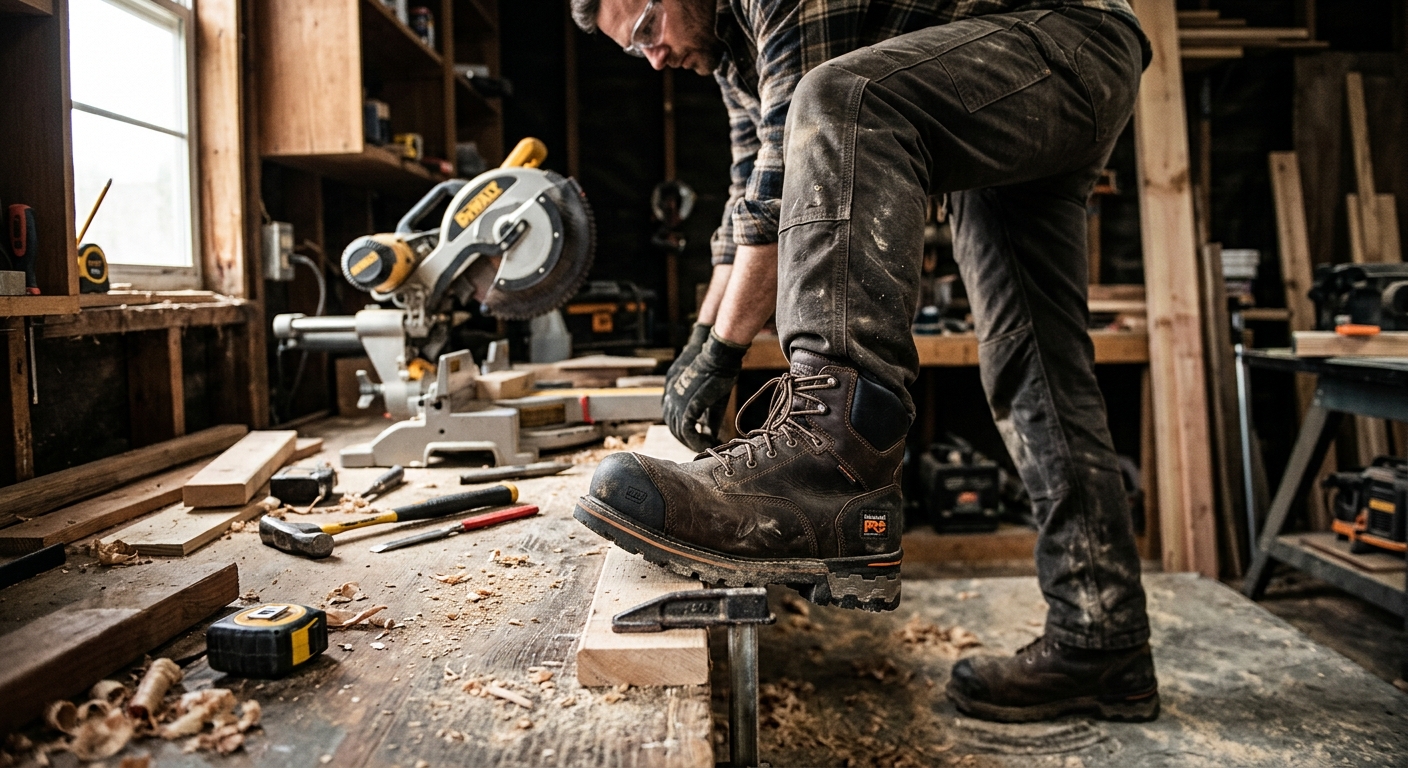
Consistently rated among the best work boots for comfort, durability, and protection. The Timberland PRO composite toe is thin enough to not feel bulky, the anti-fatigue footbed stands out for all-day wear, and the waterproof leather holds up to real construction conditions. ASTM F2413 certified with EH and PR ratings. An excellent all-around choice.
2. Wolverine Overpass 6-Inch (Composite Toe)
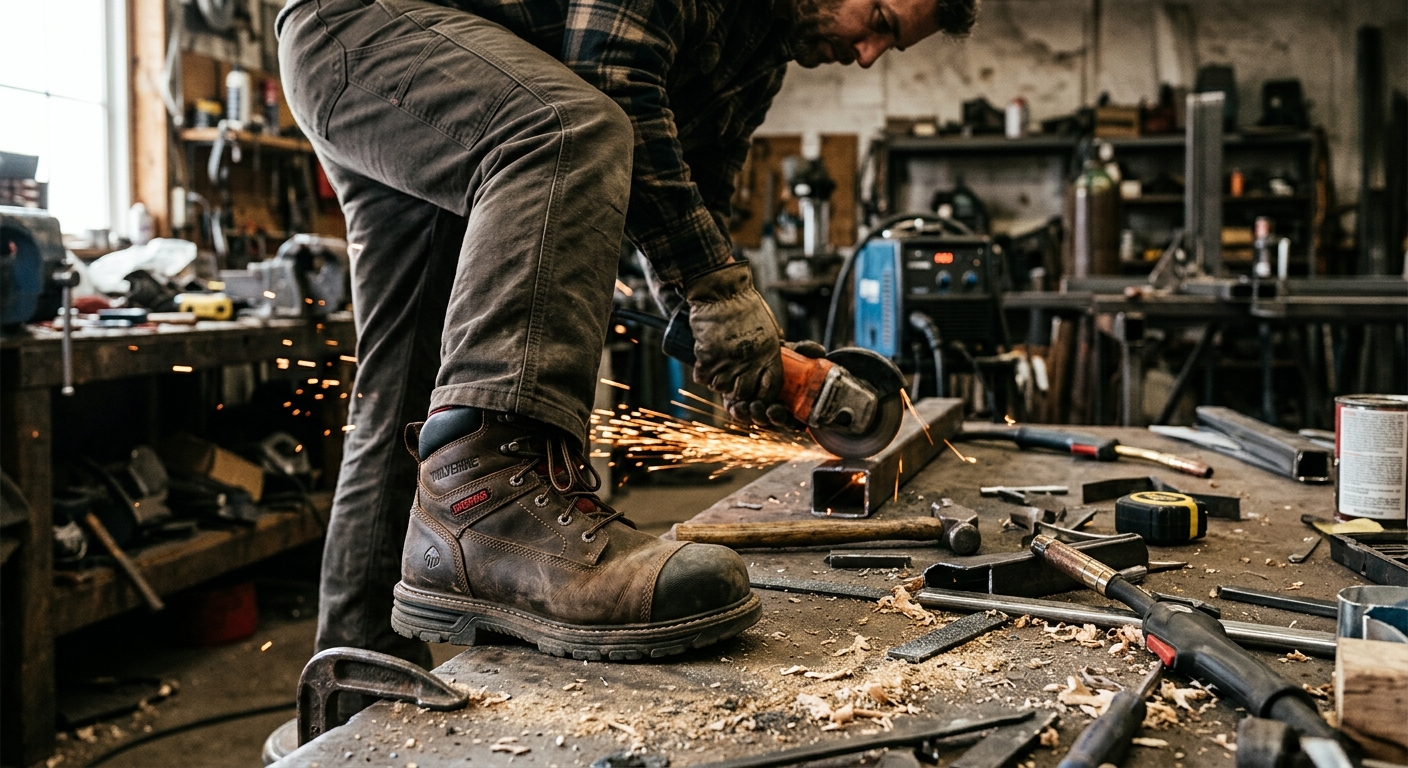
Wolverine has been making work boots in the USA for over 130 years. The Overpass features CarbonMAX composite toe (very thin profile), a waterproof leather and nylon upper, and a FLEXFORCE footbed that genuinely reduces fatigue. Rated EH and ASTM F2413. Exceptional durability for the price.
3. Keen Utility Atlanta Cool 2 (Steel Toe)
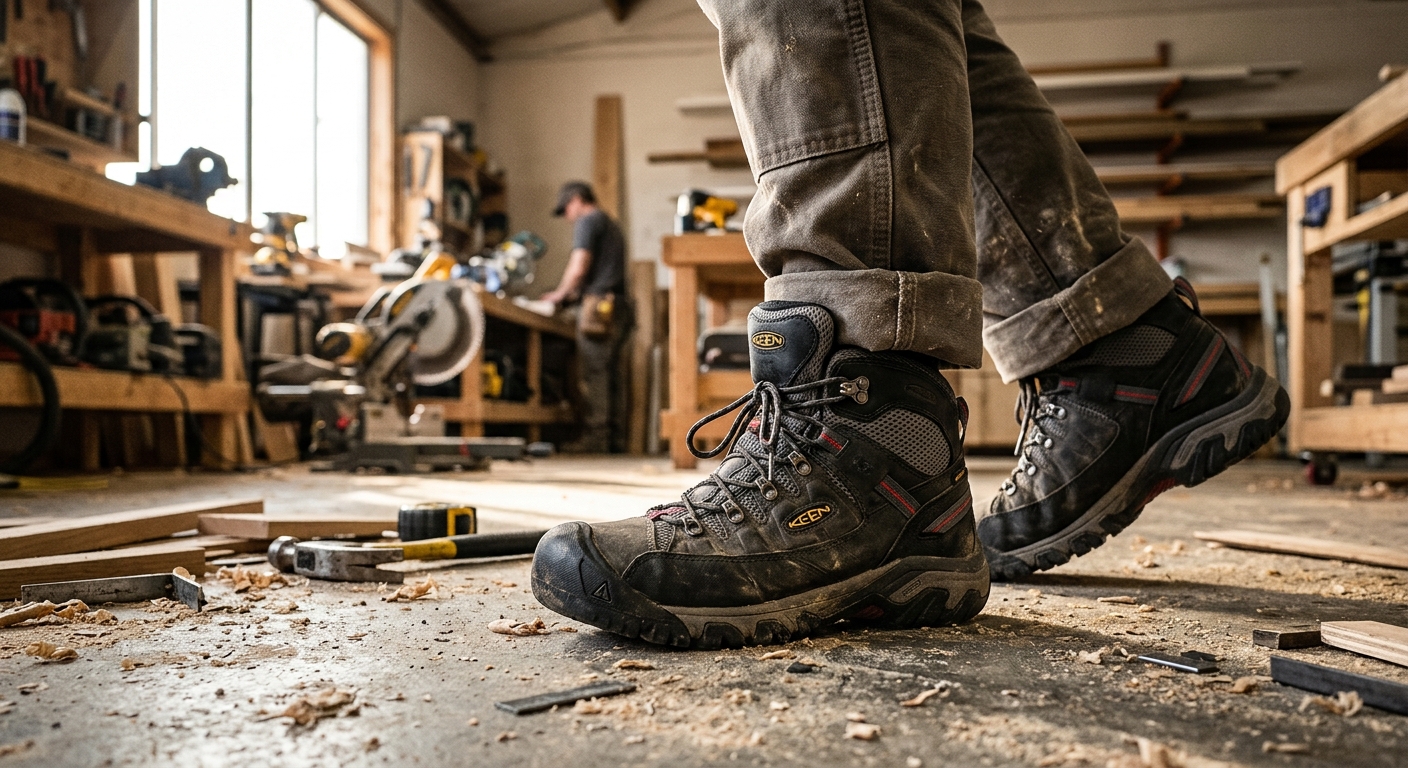
For those who prefer steel toes: Keen’s work boots are known for unusually wide toe boxes that prevent the cramping common in narrow traditional work boot designs. The Atlanta Cool 2 features electrical hazard rating, waterproofing, and Keen’s signature toe cap that sits slightly above the toes rather than pressing down on them.
4. Carhartt FT6000 6-Inch Composite Toe
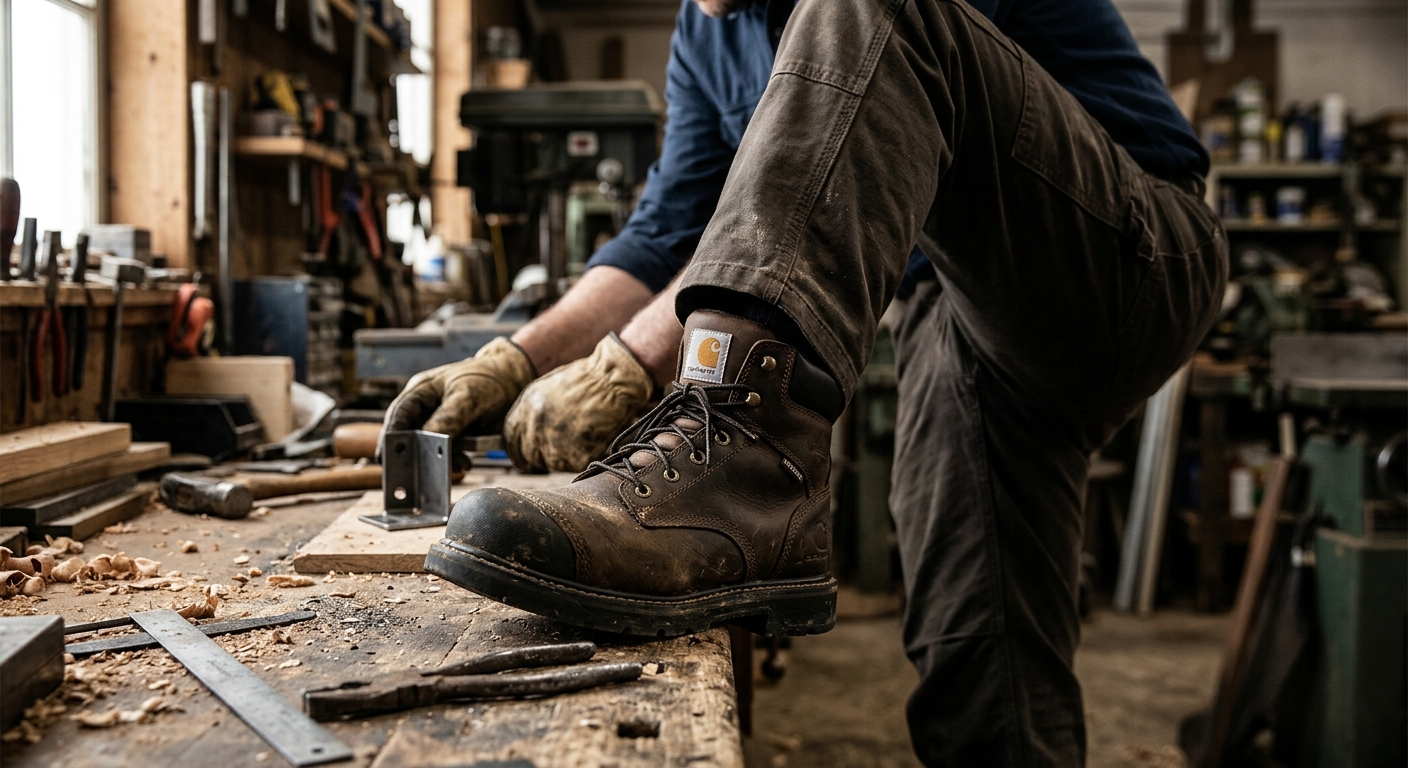
Carhartt builds for abuse. The FT6000 features a waterproof full-grain leather upper, a composite safety toe with ASTM F2413 certification, and a cement construction that keeps the sole bonded through hard use. A favorite among framing carpenters and general contractors.
5. Red Wing 3531 Heritage 6-Inch Moc Toe (Steel)
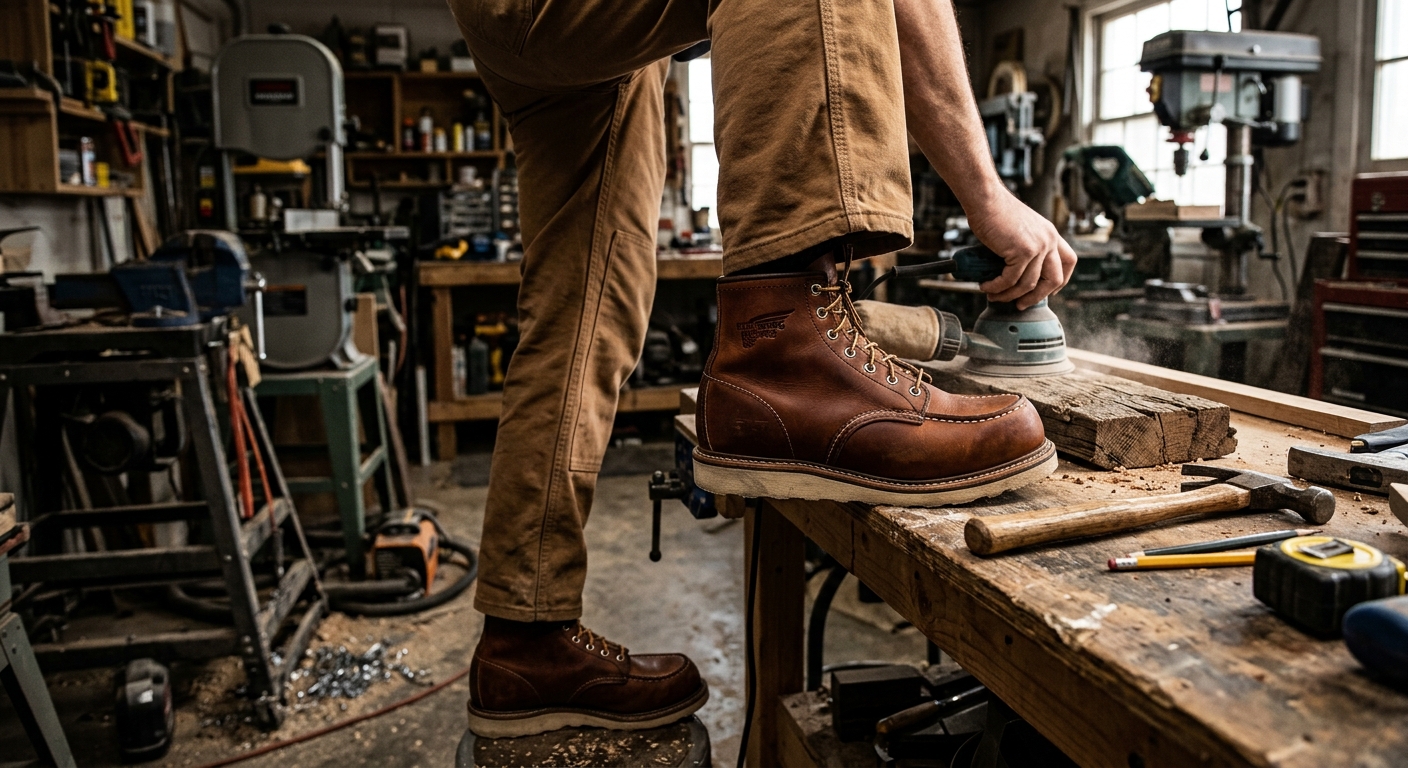
For those who want lifetime quality: Red Wing is the gold standard in American work boots. The 3531 is a steel-toed classic that is resoleable, made in the USA with full-grain leather, and designed to last a decade or more with proper care. The upfront investment is high; the lifetime cost is lower than any budget boot.
What to Avoid
- Sneaker-style “safety shoes” without ankle support: Adequate for retail work, not for construction or renovation where ankle rolling on debris is a real hazard.
- Non-rated toe caps: Some fashion work boots have aesthetic steel-look caps with no actual ASTM F2413 certification.
- Worn-out soles: A work boot with a smooth sole has lost its primary purpose. Most boots need resoling or replacement when the tread depth drops below 3/16 inch.
FAQ
Do I need steel-toed boots for home DIY work?
If you regularly handle sheet lumber, heavy equipment, plumbing pipe, or work near equipment that could fall or roll – yes. For light interior finish work like painting and trim installation, the risk is lower but the cost of protection is minimal.
How long do work boots last?
Quality work boots last 1 to 3 years of daily professional use, or 5 to 10 years for a serious DIYer who wears them a few days per week. Resoleable boots (Red Wing, Danner, White’s) can last decades with proper maintenance.
Should I size up for work boots?
Work boots with thick insoles and wool sock compatibility often fit best at a half to full size larger than dress shoe size. Measure your feet in the afternoon (feet swell during the day) and with the socks you plan to wear.
Affiliate Disclosure: DIY Arsenal participates in the Amazon Associates Program and other affiliate programs. When you purchase through links on this site, we may earn a small commission at no additional cost to you. We only recommend products we have personally tested and genuinely believe in.