Best SharkBite and Push-Fit Fitting Tools
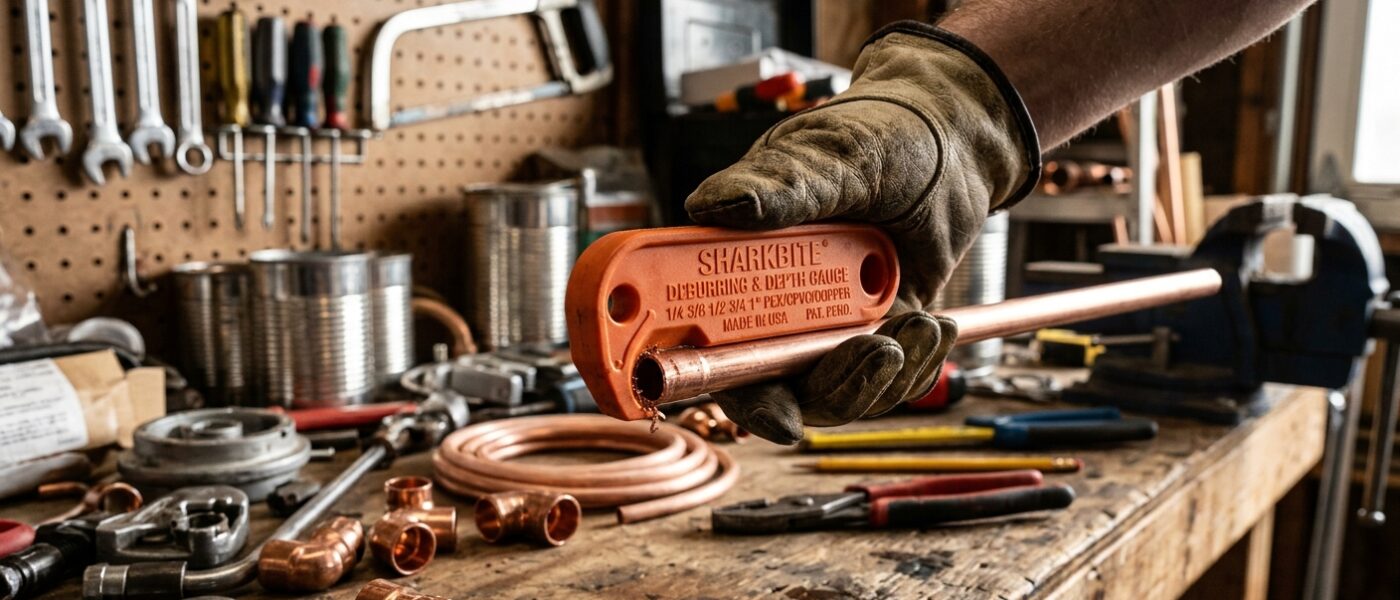
Push-fit connections are genuinely reliable when installed correctly. Invest in the SharkBite prep tool and keep disconnect clips with every fitting kit — they make the difference between a solid connection and a callback.
As an Amazon Associate, we earn from qualifying purchases.
Push-Fit Plumbing: Fast Connections Without a Torch
SharkBite and competing push-fit fittings changed residential plumbing by enabling leak-free connections without soldering, crimping, or specialized tools. You deburr the pipe, push it in to depth, and the internal grab ring and O-ring create a secure, code-approved connection rated to 200 PSI. The catch: push-fit connections require proper pipe preparation and the right insertion depth to work correctly. The tools to do this right are simple and inexpensive – but skipping them leads to leaks and connection failures.
Key Features to Look For
- Deburring and chamfering: The number-one cause of push-fit leaks is sharp burrs or ragged cuts scoring the O-ring on insertion. A proper deburring tool removes both interior burrs and exterior edge sharpness in one pass.
- Depth gauge: Correct insertion depth varies by fitting size. Depth gauges mark the pipe at the correct depth before insertion – without this, under-insertion is common and leads to blow-out under pressure.
- Disconnect clip: Push-fit fittings can be removed with the correct disconnect tool (U-shaped clip that collapses the grab ring). Without it, removal requires cutting the fitting off. Keep disconnects with every fitting kit.
- Pipe compatibility marking: Push-fit fittings work on copper, PEX, and CPVC, but the O-ring size and grab ring teeth are calibrated to the nominal OD of each material. Using a copper fitting on PEX without checking OD compatibility leads to leaks. SharkBite and Uponor fittings have specific compatibility lists – check them.
- Pipe cutter quality: A clean, square cut is essential. Ratchet-style pipe cutters make clean cuts on copper and CPVC. PEX pipe cutters use a scissor-blade mechanism. Using a hacksaw creates burrs that defeat the deburring step.
Top Picks
SharkBite 23251 Deburring and Depth Gauge Tool
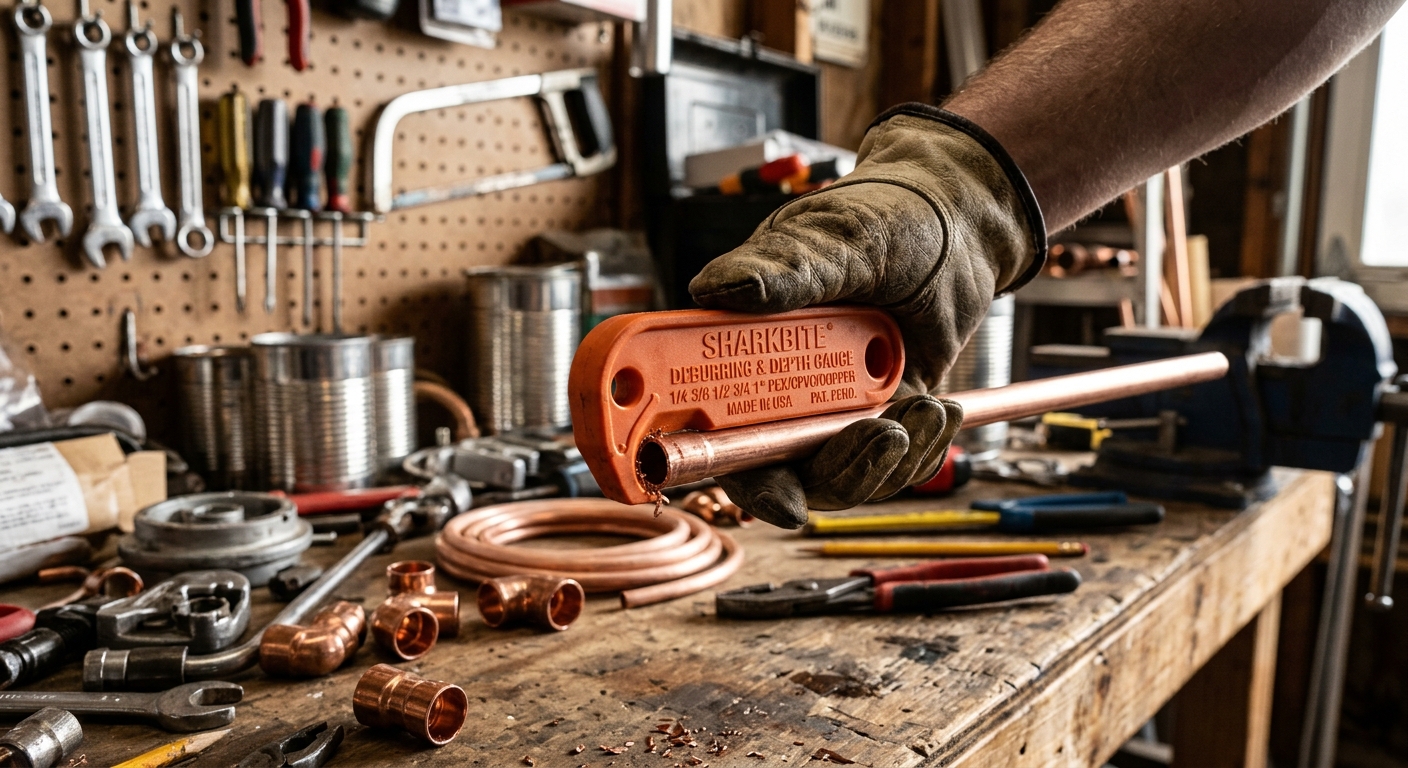
SharkBite’s own preparation tool combines deburring and depth marking for 1/4″ through 1″ pipe sizes. The ergonomic handle works on copper, PEX, and CPVC and leaves a clean, chamfered edge that doesn’t score the O-ring on entry. The depth gauge side marks insert depth for each size. An essential companion to any SharkBite installation – buy it with your first fitting kit.
SharkBite UC508A Disconnect Clip Set
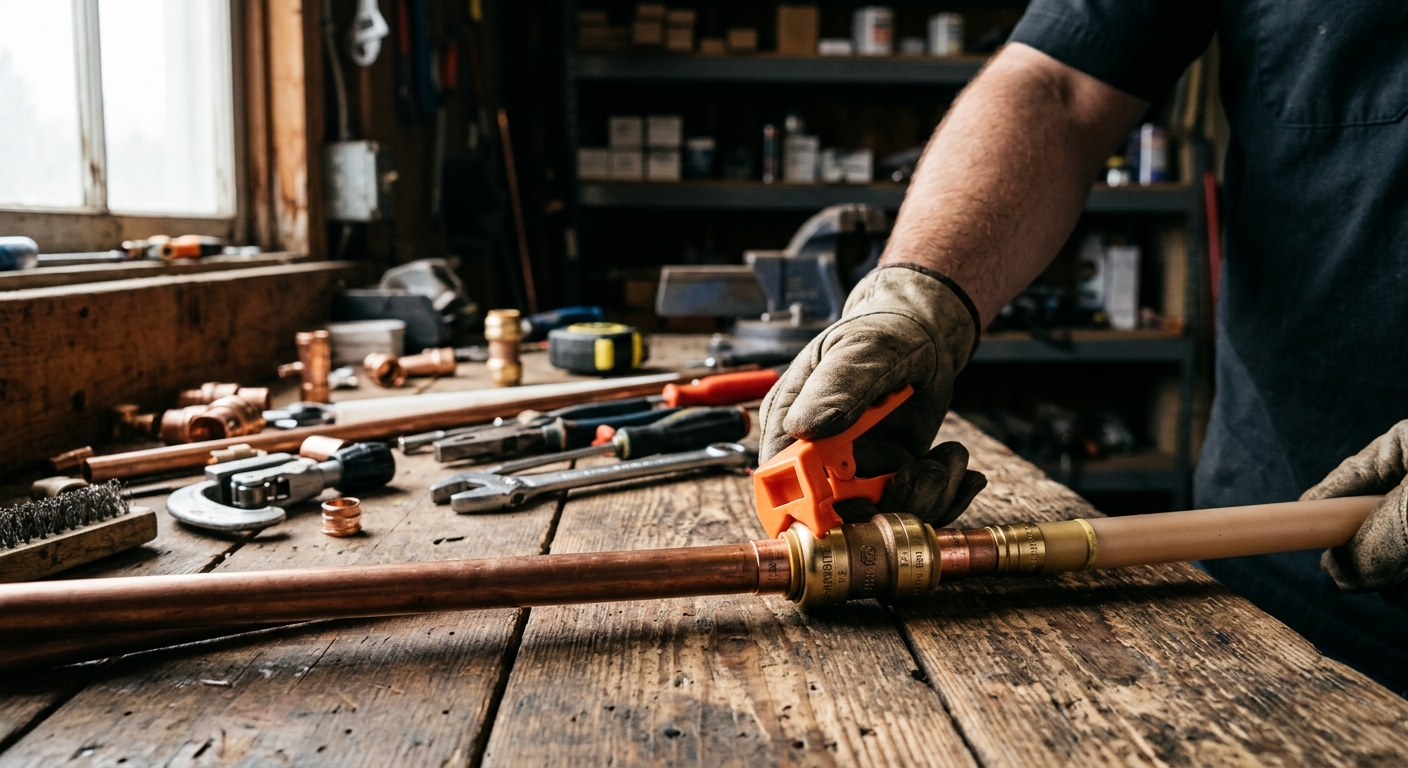
The U-shaped disconnect clips that release SharkBite fittings without cutting. The set covers 1/4″ through 1″ sizes. Keep these accessible – you’ll need them if you’re testing a connection, discovering a problem, or reworking a run. Losing your disconnect clips means cutting out fittings you could have repositioned with a $6 tool.
Uponor ProPEX Ring and Sleeve Kit
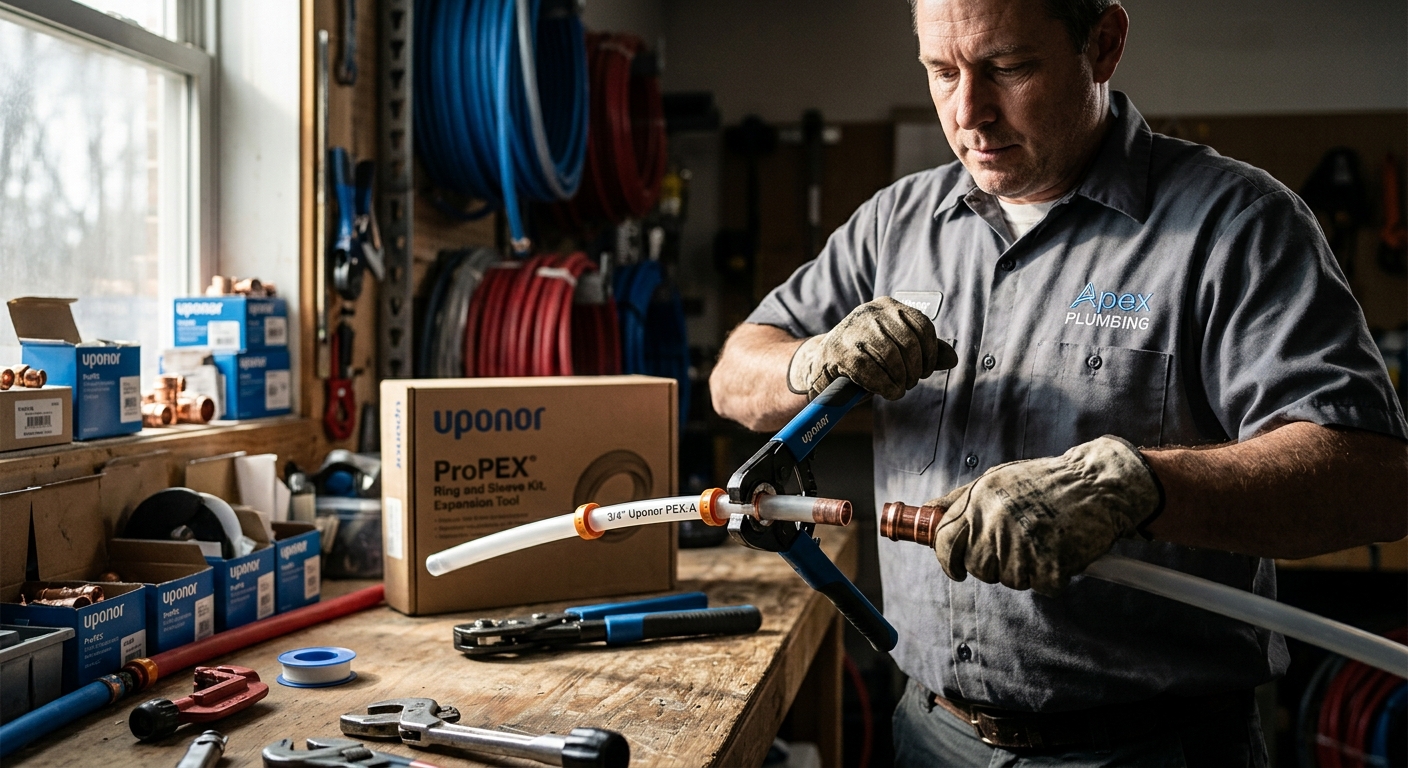
For PEX-A installations using the ProPEX expansion method (more robust than push-fit for permanent runs), Uponor’s ring and sleeve system creates the most reliable PEX connection type. Requires an expansion tool (sold separately) but the resulting joint has no O-ring to fail and is rated for higher temperature and pressure than push-fit alternatives. Worth the investment for any significant PEX installation.
RIDGID 23488 Copper Pipe and Tube Cutter
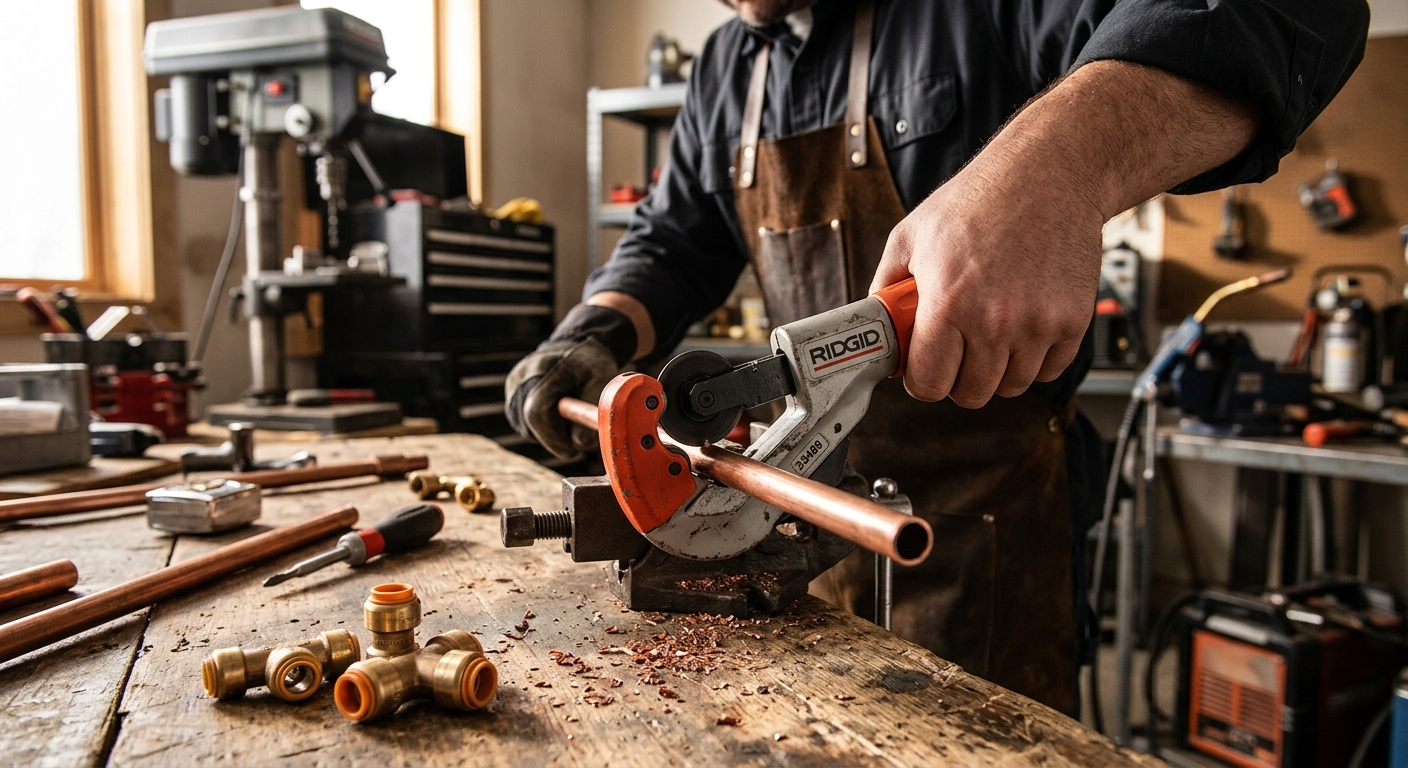
A 1/8″ to 1-1/8″ capacity tubing cutter that makes the clean, square cuts that push-fit fittings require. The deburring reamer is integrated into the handle. The cutting wheel is replaceable. This is the standard copper pipe cutter for residential work – it takes 3-5 rotations to cut cleanly and leaves an edge that deburring tools can finish properly.
Frequently Asked Questions
Are SharkBite connections as reliable as soldered copper joints?
For permanent installations in accessible locations, properly installed SharkBite connections are code-compliant and generally reliable. For connections buried in concrete slabs, behind finished walls, or in locations with significant temperature cycling, soldered copper remains the preferred choice among experienced plumbers. Push-fit excels for repairs, rework, and installations where torch use is unsafe.
Can I use SharkBite on galvanized steel pipe?
No. SharkBite fittings are not rated for galvanized pipe – the galvanized OD is not consistent enough for the grab ring to seal reliably. Transition to copper or PEX using a dielectric union at the galvanized connection point.
How do I know if a SharkBite connection is fully inserted?
After insertion, pull back firmly on the pipe – a properly seated fitting won’t release under normal hand pull force. The depth mark you made with the gauge should be at or near the fitting face. If the pipe pulls out with light tension, re-insert to full depth and pull the fitting up against a firm surface while pushing the pipe home.
Affiliate Disclosure: DIY Arsenal participates in the Amazon Associates Program and other affiliate programs. When you purchase through links on this site, we may earn a small commission at no additional cost to you. We only recommend products we have personally tested and genuinely believe in.