Best Pipe Inspection Cameras for Homeowners
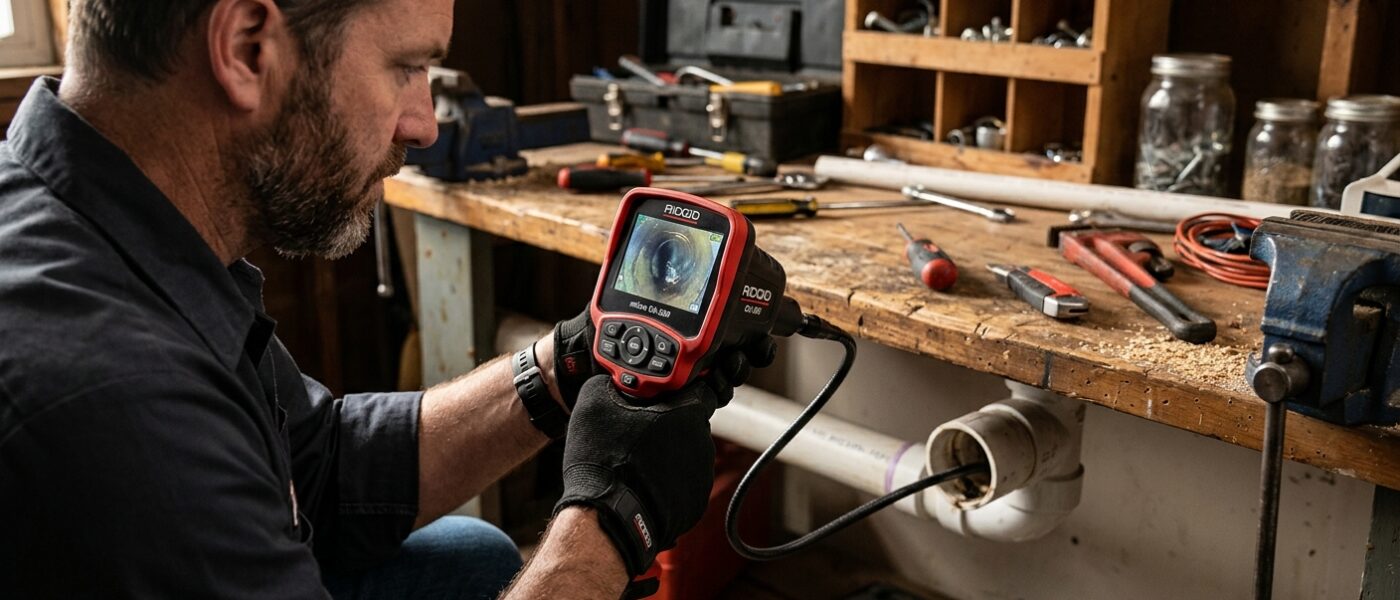
A drain inspection camera eliminates guesswork on clog diagnosis and pays for itself on the first avoided service call. Match cable length to your actual pipe runs.
As an Amazon Associate, we earn from qualifying purchases.
See What’s Really Going On Inside Your Pipes
Guessing about drain clogs costs money – snake the wrong direction, call a plumber without knowing what you’re dealing with, or replace a section of pipe that turns out to be fine. A pipe inspection camera changes that equation. Modern homeowner-grade cameras are small, waterproof, and include LED lighting that illuminates 50-100 feet of pipe clearly. They’re not cheap, but they pay for themselves quickly when they help you avoid a single unnecessary service call.
Key Features to Look For
- Camera head diameter: A 1″ head fits most 1-1/4″ drain lines (sinks, tubs). A smaller 5/8″ or 3/4″ head fits tighter lines but sacrifices image quality. Match the camera to your most common inspection target.
- Cable length: 33 feet is enough for most under-sink and tub-to-trap inspections. 65-100 feet reaches main sewer line distances. Longer cable means more money and more handling weight – buy what your actual runs require.
- Display type: Integrated LCD screens (4-7″) on the reel handle are convenient. Smartphone connectivity (Wi-Fi or USB) works well if you prefer a larger viewing device you already own.
- Recording capability: SD card recording or smartphone capture lets you document problems and share video with plumbers for quote verification. Essential for drainage issues that may need professional repair.
- LED count and adjustability: Six or more LEDs around the lens give even illumination in the pipe. Adjustable brightness handles both white PVC and dark cast iron without washout or underexposure.
- Locator compatibility: Some camera systems work with a separate locator transmitter so you can trace the camera position above ground – critical for identifying exactly where underground clogs or breaks are located.
Top Picks
RIDGID micro CA-350 Inspection Camera
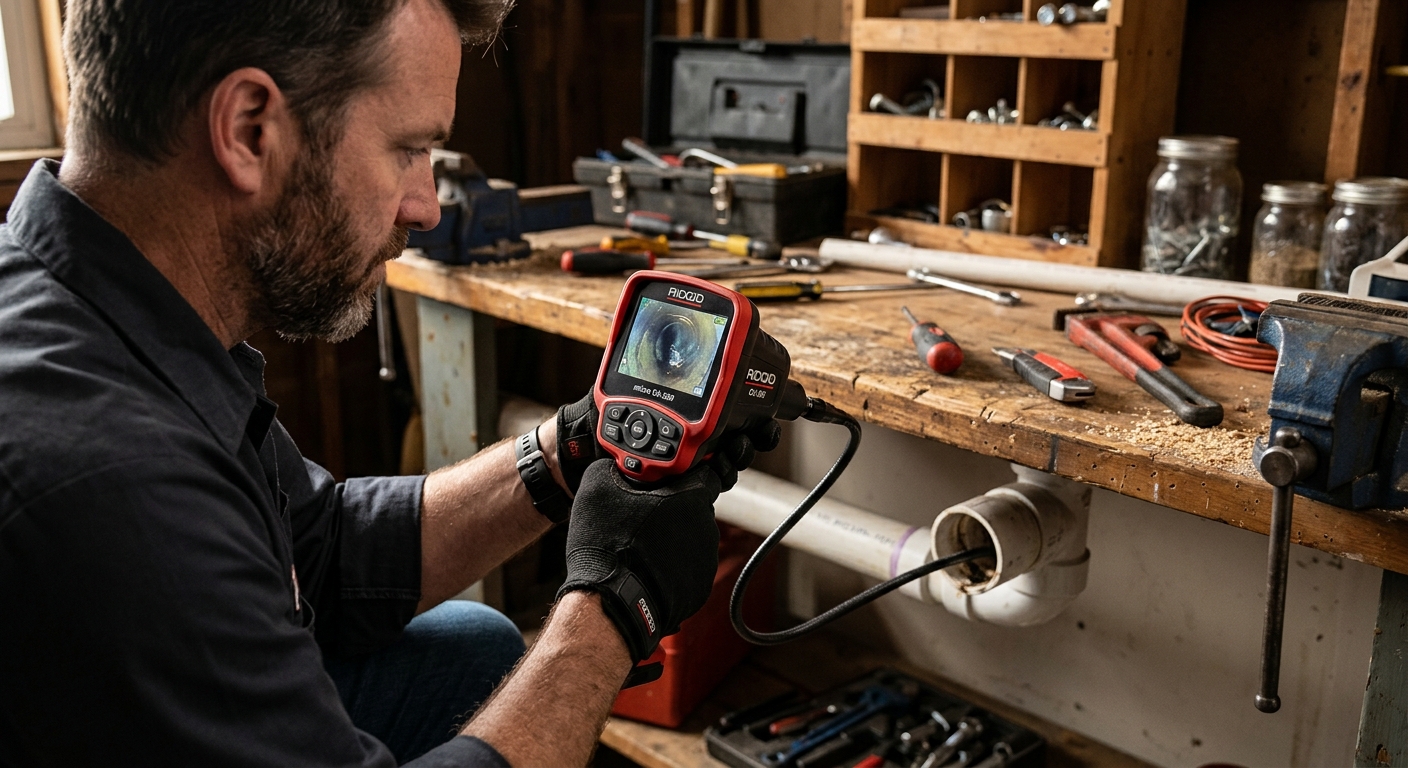
RIDGID’s homeowner-grade camera uses a 17mm head on a 3-foot flexible cable – great for HVAC ducts, wall cavities, and short drain runs, but not designed for long sewer line work. The 3.5″ integrated screen is bright and readable outdoors, and the camera captures stills to a micro-SD card. A good starting point for homeowners who want general inspection capability without committing to a full sewer camera system.
Teslong NTS500 Pipe Inspection Camera
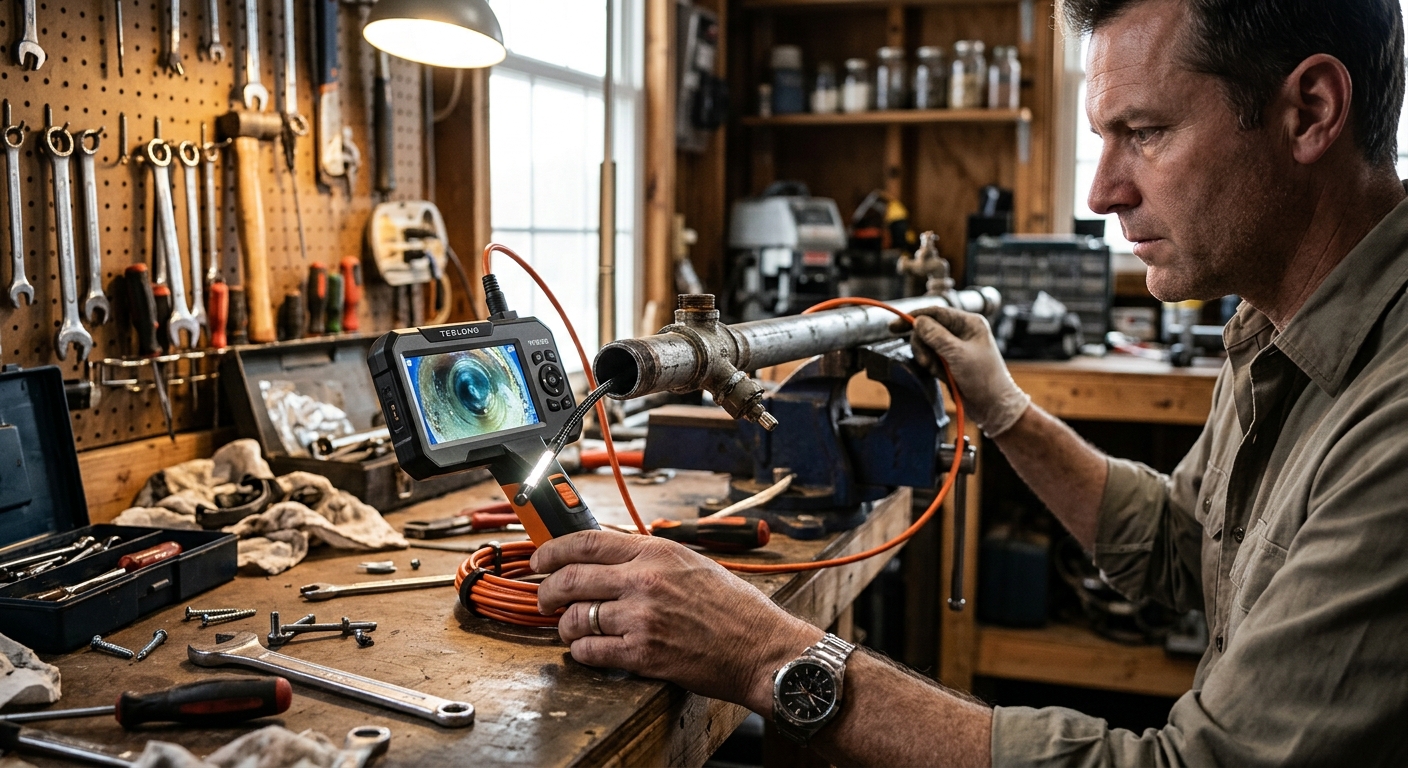
Teslong’s 50-foot camera system targets the homeowner sewer inspection market directly. The 9mm waterproof head with 6 adjustable LEDs produces clear footage in 2-4″ drain lines, and the system connects via USB to a Windows or Mac laptop for viewing and recording. The semi-rigid cable handles curves in typical residential drain runs well. The price-to-capability ratio here is genuinely impressive for the DIY market.
DEPSTECH WF060 Wi-Fi Endoscope
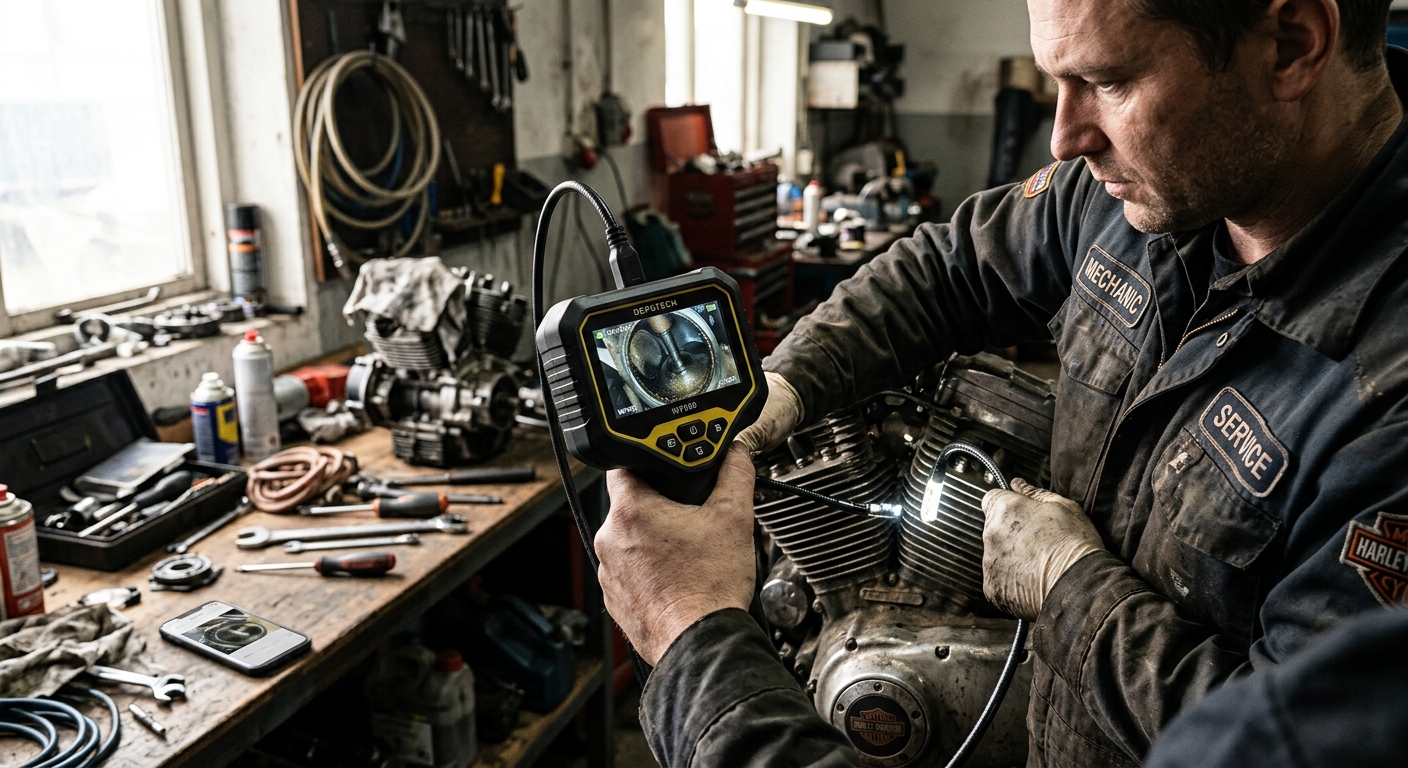
A wireless camera system that streams to Android or iOS via the DEPSTECH app – no dedicated screen required. The 5.5mm head reaches tight spaces, and 16.4-foot cable covers most under-sink and shower drain inspections. This isn’t a long-run sewer camera; it’s a versatile diagnostic tool for homeowners who want to see behind walls and under appliances as well as into drain pipes. The Wi-Fi connectivity makes real-time sharing easy.
Ridgid SeeSnake microReel L100
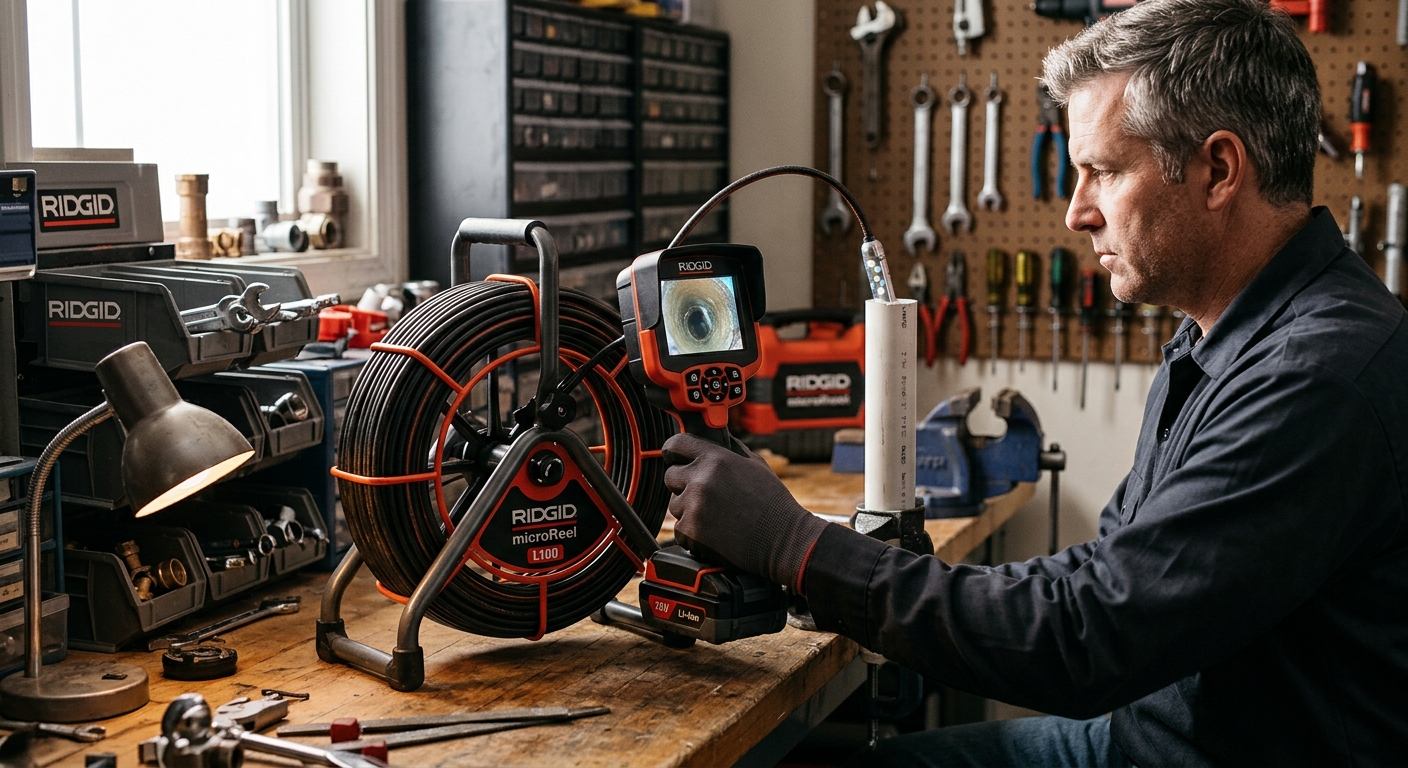
The step-up professional option for serious DIYers. The L100 features 100 feet of cable with a 25mm camera head that produces broadcast-quality video at resolutions suitable for professional diagnosis. It connects to RIDGID’s CS6x monitor for a dedicated viewing experience with GPS integration. This is what plumbers use – and it’s available for homeowners who want that capability without renting equipment repeatedly.
Frequently Asked Questions
Can a homeowner camera identify root intrusion or pipe cracks?
Yes – a quality camera with adequate LED illumination shows root tendrils, pipe cracks, offset joints, and heavy scale buildup clearly. What you may not be able to determine from video alone is the material of the pipe (cast iron vs. clay vs. ABS) or the precise depth of a problem underground. A professional locator tool combined with the camera addresses the depth question.
Are these cameras safe to use in drain lines with standing water?
Most inspection cameras rated IP67 or higher can be submerged. However, visibility through standing water is significantly reduced – clear video requires running the camera to the water line and inspecting dry areas first, then pushing slowly through wet sections. Running water through the line while inspecting can actually improve visibility by clearing debris.
What drain lines can’t a homeowner camera handle?
Municipal sewer mains, large commercial lines (6″ and above), and very long runs in older clay pipe with many offsets typically require professional truck-mounted equipment. For residential lines up to 4″ diameter and up to 100 feet, homeowner cameras handle the job adequately.
Affiliate Disclosure: DIY Arsenal participates in the Amazon Associates Program and other affiliate programs. When you purchase through links on this site, we may earn a small commission at no additional cost to you. We only recommend products we have personally tested and genuinely believe in.