Best Hard Hats, Safety Vests, and Fall Protection for DIY and Job Site Work
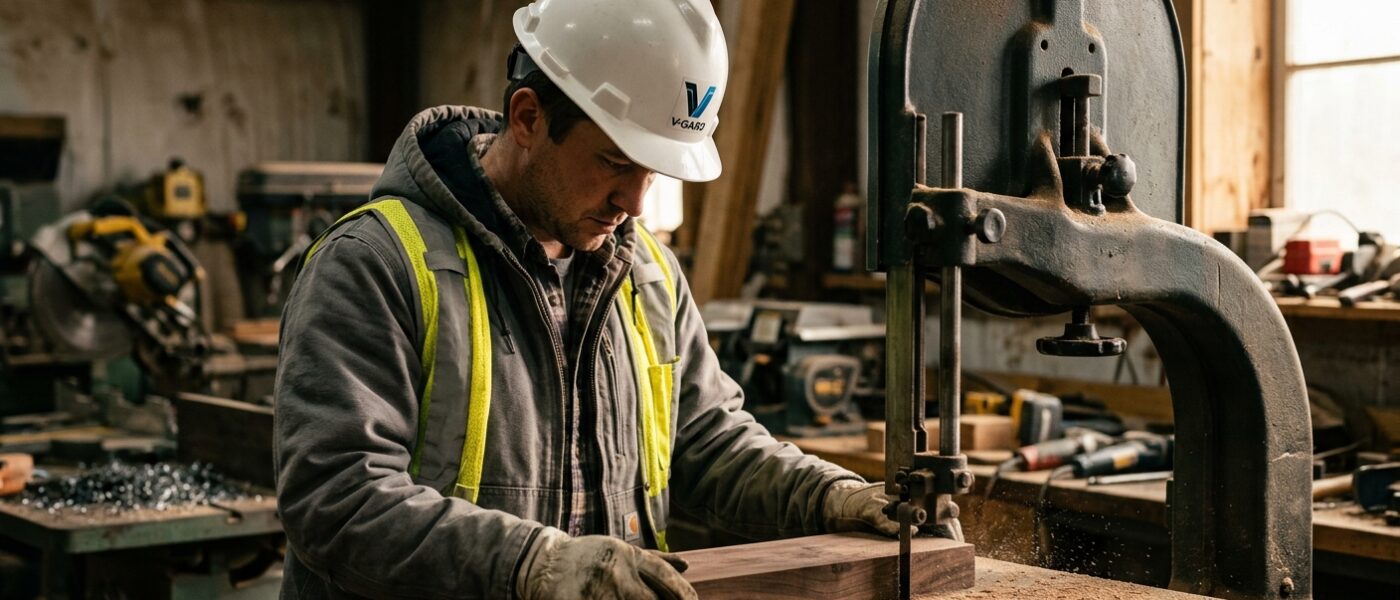
MSA V-Gard hard hat is the proven American job-site standard with Class E electrical protection
Hard hats, safety vests, and head protection are mandatory on professional job sites and highly recommended for any DIY work involving overhead tasks, roofing, or work around moving equipment. Head injuries from falling tools and objects are among the most common serious construction injuries. This guide covers the best head protection and high-visibility safety gear for DIYers who work above grade, on roofs, or near traffic.
How We Evaluate Head and Safety Gear
We tested hard hats for impact protection class (Type I vs Type II), electrical protection rating (Class E for high voltage work), fit and suspension system comfort, ventilation in warm weather, and compatibility with other PPE (earmuffs, safety glasses, face shields). For safety vests, we checked ANSI/ISEA 107 classification, visibility at distance, and comfort for active work.
Top Picks
MSA V-Gard Hard Hat – Best Overall Hard Hat
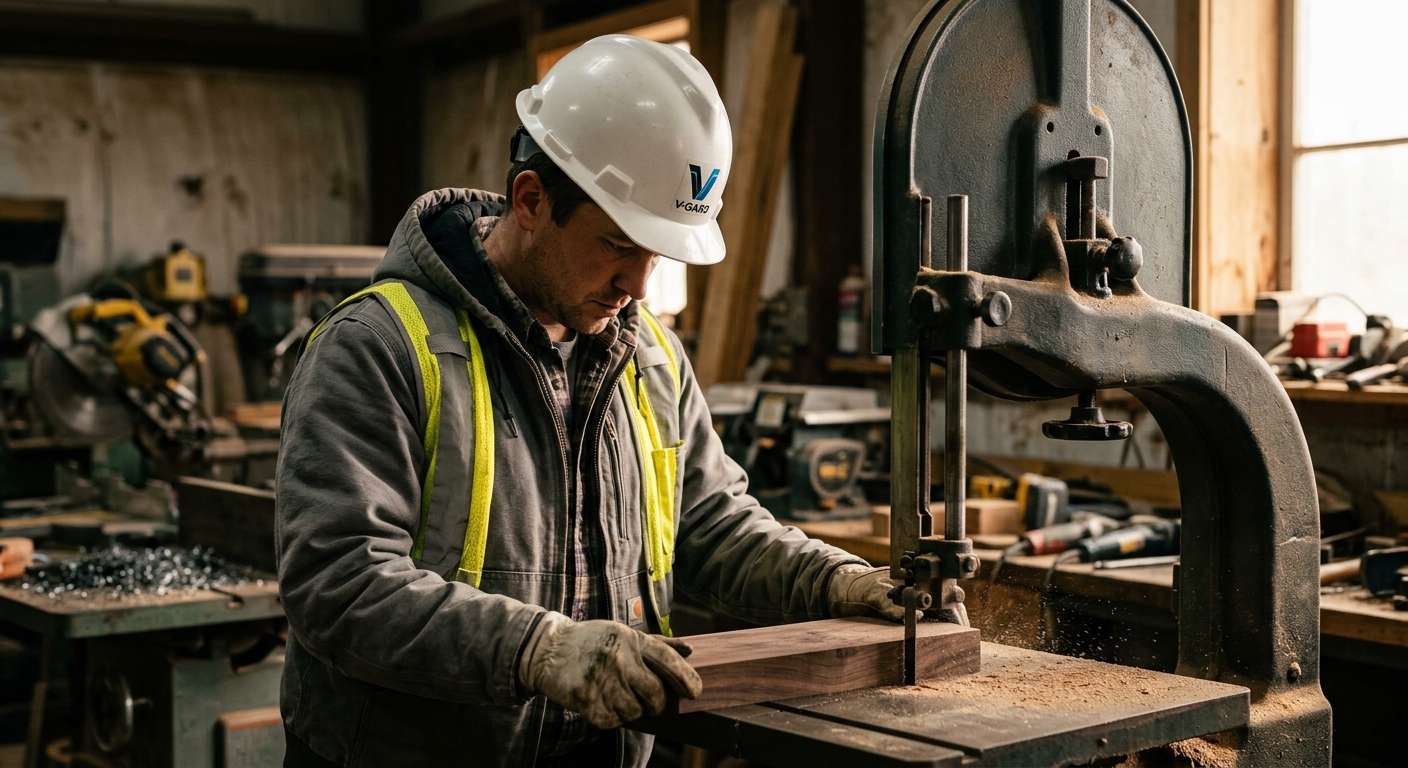
The MSA V-Gard is the most commonly worn hard hat on American job sites – and for good reason. The distinctive V-Gard shell design has withstood impact testing for over 60 years, the suspension system distributes weight and impact force comfortably, and the ANSI Class E rating handles electrical work up to 20,000V. Available in both Type I (top impact) and Type II (lateral + top impact) models. The universal suspension fits nearly every head size without tools.
- Pros: Class E electrical rating, universal suspension, Type I or II available, lightweight, trusted 60-year track record
- Cons: Basic suspension less comfortable than ratchet-adjust models, limited ventilation in hot weather
Pyramex Ridgeline+ Hard Hat – Best for Comfort
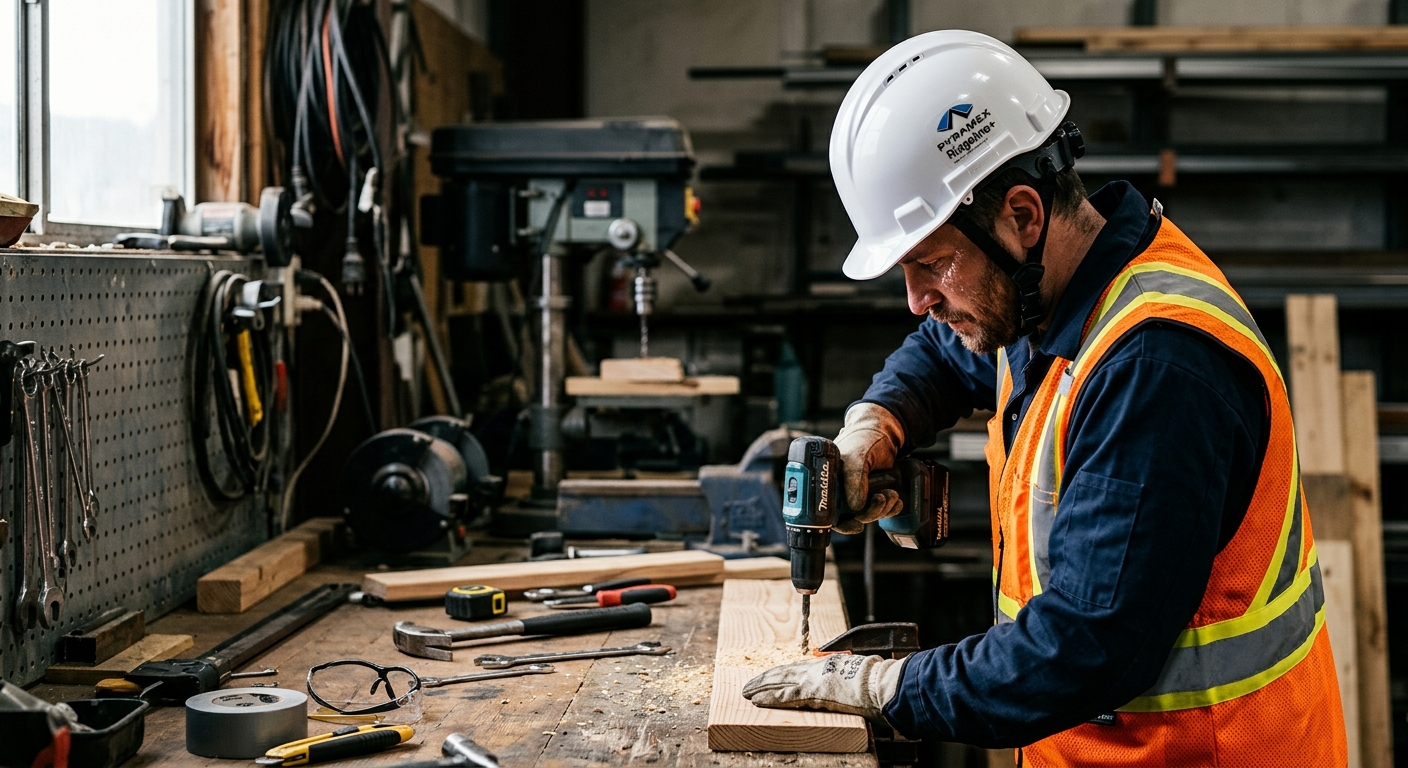
Pyramex’s Ridgeline+ adds a 6-point suspension with a comfort foam sweatband and rear ratchet adjustment – the suspension you adjust rather than force into position. The lateral flanges provide Type II protection, and the slots in the shell accept standard hard hat accessories (earmuffs, face shields) without adapters. For all-day wear, the Ridgeline+ is noticeably more comfortable than basic hard hats with 4-point suspensions.
- Pros: Ratchet adjust suspension, foam sweatband, Type II protection, accessory slots, superior all-day comfort
- Cons: Slightly heavier than basic shells, ratchet mechanism can malfunction if clogged with debris
Jackson Safety Charger HS – Best Vented Hard Hat
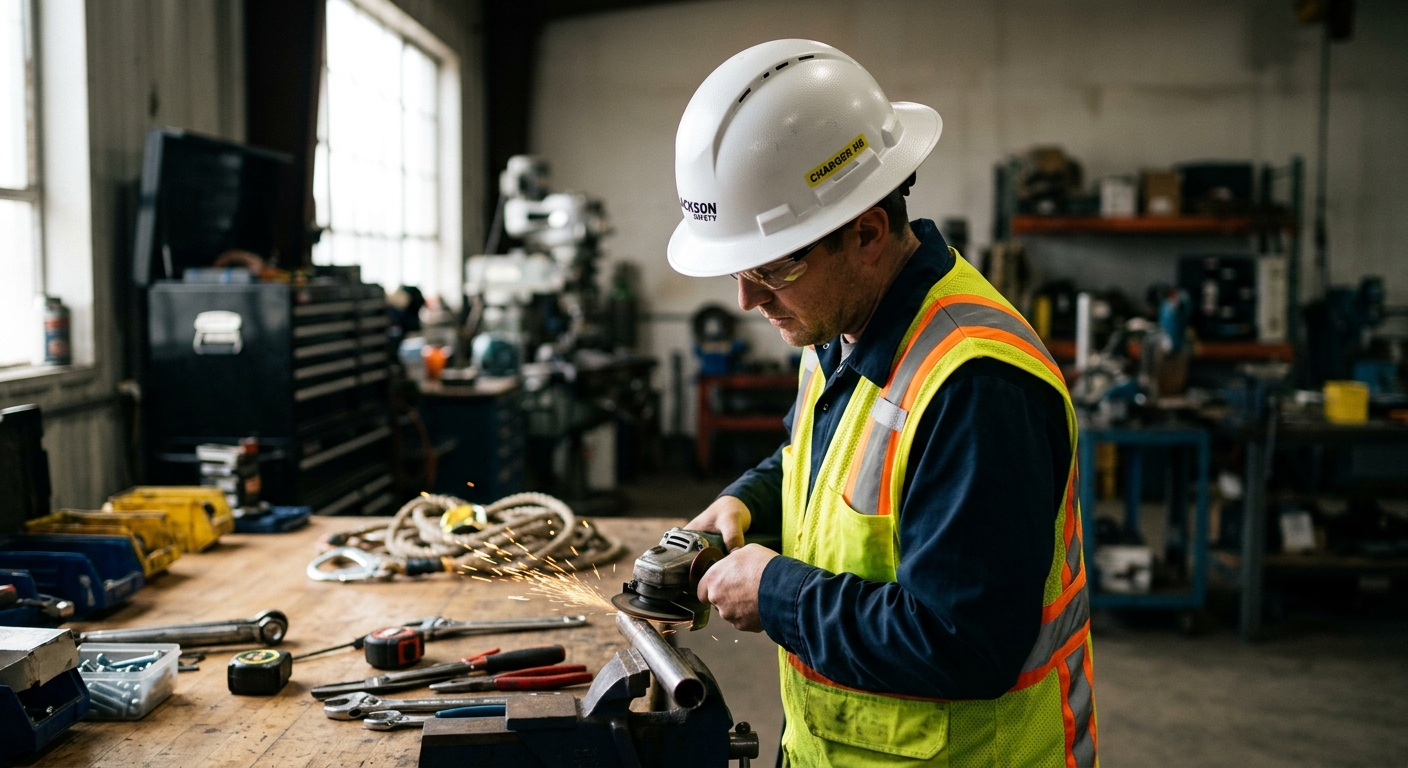
Heat stress on roofs and outdoor summer work is a real safety hazard. Jackson Safety’s vented hard hat uses slots in the shell to create airflow that dramatically reduces the heat buildup of solid shells. The suspension system is adequate for standard construction, and the Class C rating is appropriate for environments without significant electrical hazard. Not for electrical work – the vents create an electrical path through the shell. But for framing and roofing in summer heat, ventilation is a genuine safety benefit.
- Pros: Vented for airflow in heat, lighter than non-vented models, good comfort in summer conditions
- Cons: Class C only (no electrical protection), not for electrical work, debris can enter vents
ML Kishigo Class 2 Safety Vest – Best High-Visibility Vest
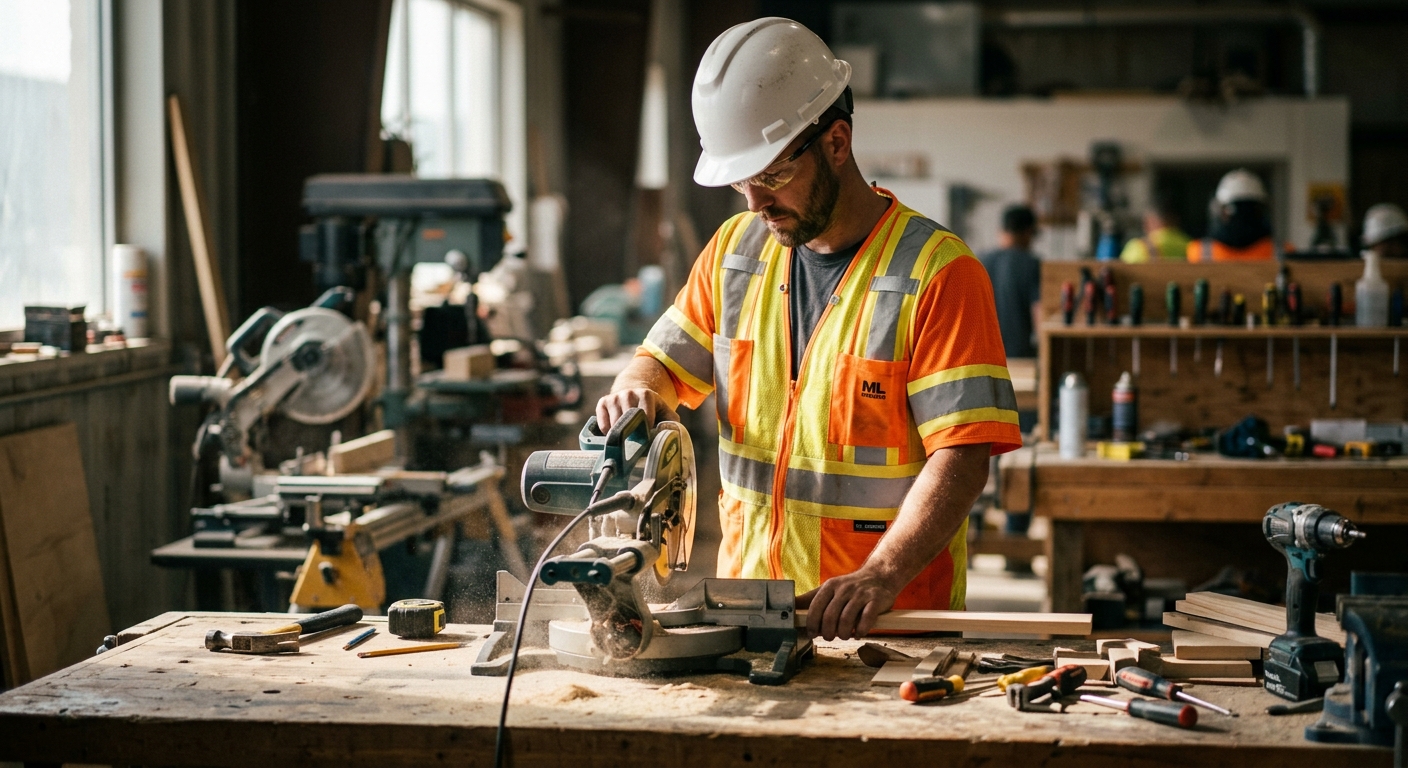
ANSI/ISEA Class 2 safety vests are required for most road construction and high-traffic environments, and strongly recommended for any work near moving vehicles or equipment. ML Kishigo’s Class 2 vest covers the torso with fluorescent material and retroreflective tape in sufficient quantity to meet Class 2 standards. The zipper closure stays secure in wind, and the mesh construction breathes in warm weather. At under $15, there’s no reason not to own one for roadside work, driveway projects, or directing traffic.
- Pros: ANSI Class 2 compliant, zipper closure, mesh for airflow, multiple pockets, very affordable
- Cons: Mesh doesn’t block wind in cold weather, reflective tape degrades over time with washing
Werner Fall Protection Harness – Best Fall Protection for Roofing
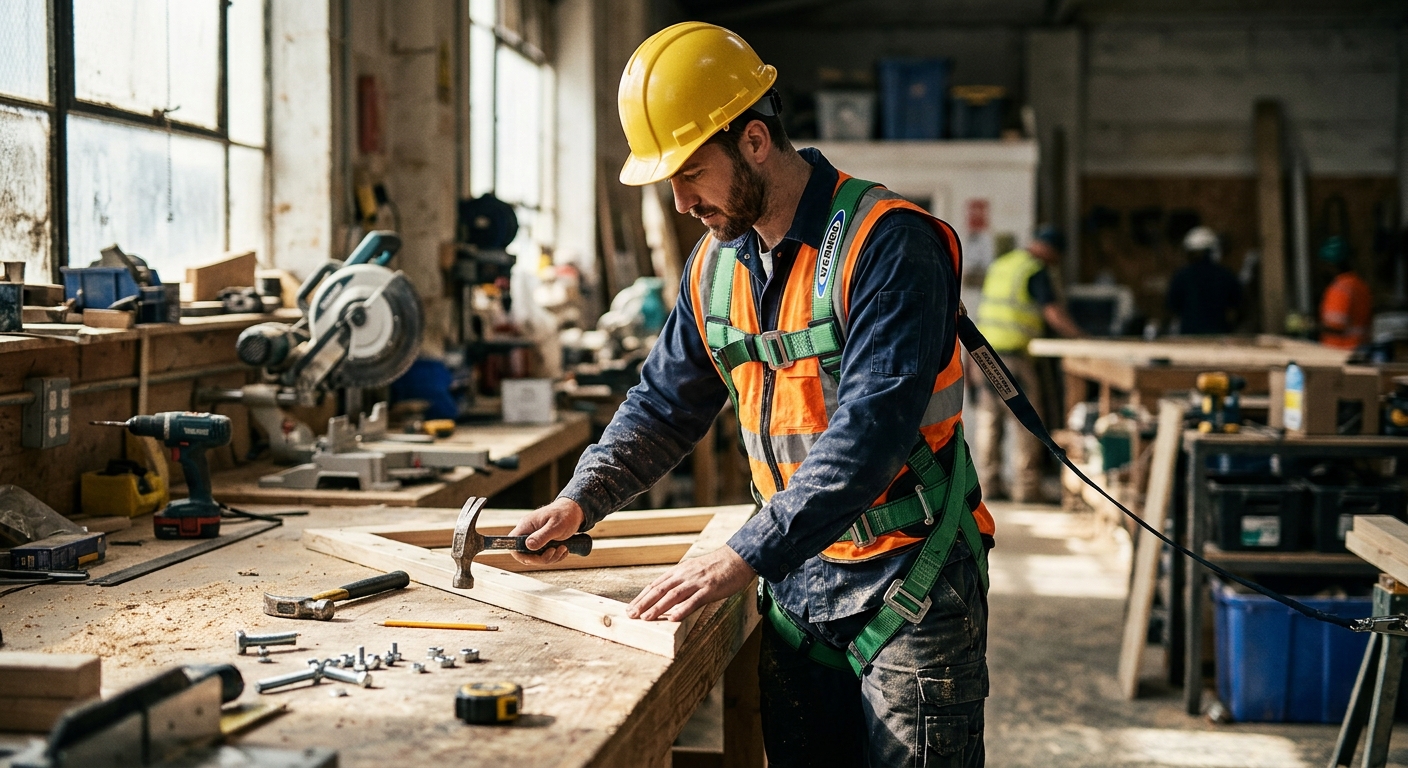
For any roof work at 6 feet or above, OSHA requires fall protection – and even for DIY work, a fall harness is the difference between a near-miss and a fatal injury. Werner’s single D-ring fall arrest harness meets ANSI Z359.11 and attaches to a lifeline or shock-absorbing lanyard. The shoulder, chest, and leg straps distribute arrest forces across the body rather than concentrating them. Every homeowner who works on their roof should own a harness and anchor point.
- Pros: ANSI Z359.11 compliant, full-body arrest force distribution, single D-ring for standard lanyards, adjustable for multiple fits
- Cons’:’Requires anchor point and lanyard (sold separately), fall arrest forces still significant (lanyard shock absorber essential)
Frequently Asked Questions
When must I wear a hard hat? Whenever there’s a risk of falling objects from above (overhead work, around cranes, under staging), risk of head impact with fixed structures, or near electrical hazards (Class E required for electrical work). On professional sites, hard hats are mandatory in most work zones.
How long does a hard hat last? ANSI recommends replacing the suspension every 12 months and the shell every 5 years, or immediately after any significant impact. UV degradation weakens plastic shells even without visible damage – retire hard hats that are 5+ years old even if they look fine.
Do I need fall protection for DIY roof work? Yes, strongly recommended. OSHA standards apply to construction workers but the physics applies to everyone – a fall from a 6/12 pitch roof at 10 feet causes the same injury whether you’re a homeowner or a roofer. Use a harness, ridge anchor, and lifeline for all roof work beyond simple gutter cleaning.
What’s the difference between ANSI Class 1, 2, and 3 vests? Class 1 minimum coverage for low-speed, low-hazard environments. Class 2 for moderate traffic and faster speeds – most common job site vest. Class 3 adds sleeve visibility for the highest-hazard environments (highway flagging, nighttime road work).
Bottom Line
The MSA V-Gard earns Best Overall for its proven track record, Class E electrical rating, and universal availability on job sites worldwide. Upgrade to Pyramex Ridgeline+ for all-day comfort if you wear a hard hat daily. Every DIYer who works on roofs or near overhead hazards should own a hard hat and a fall harness – these are the PPE items that prevent the catastrophic injuries, not just the minor ones.
Affiliate Disclosure: DIY Arsenal participates in the Amazon Associates Program and other affiliate programs. When you purchase through links on this site, we may earn a small commission at no additional cost to you. We only recommend products we have personally tested and genuinely believe in.