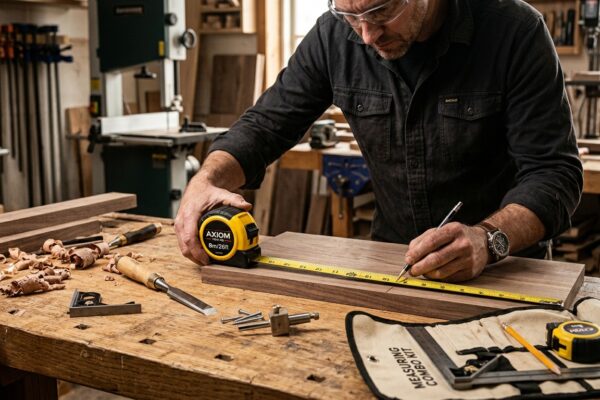
Best Digital Calipers for Woodworking, Machining, and Hobbyist Use
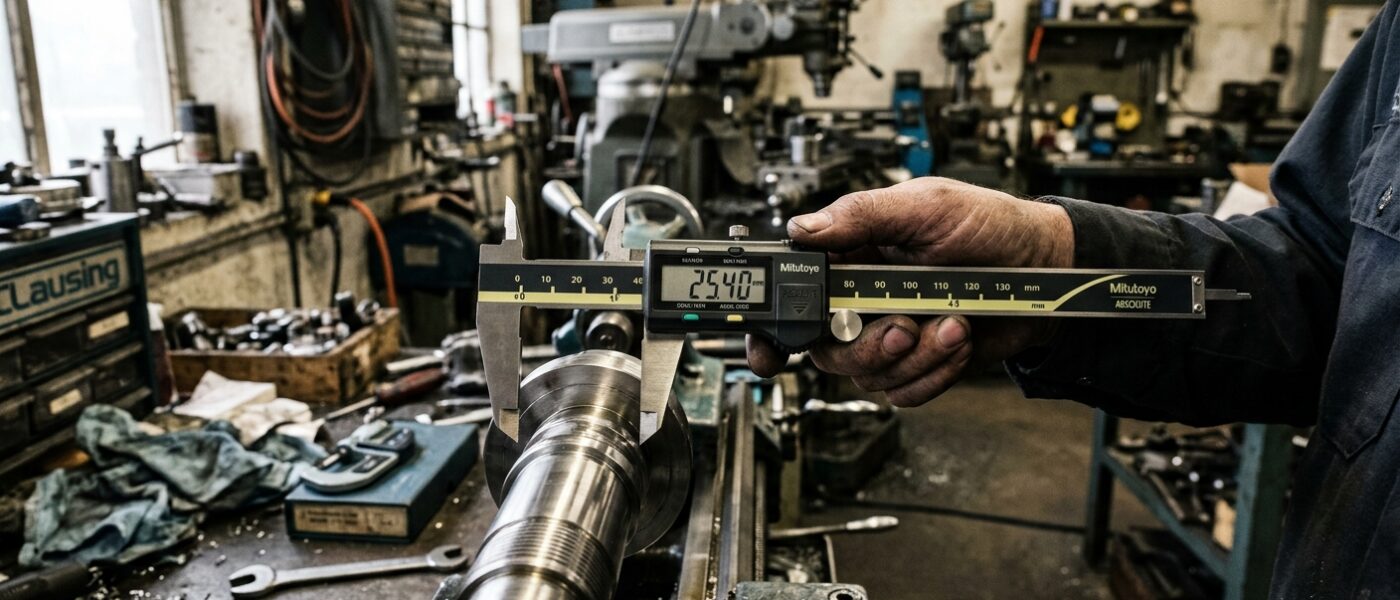
Mitutoyo 500-196-30 is the lifetime precision standard; iGaging delivers 90% of the quality at 20% of the cost
Digital calipers are the bridge between rough measurement and precision measurement. Where a tape measure reads to 1/32 inch, a digital caliper reads to 0.001 inch (0.025mm). They’re essential for checking bolt diameter, verifying the thickness of shims, measuring drill bit sizes, setting router bit heights, and countless other tasks where tape measures fall short. This guide covers the best digital and vernier calipers for DIYers and hobbyists.
How We Evaluate Calipers
We tested calipers for measurement accuracy (verified against gauge blocks), repeatability (do you get the same reading 10 times in a row?), jaw closure quality (do the jaws meet perfectly when zeroed?), display readability, IP rating for dust and coolant resistance, battery life, and overall build quality. A caliper that drifts between measurements is worse than useless for precision work.
Top Picks
Mitutoyo 500-196-30 Digital Caliper – Best Overall
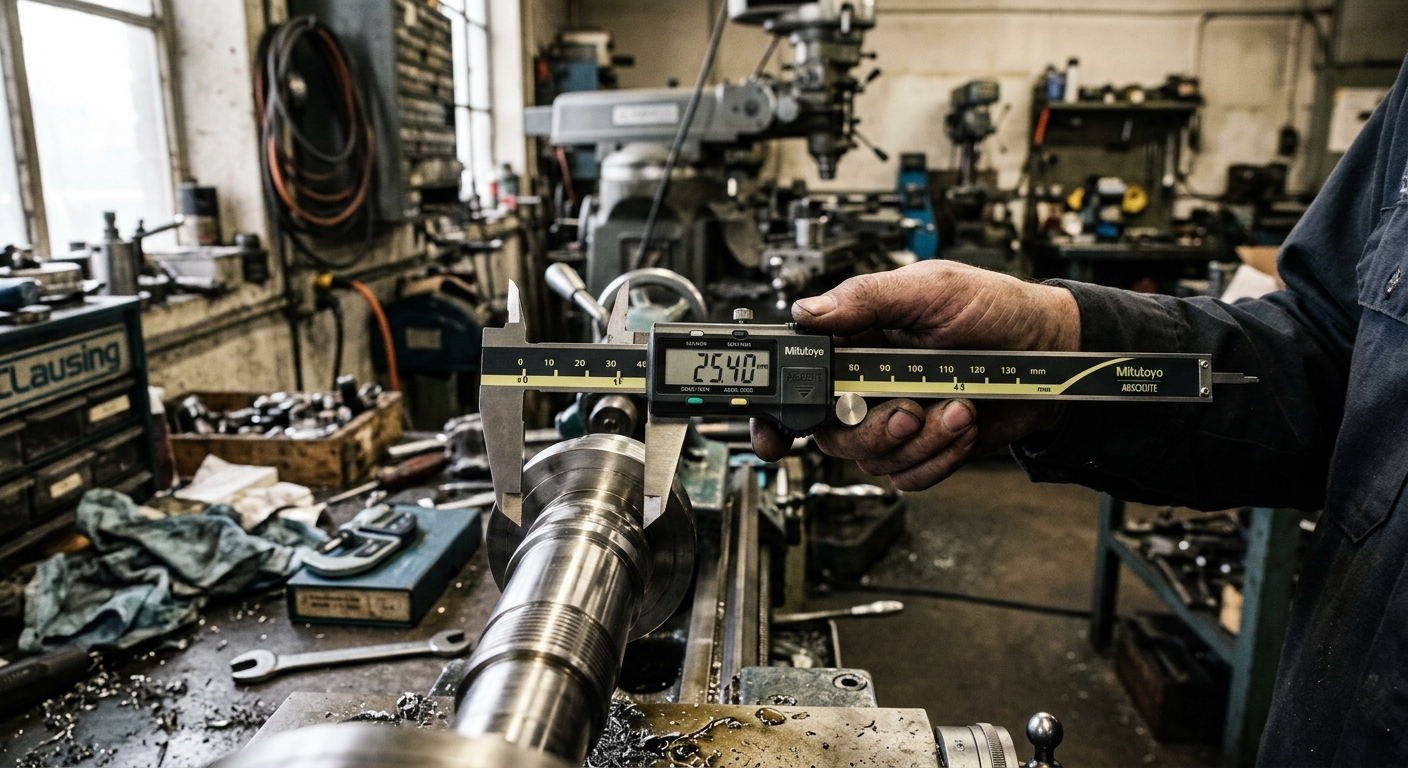
Mitutoyo is the Japanese precision measurement benchmark used by aerospace, automotive, and medical manufacturers worldwide. The 500-196-30 is their accessible digital caliper: 6-inch range, 0.0005-inch resolution, carbide-tipped jaws that maintain their precision through years of use, and an IP67 rating that handles cutting fluid, coolant, and shop dust. The thumb roller makes fine measurement smooth, and the display is crisp in any lighting. Buy once, use forever.
- Pros: Mitutoyo precision quality, IP67 rated, carbide jaws, 0.0005-in resolution, superb repeatability, lifetime durability
- Cons: Expensive for a digital caliper, more than most DIYers need
iGaging 100-700-04 Digital Caliper – Best Value
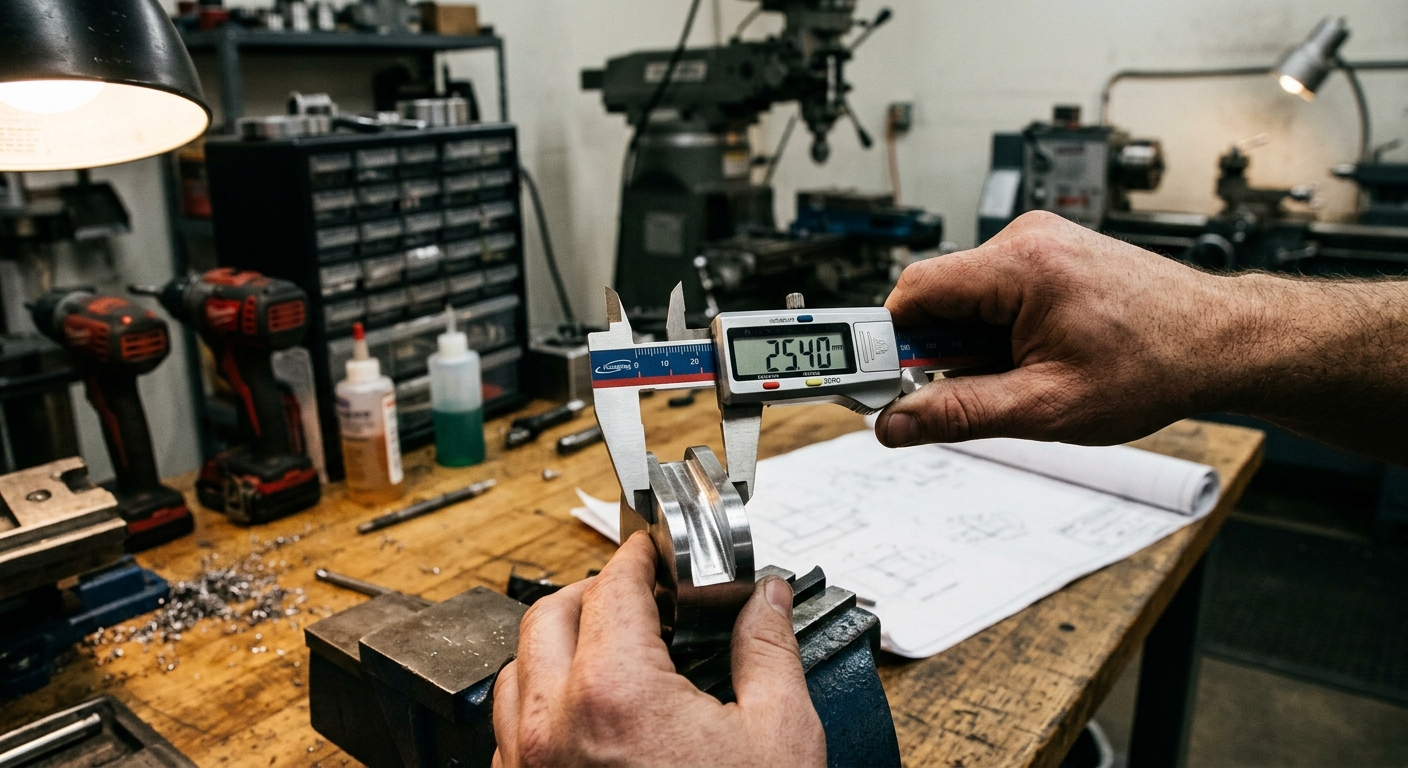
iGaging’s 6-inch digital calipers offer 0.0005-inch resolution at a fraction of the Mitutoyo price. The stainless steel jaws are adequately precise for woodworking and hobbyist metalwork, the battery lasts well, and the auto-off feature preserves battery without frustration. Accuracy is within 0.001 inch across the range – acceptable for most non-critical measurement needs. The most popular caliper recommendation for beginner machinists and woodworkers.
- Pros: 0.0005-in resolution, accurate to 0.001 inch, stainless jaws, auto-off, excellent value
- Cons’:’Not IP rated, plastic body sections less durable than Mitutoyo, jaws can lose calibration if dropped
Mitutoyo 530-104 Vernier Caliper – Best Vernier
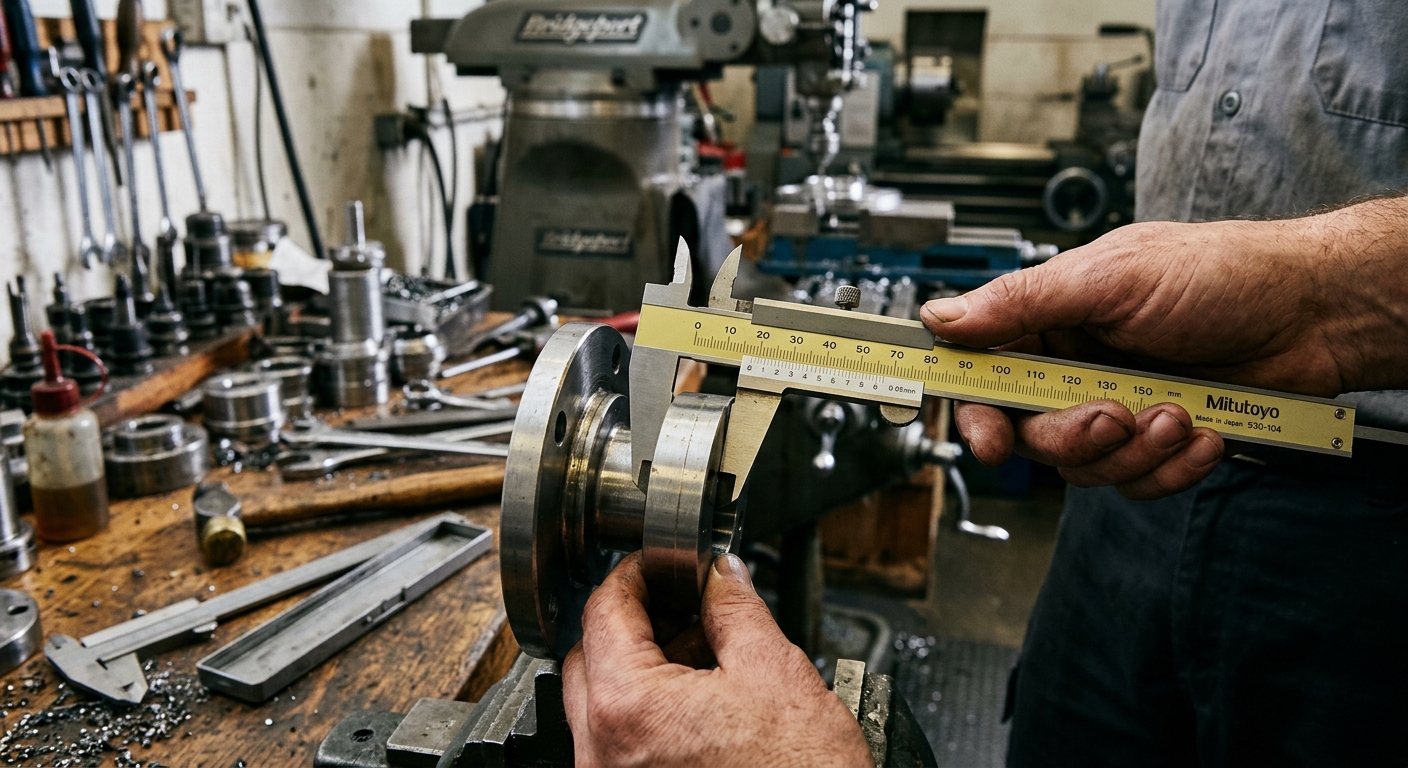
Vernier calipers require no batteries and never need calibration. The analog vernier scale reads to 0.001 inch by reading the alignment of two scale systems. Mitutoyo’s 530-104 is the classic tool machining students have used for decades. More reliable in harsh environments than digital tools and teaches a measurement discipline that makes you a better practitioner. A secondary caliper worth owning alongside a digital model.
- Pros: No batteries, no calibration needed, reads in direct light or shadow, teaches measurement reading, durable indefinitely
- Cons: Requires practice to read accurately, slower than digital, eyesight-dependent
Fowler 52-008-700 Dial Caliper – Best Dial Caliper
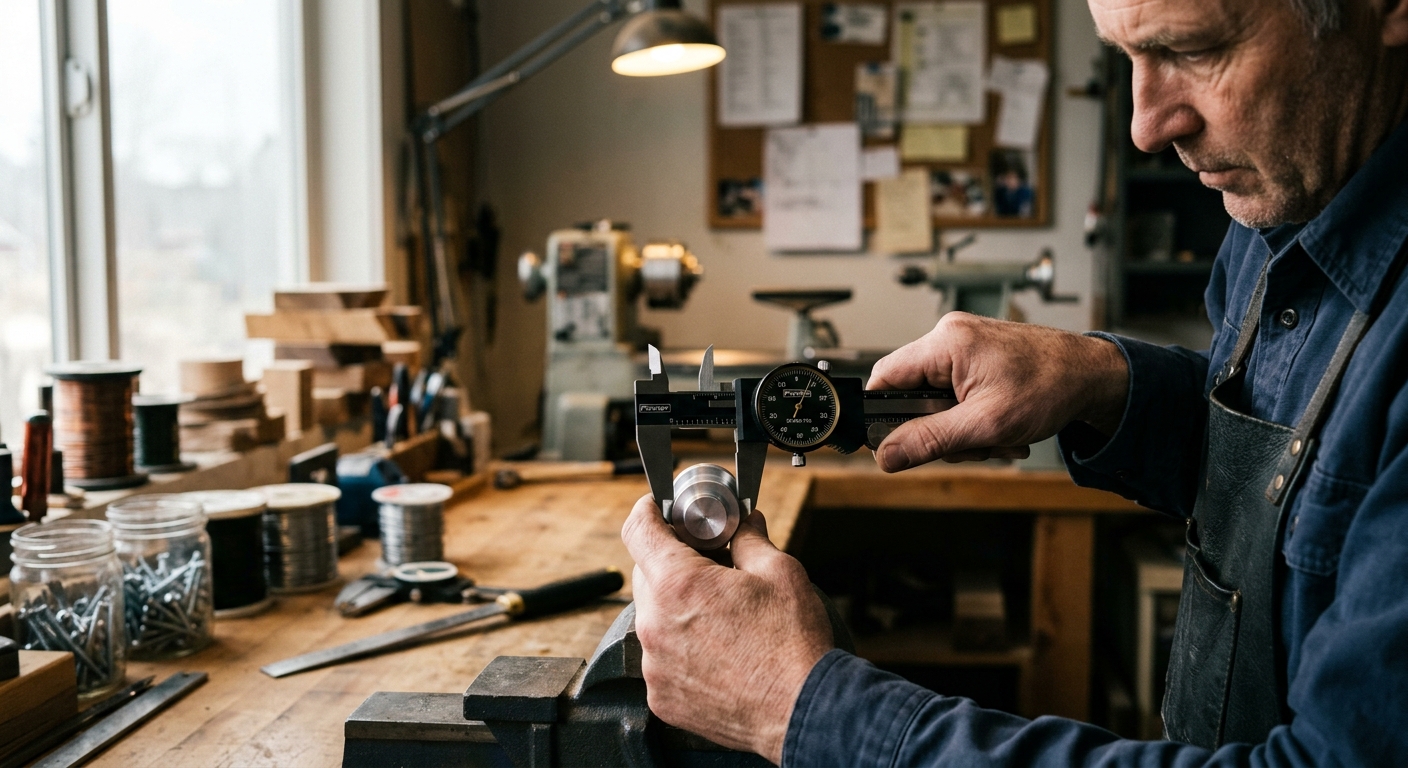
Dial calipers use a rack-and-pinion mechanism driving a dial indicator rather than a digital display. The dial is fast to read, requires no batteries, and provides analog feedback as you approach your target dimension. Fowler’s Yellow Face dial caliper is exceptionally easy to read with its bright yellow background and large numbers. Preferred by many machinists over digital for its tactile, real-time feedback during measurement.
- Pros: Fast dial reading, no batteries, real-time feedback during measurement, excellent readability, durable
- Cons’:’More expensive than basic digital, dial can be affected by significant temperature changes, needs occasional lubrication
General Tools 147 6-Inch Digital Caliper – Best Budget
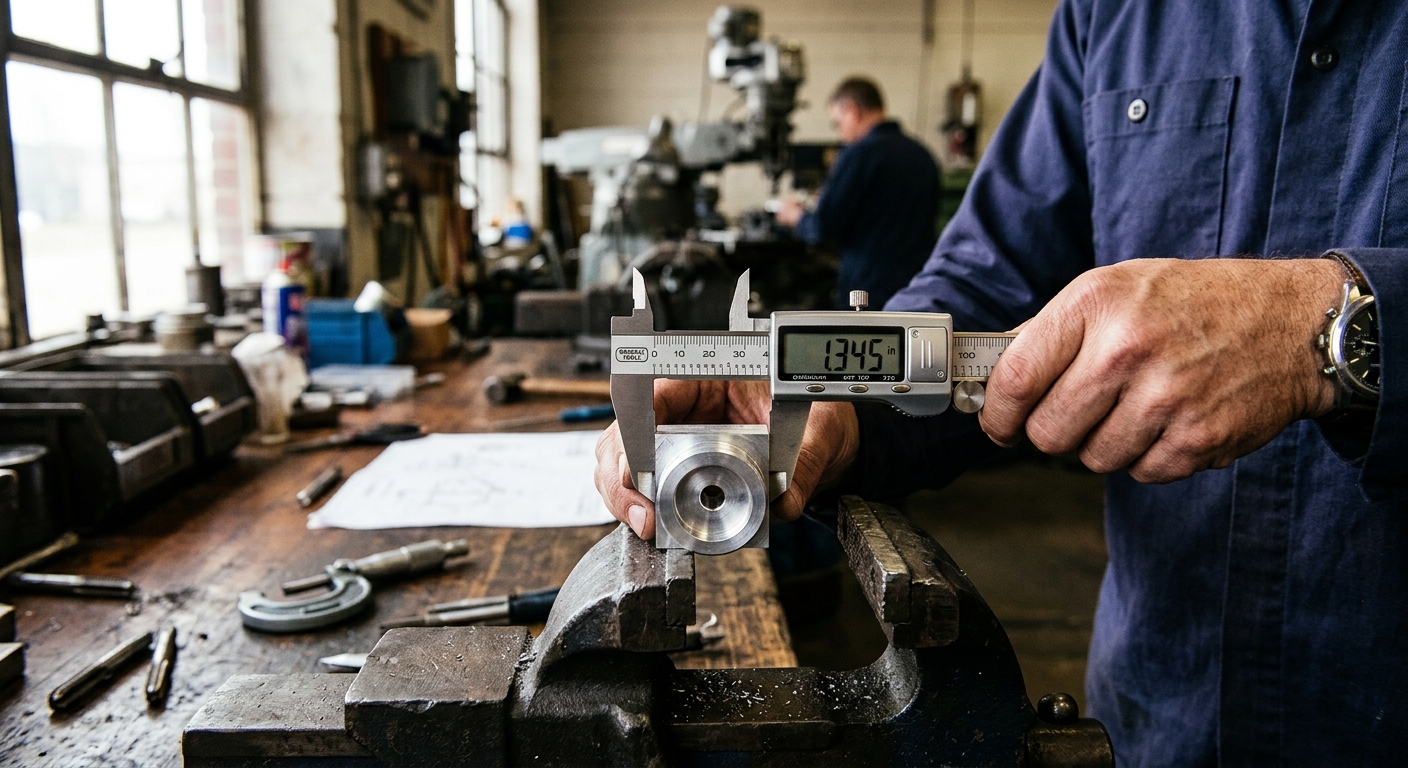
General Tools’ digital caliper is available at most hardware stores for under $20. It reads in inches and millimeters, switches between fractional and decimal, and performs adequately for simple bolt sizing, woodworking checks, and craft projects. Not accurate enough for precision machining – the jaw closure is imperfect and accuracy degrades over time. But for a first caliper to determine if you’ll actually use one, it’s a reasonable starting point.
- Pros: Very affordable, inches/mm/fractions, available at hardware stores, adequate for light use
- Cons: Not accurate for precision work, jaws degrade quickly, no auto-off, battery drains fast
Frequently Asked Questions
How accurate do I need a caliper to be? For woodworking: 0.001 inch is plenty. For machining to drawing tolerances: 0.0005 inch or better. For aerospace or medical: invest in Mitutoyo or better. Most DIYers are well-served by the iGaging at 0.001 inch accuracy.
How do I zero a digital caliper? Close the jaws fully and press the zero button. The display reads 0.000. If the jaws don’t meet cleanly when closed, the caliper needs replacement or recalibration.
Digital vs dial vs vernier – which type is best? Digital is fastest for most shop use. Dial provides excellent real-time feedback. Vernier requires no batteries and never drifts. Many machinists own all three and choose by task.
Can calipers measure inside dimensions? Yes – the upper smaller jaws measure inside dimensions like bore diameters, slot widths, and groove widths. The depth rod on the back edge measures hole or slot depths.
Bottom Line
The Mitutoyo 500-196-30 earns Best Overall for a quality standard that matches professional needs – if you’ll use calipers regularly, the Mitutoyo is the right long-term investment. The iGaging is the smart value pick for woodworkers and hobbyists who need better than tape-measure precision without spending $150. Own a caliper and you’ll wonder how you designed and built things without one.
Affiliate Disclosure: DIY Arsenal participates in the Amazon Associates Program and other affiliate programs. When you purchase through links on this site, we may earn a small commission at no additional cost to you. We only recommend products we have personally tested and genuinely believe in.