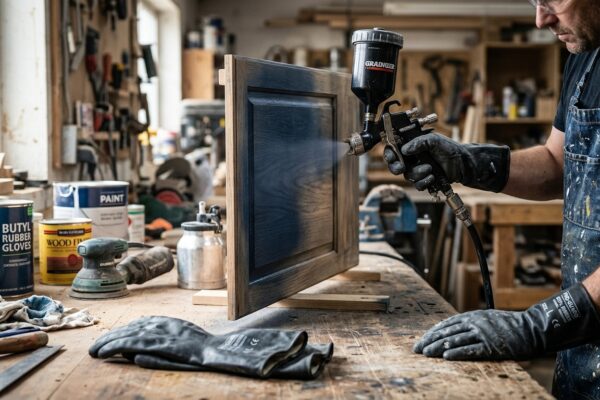
Best Work Gloves for DIY – Cut-Resistant, Impact, and Chemical Protection Options
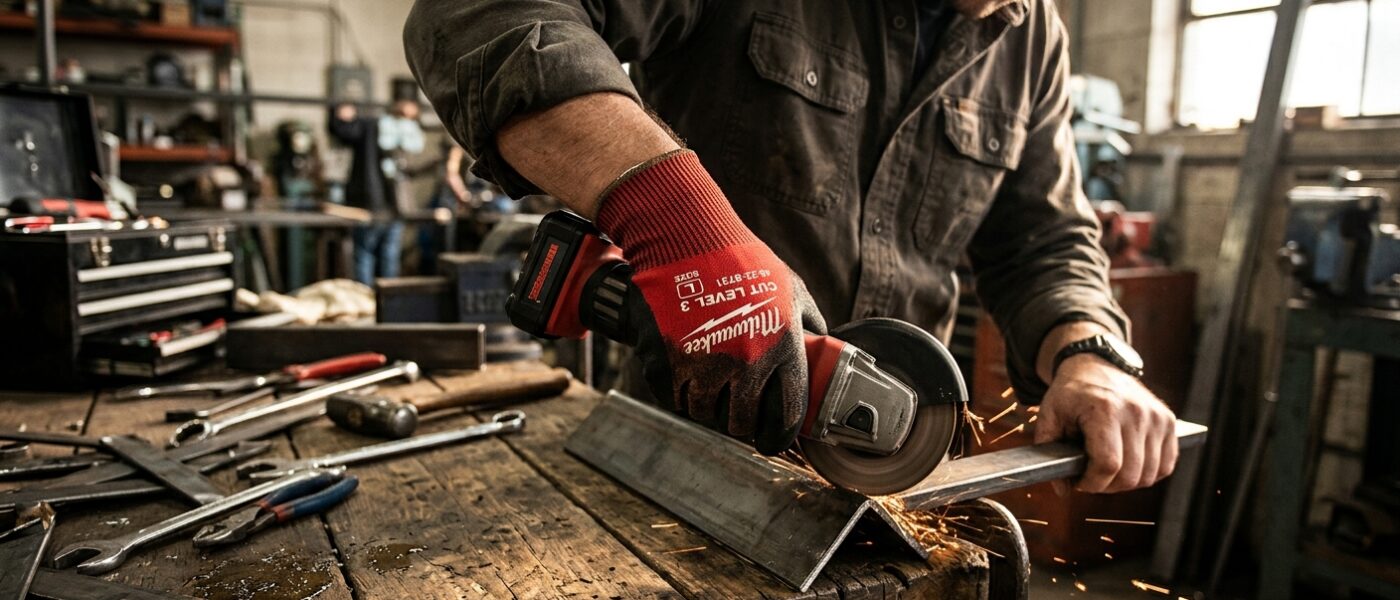
Milwaukee cut-resistant gloves deliver ANSI A4 protection with dexterity that actually lets you work
Work gloves protect hands from cuts, abrasions, punctures, chemicals, and vibration – but the right glove for cutting drywall is wrong for precision electrical work, and the right glove for chemical handling is useless for grip on a cordless drill. Choosing the correct glove type matters as much as wearing any glove at all. This guide covers the best work gloves across categories for DIYers and tradespeople.
How We Evaluate Work Gloves
We tested gloves for dexterity (can you feel fasteners, operate tools, read instrument displays?), cut resistance (ANSI cut level A1-A9), grip performance on tools and wet surfaces, fit across different hand sizes, durability of materials and seams, and comfort during extended wear. A glove that reduces dexterity so much that you remove it to do precision tasks provides no protection for the most critical moments.
Top Picks
Milwaukee 48-22-8731 Cut Level 3 Gloves – Best Overall
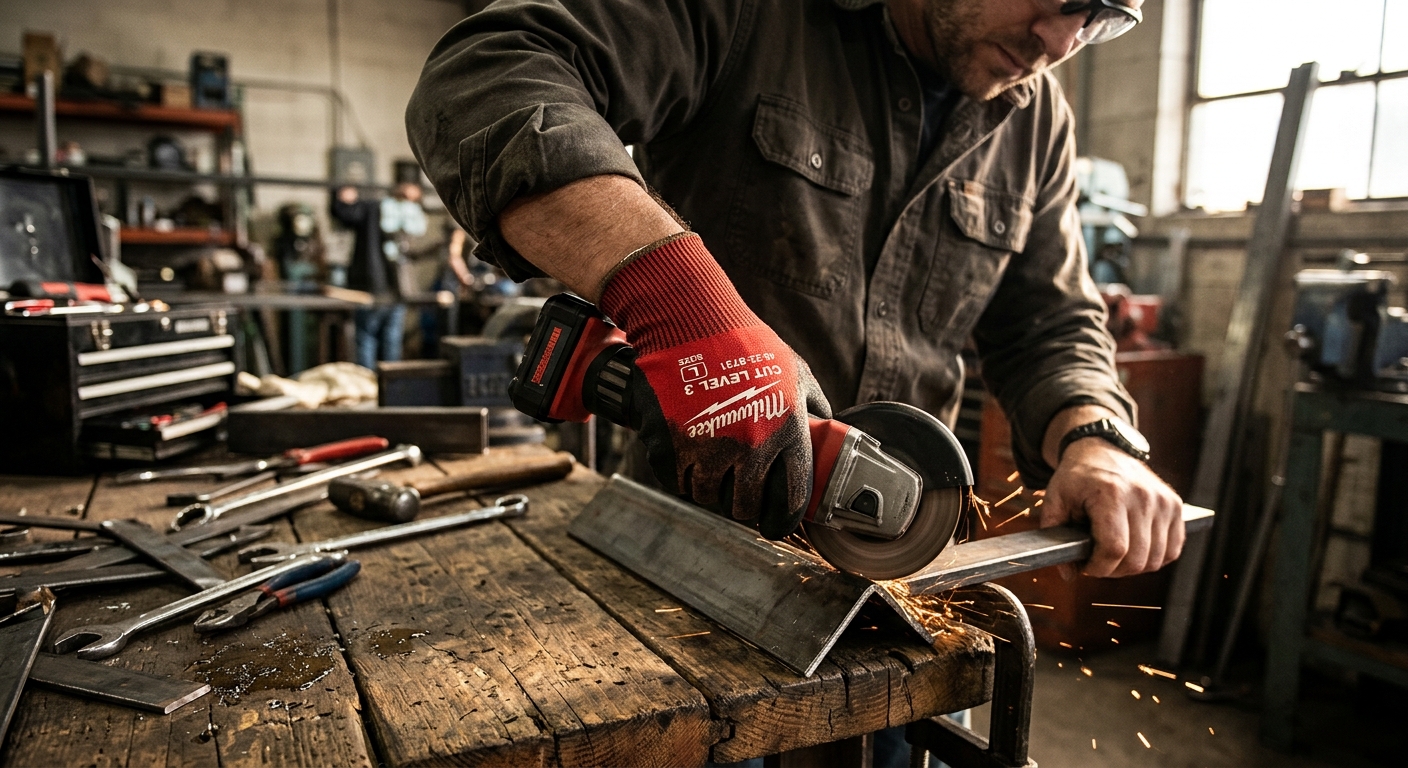
Milwaukee’s high-dexterity cut-resistant gloves achieve ANSI cut level A4 while maintaining the close-fitting feel that makes tool operation natural. The thin high-performance cut-resistant liner is covered with a form-fitting coating on the palm that grips tools and materials while allowing fingertip sensitivity. Touch-screen compatible fingertips let you operate a phone or tablet without removing the gloves. The benchmark for trades workers who need real cut protection without sacrificing feel.
- Pros: ANSI A4 cut resistance, high dexterity, touchscreen fingers, excellent grip, comfortable fit
- Cons: Not for chemical exposure, not waterproof, thinner than padded impact gloves
DeWalt DPG750 Impact Protection Gloves – Best for Heavy Work

For construction work involving heavy materials, concrete, and demolition, the DeWalt DPG750 impact gloves provide padded protection on the back of the hand and fingers while maintaining grip on the palm. The TPR (thermoplastic rubber) impact absorbers on the knuckles and dorsal area protect from dropped materials and crush injuries. Cut level A2 protection plus the impact rating makes these appropriate for demo, block laying, and heavy framing.
- Pros: TPR impact absorbers, A2 cut resistance, padded knuckles, good grip, durable construction
- Cons: Less dexterity than thin cut-resistant gloves, bulk limits precision tasks
Mechanix Wear M-Pact – Best Mechanic’s Glove
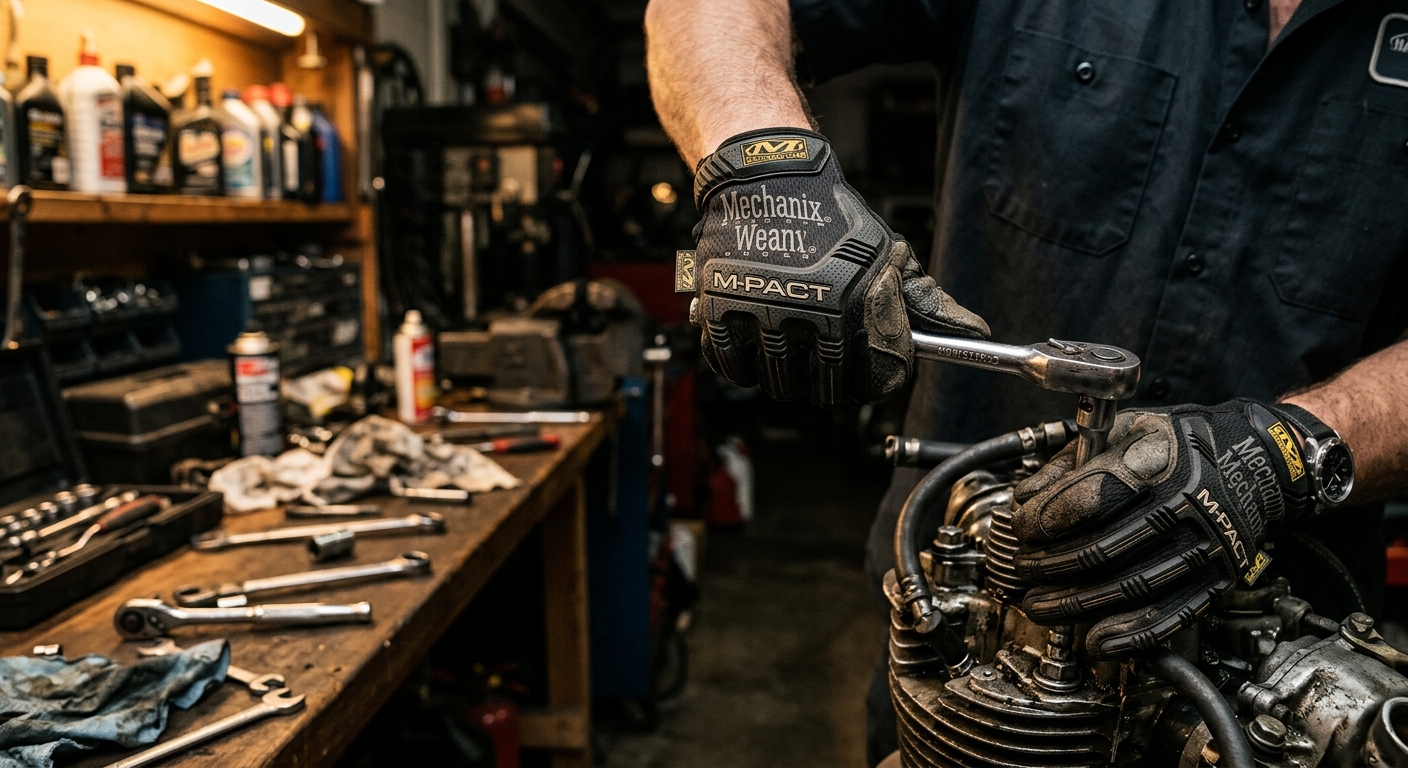
Mechanix Wear defined the automotive and mechanical work glove category and the M-Pact remains the benchmark. The neoprene knuckle guard, vibration-absorbing palm pad, and synthetic leather palm provide protection without eliminating the tactile feedback needed for precision mechanical work. The spandex back breathes for comfort during long wrench sessions, and the wrist closure keeps the glove from sliding off. Standard equipment for automotive technicians worldwide.
- Pros: Neoprene knuckle guard, vibration-absorbing pad, touchscreen-compatible fingertips, breathable back, secure wrist closure
- Cons’:’Cut resistance is basic (not rated for sharp edges), not suitable for chemical exposure, palm wear over time
Youngstown Glove 12-3265-60 – Best for Cold-Weather Work
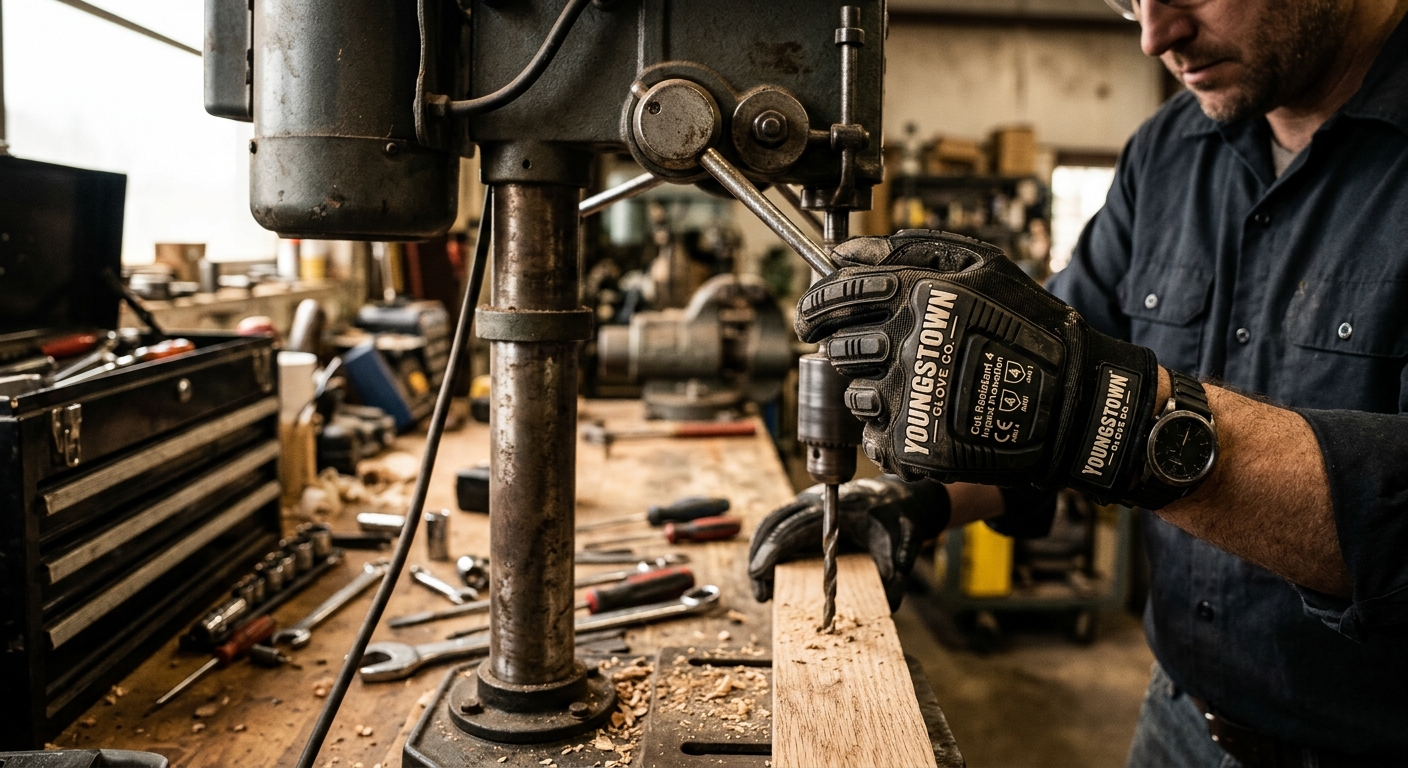
Cold hands make tool work dangerous – fingers lose dexterity faster than most people realize, increasing the likelihood of dropped tools and misjudged cuts. Youngstown’s winter gloves use Thermacore insulation with a waterproof shell to maintain dexterity in cold conditions. The thin insulation package keeps bulkiness manageable while providing meaningful warmth down to below-freezing temperatures. Essential for outdoor winter work on decks, roofing, and framing.
- Pros: Thermacore insulation, waterproof shell, maintains dexterity in cold, durable leather palm, adjustable wrist
- Cons’:’Thicker than summer gloves (reduced dexterity), not suitable for chemical exposure
Ansell Sol-Vex Nitrile Gloves – Best Chemical Resistant
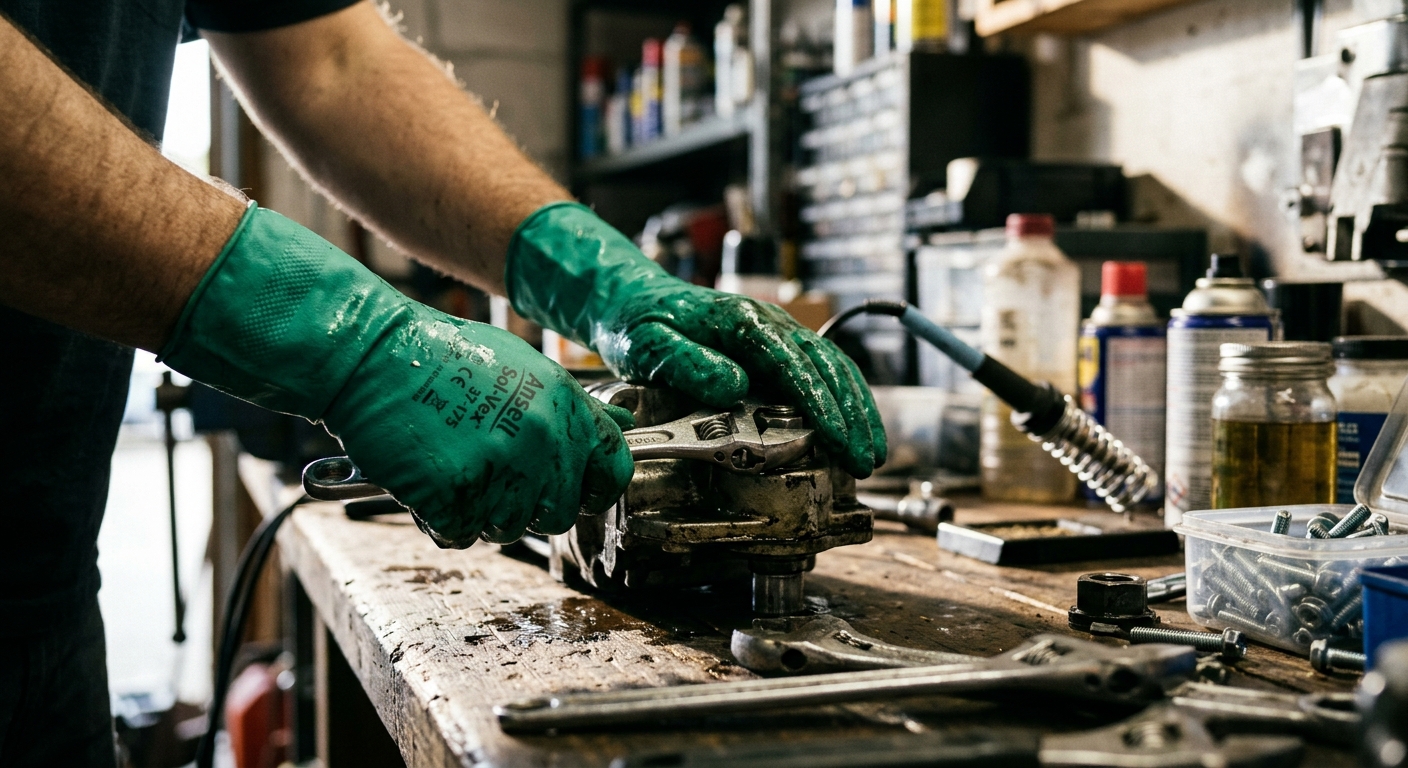
For chemical work – handling solvents, cleaning agents, battery acid, strong cleaners – nitrile provides better chemical resistance than latex or vinyl. Ansell’s Sol-Vex nitrile gloves are 15-mil thick (heavier than disposable nitrile) with flock-lining for comfort during extended wear. They resist most organic solvents, acids, and petroleum products. A box of these is essential in any shop that handles finishing chemicals, automotive fluids, or cleaning agents.
- Pros: Chemical resistant to solvents and acids, 15-mil durability, flock-lined for comfort, reusable
- Cons’:’Limited tactile sensitivity vs cut-resistant gloves, not rated for cut protection, not insulated
Frequently Asked Questions
Should I wear gloves when using a table saw? This is controversial – some safety professionals advise against gloves with rotating blade tools because loose gloves can catch in blades and drag hands into cutting zones. Tight-fitting cut-resistant gloves are acceptable; loose or padded gloves are not recommended for table saw work specifically.
What ANSI cut level do I need? A1-A2 for light work. A3-A4 for general construction. A5-A6 for sheet metal and glass handling. A7-A9 for very high-cut-hazard environments (cutting wire mesh, glass sheets). Most DIY work is adequately protected by A2-A4.
Can I wash work gloves? Most cut-resistant and mechanic’s gloves are machine washable on cold/delicate cycles. Check manufacturer instructions. Chemical-resistant nitrile gloves can be washed with soap and water before removing. Never machine wash leather-palmed gloves – condition with leather conditioner instead.
Do gloves prevent vibration damage? Anti-vibration gloves reduce vibration transmission from tools but do not eliminate vibration-induced white finger (Raynaud’s from power tool use). Reduce vibration exposure time, maintain tools properly, and use anti-vibration gloves as a supplement to, not replacement for, limiting exposure time.
Bottom Line
Milwaukee’s cut-resistant gloves earn Best Overall for their combination of genuine ANSI A4 protection, high dexterity, and touchscreen compatibility that makes them practical for real work situations. Different tasks demand different gloves – own at least cut-resistant gloves for construction work, Mechanix M-Pact for mechanical work, and nitrile gloves for chemical handling. The right glove on the right task keeps all ten fingers healthy for decades of DIY.
Affiliate Disclosure: DIY Arsenal participates in the Amazon Associates Program and other affiliate programs. When you purchase through links on this site, we may earn a small commission at no additional cost to you. We only recommend products we have personally tested and genuinely believe in.