Best Hand Planes for Woodworking – Smoothers, Jack Planes, and Specialty Options
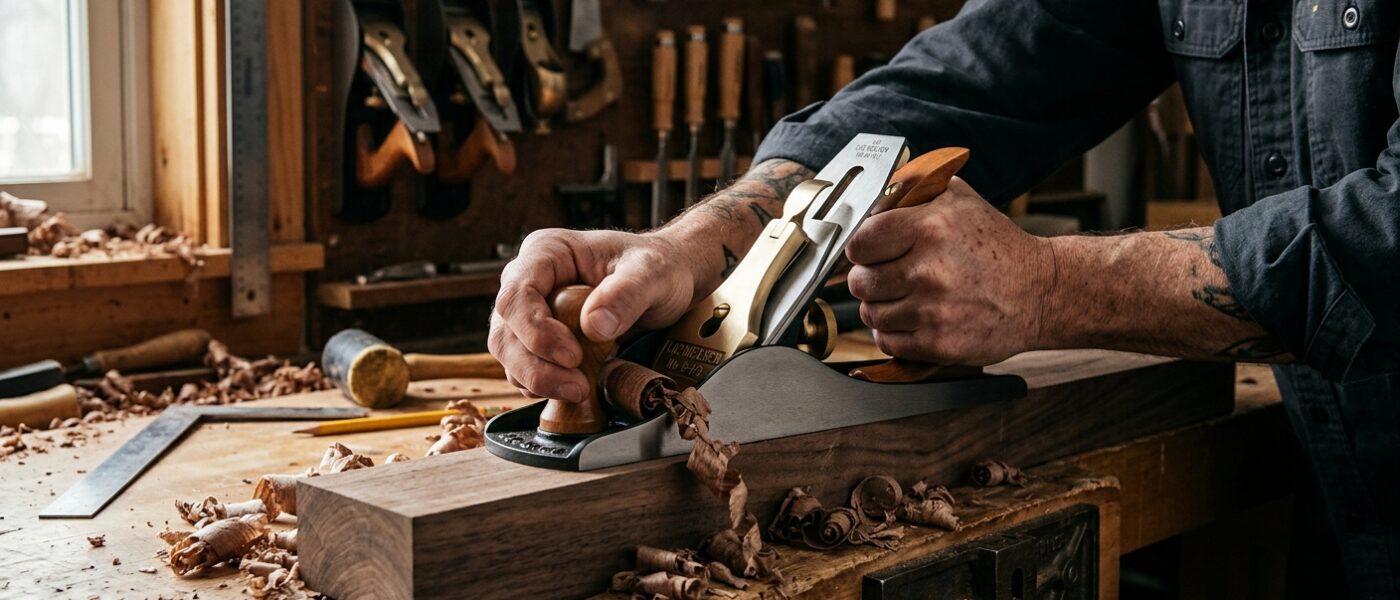
Veritas Low-Angle Jack handles every grain direction with exceptional PM-V11 iron
Planes are the quintessential hand-tool woodworking instrument – nothing else produces the silky, glue-ready surface that a freshly sharpened hand plane creates on a board face or edge. But planes also have a reputation for complexity that discourages beginners. This guide cuts through the confusion and identifies the best options for DIYers at every level, from first plane to a complete hand-plane toolkit.
How We Evaluate Hand Planes
We tested planes for iron (blade) quality and ease of sharpening, body flatness (critical for function), adjustment mechanism precision, frog-to-body fit, and overall usability out of the box. A hand plane that requires $100 in prep work before it functions is a poor value. We prioritized planes that can be tuned to excellent function quickly and hold their adjustment reliably.
Top Picks
Lie-Nielsen No. 4-1/2 Smoother – Best Premium
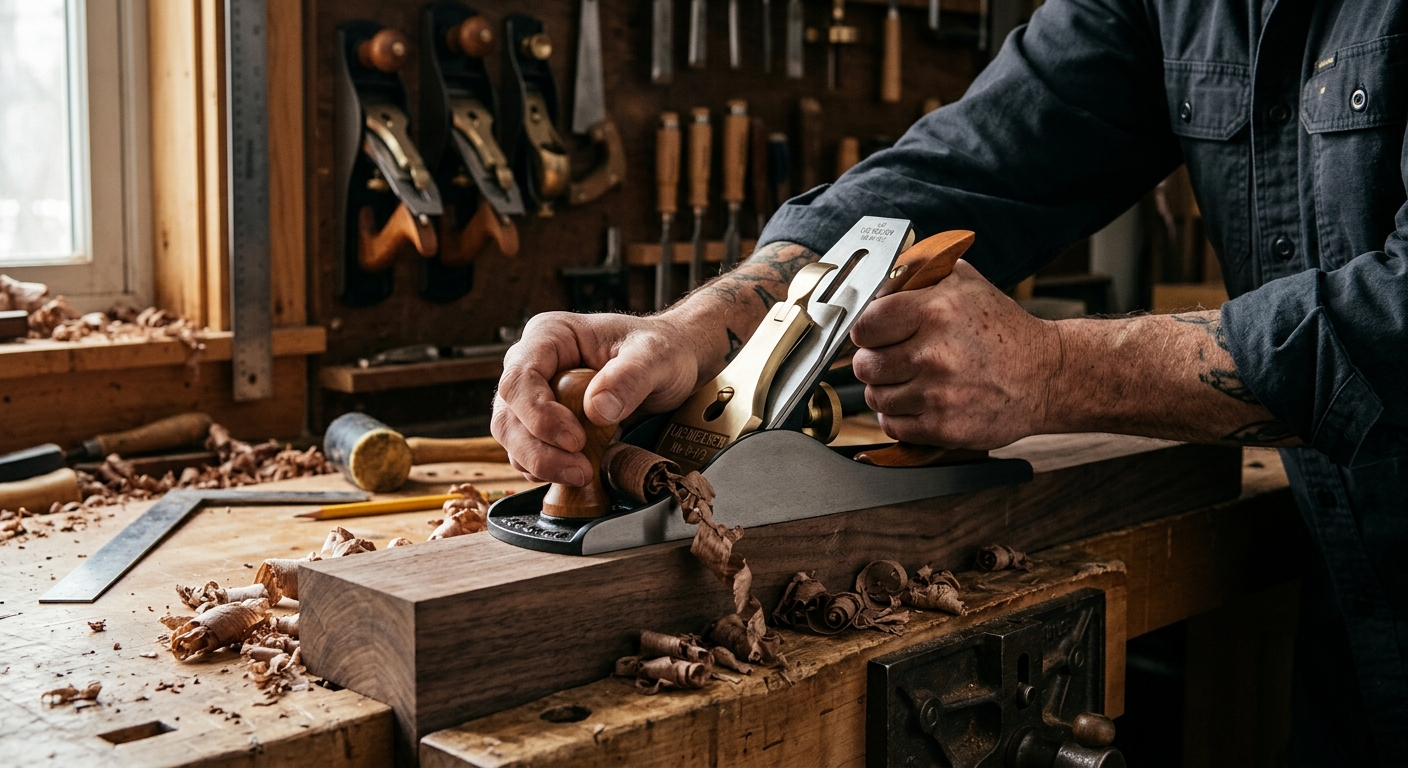
The Lie-Nielsen No. 4-1/2 is widely considered the finest bench plane in current production. The ductile iron body is machined to tight tolerances, the A2 steel iron holds an edge for hours of planing, and the frog-to-body fit is perfect. Unlike vintage Stanley planes, Lie-Nielsen planes require minimal setup before first use. The 4-1/2’s extra width (3-3/16 inch iron) makes it ideal for panel smoothing and difficult grain.
- Pros: Finest production quality available, minimal setup, A2 iron holds exceptional edge, excellent for difficult grain
- Cons: Very expensive ($350+), heavier than standard No. 4
Veritas Low-Angle Jack Plane – Best Versatile Plane
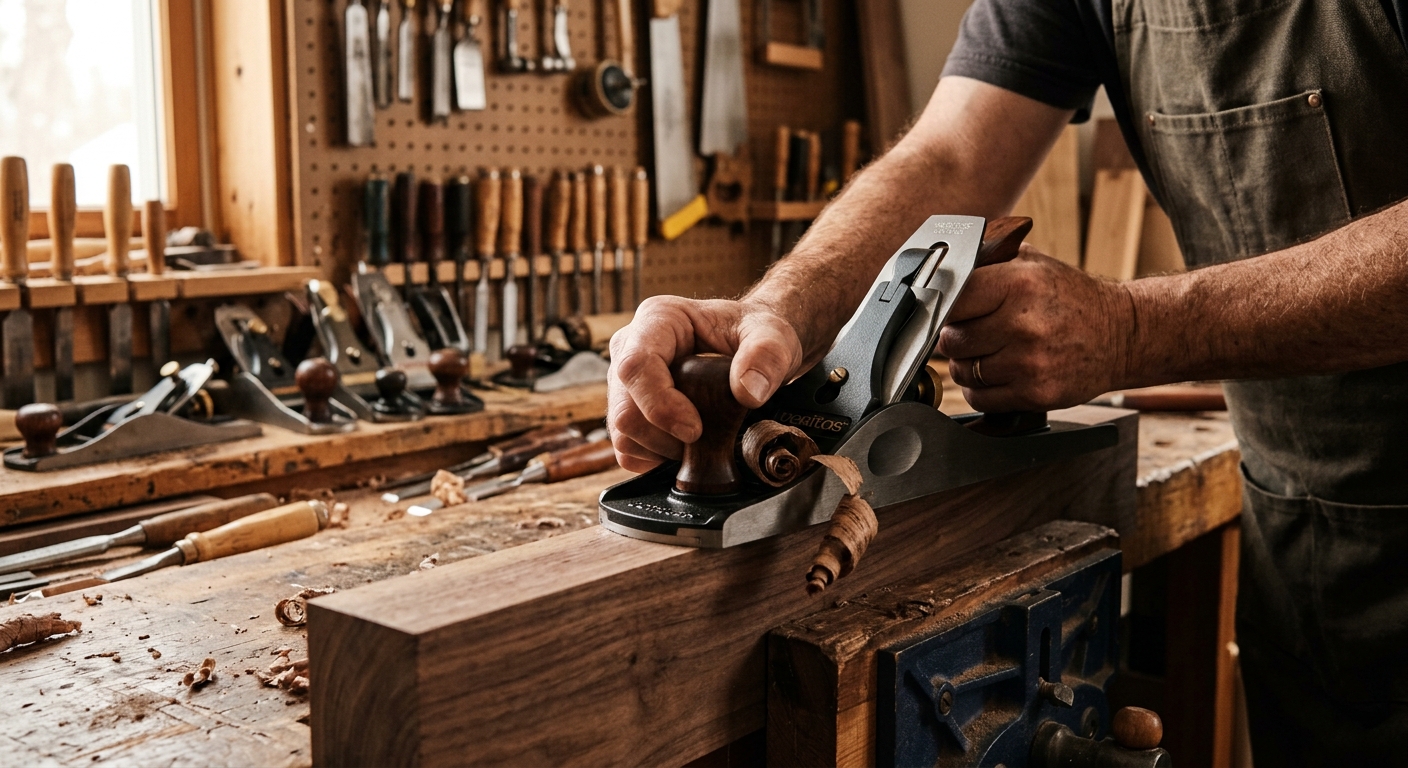
The Veritas Low-Angle Jack is arguably the most useful single plane you can own. The low-angle design (12-degree bed) works across grain, with grain, and on end grain equally well, making it a jack-of-all-trades: flatten, square edges, chamfer, and dimension rough stock. The PM-V11 iron is exceptional, the Norris-style adjustment is precise, and the plane functions reliably out of the box with minimal fettling.
- Pros: Handles all grain directions, PM-V11 iron holds edge extremely long, precise adjustment, works well on end grain, versatile
- Cons: Expensive, not the ideal smoother for tricky grain (bevel-down planes handle that better)
WoodRiver No. 4 Bench Plane – Best Value for Beginners
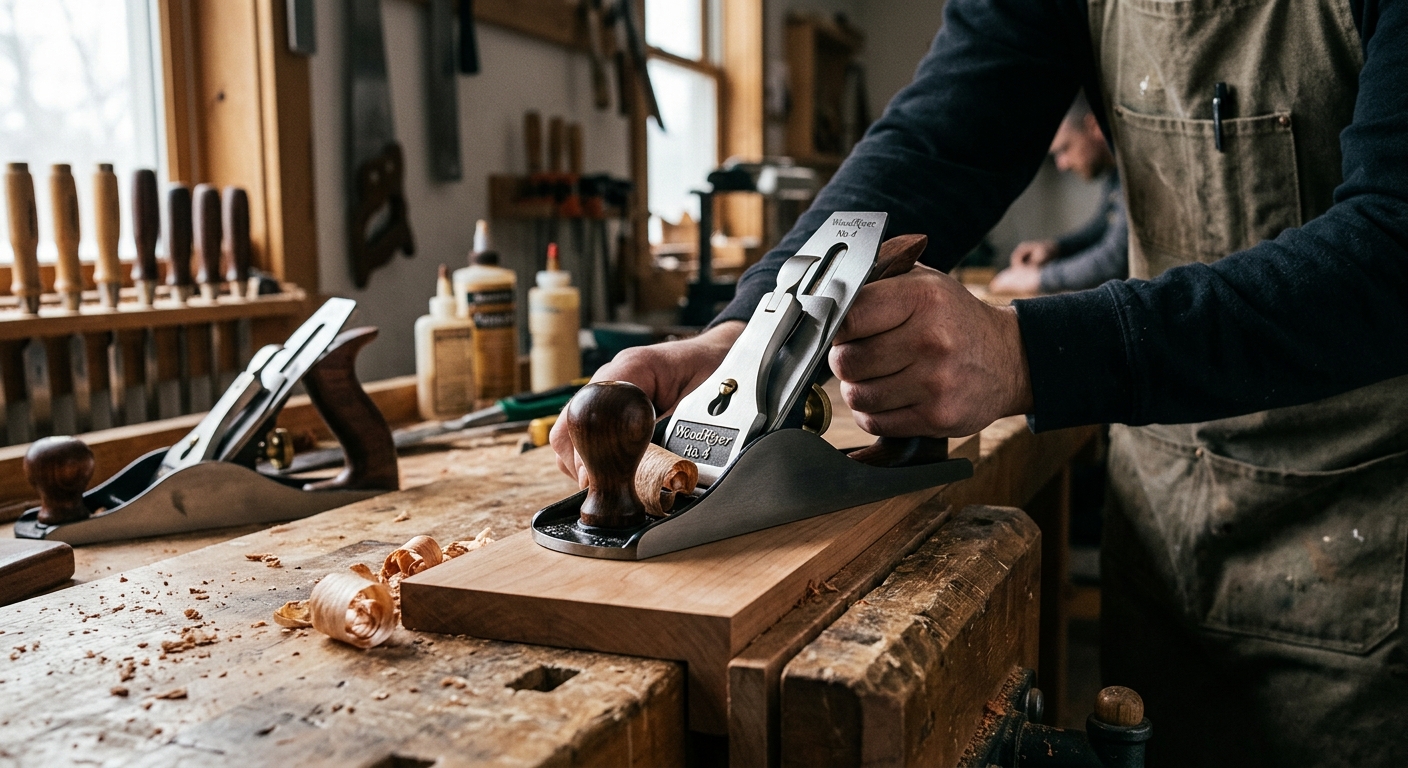
WoodRiver’s No. 4 from Woodcraft competes directly with Lie-Nielsen at roughly half the price. The casting is solid, the iron is decent (though benefits from sharpening before first use), and the adjustment mechanism is precise. A beginner who learns to set up and sharpen a WoodRiver No. 4 properly will do excellent work – and learn skills that transfer to any plane they use in the future.
- Pros: Much cheaper than Lie-Nielsen, solid castings, adequate iron, good starting point for beginners
- Cons’=>’Requires more prep than premium planes, iron needs sharpening before use, limited availability
Stanley No. 78 Rabbet Plane – Best for Rabbets and Grooves
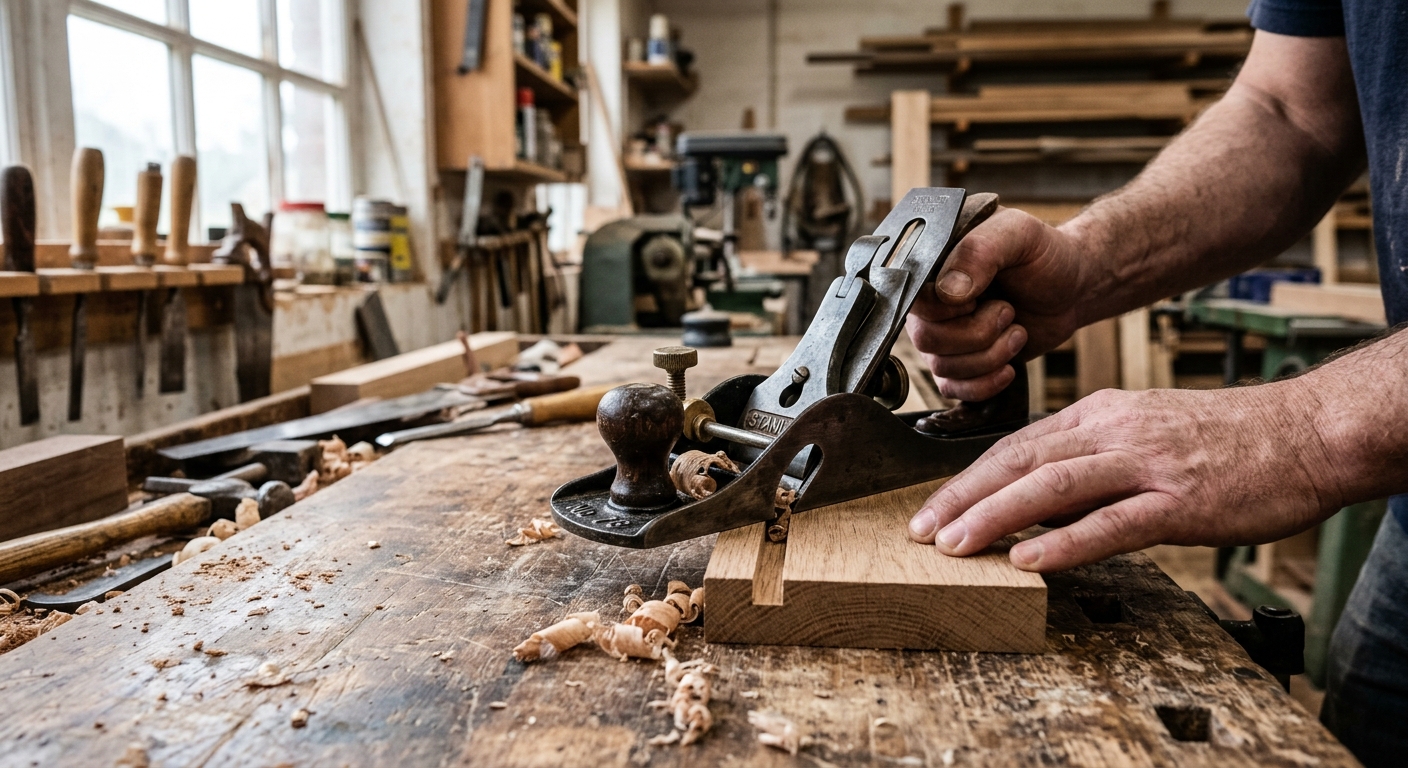
The Stanley No. 78 is the classic shoulder-and-rabbet plane for cutting rabbets (stepped edges) and grooves along a board. The adjustable depth stop and fence guide the cut repeatably, and the removable nose allows cutting into stopped grooves. Every woodworker doing cabinet work, bookcase shelving, or drawer construction eventually needs a rabbet plane – the No. 78 is the accessible entry point.
- Pros: Handles rabbets and grooves, adjustable fence and depth stop, affordable, widely available
- Cons: Lower quality iron than premium options, fence can flex under pressure, requires tuning
Lie-Nielsen No. 271 Small Router Plane – Best Router Plane
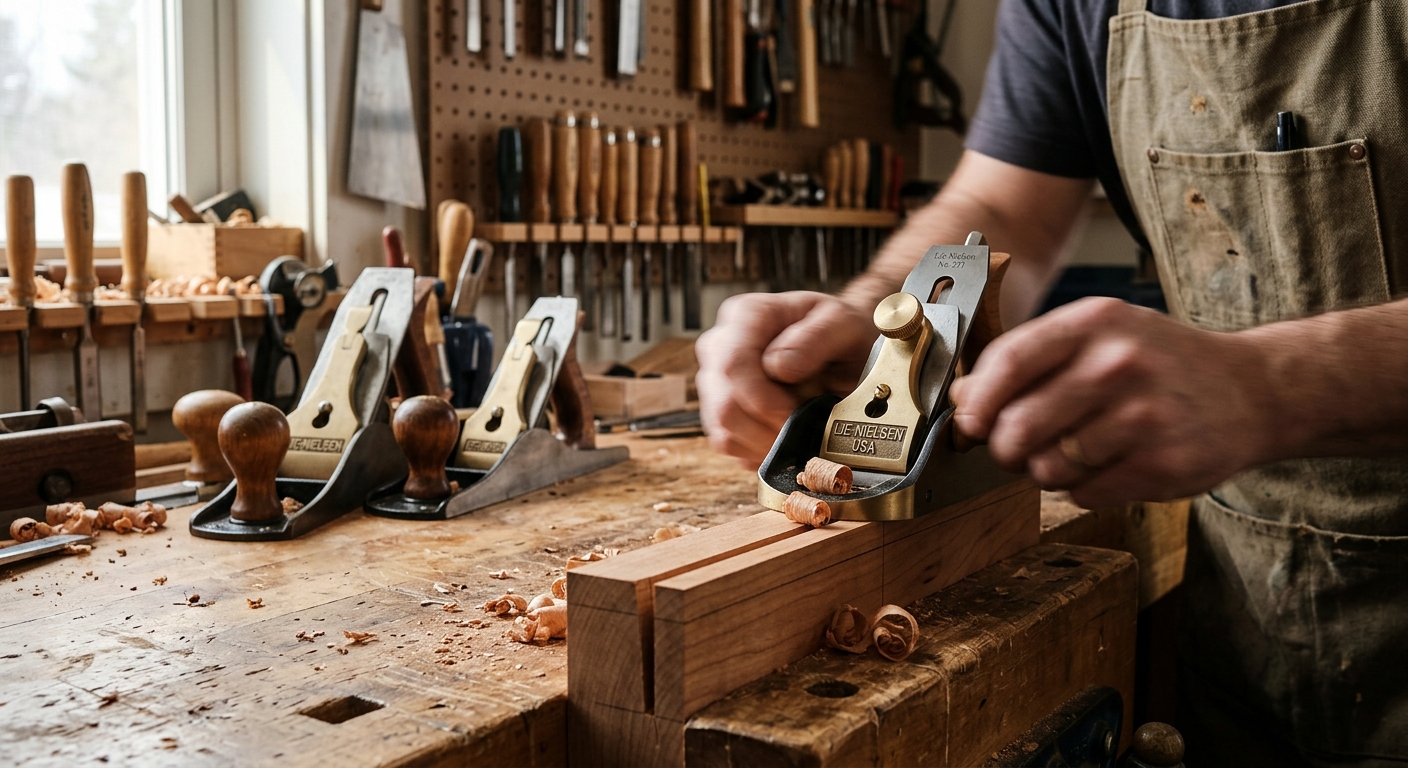
A router plane references the surrounding surface to clean the bottom of dadoes, grooves, and hinge mortises. The Lie-Nielsen No. 271 is a small-format router plane ideal for hinge fitting, inlay work, and small dadoes. The blade locks precisely, depth adjustment is smooth, and the tool works in tight spaces where a full-size router plane is awkward. Essential for furniture makers and cabinetmakers.
- Pros: Cleans flat-bottomed dadoes and mortises precisely, small format works in tight spots, precise depth control
- Cons: Specialized tool, expensive for occasional use, narrow blade limits cutting width
Frequently Asked Questions
What’s the first plane a beginner should buy? A No. 4 bench plane (smoothing plane) or a low-angle block plane. The No. 4 handles the most work; a block plane fits in a pocket and handles end-grain chamfering and small trimming tasks.
Do I need to buy vintage Stanley planes? Vintage Stanleys can be excellent when properly restored, but restoration takes knowledge and time. For beginners, a new WoodRiver or Veritas is easier to start with. Learn restoration later if you enjoy the process.
Why does the plane tear out? Tearout happens when planing against the grain. Flip the board or reverse your direction, close the cap iron tight to the edge, and take a lighter shaving. A sharper iron also reduces tearout dramatically.
How sharp does a plane iron need to be? Extremely sharp – sharper than most people think necessary. If you can’t shave arm hair with the iron, it needs more work. A dull plane iron tears rather than shears.
Bottom Line
The Veritas Low-Angle Jack earns Best Overall for its versatility across grain directions and exceptional PM-V11 iron. Beginners should start with a WoodRiver No. 4 and learn proper setup – the skills transfer to every future plane. Lie-Nielsen tools reward woodworkers ready to invest in instruments that last generations. Add a router plane when you start fitting dadoes and hinge mortises.
Affiliate Disclosure: DIY Arsenal participates in the Amazon Associates Program and other affiliate programs. When you purchase through links on this site, we may earn a small commission at no additional cost to you. We only recommend products we have personally tested and genuinely believe in.