Best Silicone Caulk Guns and Dispensers
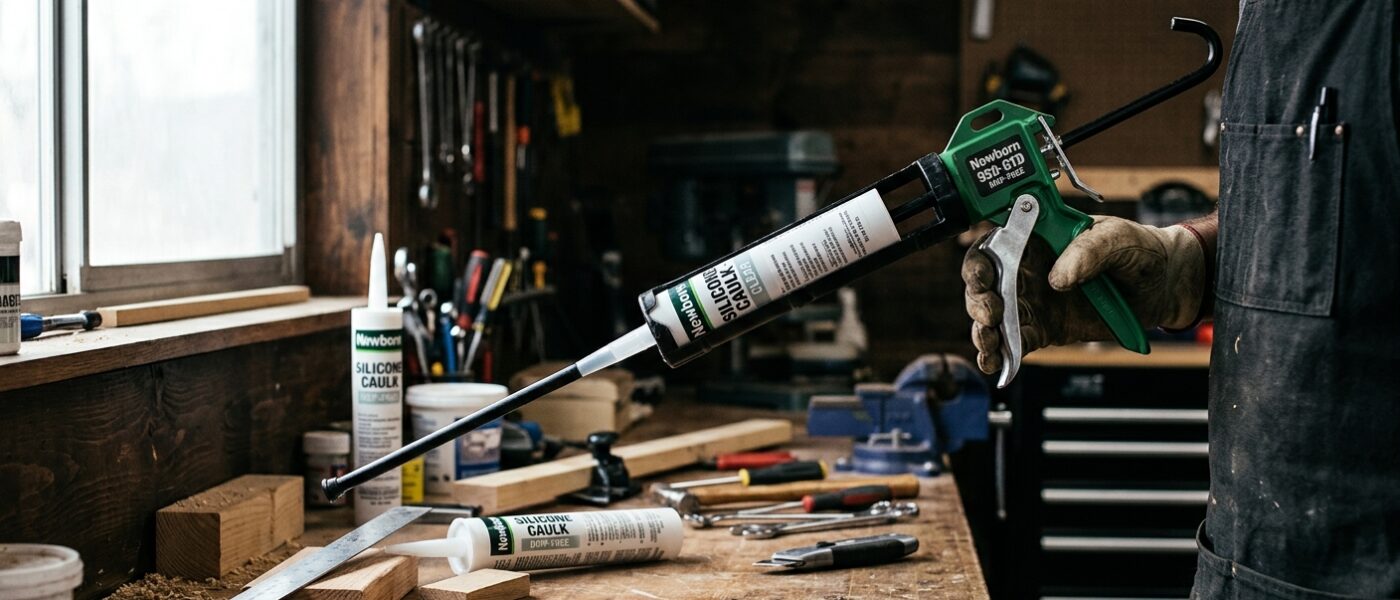
The Newborn 930-GTD is the one caulk gun worth owning — smooth rod drive, drip-free trigger, and 18:1 ratio cover every residential caulking and sealant application.
As an Amazon Associate, we earn from qualifying purchases.
The Right Caulk Gun Makes All the Difference
A bad caulk gun causes drips between beads, inconsistent flow, and wrist fatigue on long runs. A good caulk gun gives you smooth, controlled flow that matches your movement speed – a consistent bead that requires minimal tooling. The difference between a beginner-looking caulk job and a professional-looking one is 60% technique and 40% equipment. The right gun won’t make you an expert, but the wrong gun will limit your best efforts.
Key Features to Look For
- Thrust ratio: The force multiplier between your trigger squeeze and the force applied to the tube plunger. Standard guns are 6:1 to 10:1 – adequate for latex caulk. Thick silicone and construction adhesive benefit from 18:1 or higher. Higher thrust ratio means more force with less hand fatigue.
- Drip-free mechanism: Standard guns continue dripping between beads as internal tube pressure bleeds off. Drip-free or anti-drip mechanisms release plunger pressure when you release the trigger – critical for clean starts and stops. Look for this feature in any gun you’ll use for detail work.
- Smooth-rod vs. ratchet: Ratchet drives are the traditional mechanism – trigger clicks advance the rod in steps. Smooth-rod (ball-bearing) drives provide continuous, stepless flow for more consistent bead control. Professional decorators prefer smooth-rod for appearance-critical work.
- Cartridge compatibility: Standard 10-oz cartridges fit all standard guns. Some guns also accept 20-oz sausage packs that reduce waste on large jobs. The sausage-style guns typically cost more upfront but save on material costs on large projects.
- Built-in spout cutter and puncture tool: Minor convenience that saves keeping a separate knife and nail handy. Most quality guns include both.
Top Picks
Newborn 930-GTD Drip-Free Smooth Rod Caulk Gun
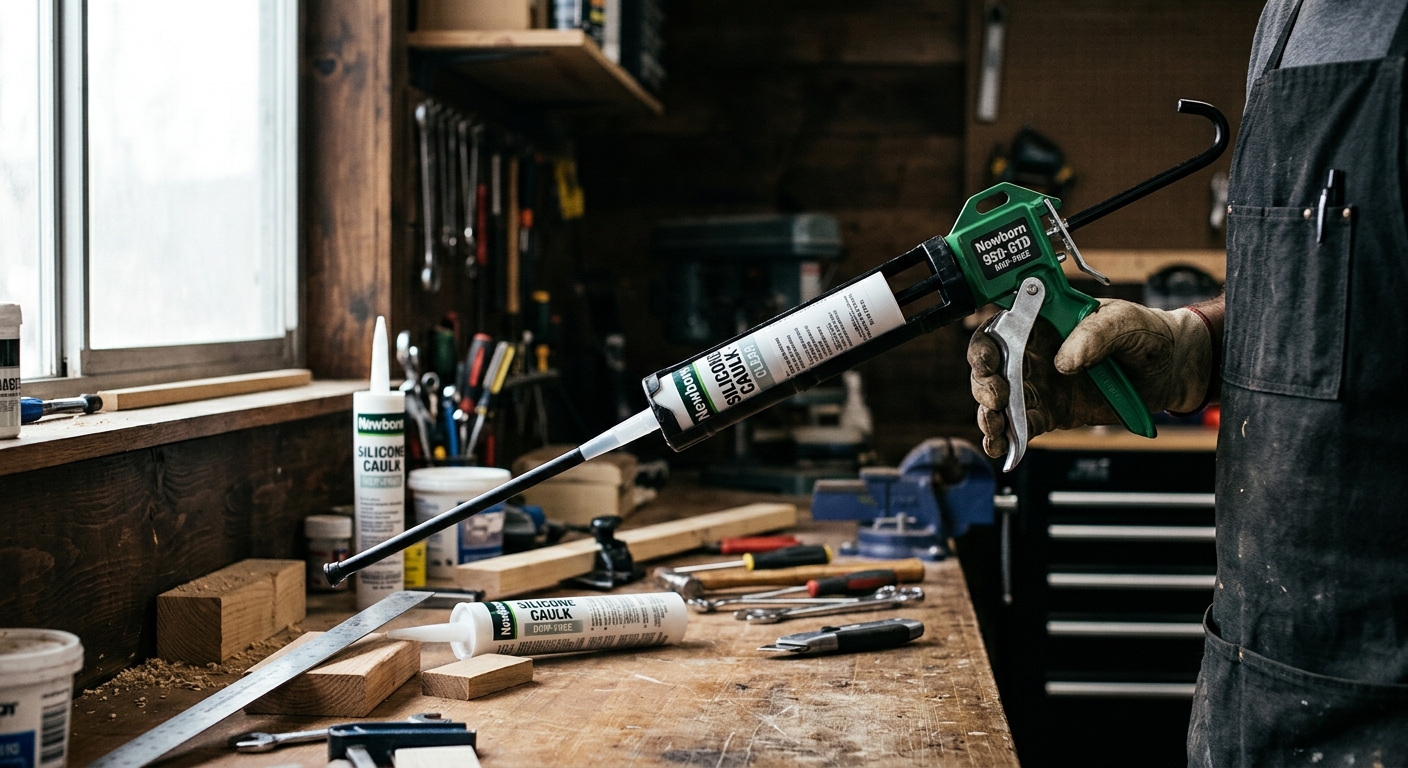
The benchmark for homeowner and light-contractor caulk guns. The 18:1 thrust ratio handles everything from thin latex to thick silicone without excessive hand fatigue, and the smooth rod drive provides consistent stepless flow. The drip-free mechanism stops flow cleanly when you release the trigger. If you buy one caulk gun, this is it – the quality-to-price ratio makes it the standard recommendation across the DIY community.
Cox Powerflow Pro Caulk Gun
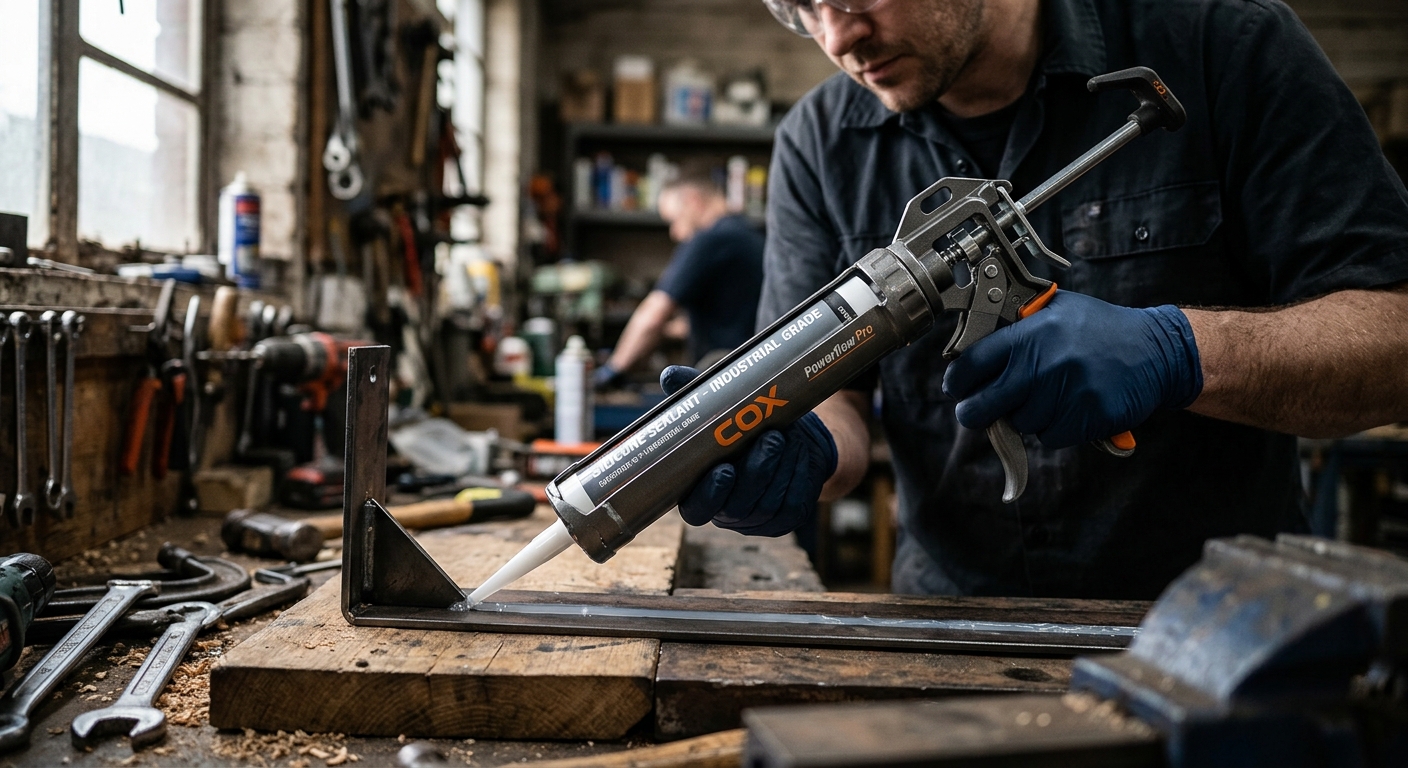
Cox’s professional-grade gun with a 26:1 thrust ratio – appropriate when working with thick construction adhesives, fire-stop caulks, or cold-temperature silicone that resists flow. The ergonomic grip reduces fatigue on extended applications and the anti-drip release is immediate. An overkill purchase for occasional caulking, but the right tool if you do significant caulk or adhesive work regularly.
Tajima GC-24BK Ratchet Caulk Gun
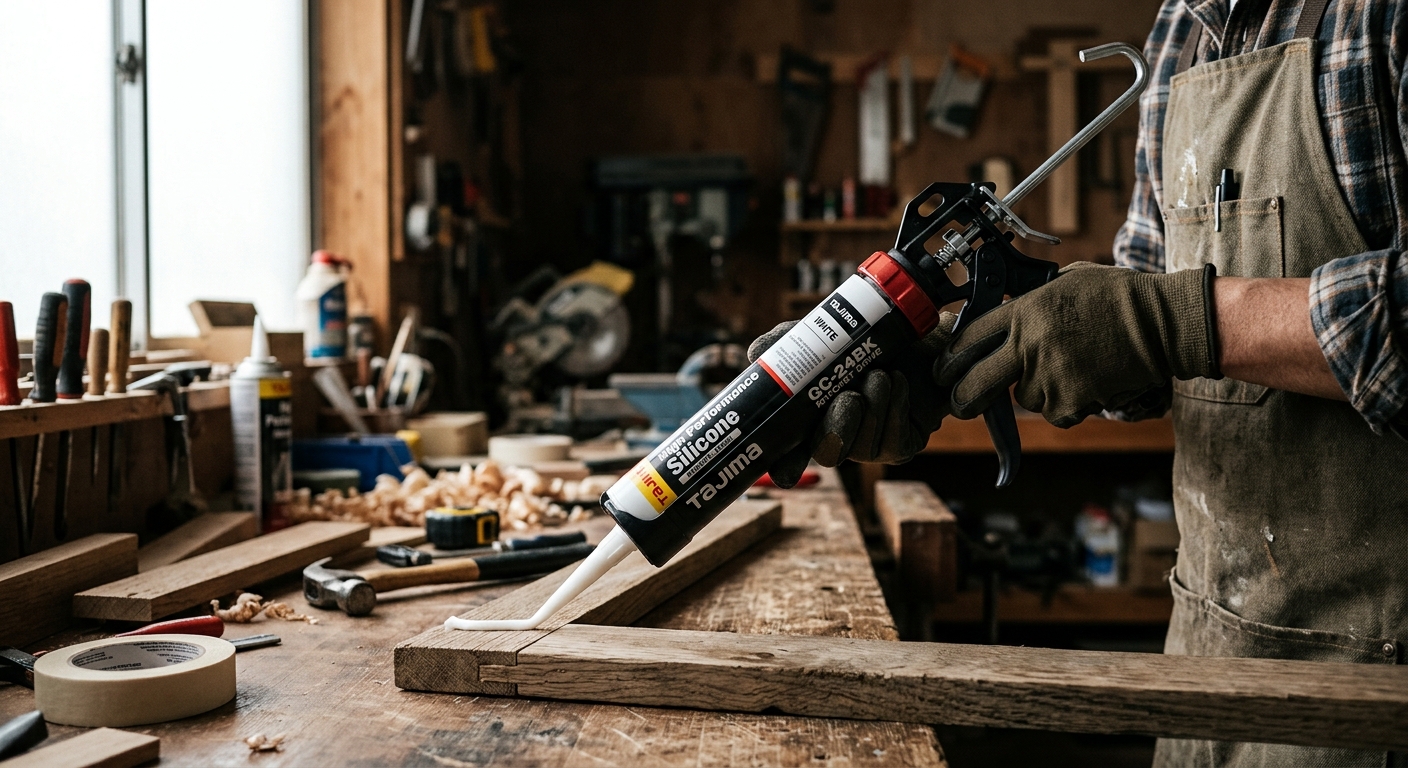
A step up from hardware-store ratchet guns, Tajima’s model features a hex-drive mechanism rather than the standard friction ratchet – smoother advance with less slippage. At a mid-range price, it offers most of the performance of a smooth-rod gun at a lower entry cost. A good choice for homeowners who want to step up from a basic ratchet gun without committing to the Newborn’s price point.
Dripless EXL100 Contractor Caulk Gun
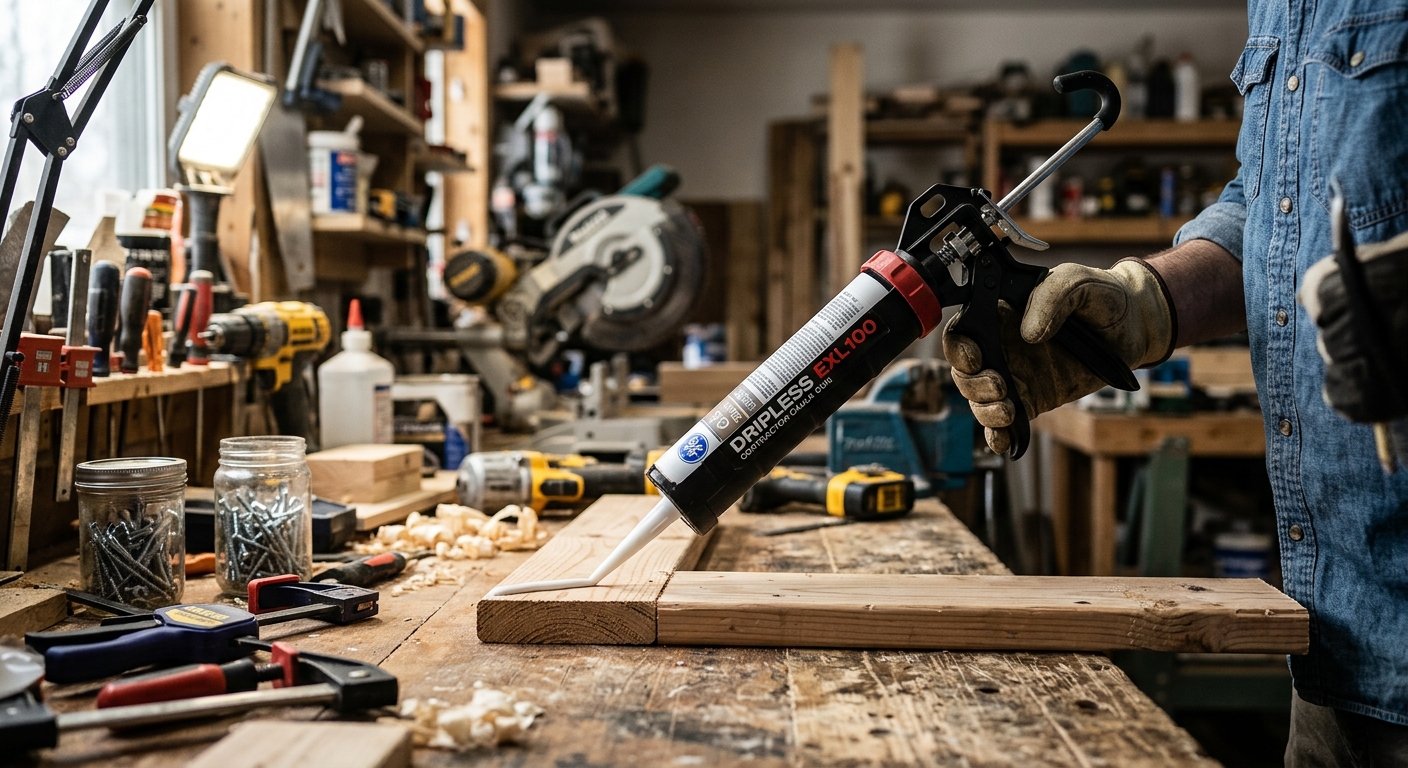
A contractor-grade ratchet gun with a 10:1 ratio and dripless mechanism – positioned as a durable, no-nonsense workhorse for repeated use. The heavy-duty frame handles drops and jobsite abuse better than residential-grade guns. If your primary need is durability and reliability over finesse, this competes with the Newborn for primary-gun status at a slightly lower price point.
Frequently Asked Questions
How do I get a clean caulk bead every time?
Cut the nozzle at a 45-degree angle with an opening slightly smaller than your target bead width – you can always make it larger, not smaller. Hold the gun at a consistent 45-degree angle to the joint and pull (not push) along the joint at a speed that matches the flow rate. Finish with a wet finger or caulk tool, using a single smooth stroke. Tape masking is optional but produces cleaner edges for anyone still developing technique.
How do I prevent dried caulk in the tube between uses?
A small screw driven into the nozzle tip is the most reliable sealing method. Purpose-made caulk tube caps also work. Pushing the plunger rod all the way back before storage reduces internal tube pressure and slows drying. Even so, a tube of silicone left more than a few weeks may skin over inside the nozzle – cut above the skin to reach fresh material.
What thrust ratio do I need for silicone caulk?
Silicone is more viscous than latex caulk, particularly at temperatures below 60 degrees F. An 18:1 ratio handles silicone comfortably in normal room temperatures. If you’re caulking in a cold garage or outdoors in fall, a 26:1 gun or warming the tube in warm water for 10-15 minutes before use prevents hand fatigue and uneven flow.
Affiliate Disclosure: DIY Arsenal participates in the Amazon Associates Program and other affiliate programs. When you purchase through links on this site, we may earn a small commission at no additional cost to you. We only recommend products we have personally tested and genuinely believe in.