Best Plumbing Inspection Mirrors for Tight Spaces
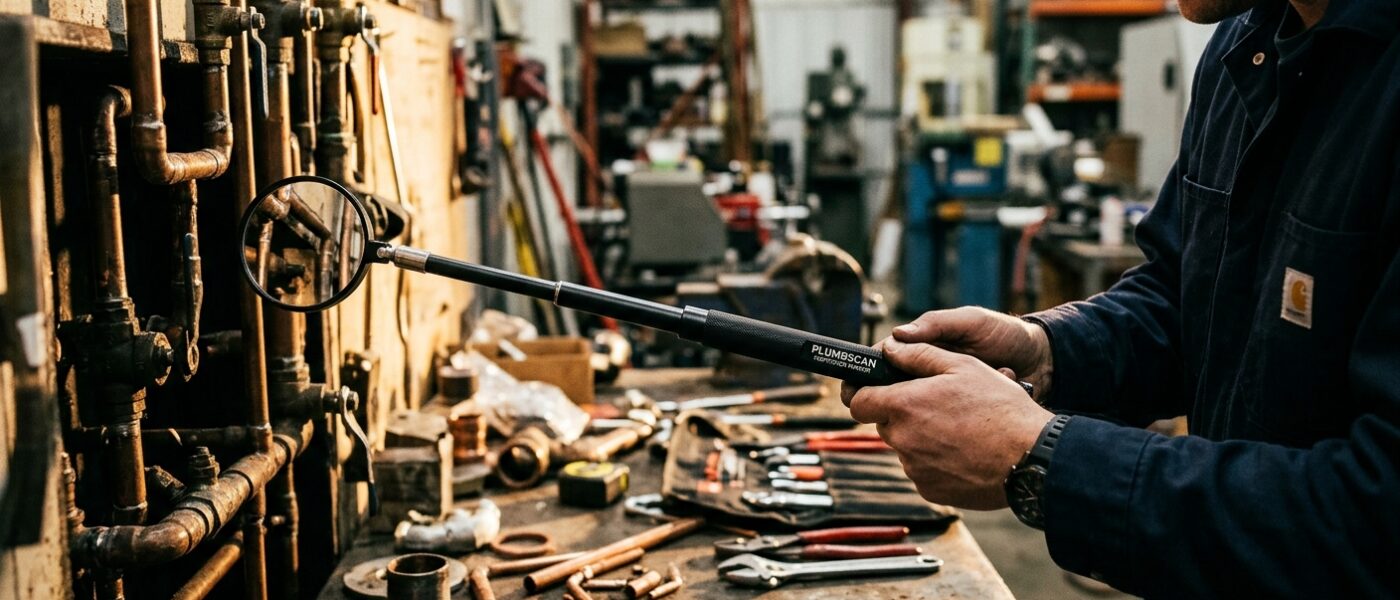
An extendable inspection mirror allows visual inspection of drain connections, valve bodies, and supply line fittings behind fixtures and in wall cavities where direct line-of-sight is impossible — a simple tool that saves significant time in plumbing diagnostics.
As an Amazon Associate, we earn from qualifying purchases.
Inspection mirrors let you see around corners, behind fixtures, and into tight spaces where direct viewing is impossible. In plumbing, this means checking supply line connections behind a toilet, inspecting drain connections under a sink, looking for corrosion at the back of a water heater, or checking the condition of pipe joints in a crawl space. A simple mirror on an extendable handle is one of those tools that pays for itself the first time you use it to avoid removing a fixture or cutting an inspection hole.
Types of Inspection Mirrors
Extendable Handle Mirrors
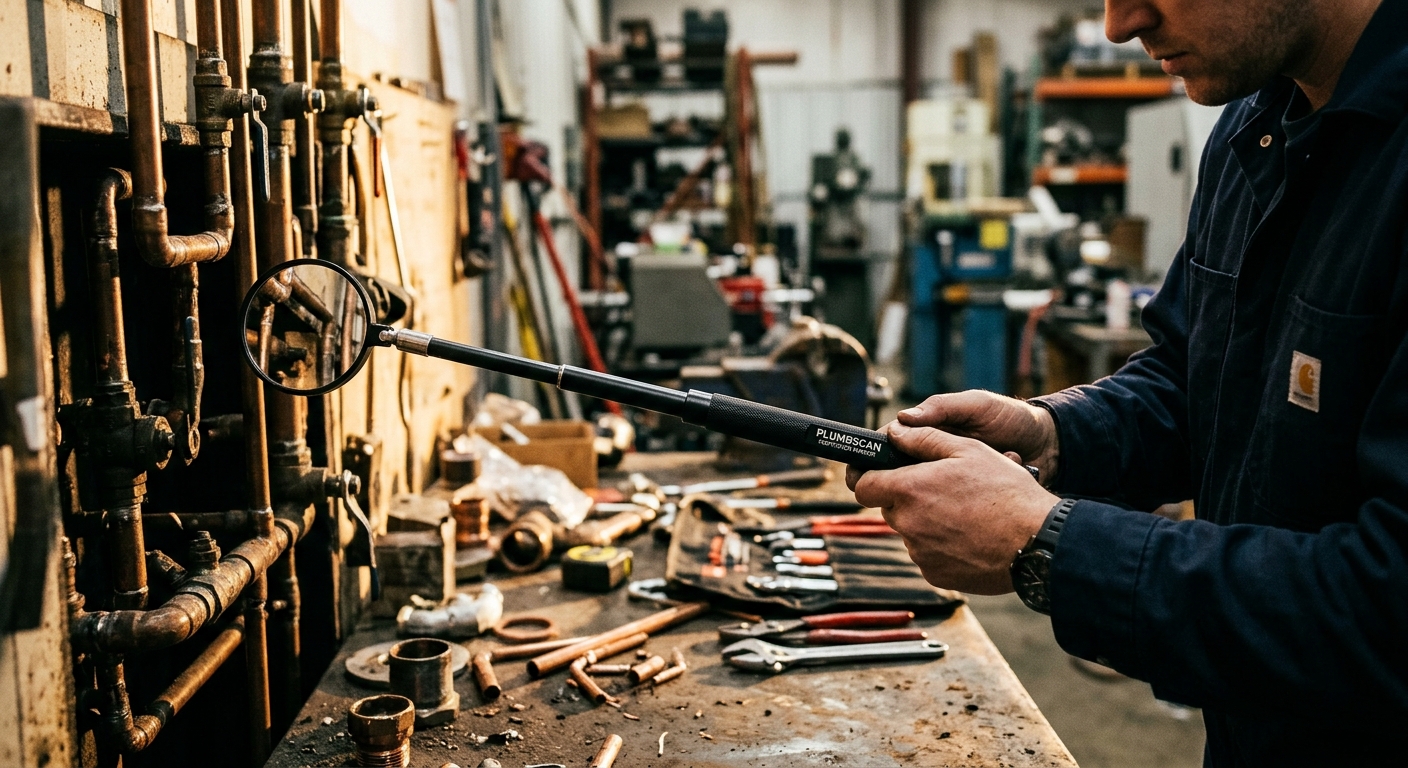
The standard inspection mirror. A small mirror (1-3 inches diameter) on a telescoping handle that extends to 2-3 feet. The mirror head typically swivels or articulates to adjust the viewing angle. Available with flat or convex mirror faces. Flat mirrors show the true size of what you are looking at; convex mirrors show a wider field of view.
LED-Illuminated Inspection Mirrors

Same as standard inspection mirrors but with LED lights around the mirror face that illuminate the inspection area. Necessary for crawl spaces, behind appliances, and any area without adequate ambient light. The integrated illumination eliminates the need for a separate flashlight in the same small space.
Wide-Angle Inspection Mirrors
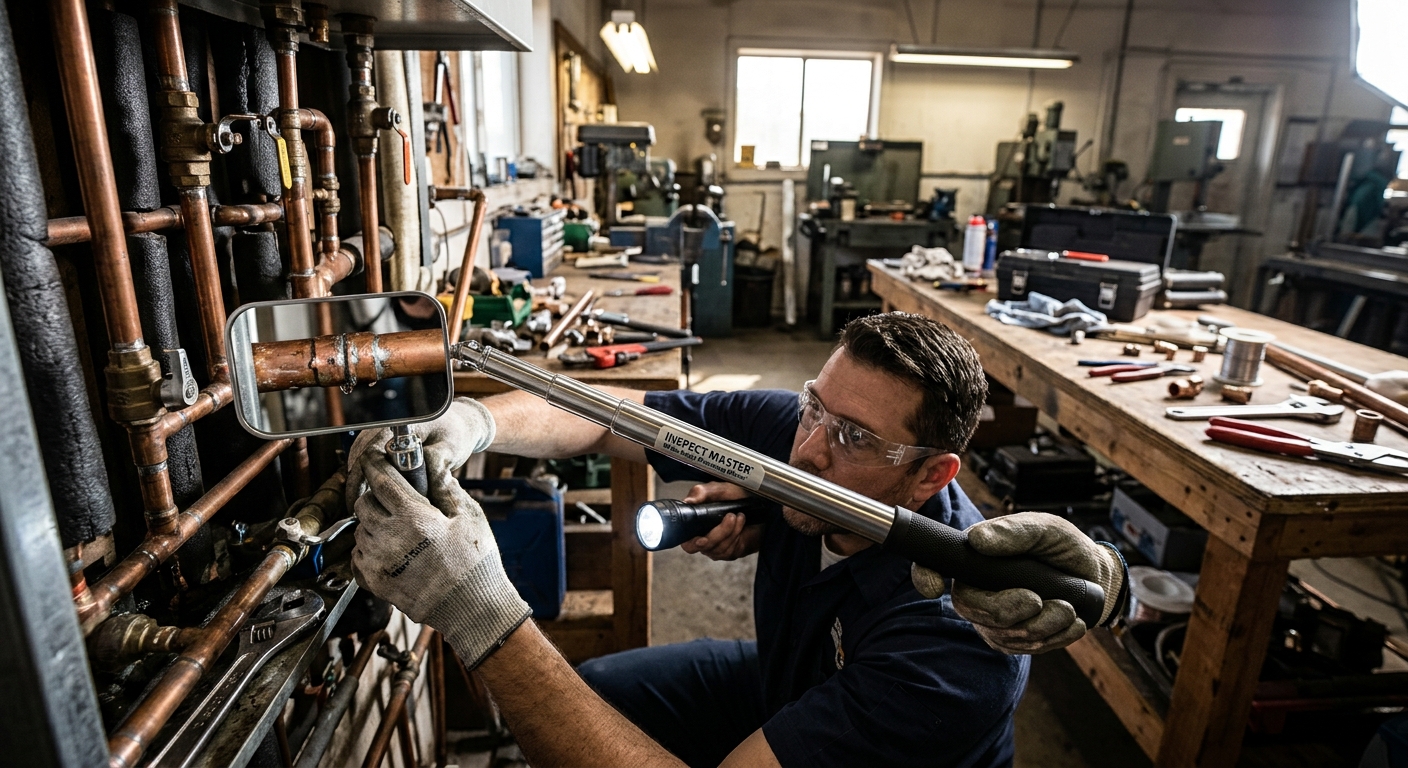
Larger mirrors (4-6 inches) for inspecting wider areas in one view. Used for inspecting behind water heaters, in utility rooms, and for other applications where you want to see the condition of an entire connection point in one view rather than scanning a small mirror.
Our Top Picks
1. Klein Tools 70146 Extra-Large Telescoping Inspection Mirror
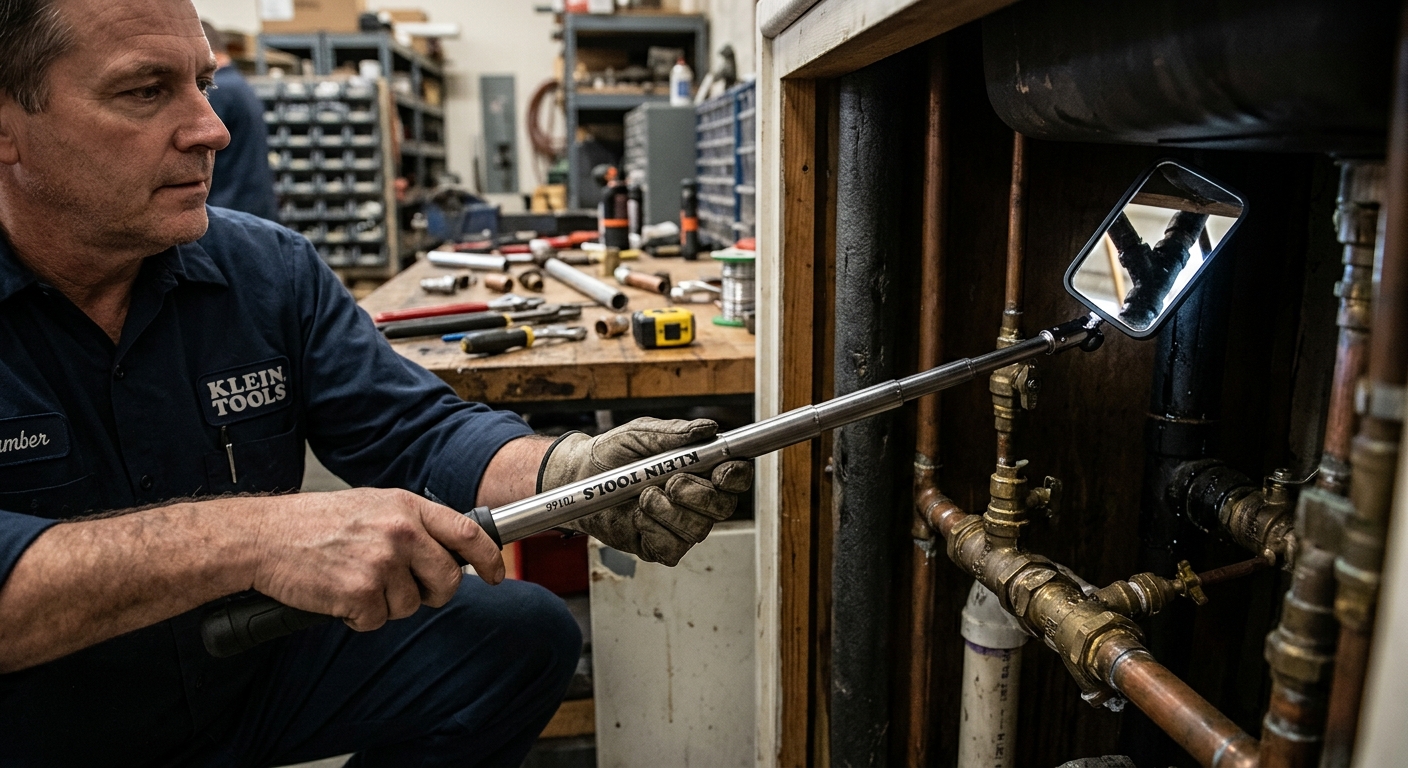
The professional standard for inspection mirrors. 3-inch round mirror head on a telescoping handle that extends to 30 inches. The mirror swivels for any angle. Bright chrome finish for maximum reflectivity in well-lit areas. The standard mirror for electricians, plumbers, and HVAC technicians who inspect tight spaces daily. Durable enough for regular professional use.
2. General Tools 70200 LED Illuminated Inspection Mirror
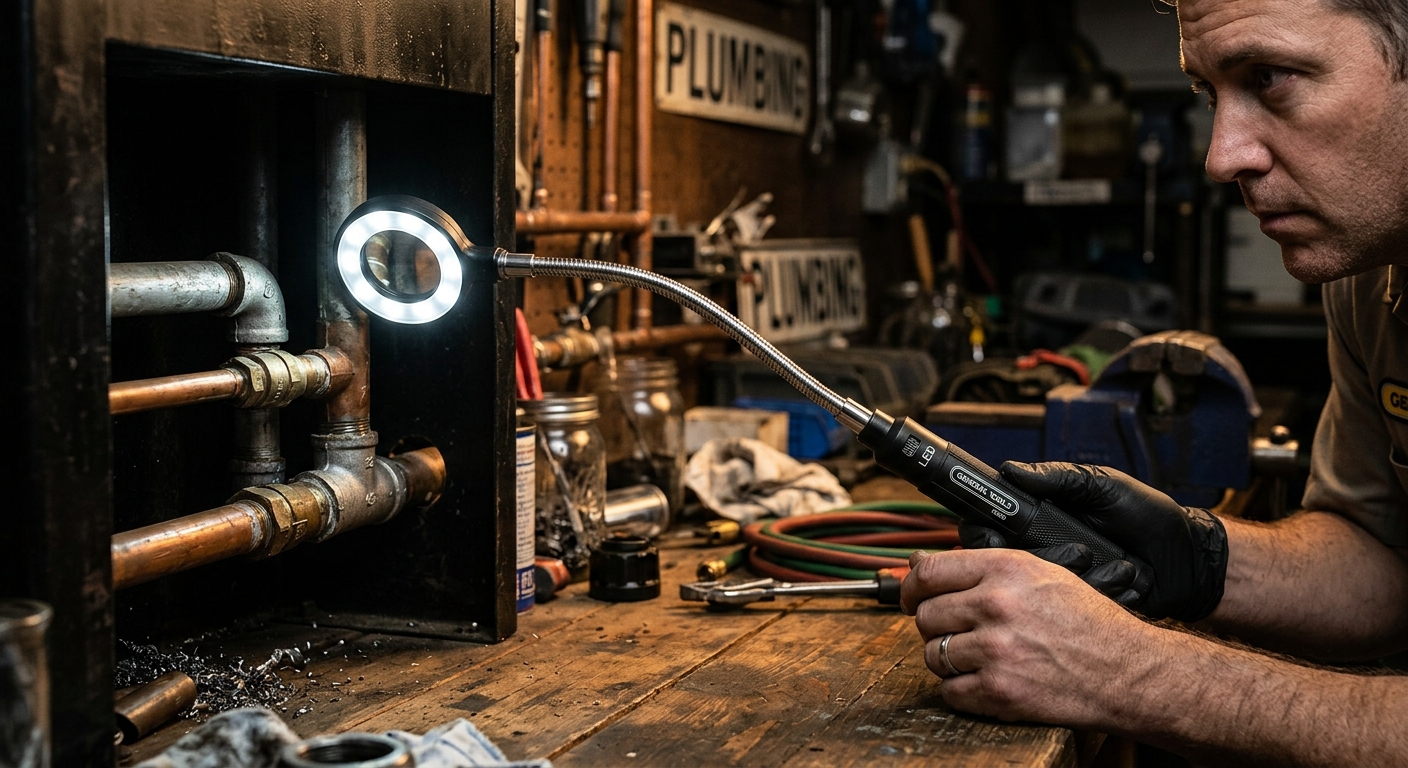
LED lights ring the mirror face for inspection in dark areas. The integrated illumination makes this more useful than a standard mirror for most under-sink, behind-appliance, and crawl-space inspections where ambient light is insufficient. A 3-inch convex mirror provides a wider field of view. The upgrade choice when you regularly inspect in dark or low-light conditions.
3. Ullman Devices HM-1 Hi-Viz Inspection Mirror
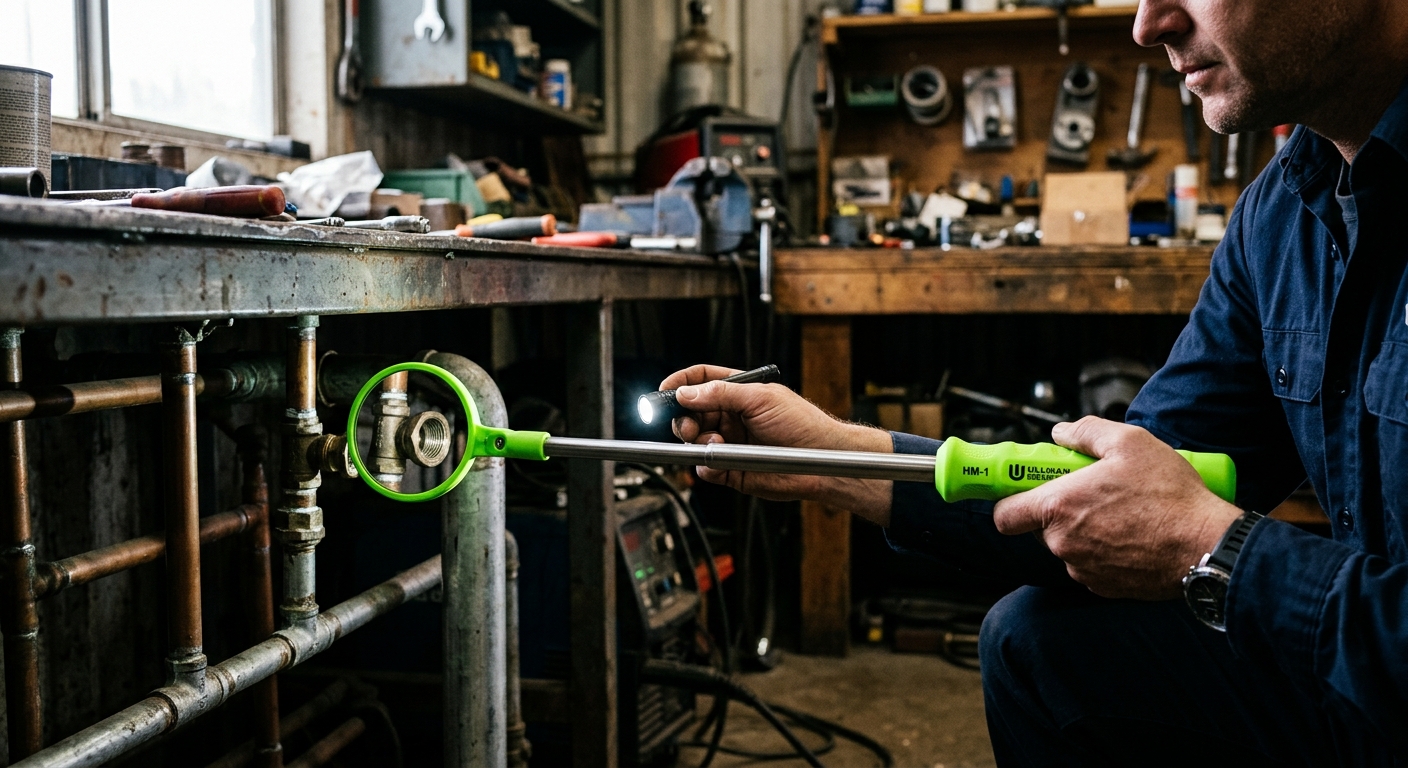
A round, flat inspection mirror with a quick-release swivel head for precise angle adjustment and locking. The head locks at the set angle so the mirror does not drift during inspection. Available in round and rectangular head shapes. The precision articulation is useful in very tight spaces where controlling the exact viewing angle matters.
4. Craftsman 9-47154 Telescoping Inspection Mirror
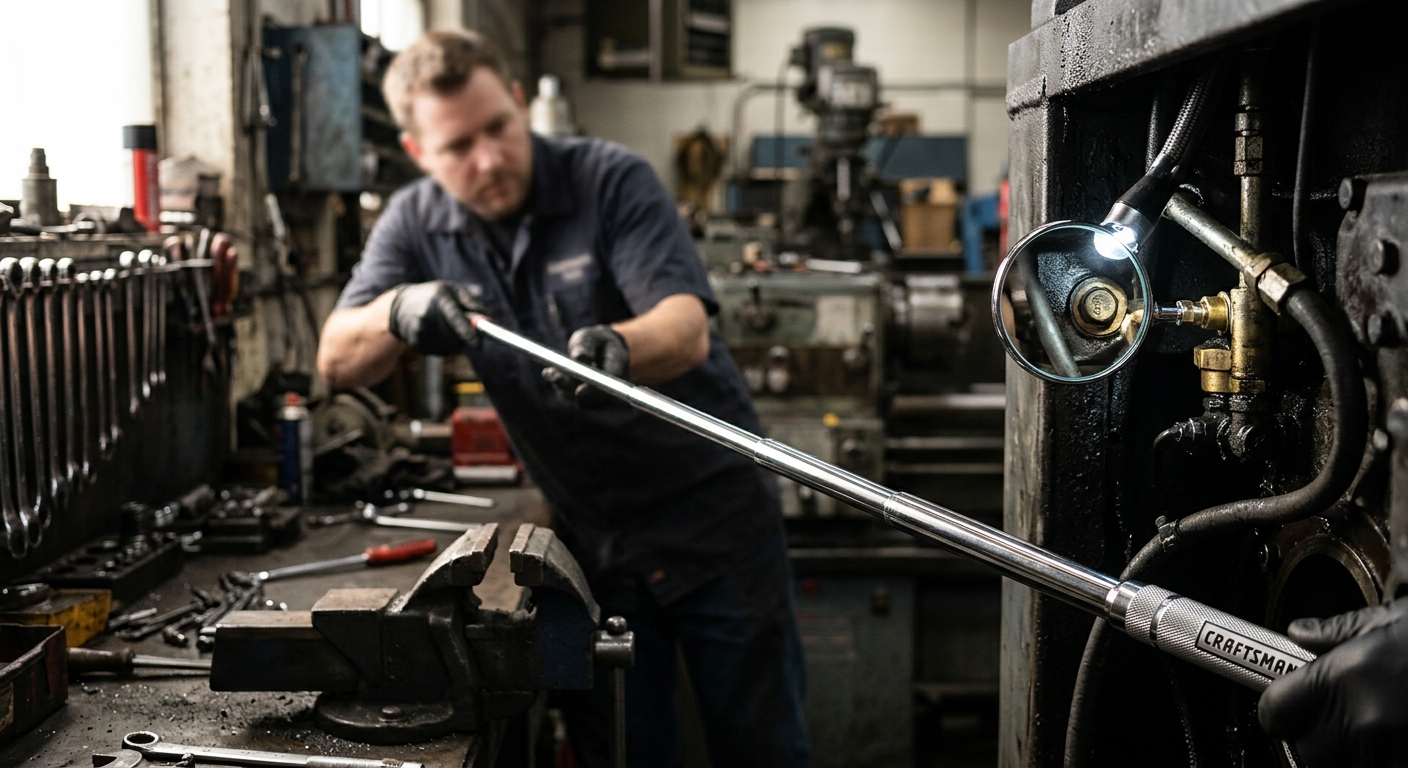
A budget-friendly inspection mirror for occasional homeowner use. Adequate for inspecting under sinks, behind appliances, and in other standard residential inspection applications. Not as durable as the Klein for professional daily use, but functional for the homeowner who inspects occasionally during plumbing or appliance maintenance.
5. Magnetic Telescoping Inspection Tool with Mirror
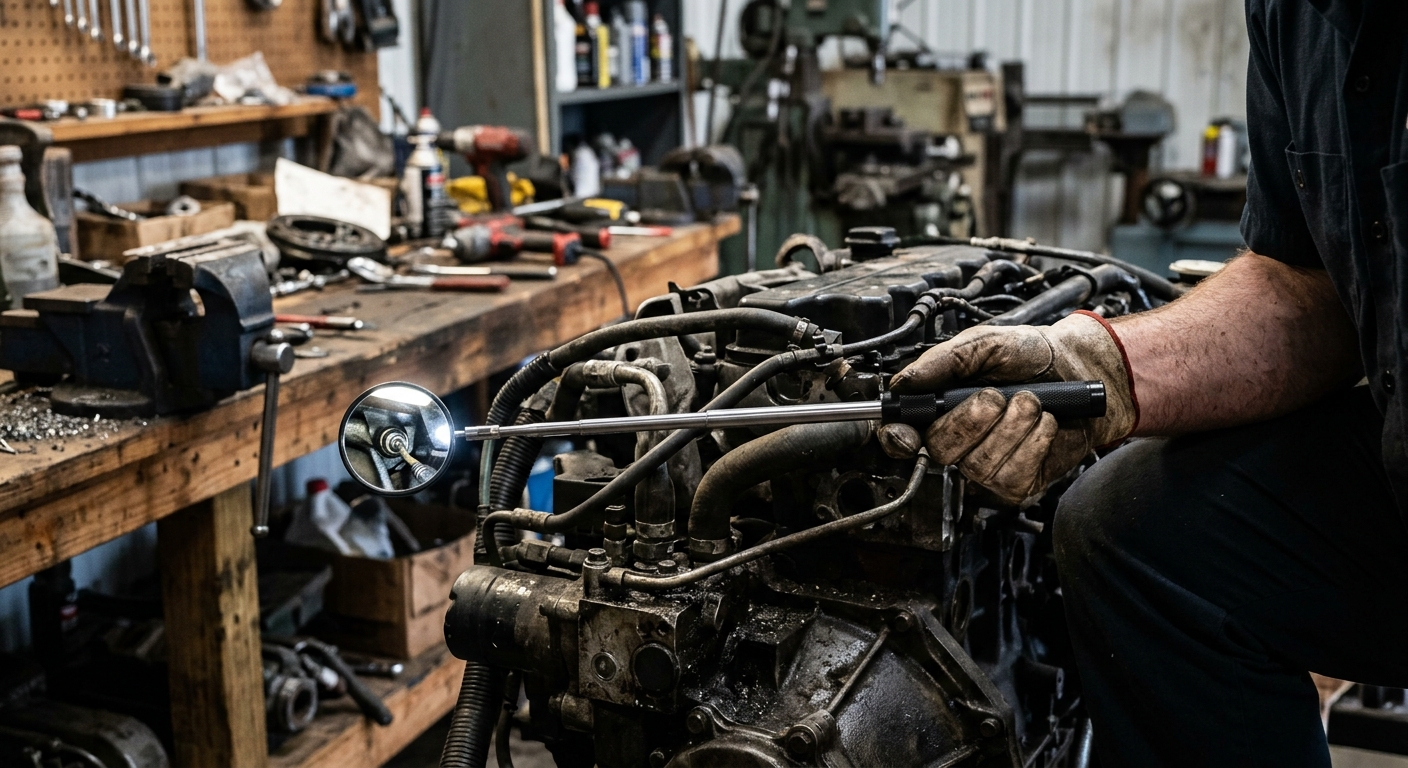
A combination tool with both a telescoping inspection mirror and a magnetic pickup tool on the same handle. The magnetic end retrieves metal objects dropped in inaccessible spaces. The dual function is useful for any under-sink or crawl-space work where both inspection and dropped-object retrieval are common needs.
FAQ
Can a smartphone camera replace an inspection mirror?
For most situations, yes – a smartphone in flashlight mode can access spaces that a mirror cannot and provides a better image. However, inspection mirrors are faster for quick visual checks, do not require a charged phone, work in wet environments where phones should not be used, and allow real-time viewing without looking at a screen. Keep an inspection mirror for quick checks and use a phone camera for detailed inspection when image quality matters.
Affiliate Disclosure: DIY Arsenal participates in the Amazon Associates Program and other affiliate programs. When you purchase through links on this site, we may earn a small commission at no additional cost to you. We only recommend products we have personally tested and genuinely believe in.