Best Silicone Caulk Guns for Home Improvement
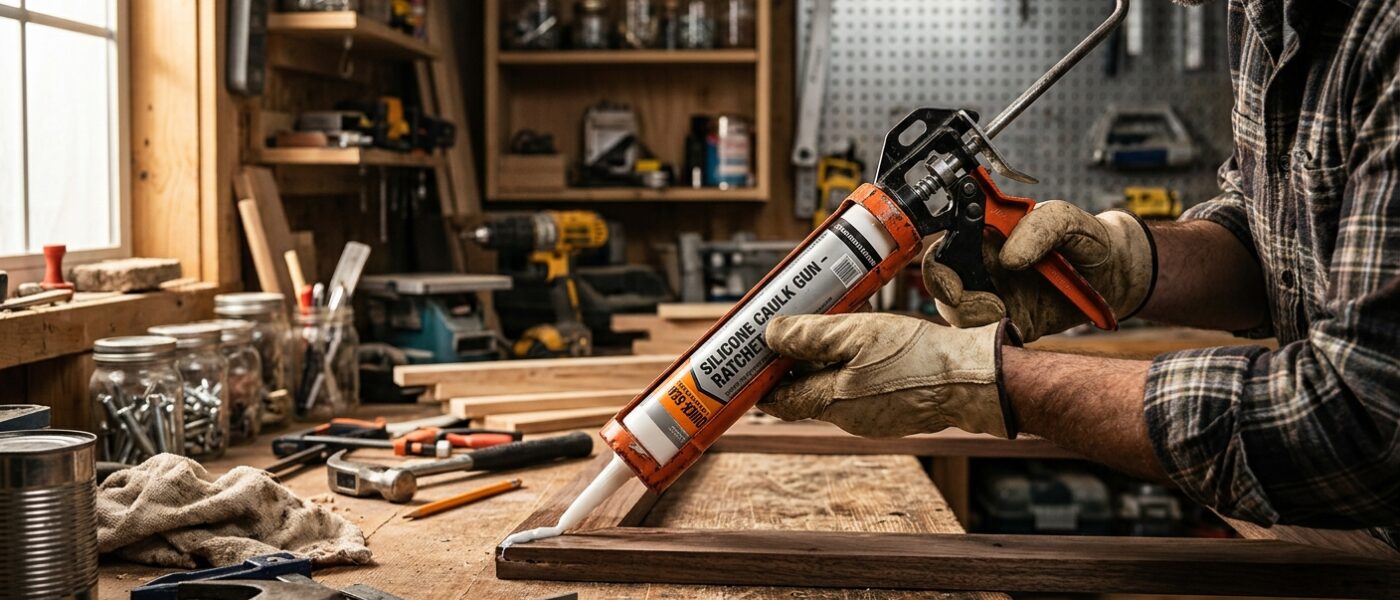
A smooth-rod dripless caulk gun eliminates the drip between cuts that makes standard ratchet guns frustrating — the small upgrade cost is worth it for anyone who caulks more than occasionally.
As an Amazon Associate, we earn from qualifying purchases.
A quality caulk gun is the difference between smooth, professional-looking caulk beads and lumpy, uneven beads that require cleanup and look unprofessional. Caulk guns apply consistent pressure to the caulk cartridge for an even flow rate, and good dripless models stop flow immediately when you release the trigger. The right caulk gun makes caulking faster, cleaner, and easier to control.
Types of Caulk Guns
Standard Ratchet Caulk Guns
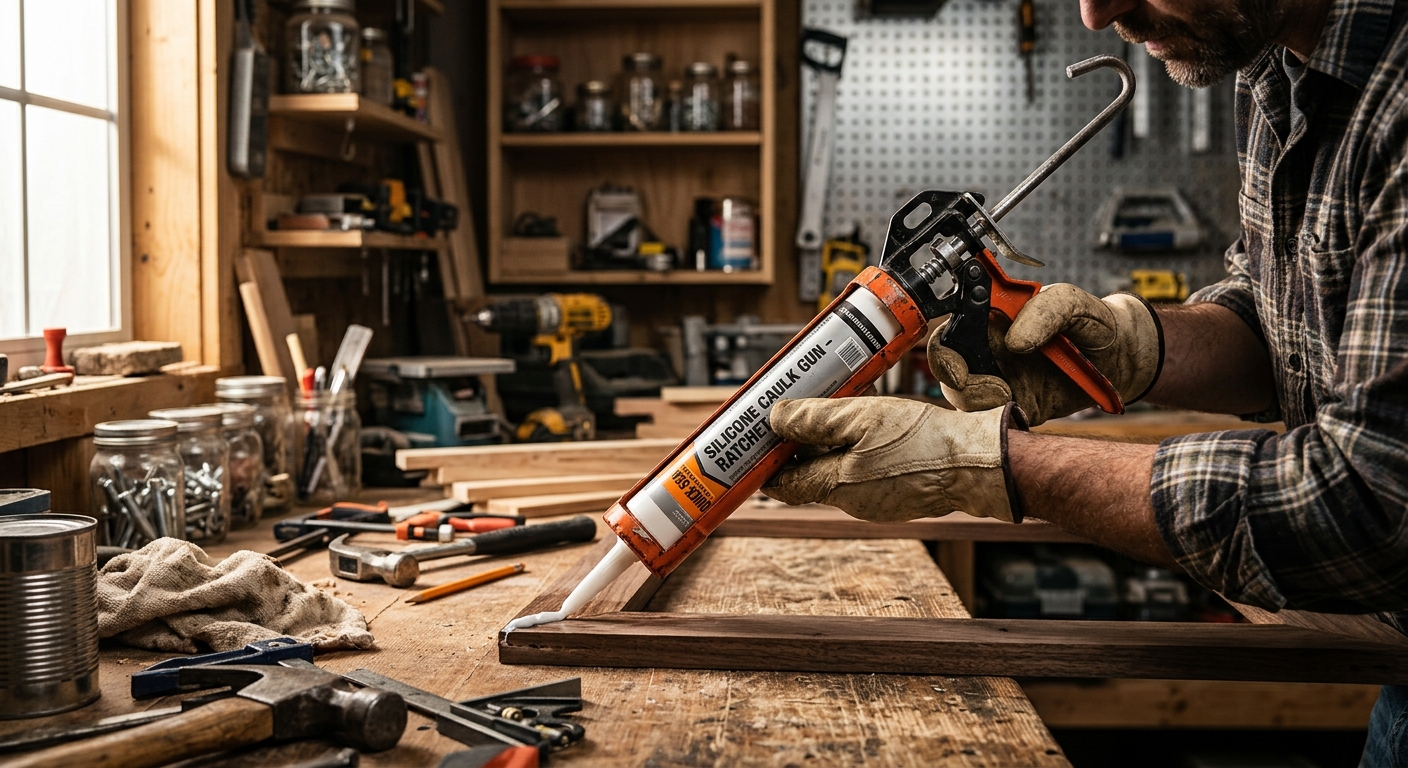
The most common type. A ratchet mechanism advances the plunger as you squeeze the trigger. Simple, inexpensive, and widely available. The main limitation: the ratchet does not release pressure when you let go of the trigger, causing the caulk to continue flowing (dripping) between cuts. Requires manually releasing the plunger or pressing the release button between applications.
Smooth-Rod Dripless Caulk Guns
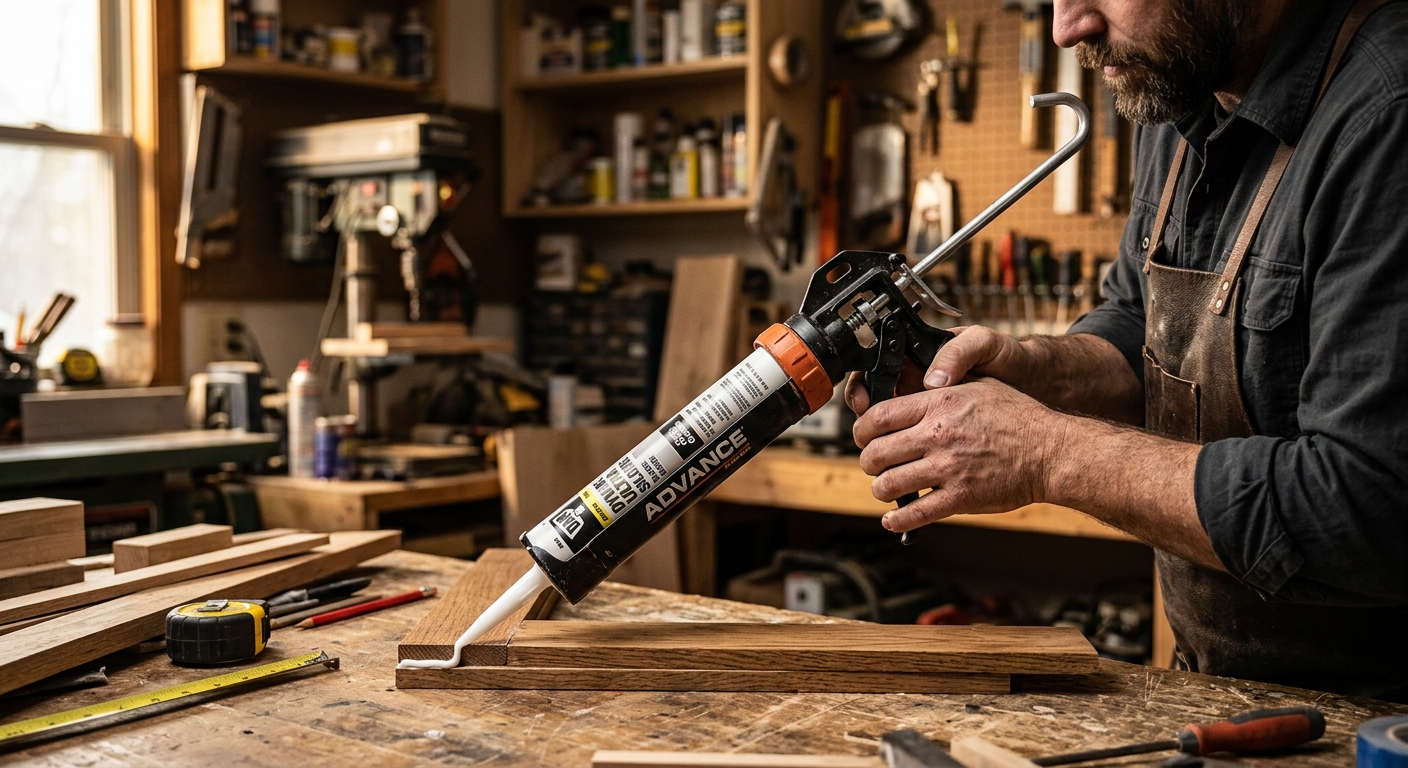
Uses a threaded or smooth-rod mechanism that stops applying pressure immediately when the trigger is released. The “dripless” feature eliminates the constant drip between applications that makes standard ratchet guns frustrating. A modest upgrade in price over ratchet guns but a significant improvement in control and ease of use.
Battery-Powered Caulk Guns
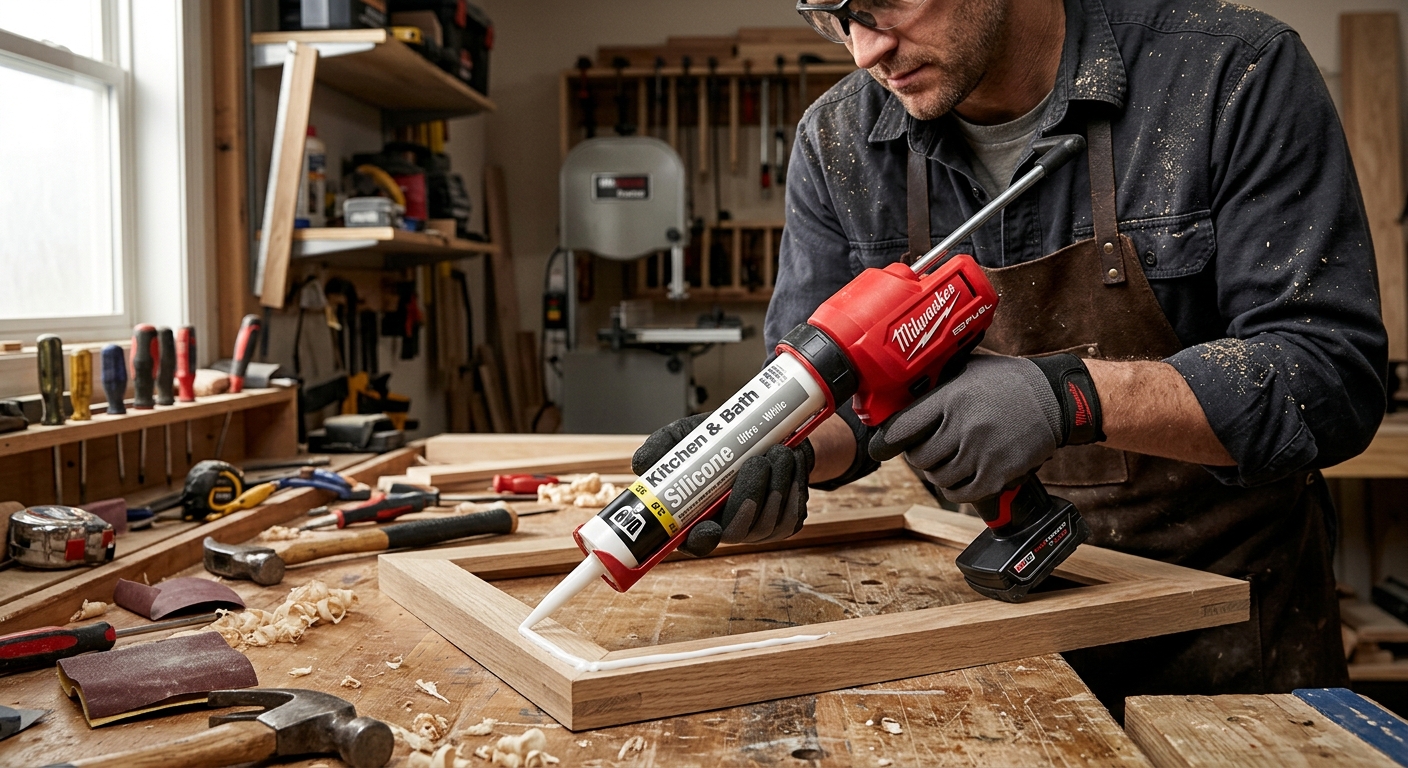
Cordless motorized caulk guns with variable speed control for precise flow rate. The most consistent flow rate of any caulk application method. Eliminates trigger fatigue for large caulking projects. The professional choice for contractors who apply caulk all day. Overkill for occasional homeowner use but excellent for large caulking jobs.
Our Top Picks
1. Newborn 930-GTD Dripless Caulk Gun
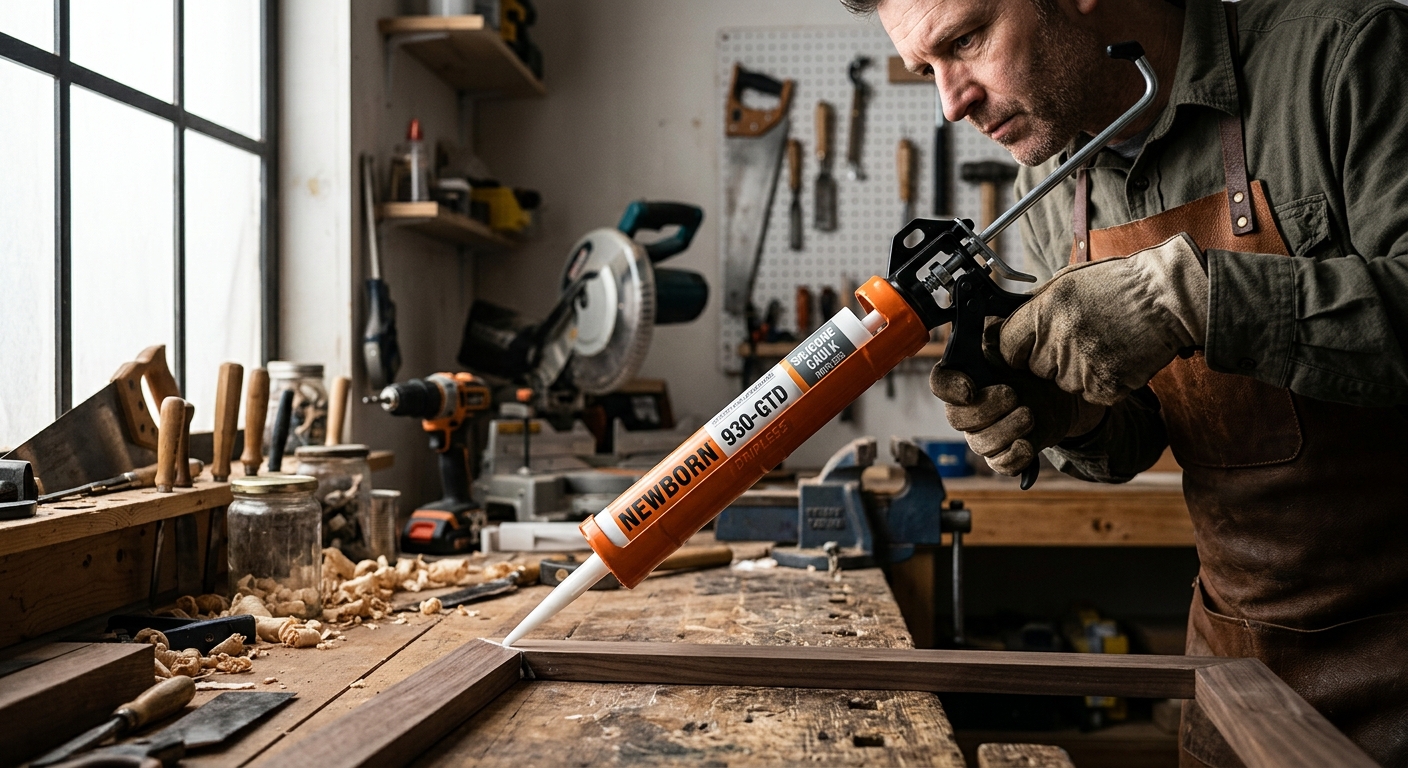
The most recommended dripless caulk gun for homeowners and DIYers. The smooth-rod mechanism stops flow instantly when the trigger is released. The 18:1 thrust ratio provides adequate pressure for most cartridge caulk without requiring excessive hand strength. Built to last significantly longer than the inexpensive ratchet guns sold at hardware stores. Worth the modest premium for anyone who caulks more than once a year.
2. Cox Powerflow Dripless Caulk Gun
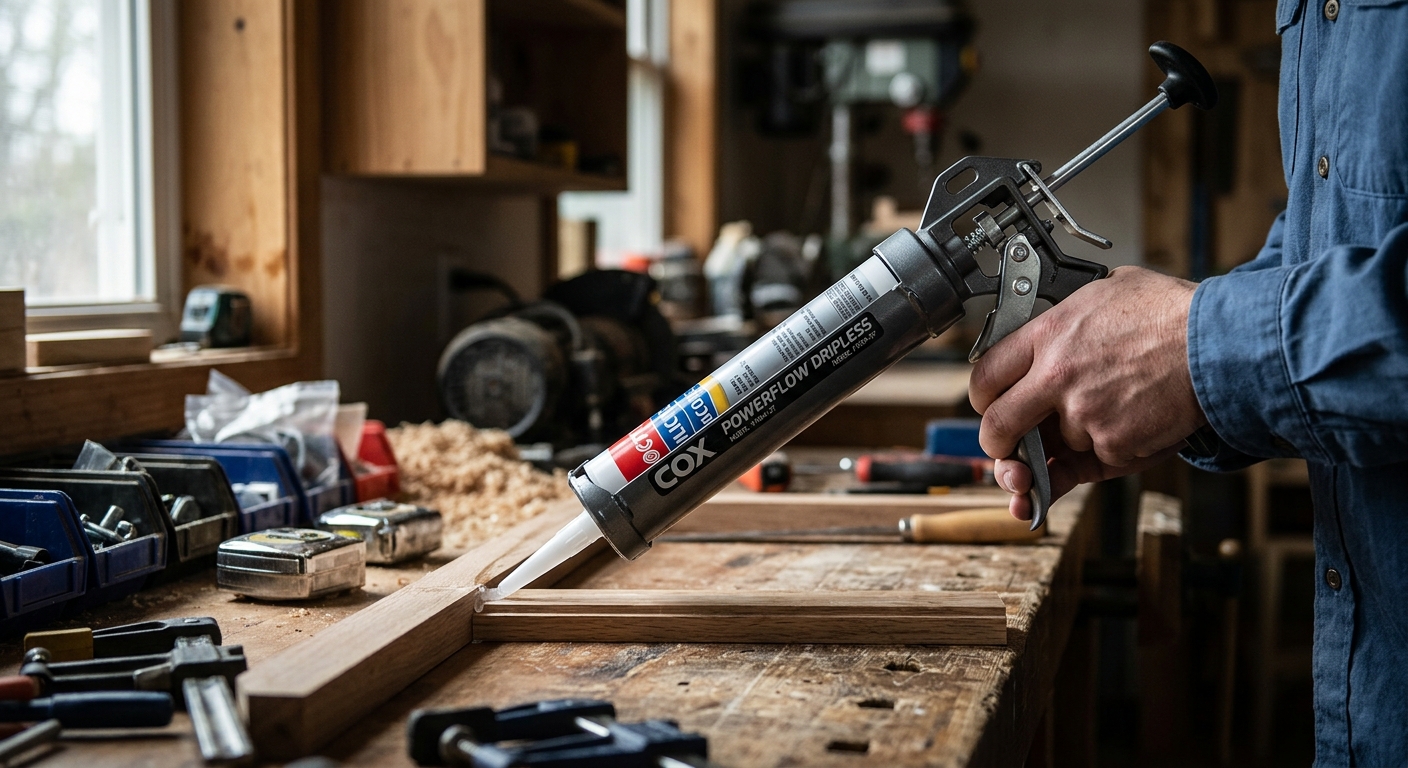
A professional-grade dripless caulk gun with a high thrust ratio for stiff sealants. The rotating barrel allows the gun to be oriented at any angle for corner applications without the cartridge rotating. The professional choice for sealant contractors who need reliable performance in all orientations.
3. Makita XGC01Z 18V Cordless Caulk Gun

A battery-powered cordless caulk gun for large projects. Variable speed dial controls flow rate independently of trigger pressure. Runs on standard Makita 18V batteries. Significantly reduces application fatigue for large caulking projects. The right tool when you have a day-long caulking project and want consistent results without hand fatigue.
4. Milwaukee 2441-21 M12 Cordless Caulk Gun
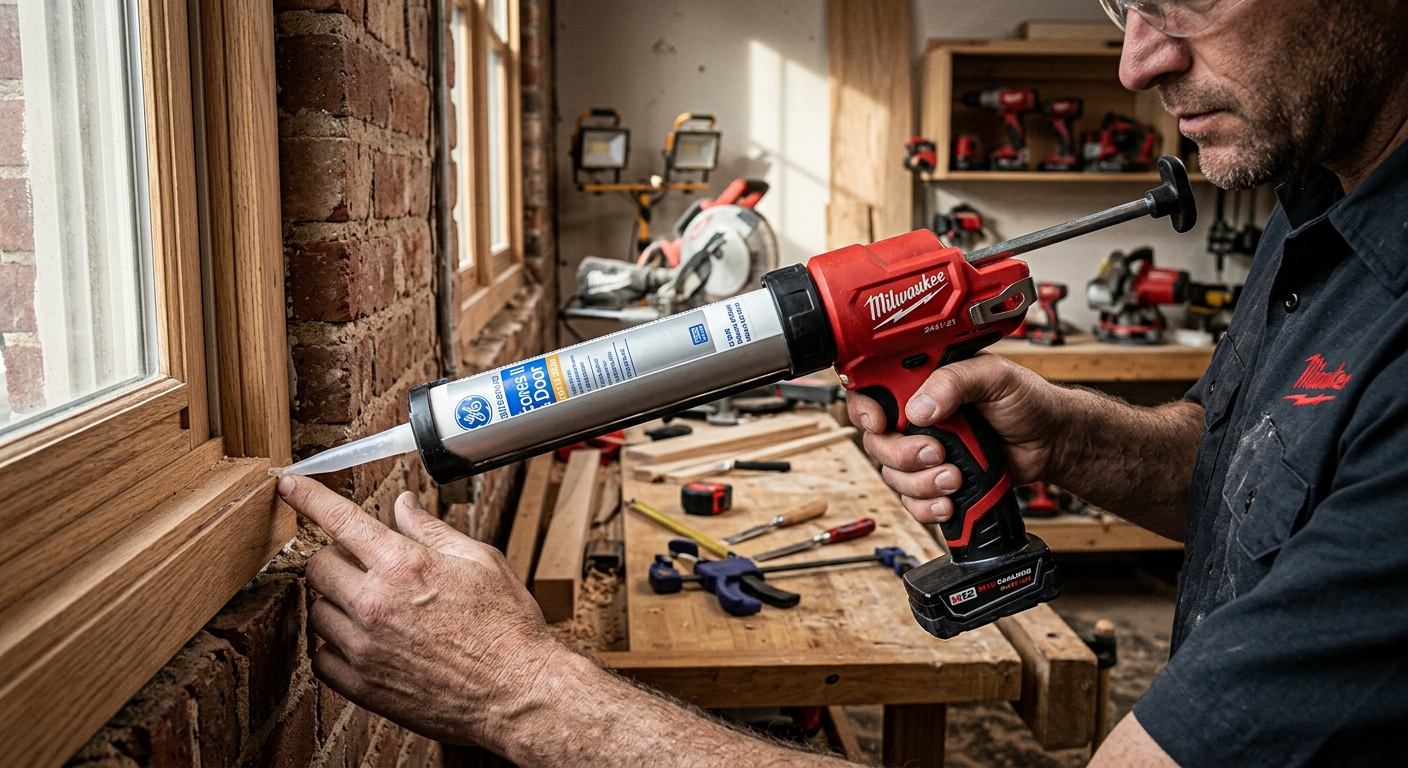
Milwaukee’s cordless caulk gun on the M12 12V platform. Smaller and lighter than 18V models. Good for a full day of caulking work without fatigue. The M12 battery system is compact enough that the caulk gun is not bulky in tight spaces. Compatible with M12 batteries from other Milwaukee tools.
5. Hyde Tools 46290 Standard Ratchet Caulk Gun
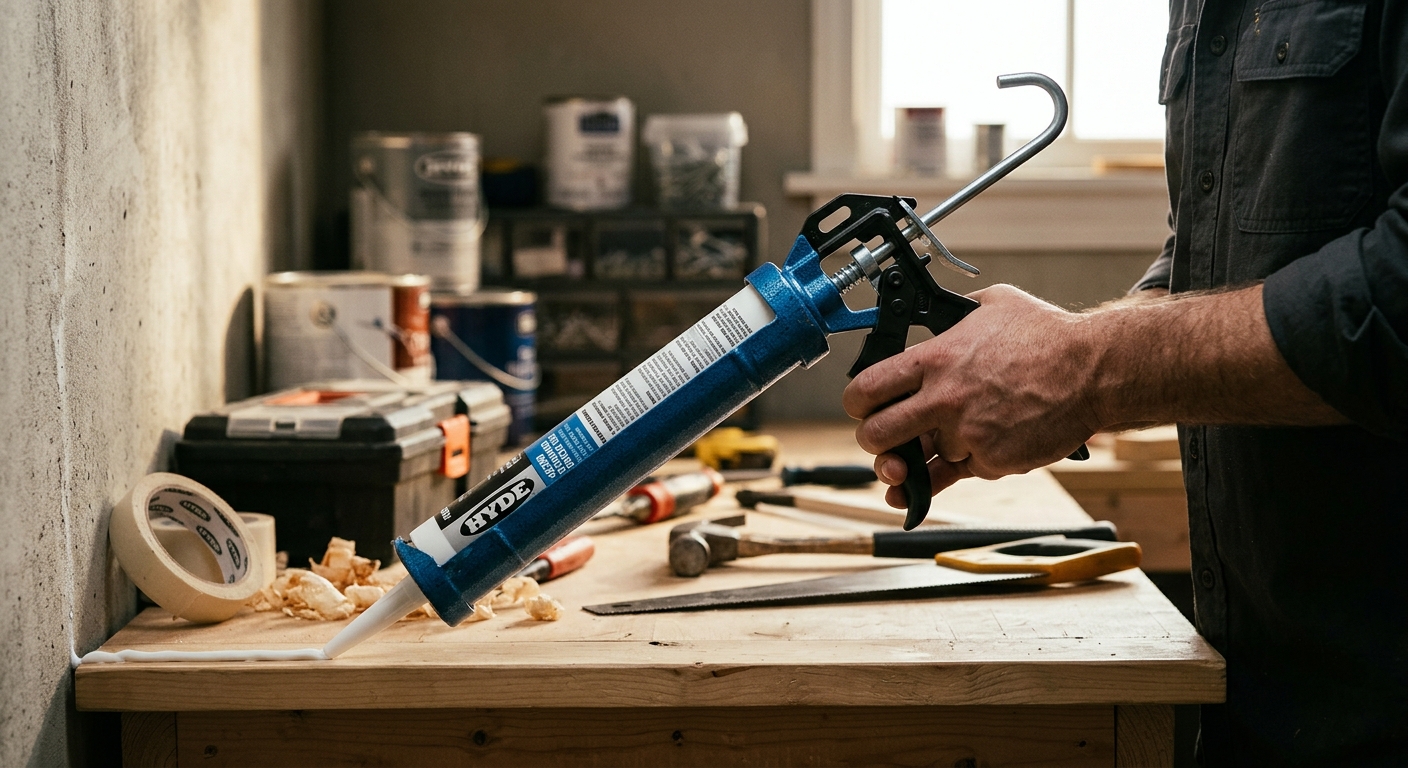
A well-built entry-level ratchet caulk gun for occasional use. Not dripless, but the build quality is better than the cheap ratchet guns sold in hardware store bins. If you only caulk once or twice a year and prefer the lowest possible cost, this is a serviceable option. For more frequent use, the dripless upgrade is worth the extra cost.
How to Apply Caulk Cleanly
- Clean the joint thoroughly – remove old caulk, dirt, and moisture with a putty knife and cleaner.
- Cut the caulk tube nozzle at a 45-degree angle – smaller cut for thin beads, larger cut for wide beads.
- Pierce the inner seal with the rod on the caulk gun or a nail.
- Apply consistent pressure and move the gun at a steady speed.
- Stop applying and smooth the bead with a wet finger or caulk smoothing tool immediately after applying.
- For dripless guns: release the trigger when you stop; for ratchet guns: press the release lever to stop flow.
FAQ
What is the difference between caulk and sealant?
Technically, caulk dries hard and is paintable; sealant remains flexible and is often silicone-based. In practice, the terms are used interchangeably. For bathroom, kitchen, and exterior window and door applications: use silicone or silicone-hybrid sealant for the best water resistance and durability. For interior trim where painting is needed: use latex caulk (paintable).
Affiliate Disclosure: DIY Arsenal participates in the Amazon Associates Program and other affiliate programs. When you purchase through links on this site, we may earn a small commission at no additional cost to you. We only recommend products we have personally tested and genuinely believe in.