Best Pipe Insulation and Heat Cable for Freeze Protection
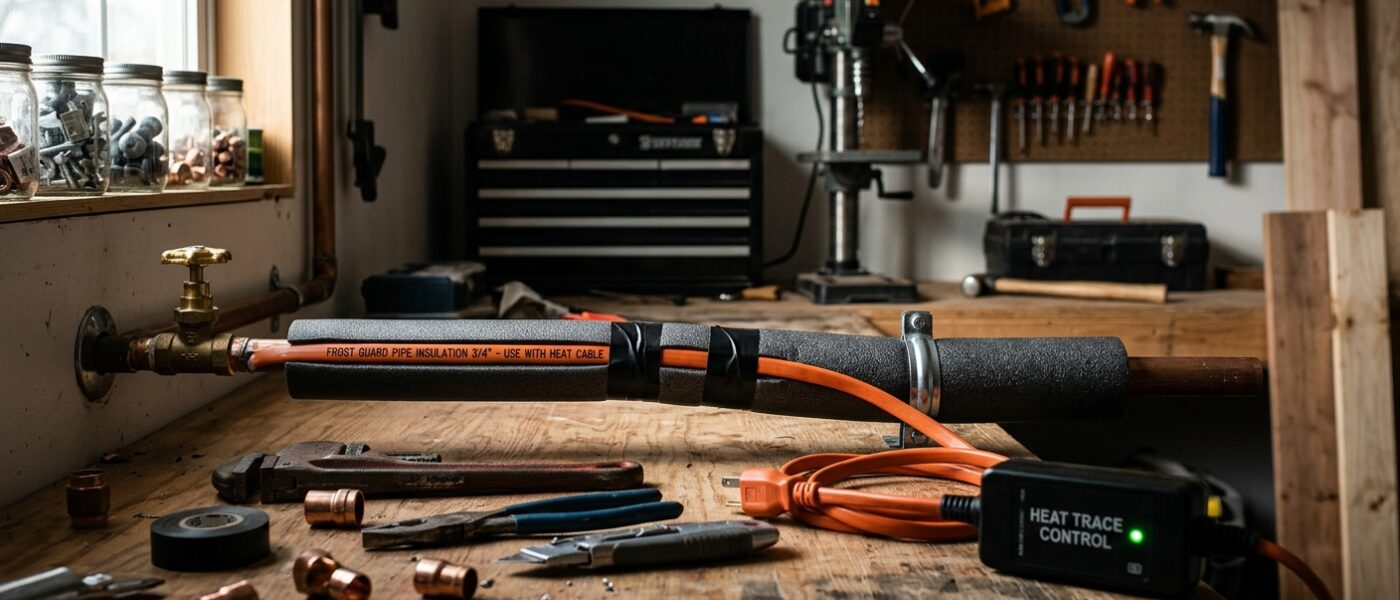
Foam pipe insulation sleeves prevent freezing in crawl spaces and attics in most climates; self-regulating heat cable for pipes in unheated spaces where temperatures drop below 20 degrees Fahrenheit.
As an Amazon Associate, we earn from qualifying purchases.
Frozen and burst pipes are among the most expensive and disruptive home disasters. A single burst pipe can discharge hundreds of gallons of water into a home before the supply is shut off. Protecting exposed pipes in unheated spaces – crawl spaces, attics, exterior walls, and unheated garages – with insulation or heat cable costs a fraction of the damage repair from a single freeze event.
When Pipes Freeze
Water in pipes freezes at 32 degrees Fahrenheit (0 Celsius), but frozen pipes typically require sustained cold exposure. The highest-risk scenarios: outdoor temperatures below 20 degrees Fahrenheit, pipes in unheated crawl spaces or attics, pipes in exterior walls with insufficient insulation, and pipes in unheated garages. A single cold night in these conditions is enough to freeze and burst exposed pipes.
Types of Pipe Protection
Foam Pipe Insulation Sleeves
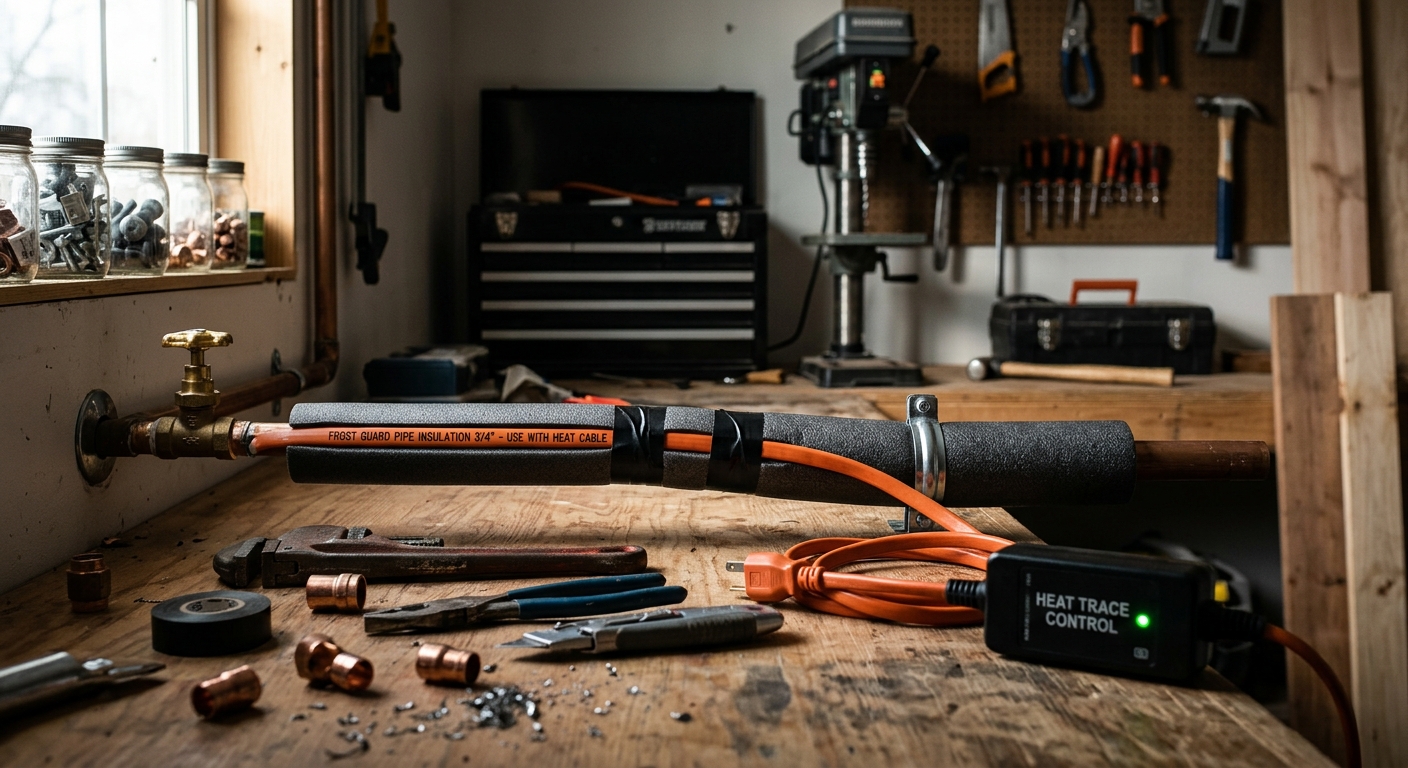
Pre-slit closed-cell polyethylene foam tubes sized to slip over standard pipe diameters. Available in 1/2-inch to 2-inch pipe sizes and multiple wall thickness options. Effective for pipes in moderately cold locations (crawl spaces, attics, exterior walls) where temperatures rarely drop below 20 degrees Fahrenheit. Installation requires only a utility knife to cut to length and press-fit onto the pipe.
Fiberglass Pipe Wrap
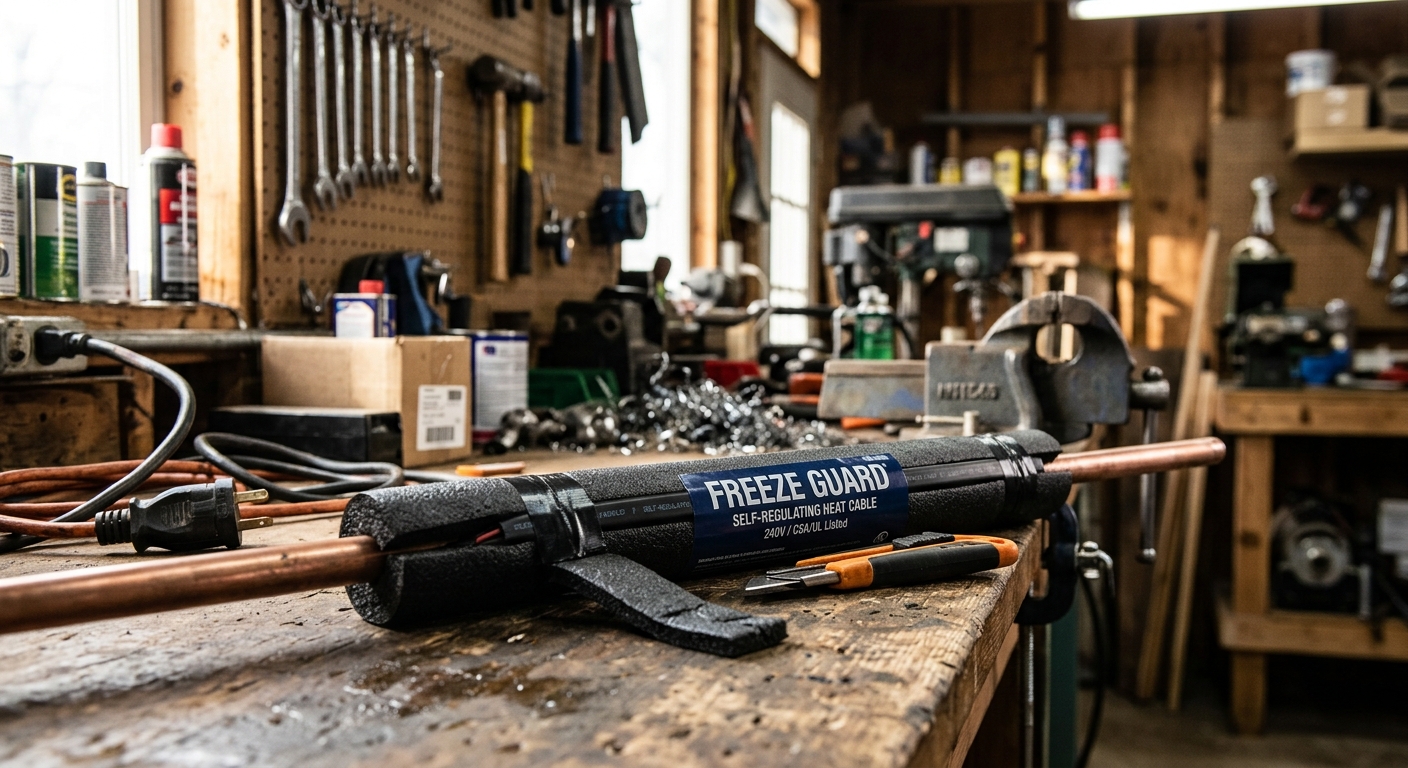
Higher R-value insulation than foam for pipes in very cold locations. Wrapped around the pipe and secured with tape. Used in unheated attics and buildings where foam insulation alone may not provide sufficient thermal protection during extended very cold periods.
Self-Regulating Heat Cable
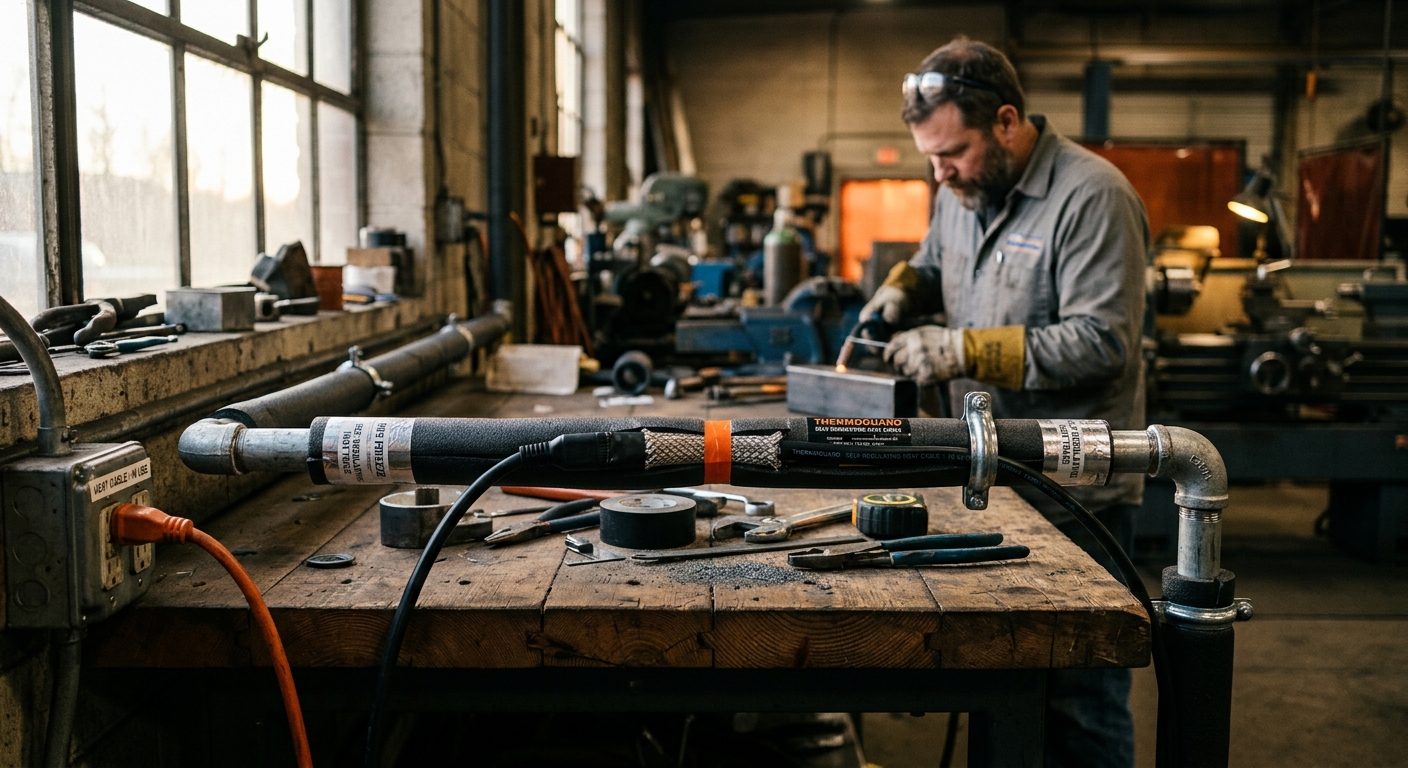
Electric heating tape that wraps around or runs alongside a pipe. Self-regulating models automatically increase heat output as temperature drops – they use more power in cold weather and less in moderate weather. Used for pipes in locations where insulation alone is insufficient for the expected temperature range, such as exterior hose bib connections and pipes in unheated outbuildings.
Our Top Picks
1. Frost King PE Foam Pipe Insulation
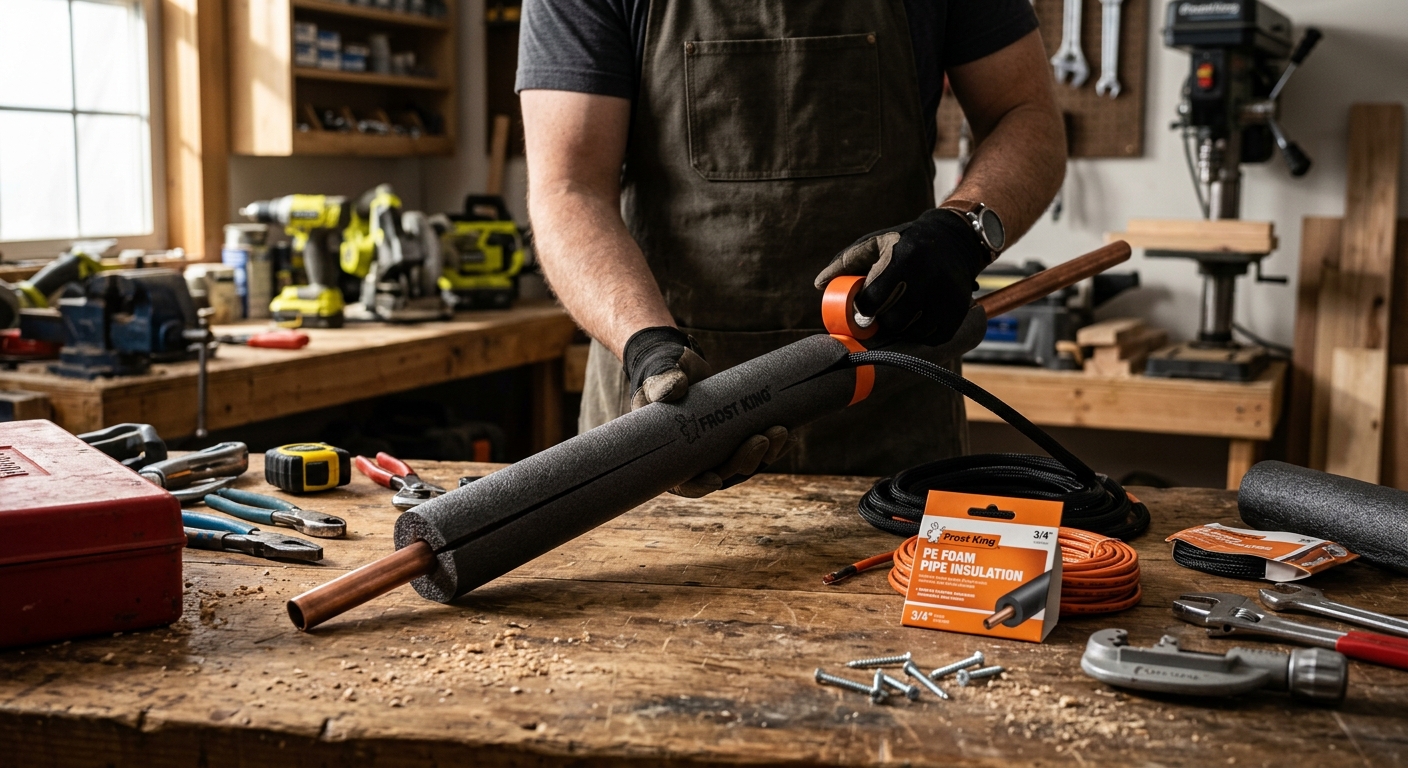
The most widely available and lowest-cost foam pipe insulation. Pre-slit for easy installation. Available in 1/2-inch through 2-inch pipe sizes with 3/8-inch wall thickness. Sold in 6-foot sections that are easy to handle and cut. Covers the vast majority of residential pipe insulation needs in crawl spaces, attics, and basement rim joist areas.
2. Armacell Tundra AP Foam Pipe Insulation
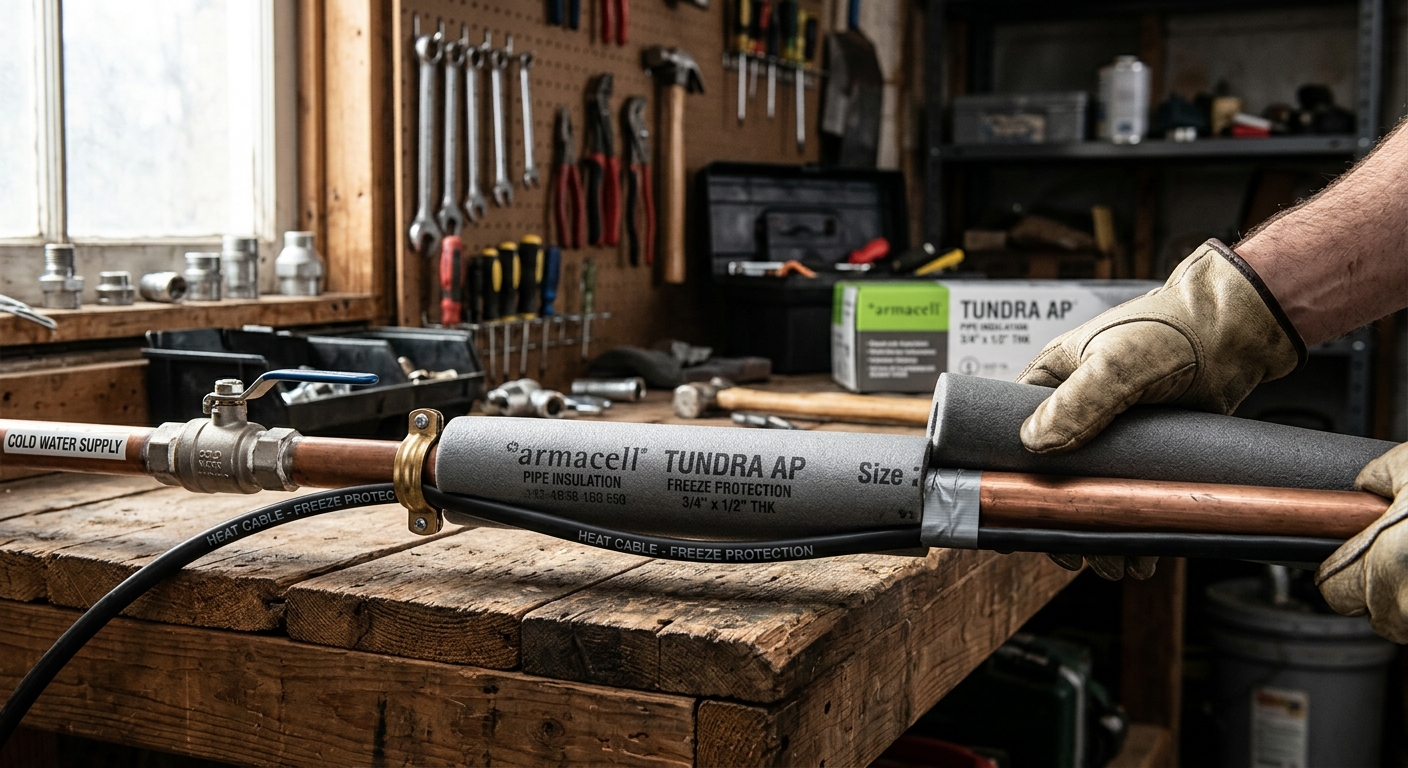
A higher-density foam pipe insulation with better R-value than standard Frost King foam. The heavier wall construction provides better protection in colder locations. Available in 1/2-inch and 3/4-inch pipe sizes – covers the most common residential copper supply pipe sizes.
3. EasyHeat AHB Cable Self-Regulating Heat Tape
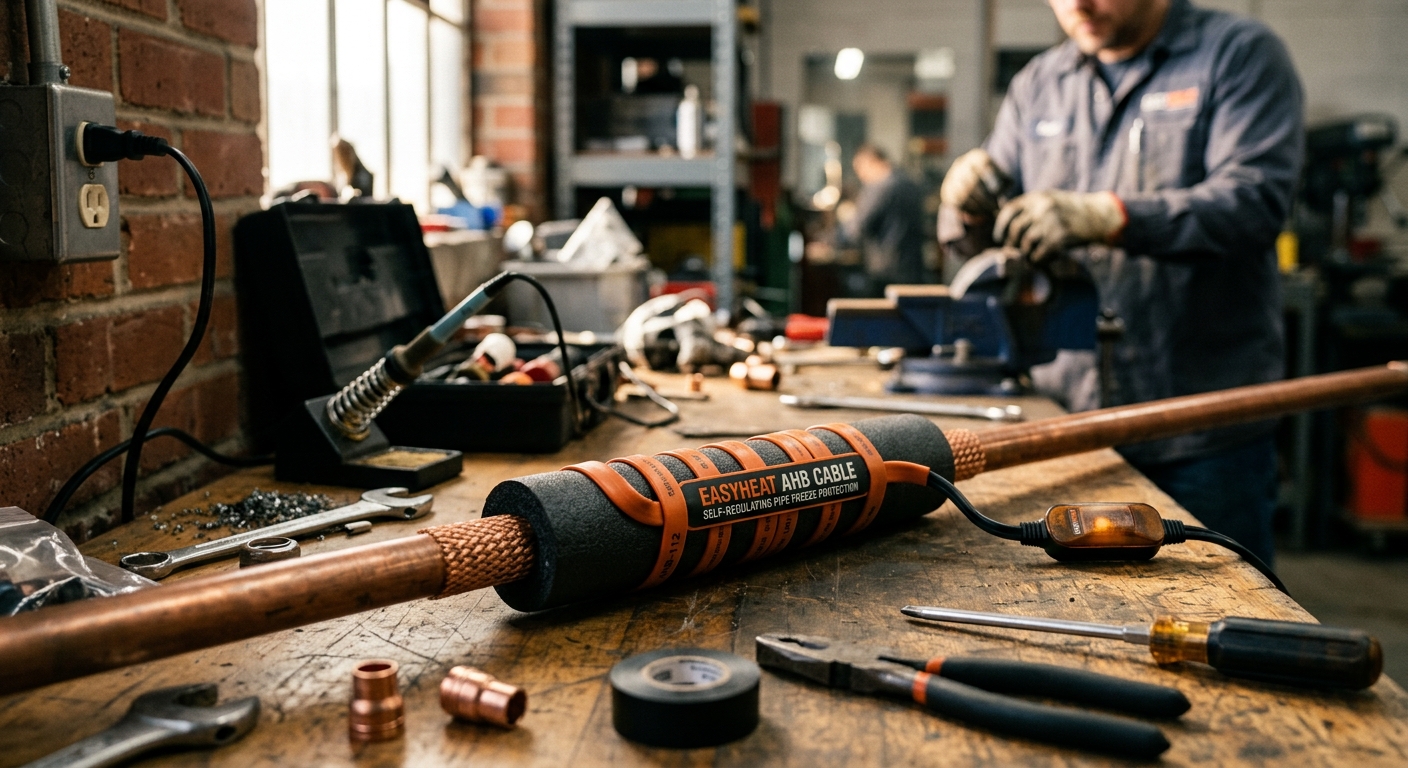
The standard self-regulating heat tape for residential pipe freeze protection. Wraps around or runs alongside the pipe and plugs into a standard 120V outlet. Self-regulating operation adjusts output based on pipe temperature – prevents overheating and reduces energy use in moderate weather. The most practical heat tape for residential use in locations where ambient temperatures regularly reach below 20 degrees Fahrenheit.
4. Wrap-On 31116 Self-Regulating Heat Cable
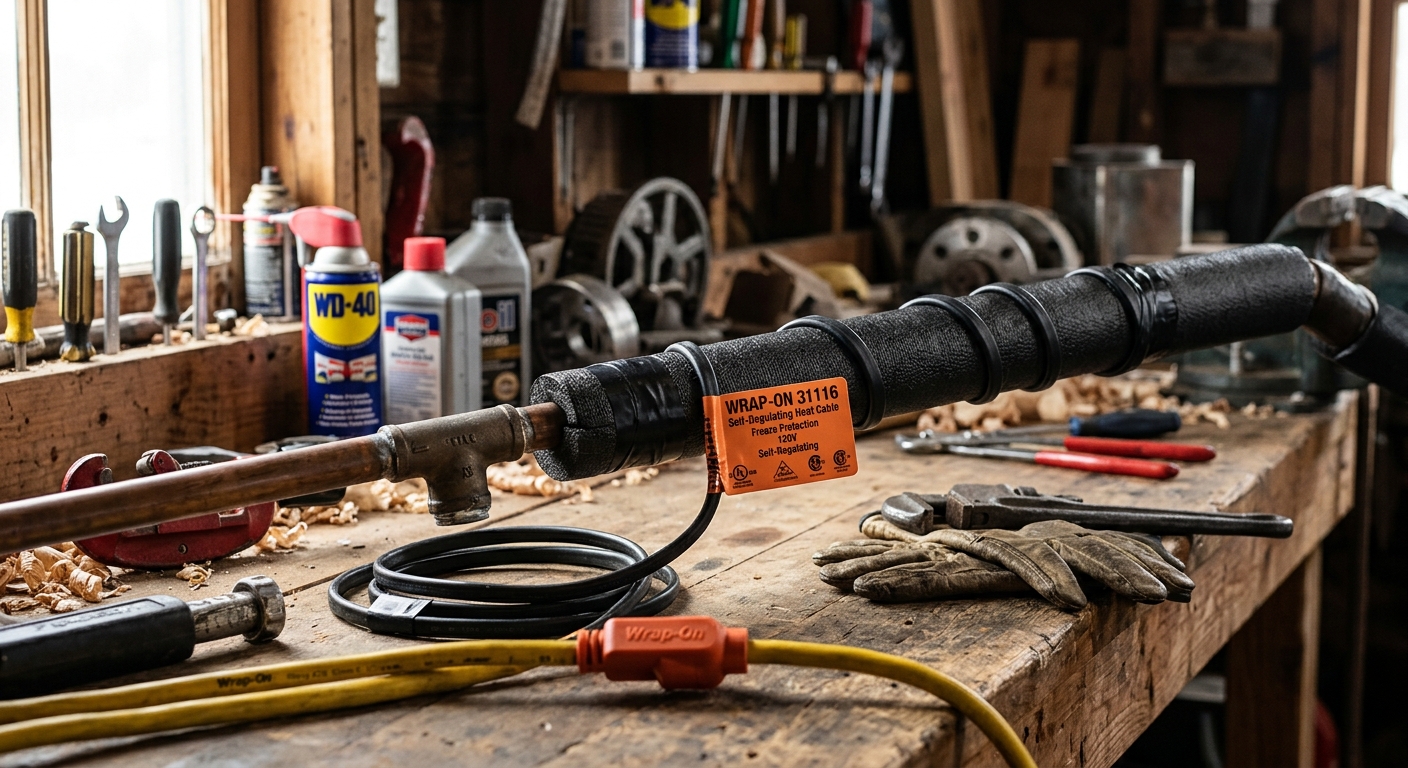
An alternative self-regulating heat cable with a built-in thermostat that turns the cable on only when the pipe temperature approaches freezing. The thermostat control reduces energy consumption compared to manually-switched heat tape and ensures the cable activates whenever needed without requiring manual intervention.
5. Pipe Freeze Pro Insulated Outdoor Faucet Cover
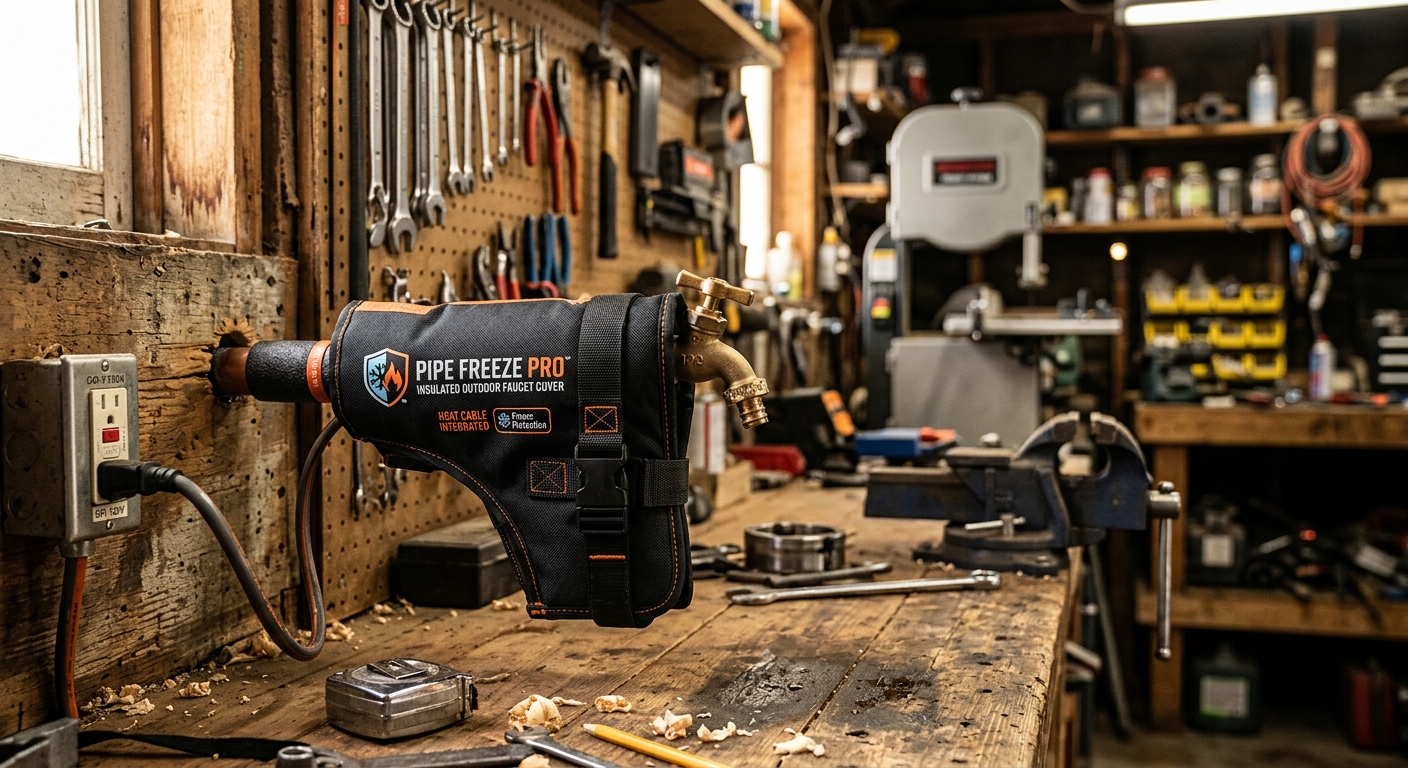
A foam-filled cover for exterior hose bibs (outdoor water faucets). Fits over the faucet and creates an insulating air pocket that prevents the most common outdoor freeze point – the exterior hose bib and its supply line near the exterior wall. Install in fall, remove in spring. The easiest and cheapest protection for outdoor faucets.
FAQ
What temperature do I need heat tape vs. foam insulation?
In most climates: foam insulation (with R-value 4-6) is sufficient for pipes in locations where the ambient temperature stays above 20 degrees Fahrenheit. Below that, or for extended cold periods (more than 24 hours at temperatures below 20 degrees Fahrenheit), add heat tape. In the coldest climates (extended below-zero temperatures), both foam insulation and heat tape together provide reliable protection.
Can I leave heat tape on all year?
Self-regulating heat tape can be left installed year-round – it draws no power when the pipe temperature is above freezing and operates only when needed. Standard (non-self-regulating) heat tape should be unplugged in spring and plugged back in before fall to avoid running continuously and unnecessary energy use in warm weather.
Affiliate Disclosure: DIY Arsenal participates in the Amazon Associates Program and other affiliate programs. When you purchase through links on this site, we may earn a small commission at no additional cost to you. We only recommend products we have personally tested and genuinely believe in.