Best Plumber’s Putty and Silicone Sealants
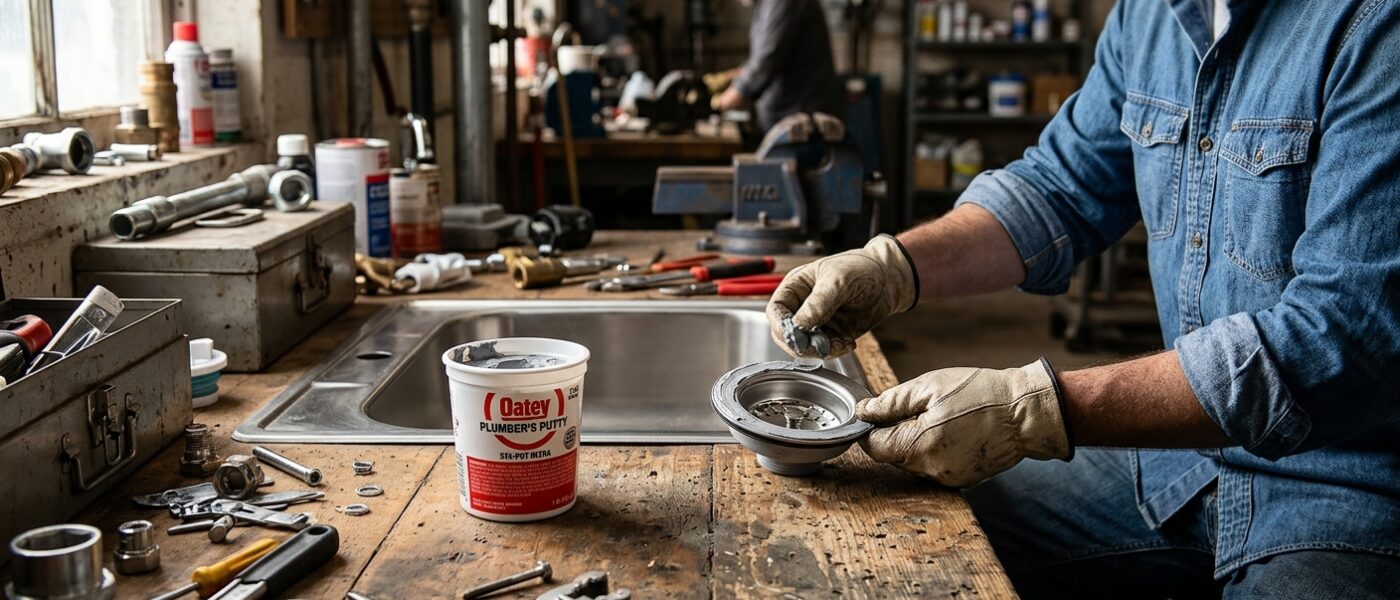
Use stain-free putty for drain flanges on stone sinks and 100% silicone for wet-area sealing. The right product for each application prevents leaks and staining.
As an Amazon Associate, we earn from qualifying purchases.
Plumber’s putty and silicone sealants are the two go-to materials for sealing drains, faucets, and fixtures. Knowing which one to use in each situation prevents leaks, staining, and damage that comes from using the wrong product in the wrong place.
Plumber’s Putty vs Silicone – When to Use Each
- Plumber’s putty: Non-hardening, stays flexible, easy to remove. Best for drain basket flanges, pop-up drains, and any fitting that may need future removal.
- Silicone caulk (100%): Creates a waterproof, adhesive bond. Best for tub and shower surrounds, around faucet bases on granite or stone counters, and anywhere the sealant needs to hold under water pressure.
- Stain-free putty: Required for marble, granite, and stone sinks. Standard putty oils can permanently stain porous stone.
Top Picks
1. Oatey 31166 Plumber’s Putty (1 lb)
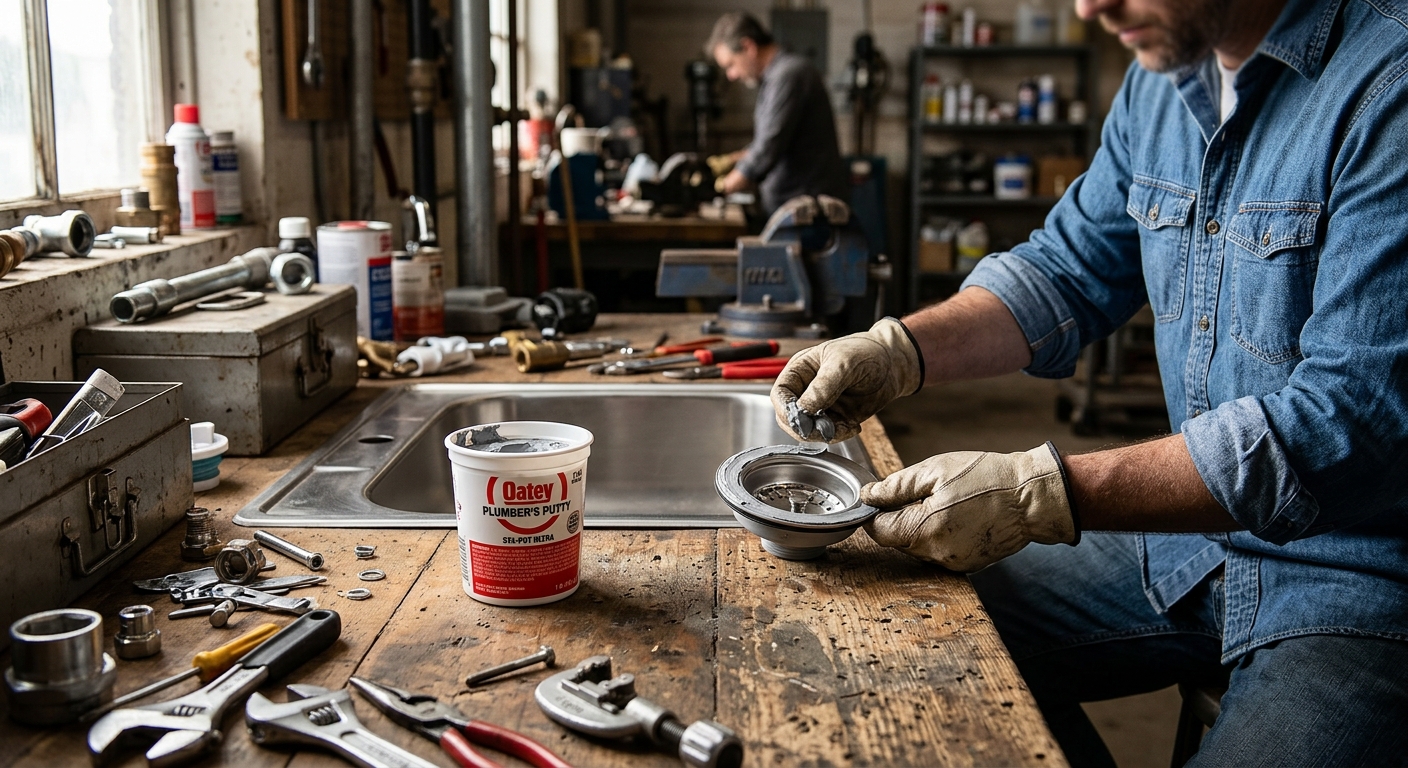
The standard residential plumber’s putty. Works on porcelain and stainless steel sinks, stays workable for years, and cleans up without solvents. The 1-lb tub is enough for 3-4 drain installations.
2. GE Sealants Advanced Silicone 2 Kitchen and Bath
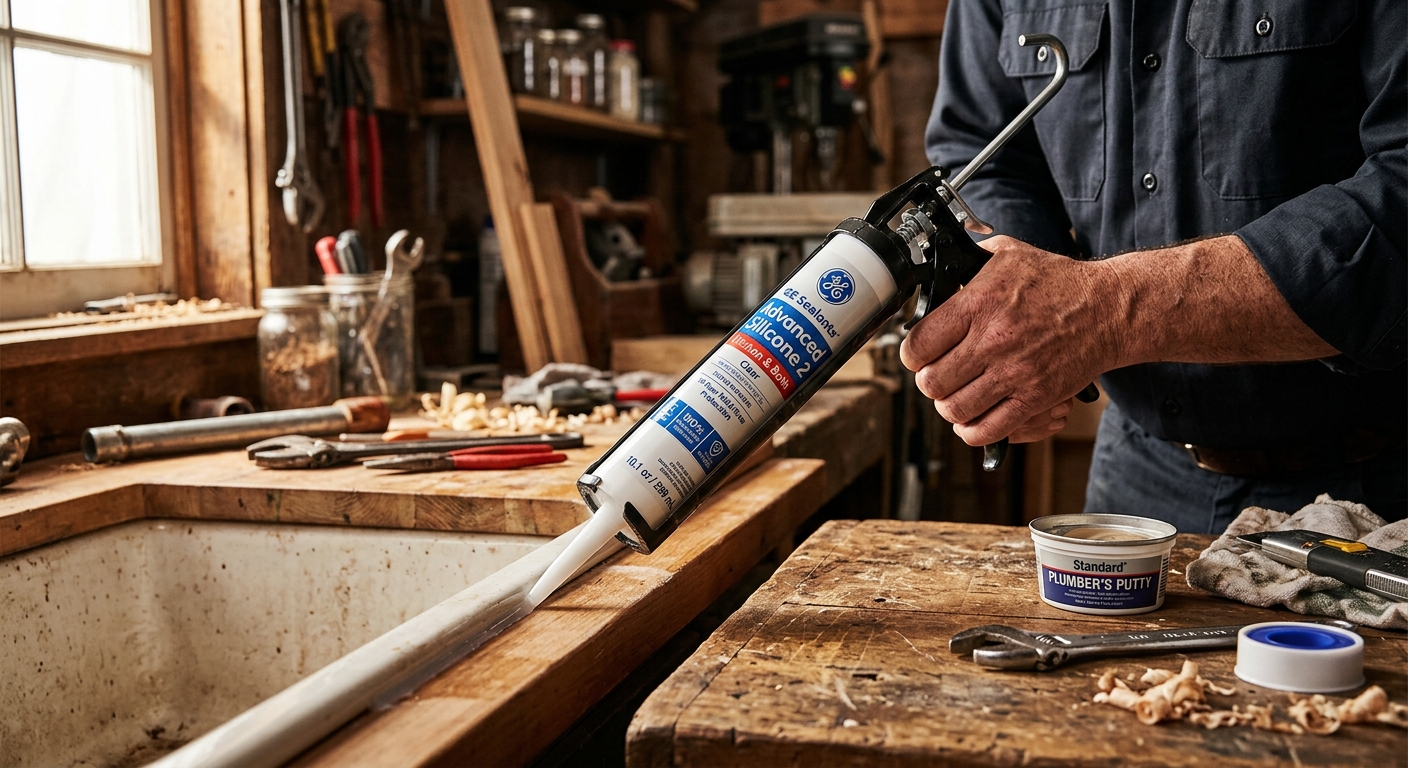
100% silicone, mold-resistant, and rated for continuous water exposure. The best consumer-grade silicone for tub and shower re-caulking and around faucet escutcheons on natural stone.
3. Hercules 25590 Sta Put Stain-Free Putty
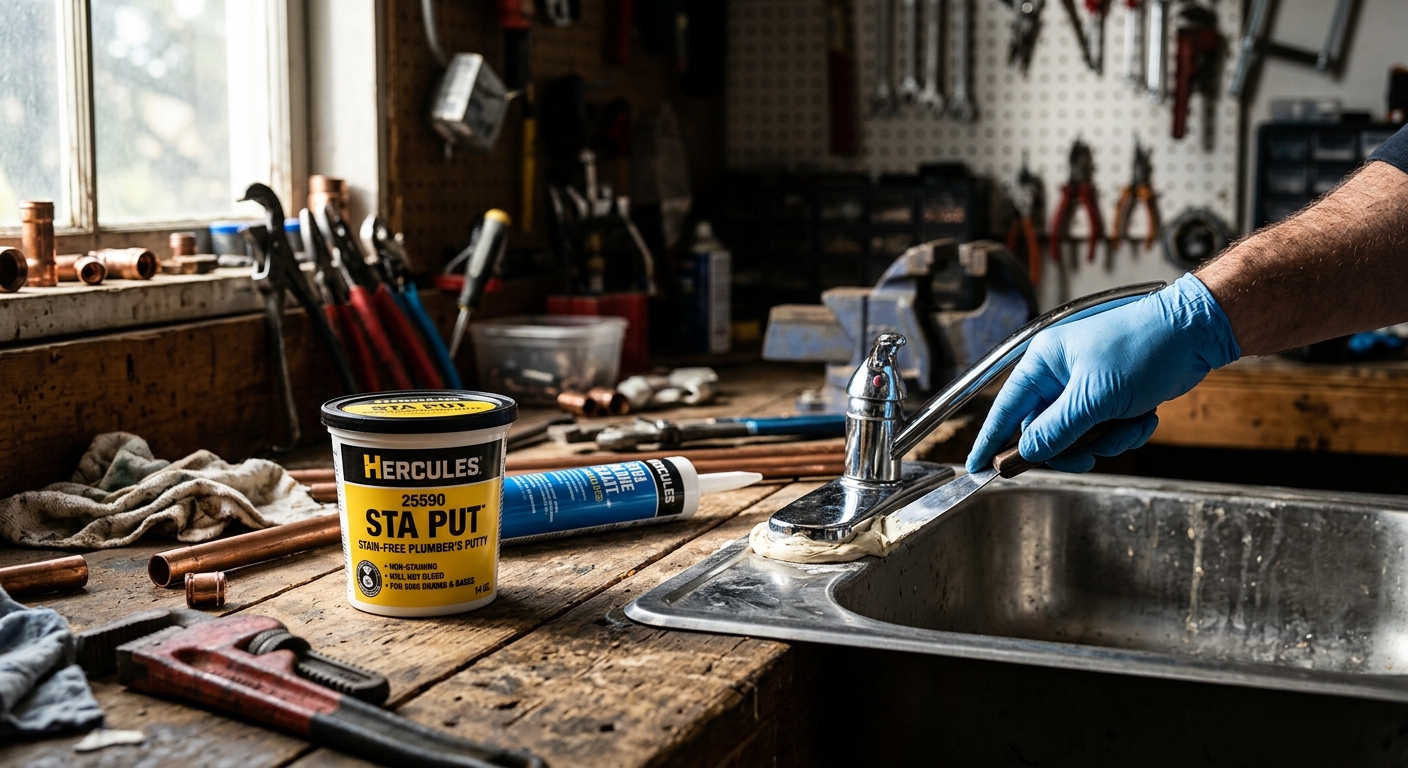
The right choice for granite, marble, and cultured stone sinks. No petroleum oils means no staining, and it remains flexible indefinitely.
FAQ
How long does silicone caulk last in a shower?
5-10 years with good ventilation. Signs it needs replacement: cracking, shrinkage away from the wall, or visible mold that does not clean off. Remove the old bead completely before applying fresh material – silicone does not bond to silicone well.
Affiliate Disclosure: DIY Arsenal participates in the Amazon Associates Program and other affiliate programs. When you purchase through links on this site, we may earn a small commission at no additional cost to you. We only recommend products we have personally tested and genuinely believe in.