Best Hard Hats and Bump Caps for Renovation Projects
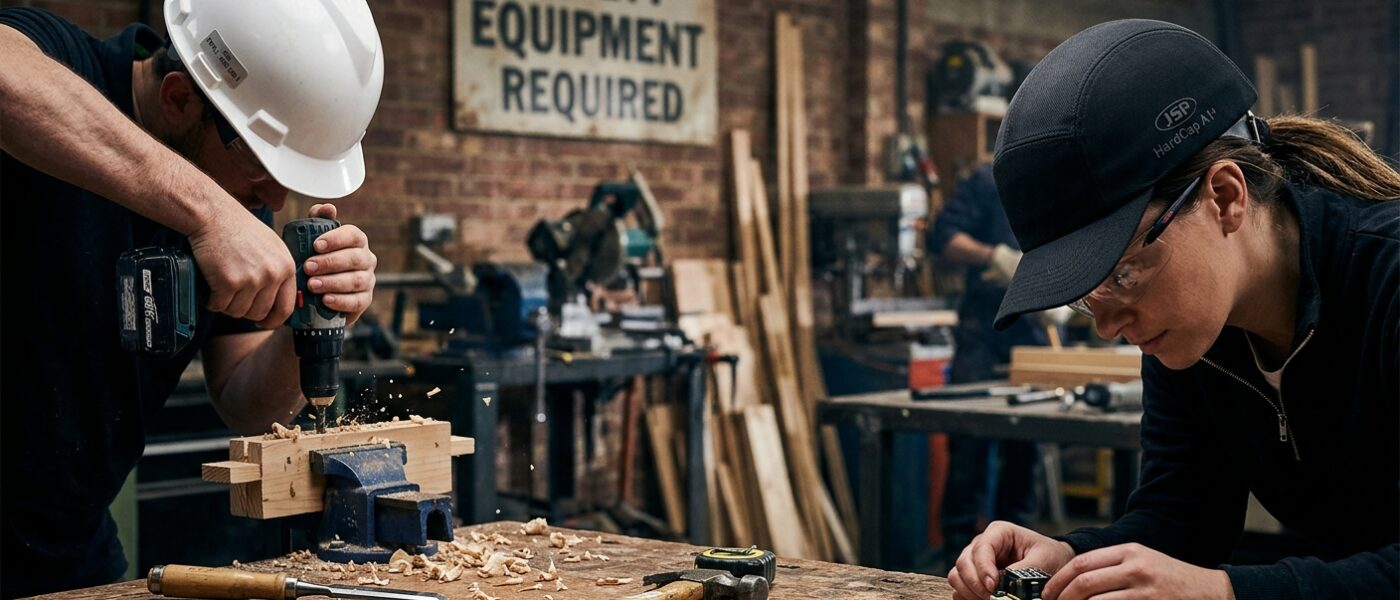
The MSA V-Gard Full Brim is the proven industry standard at an unbeatable price; the Klein Tools 60407 is the best hard hat for electricians and contractors who want integrated PPE compatibility.
As an Amazon Associate, we earn from qualifying purchases.
On most residential renovation projects, a hard hat seems like overkill – until the moment it is not. Demolishing walls, working under overhead framing, installing attic insulation, and renovating older homes where structural surprises are always possible all create real falling-object hazards. Hard hats are mandatory on commercial construction sites and OSHA-regulated workplaces; for DIYers they are a low-cost, low-weight insurance policy worth keeping in the toolbox.
Types of Head Protection
Type I vs. Type II Hard Hats
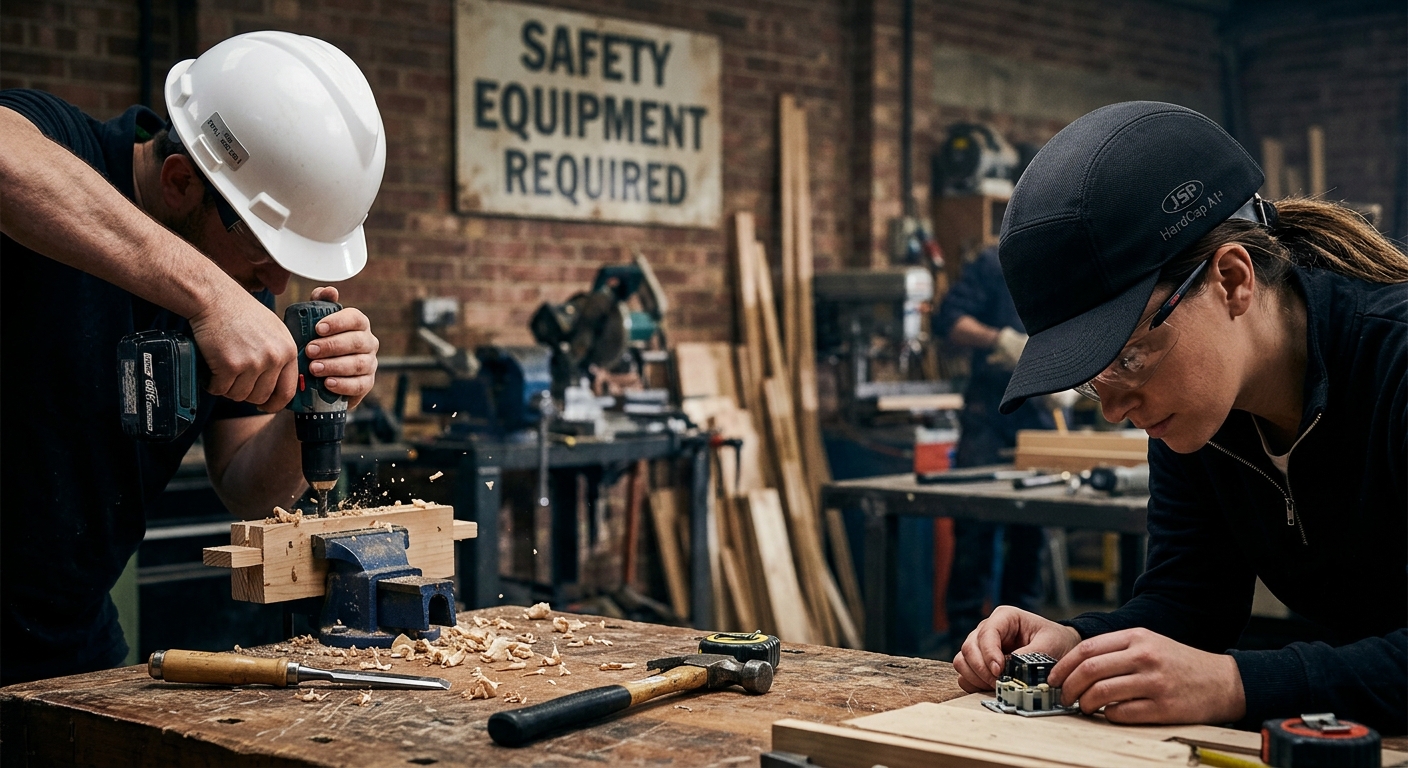
Type I hard hats protect the top of the head only. Type II protect the top and sides – including lateral impacts from scaffolding, pipes, and low structural members. Type II is strongly preferred for DIY renovation work where the hazard direction is unpredictable.
Class E, G, and C
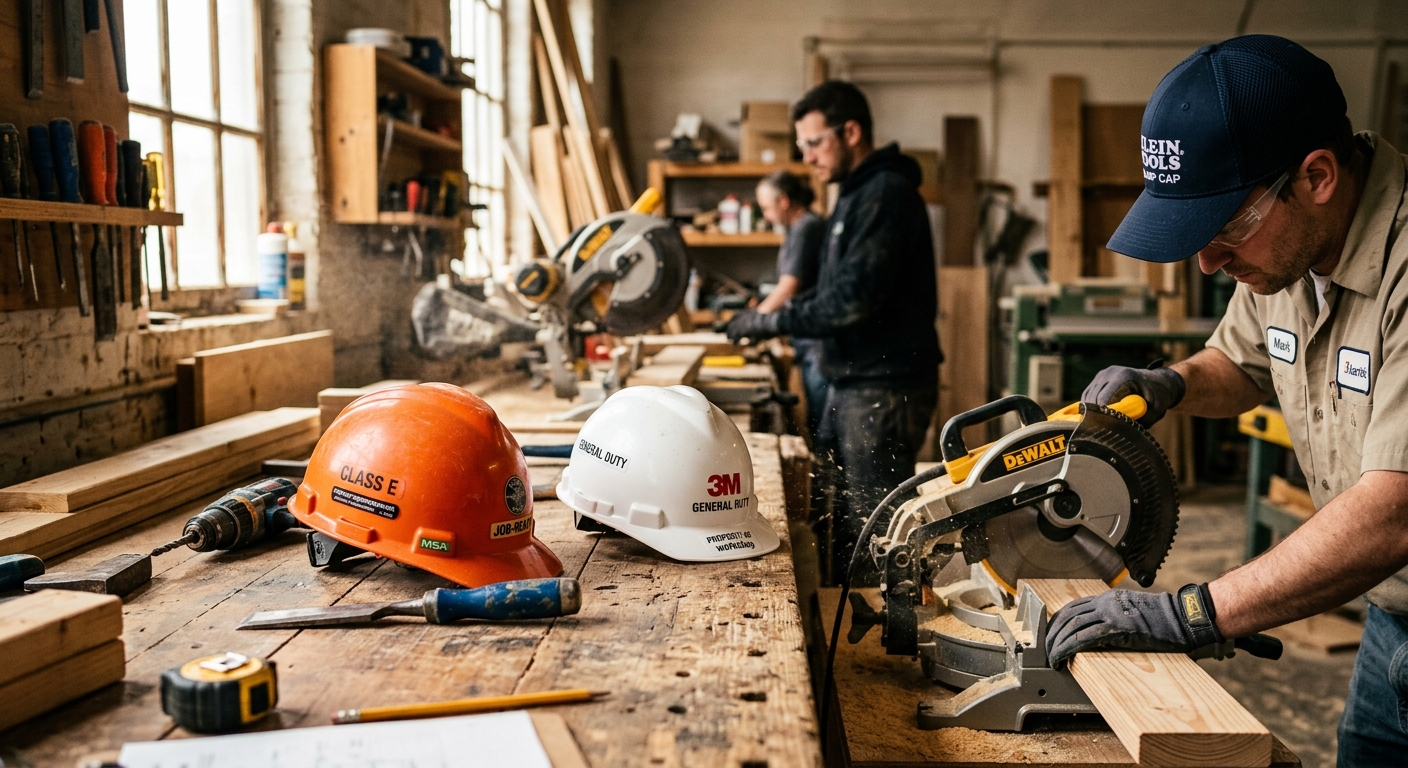
Class E (Electrical) rated hats withstand up to 20,000 volts. Class G (General) rated for up to 2,200 volts. Class C (Conductive) – no electrical protection, not recommended for any work near electrical systems. For general renovation, Class G is the minimum; Class E if any electrical work is involved.
Bump Caps
Lightweight low-profile caps that protect against minor bumps and scrapes from low overheads – cabinets, engine bays, confined spaces. They are NOT rated for falling object impact and should not be used where a hard hat is required. They are the right choice for work in tight spaces where a full hard hat is impractical and the hazard is bumping into stationary objects rather than being struck by falling ones.
Safety Helmets (Modern Hard Hats)
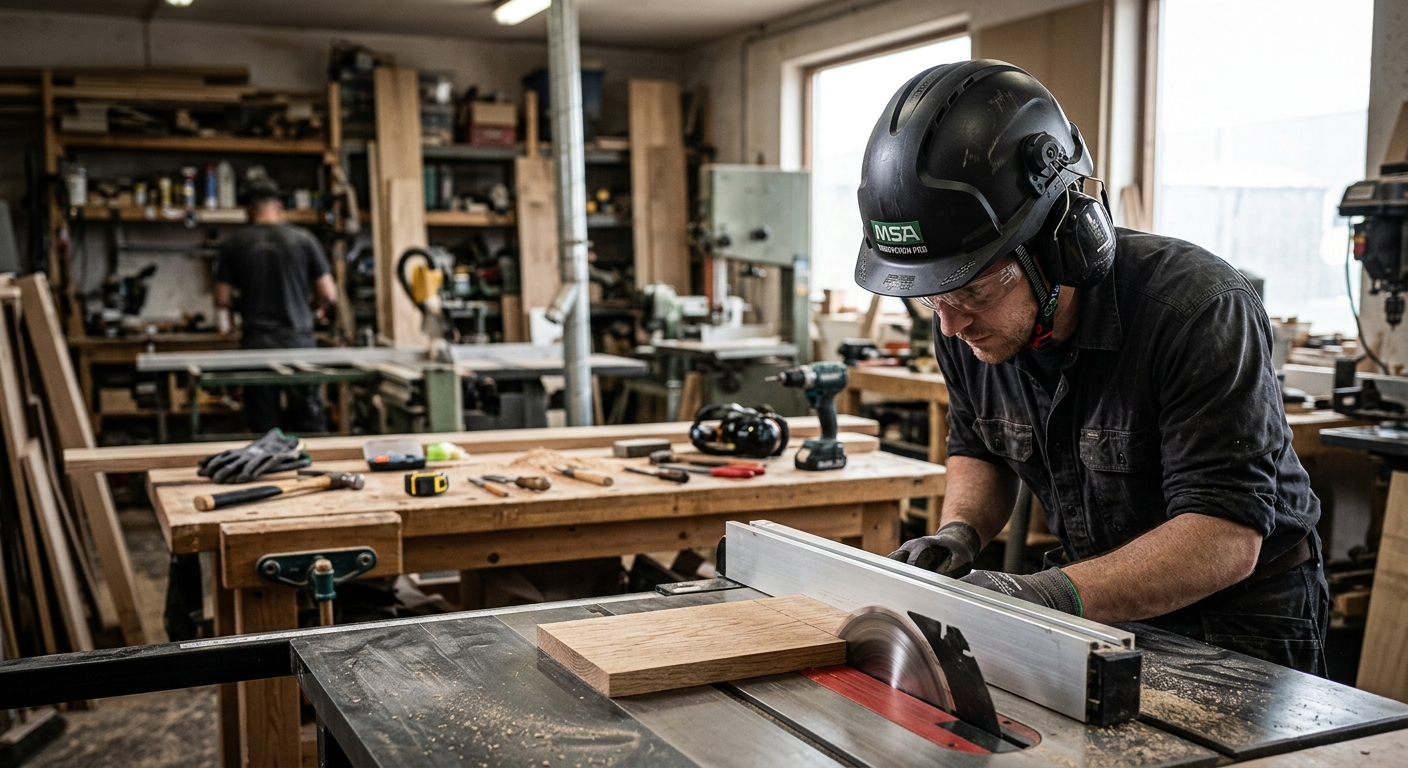
The latest generation of hard hats from companies like Kask, Petzl, and MSA blur the line between climbing helmet and hard hat. They meet Type II Class E ratings while being lighter, better fitting, and more comfortable than traditional dome-style hard hats. Increasingly common on progressive job sites.
Key Features to Look For
Suspension System
The internal webbing harness is what actually absorbs impact energy. A 4-point or 6-point suspension with ratchet adjustment is more comfortable and protective than a simple pin-lock design. The suspension should hold the hard hat 1 to 1-1/4 inches above the head to allow the shell to deform before reaching the skull.
Venting
Vented hard hats are significantly cooler in warm weather. However, vented designs reduce protection from splashing liquids and certain falling particles. For outdoor summer work, vented is usually the right choice. For concrete work or painting overhead, non-vented.
Brim Style
Full-brim hard hats shade the face, ears, and neck from sun and rain. Cap-style (short front brim only) are lighter and allow better upward visibility. Full-brim is preferred for outdoor work; cap-style for indoor construction.
Replacement Schedule
Hard hat shells should be replaced after any significant impact, even if no visible damage is apparent. ANSI recommends replacing shells every 5 years regardless of use due to UV degradation of the plastic.
Our Top Picks
1. MSA 475369 V-Gard Full Brim Hard Hat
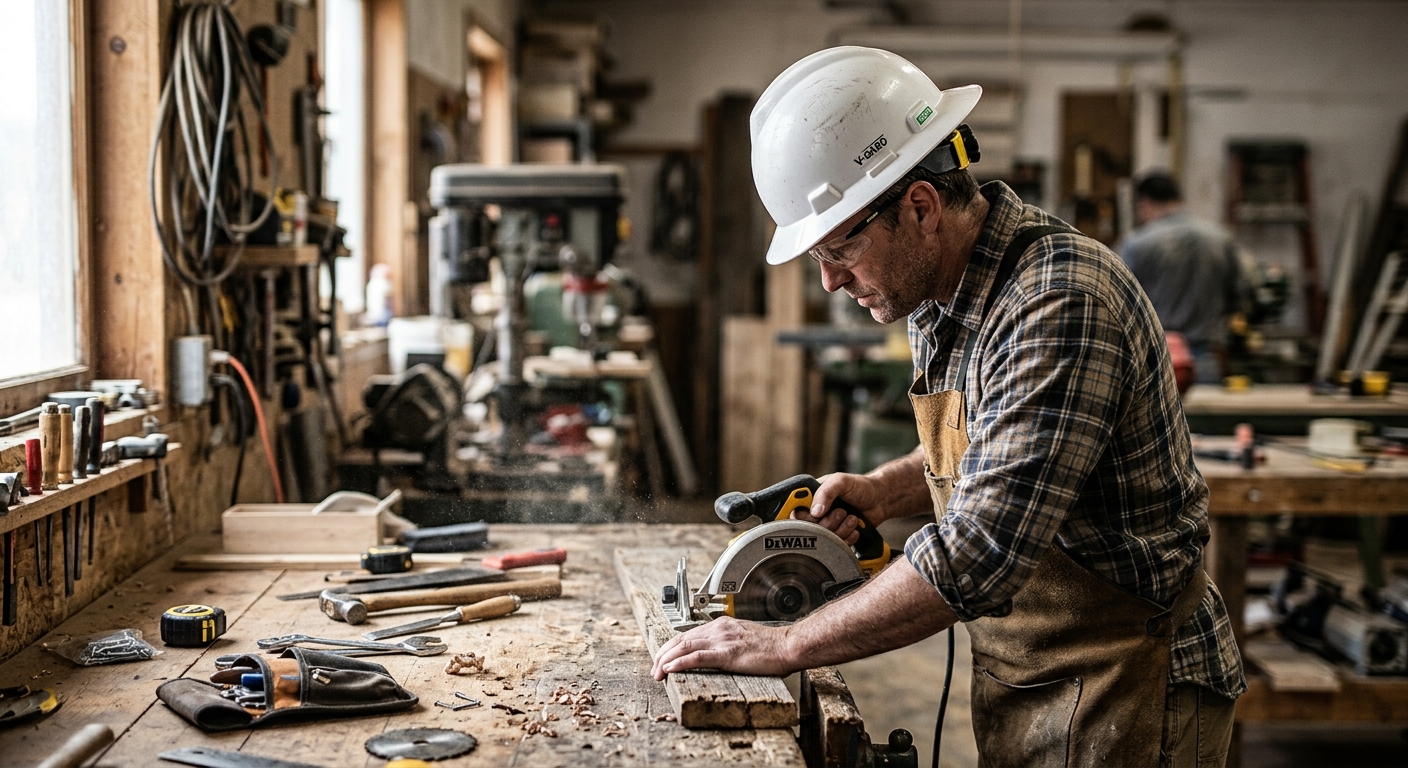
The most recognized hard hat in construction. The MSA V-Gard has protected workers since 1962 and remains the standard on job sites worldwide. The Fas-Trac III ratchet suspension adjusts precisely, the polyethylene shell is impact-resistant and UV-stable, and the full brim provides exceptional sun and rain protection. Class E rated. A reliable, proven choice at an excellent price.
2. Fibre-Metal SuperEight Ratchet Hard Hat
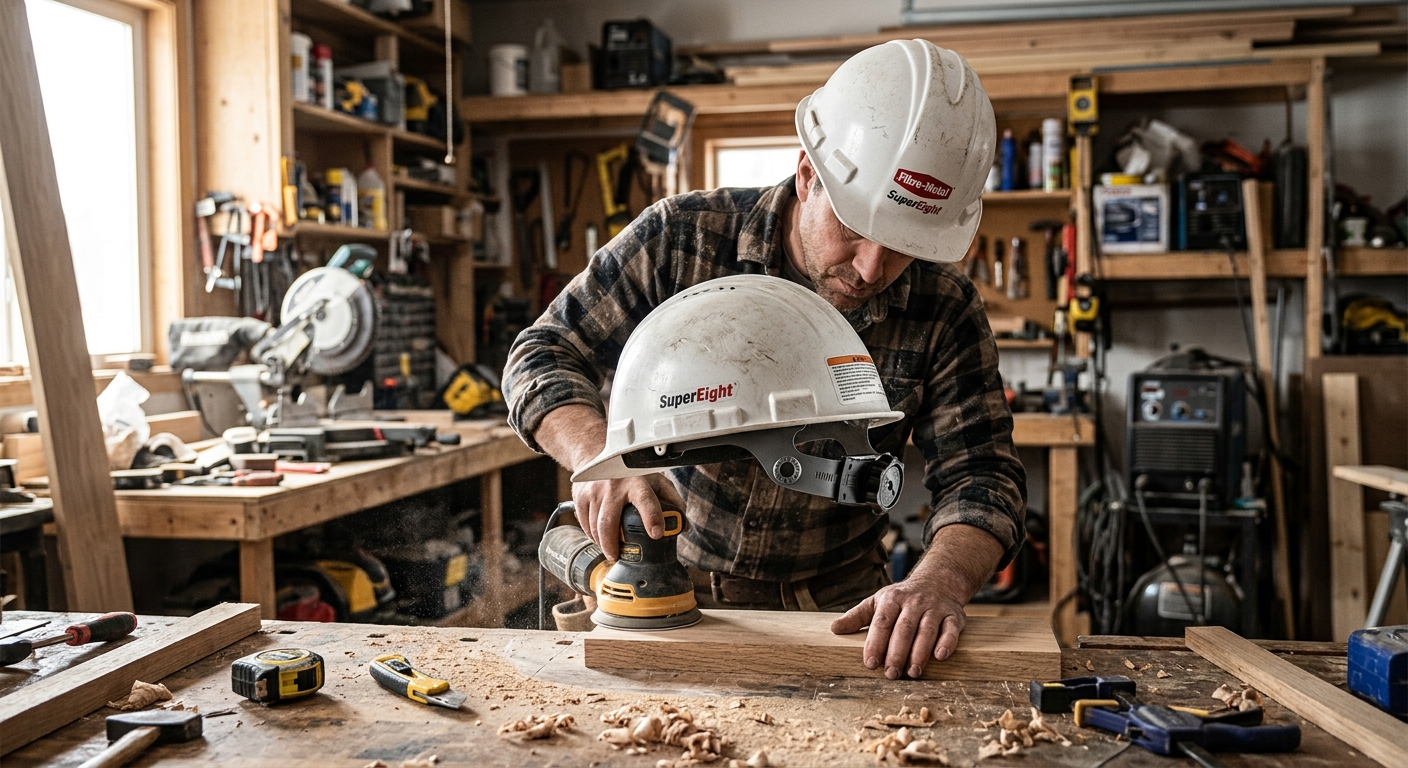
The fiberglass shell of the SuperEight is stronger than polyethylene, making it the right choice for environments with higher chemical exposure or thermal hazards. The 8-point suspension is the most comfortable available. Used by pipefitters, welders, and workers in petrochemical environments. More expensive but significantly longer-lasting.
3. Klein Tools 60407 Professional Hard Hat
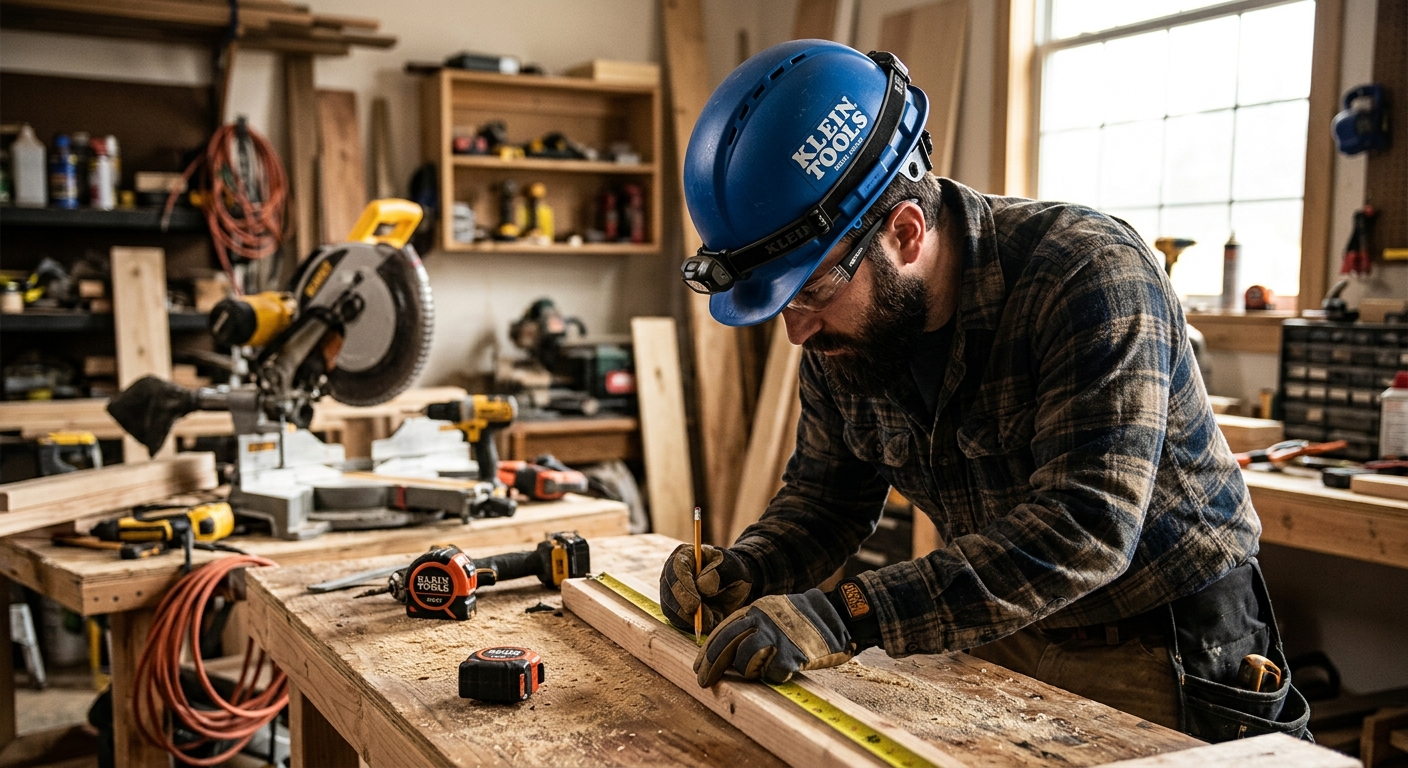
Klein delivers their trademark tool-grade quality in a hard hat. Type II, Class E, with a comfortable 6-point ratchet suspension and a low-profile design. The built-in slots accept Klein eye and ear protection add-ons. An excellent everyday hard hat for electricians and general contractors.
4. Pyramex Ridgeline Full Brim Hard Hat
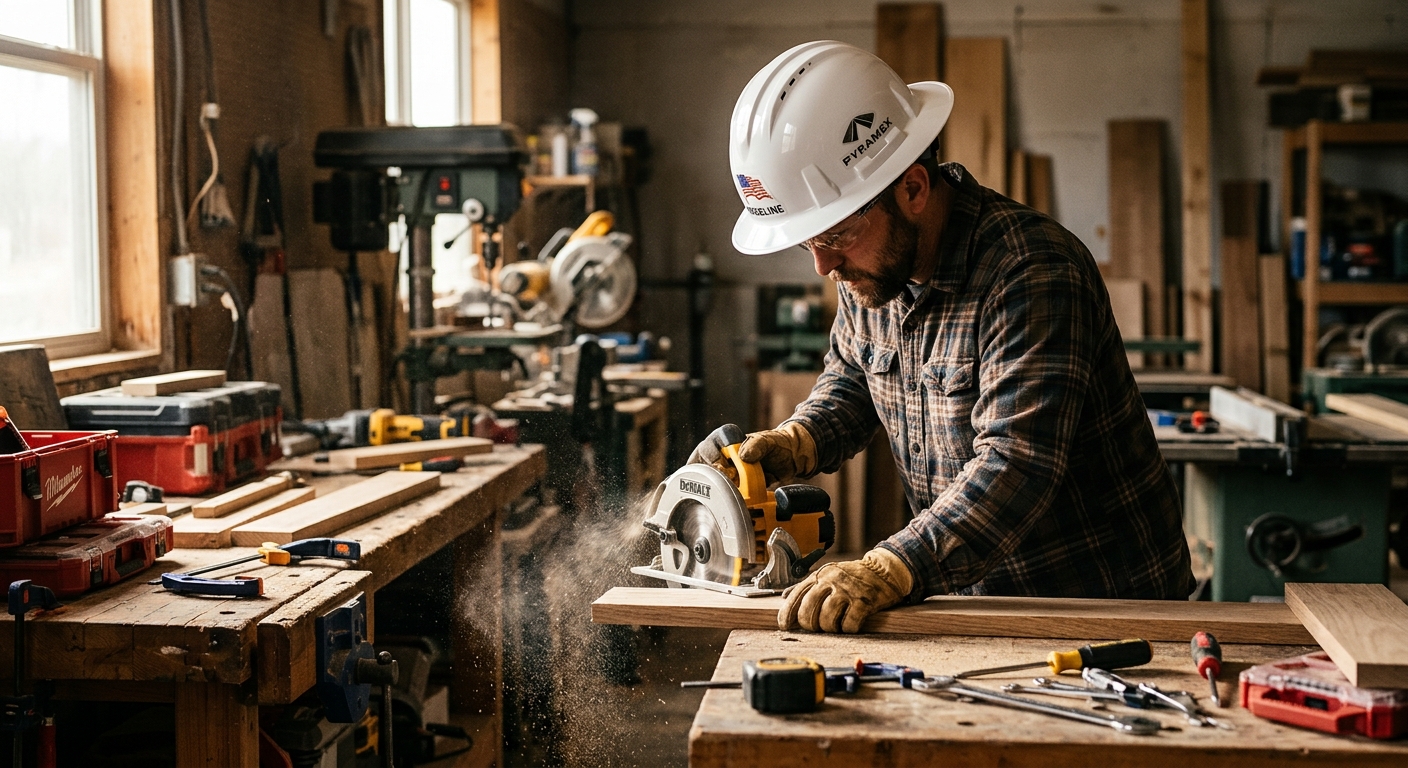
An excellent value full-brim Type II hard hat with a comfortable suspension and a wide range of color options. The carbon fiber print design on some versions is popular on job sites where hard hat aesthetics matter. ANSI/ISEA Z89.1 compliant.
5. Ergodyne Skullerz 8960 Bump Cap
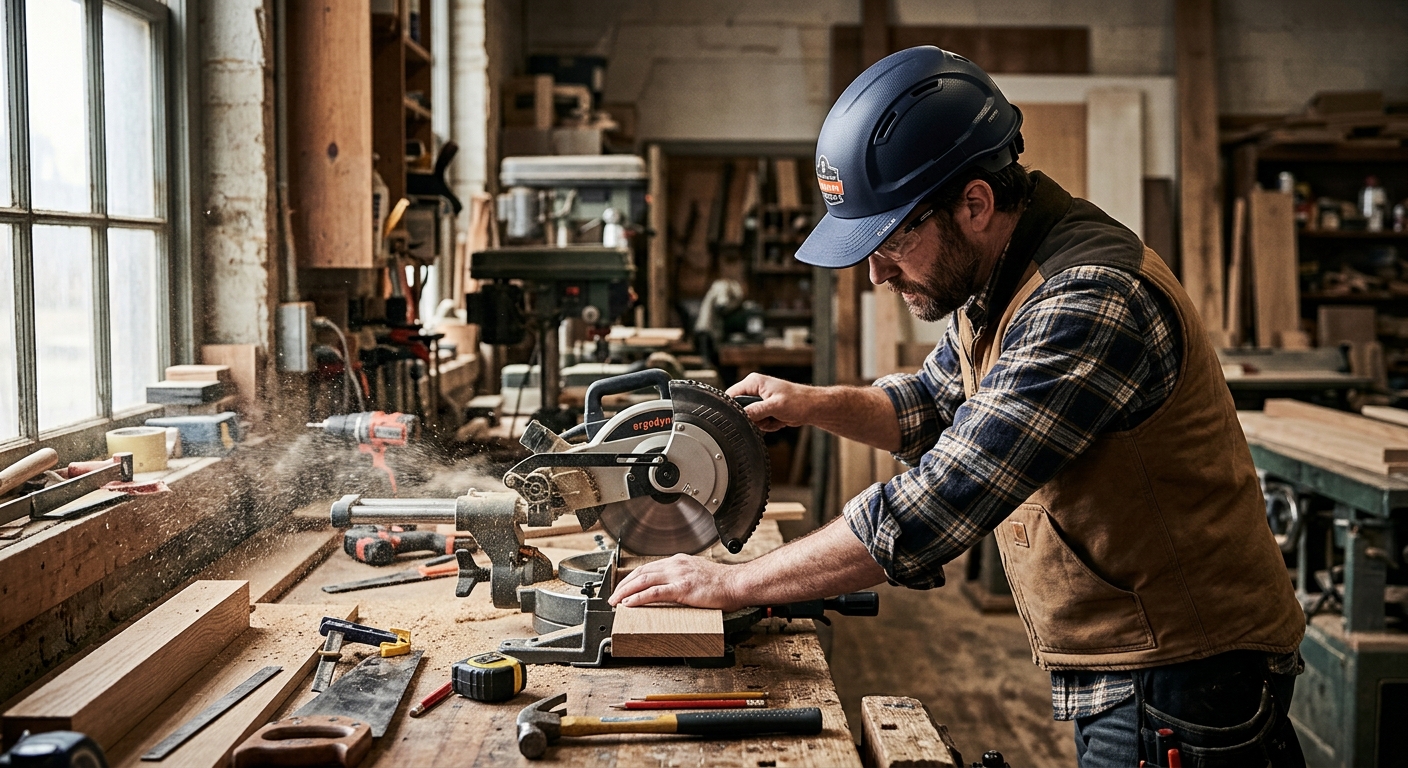
For confined-space work where falling object protection is not needed but bumping protection is: the Skullerz 8960 is a well-made bump cap with good coverage and comfortable fit. Clear and honest about its limitations – it carries no ANSI hard hat rating, which is appropriate for its intended use.
What to Avoid
- Counterfeit or uncertified hard hats: Only buy hard hats with visible ANSI/ISEA Z89.1 certification. Knock-offs with fake stamps exist and provide no actual protection.
- Modified hard hats: Adding drilled holes, painting (some paints weaken the shell), or altering the suspension voids the certification and reduces protection.
- Hard hats worn backward (brim to the back): Reduces frontal protection. If you need to wear backward (welding clearance), ensure the model is certified for reverse wear – some are, most are not.
FAQ
Do I need a hard hat for home DIY projects?
For demolition, attic work, working under elevated work areas, or renovation where overhead structural conditions are unknown – yes. For painting a room or installing trim – no. The decision is based on actual falling-object hazard, not habit.
How do I know if my hard hat needs replacing?
Replace immediately after any impact. Inspect regularly for cracks, dents, fading (UV degradation), and brittleness. Replace the shell every 5 years from manufacture date (printed inside the brim) and the suspension every year regardless of appearance.
Can I wear my hard hat in the rain?
Yes. Class E hard hat shells are waterproof. However, metal accessories (lamp clips, cable attachments) on a Class E hat should not be used – the shell provides protection only.
Affiliate Disclosure: DIY Arsenal participates in the Amazon Associates Program and other affiliate programs. When you purchase through links on this site, we may earn a small commission at no additional cost to you. We only recommend products we have personally tested and genuinely believe in.