Best Dust Masks and Respirators for Drywall and Woodworking
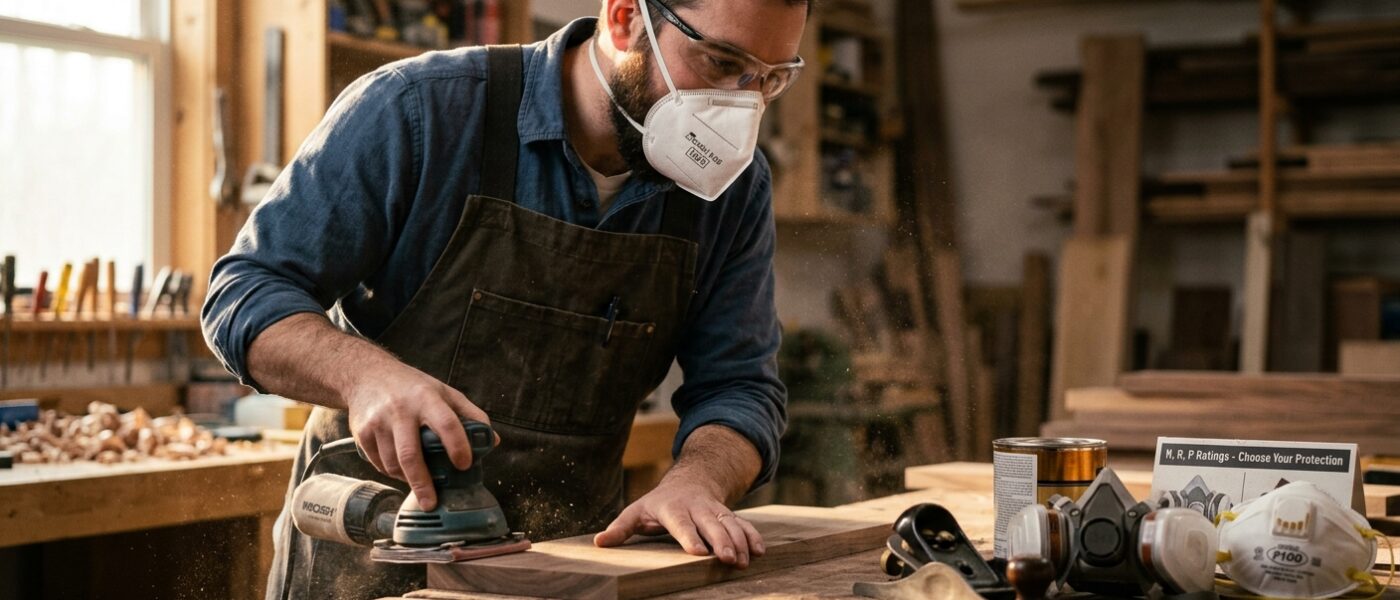
The 3M 6502QL with P100 cartridges is the best reusable respirator system for workshop use; stock 3M 8511 N95 disposables for quick tasks and visiting helpers who need protection without setup time.
As an Amazon Associate, we earn from qualifying purchases.
Sawdust and drywall dust are not just a nuisance – they are a genuine respiratory health hazard. Fine wood dust from sanding is classified as a carcinogen by multiple international health agencies. Silica dust from cutting concrete, drywall, and tile causes silicosis, a permanent and progressive lung disease. Solvents, spray paint fumes, and finishing chemicals add chemical exposure to the mix. A respirator is not optional safety gear – it is a lifelong health investment that costs less than a single doctor visit.
Understanding Respirator Ratings
N, R, and P Ratings

The letter indicates resistance to oil aerosols: N = Not oil-resistant, R = Resistant to oil, P = oil Proof. For woodworking and drywall dust (oil-free particles), N-rated respirators are appropriate. For spray painting with oil-based coatings, R or P ratings are needed.
Filter Efficiency Numbers
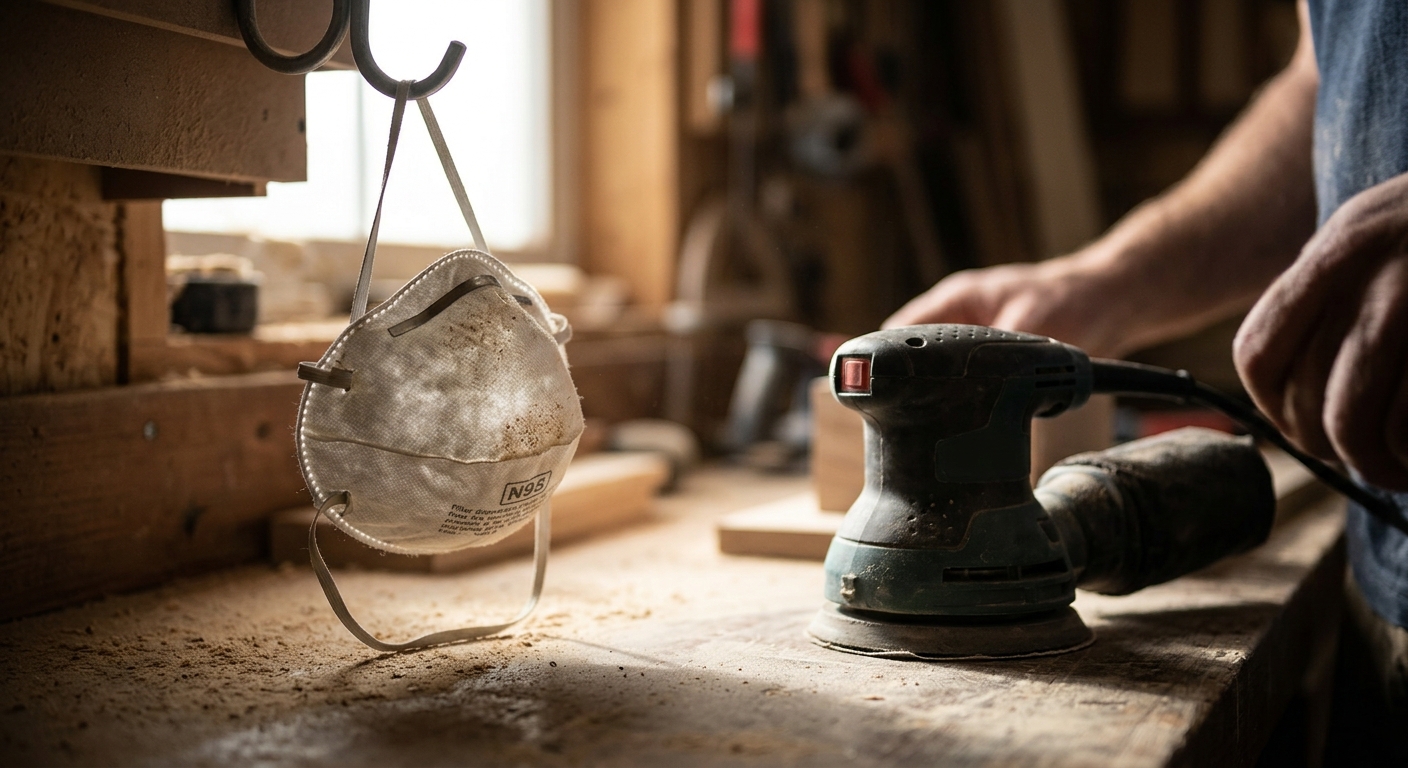
95 = filters 95% of particles. 99 = filters 99%. 100 = filters 99.97% (effectively a HEPA-level filter). N95 is the minimum for fine wood dust and drywall. N100 is recommended for silica dust (concrete, tile, stone cutting) and lead paint removal.
Dust Masks vs. Respirators
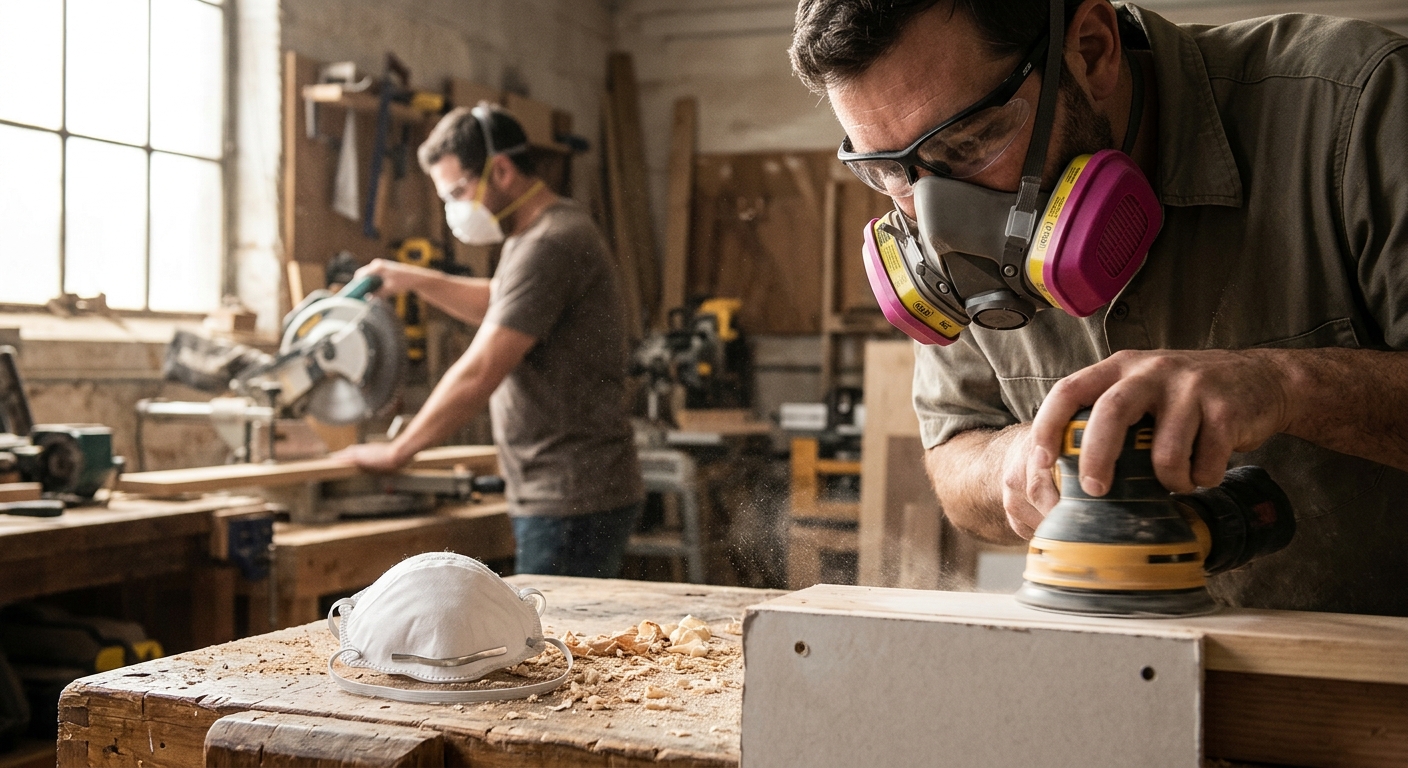
A single-use paper “dust mask” sold in bulk is a nuisance dust filter – it stops large visible particles but does not filter fine dust. These paper masks are NOT respirators. Only masks marked with an NIOSH approval number and N95 (or better) rating provide genuine respiratory protection. The difference is invisible to the eye but significant to the lungs.
Types of Respirators for Shop and Construction Use
Disposable Filtering Facepiece (N95, N99, N100)

Single-use half-face masks. The most convenient option for short tasks, dusty environments, and applications where donning and removing frequently throughout the day. Must seal against the face – a beard prevents proper sealing.
Half-Face Reusable Respirators with Cartridges

A silicone or rubber half-face mask with replaceable filter cartridges. More comfortable for extended wear than disposables, provide a better face seal, and accept different cartridge types for different hazards. The cartridges are replaced when they become saturated (smell breaks through) or when they reach their rated capacity.
Full-Face Respirators
Cover the eyes as well as nose and mouth. Required for working with spray coatings that irritate eyes, when removing lead paint, and in environments where chemical vapors are present. More cumbersome than half-face masks but provide combined eye and respiratory protection.
Powered Air-Purifying Respirators (PAPR)

A battery-powered blower draws air through filters into a hood or loose-fitting face piece. Extremely comfortable for all-day wear and the correct choice for workers with beards (who cannot achieve a proper seal with standard masks). Expensive but worth every dollar for frequent users of finishing spray systems and dusty power tools.
Our Top Picks
1. 3M 8511 N95 Respirator (10-Pack)

The most recommended disposable N95 for workshop use. The Cool Flow valve reduces heat and moisture buildup inside the mask – the most common complaint about disposable N95s. Adjustable nose clip and comfortable fit. NIOSH approved. A workhorse disposable for sanding, drywall cutting, and general dust control.
2. 3M 6502QL Half Facepiece Reusable Respirator
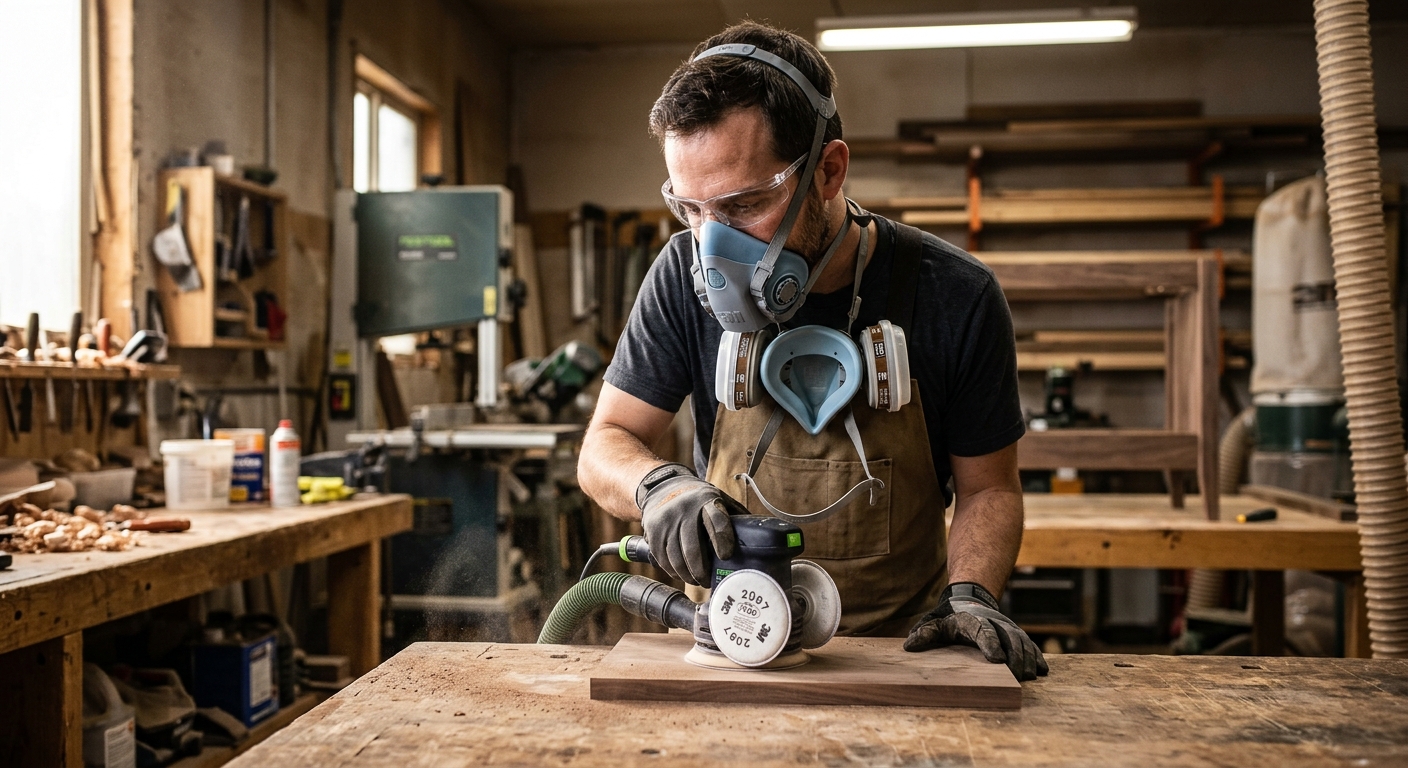
3M’s Quick Latch half-face mask allows rapid removal and re-donning without full removal. The soft silicone facepiece seals better than most competitors, and the bayonet cartridge connection is compatible with the full range of 3M cartridge types (P100, OV/P100 for paint and solvents, and more). The best reusable platform for workshop use.
3. Moldex 2700 N95 Particulate Respirator
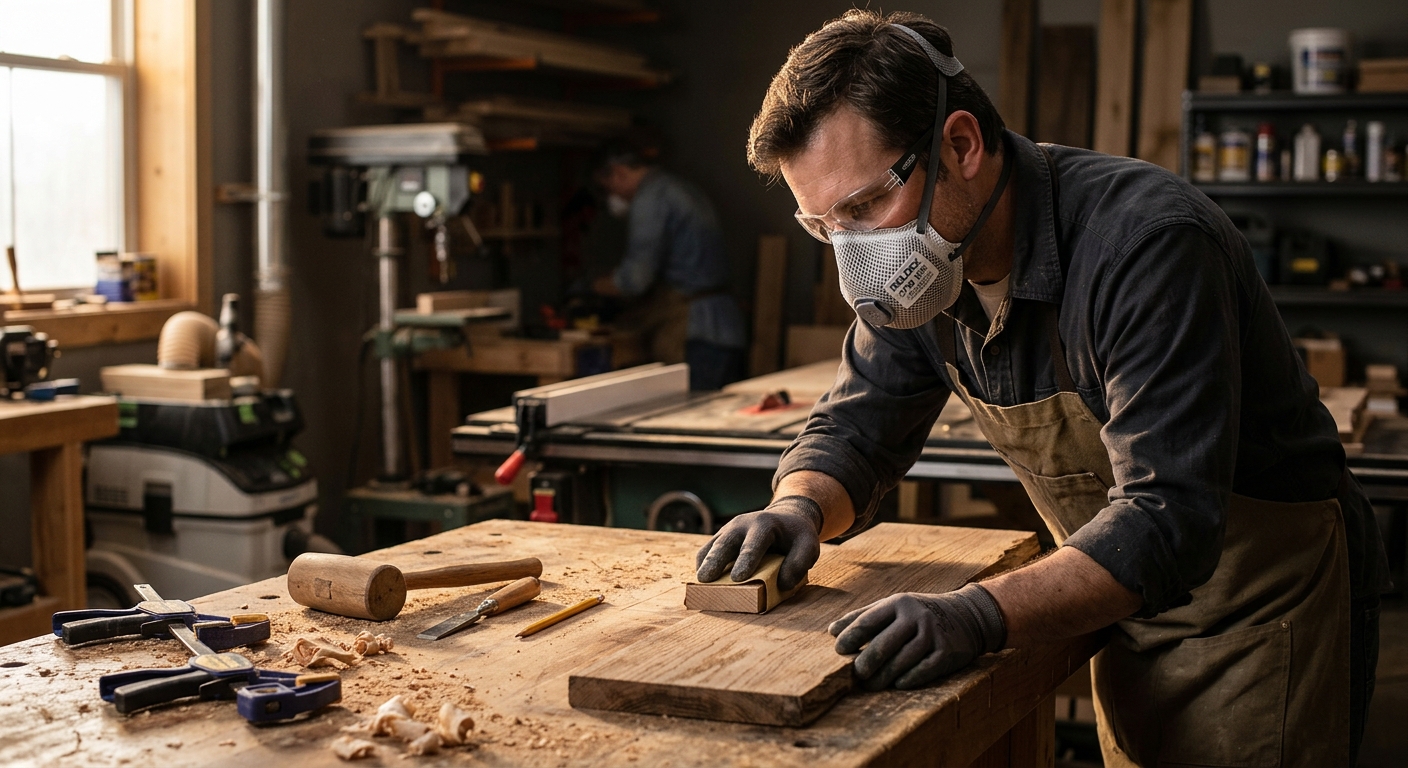
Moldex makes excellent NIOSH-approved respirators. The 2700 has a cup-shaped design that does not collapse against the mouth, a firm nose bridge, and exceptional comfort during extended wear. An excellent alternative to the 3M 8511.
4. 3M 2097 P100 Respirator Cartridge (Pair)
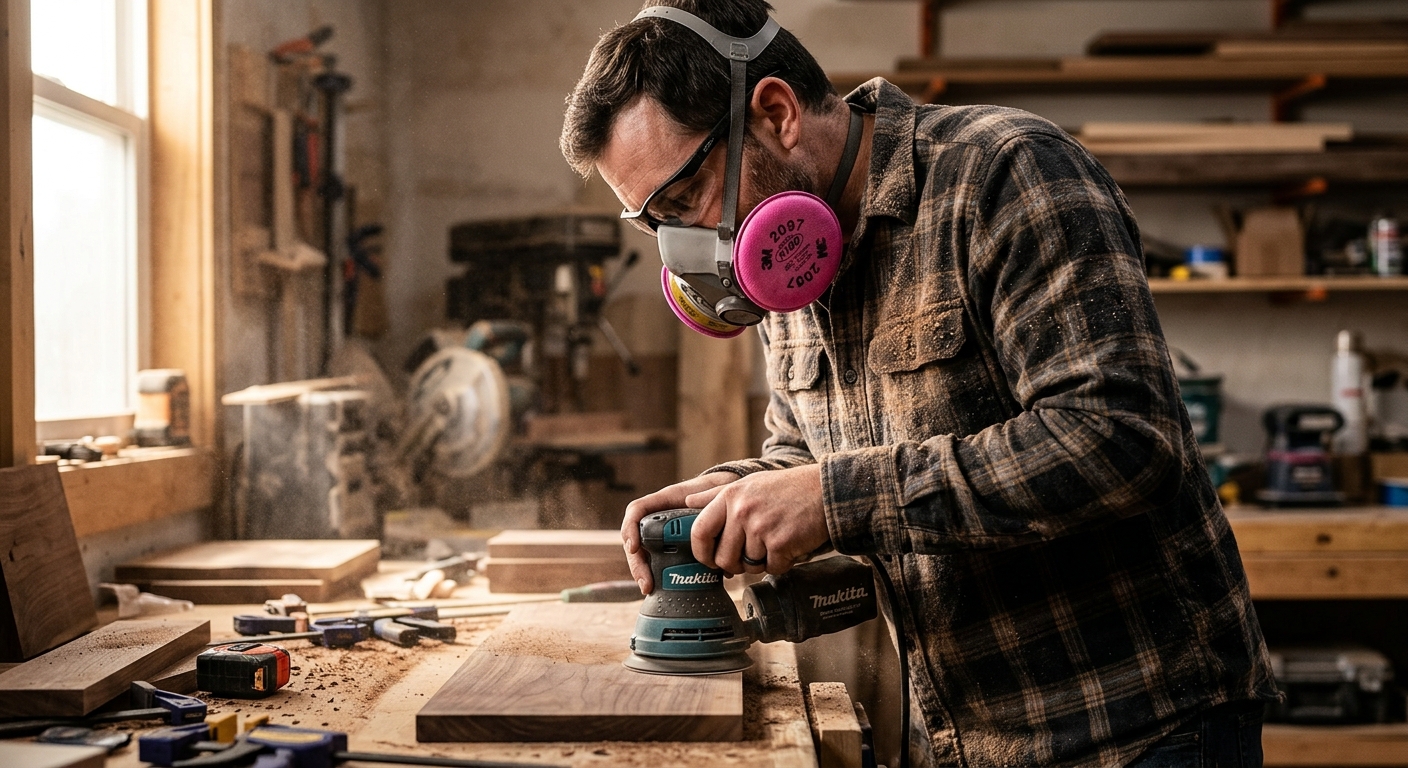
Not a complete respirator, but the most important accessory. These P100 cartridges with organic vapor relief fit 3M 6000 and 7000 series respirators and filter 99.97% of particles plus provide some protection against paint and finish vapors. The standard cartridge for woodworking and finishing work.
5. Trend STEALTH/ML Half Mask Respirator

A premium UK-made respirator specifically designed for woodworkers and dusty workshop environments. Low-profile design that fits under a face shield or goggles, and uses replaceable filters rated for fine wood dust. A growing favorite in woodworking communities.
What to Avoid
- Surgical masks for dust protection: Surgical masks are designed to stop droplets from the wearer, not to filter fine particles from the air. They provide no meaningful protection against sawdust or silica.
- Respirators that do not fit your face: A mask that does not seal is equivalent to no mask. Test the seal by covering the exhale valve and breathing out – no air should leak around the edges.
- Old cartridges: Organic vapor cartridges have a shelf life and a saturation limit. Replace whenever you start to smell fumes breaking through.
FAQ
Do I need a respirator for a quick sanding job?
For orbital sanding softwood with dust collection: an N95 disposable is the minimum. For heavy MDF sanding, wet drywall grinding, or any silica-containing material, use an N100 or P100 filter. Cumulative exposure matters – the “just this once” approach is how long-term lung damage happens.
Can I use a respirator with a beard?
A proper face seal is impossible with a beard in the mask seal area. A PAPR (powered air-purifying respirator) with a hood is the correct solution for bearded workers. Alternatively, a loose-fitting helmet respirator system provides adequate protection without requiring a face seal.
How do I know when to replace cartridges?
Replace when you smell or taste the substance you are filtering (vapor breakthrough), when breathing resistance increases noticeably (particulate filter saturation), or according to the cartridge manufacturer schedule – whichever comes first.
Affiliate Disclosure: DIY Arsenal participates in the Amazon Associates Program and other affiliate programs. When you purchase through links on this site, we may earn a small commission at no additional cost to you. We only recommend products we have personally tested and genuinely believe in.