Best Oscillating Multi-Tools for Cutting, Sanding, and Scraping
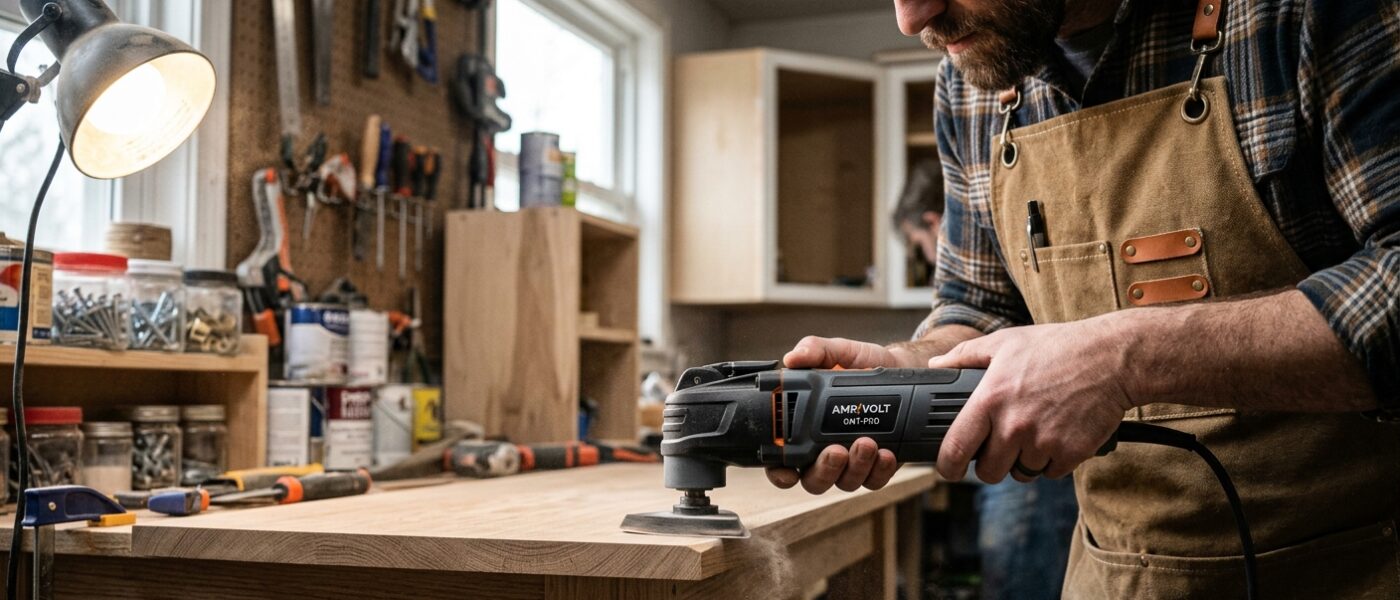
The DeWalt DCS356B and Milwaukee M18 FUEL lead the cordless pack for DIYers; Fein is the go-to if you want a corded workhorse that will outlast everything else in the shop.
As an Amazon Associate, we earn from qualifying purchases.
The oscillating multi-tool is one of the most versatile instruments in any DIY arsenal. Whether you need to cut through drywall, sand a tight corner, scrape old adhesive off a floor, or trim a door casing flush, this single tool handles the job with a quick accessory swap. If you own only one power tool beyond a drill, make it an oscillating multi-tool.
What Is an Oscillating Multi-Tool?
An oscillating multi-tool moves its blade or pad back and forth in a very tight arc – typically 1.4 to 3.2 degrees of oscillation. That rapid side-to-side motion lets it cut, sand, grind, and scrape without spinning, which means far more control in confined spaces than a rotary tool or circular saw.
Key Features to Look For
Amperage or Voltage
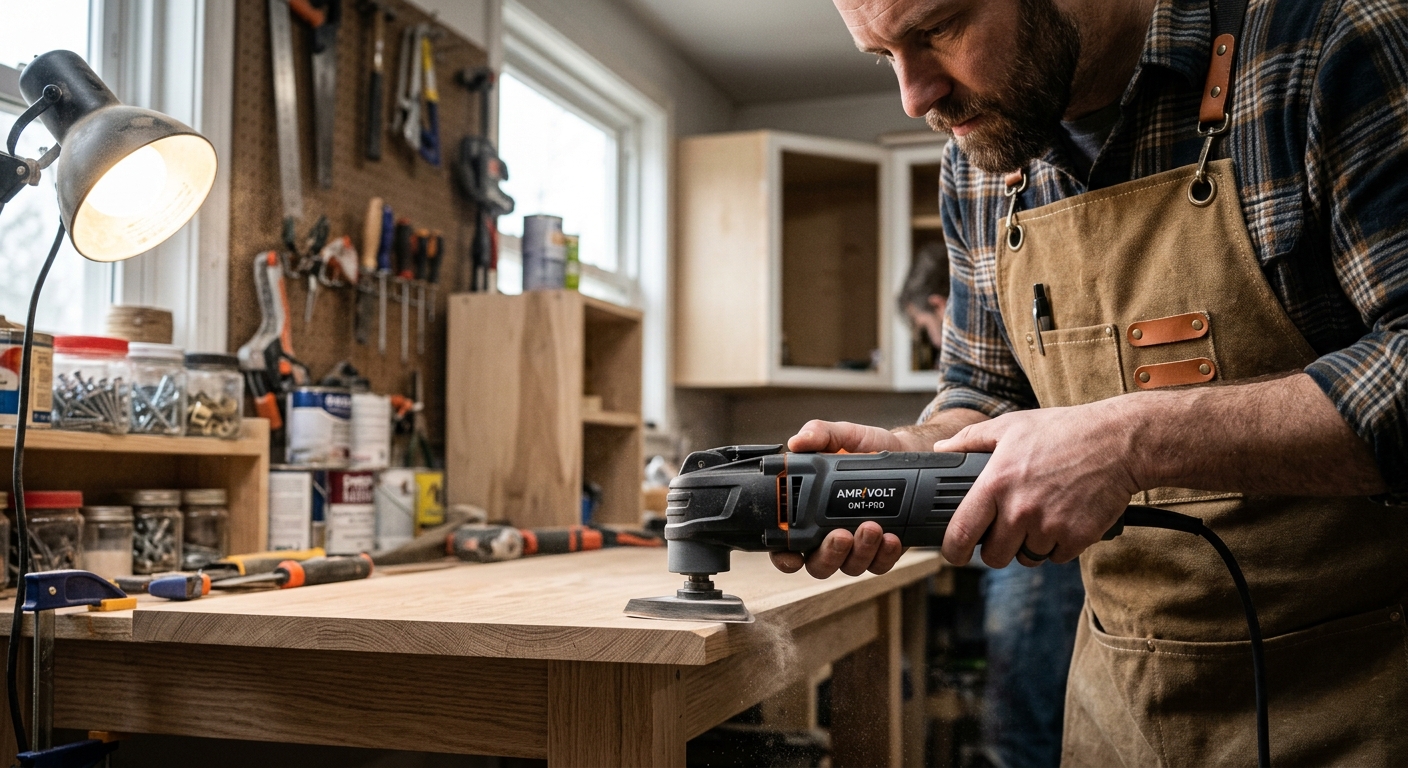
Corded models range from 3 to 5 amps. More amperage means the motor holds speed under load, which matters when cutting tile or hardwood. Cordless models run on 18 to 20V batteries; look for brushless motors, which run cooler and last longer.
Oscillation Angle
A wider angle cuts faster but with less finesse. Narrow angles (around 1.6 degrees) offer precision; wider angles (up to 3.2 degrees) remove material faster. Variable-angle tools let you dial in the sweet spot.
Tool-Free Blade Change
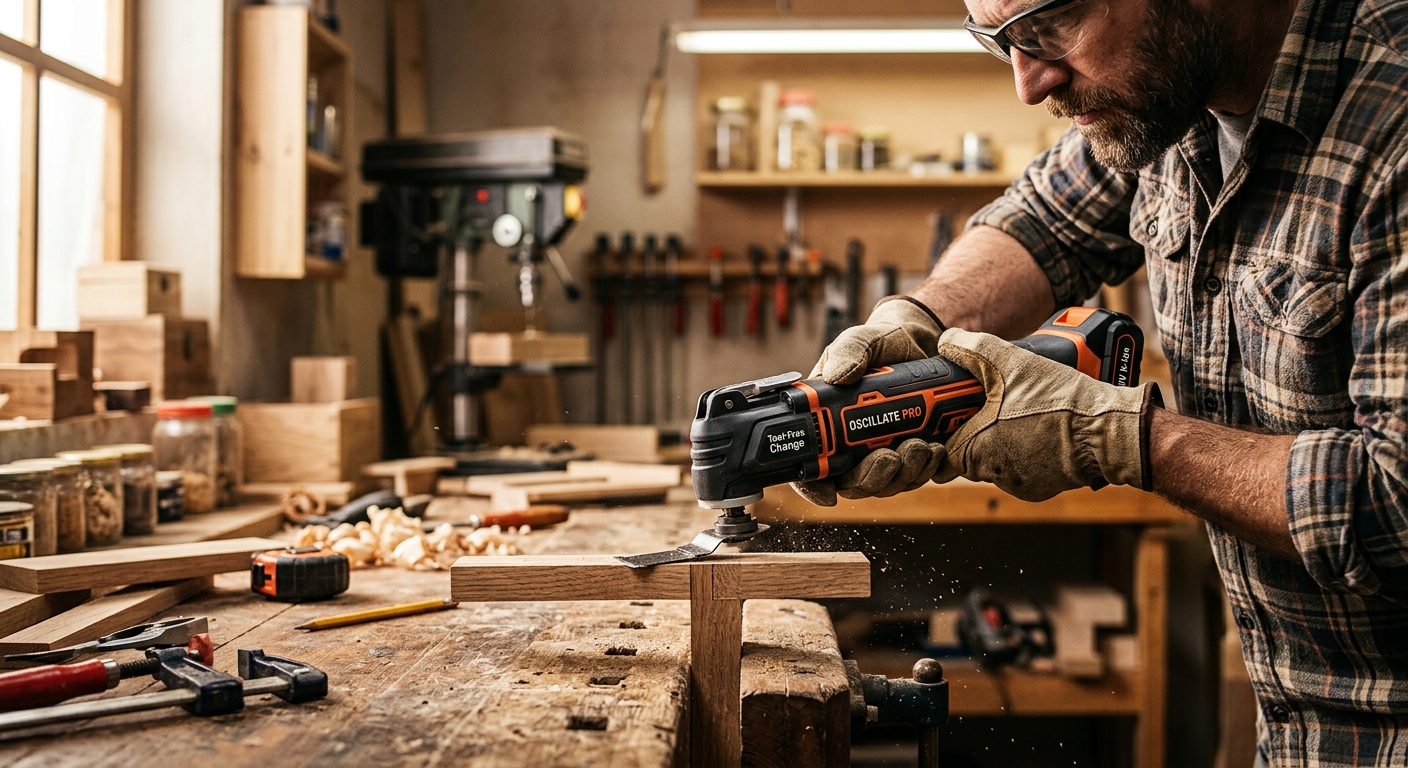
Budget tools require an Allen wrench to swap accessories. Mid-range and premium tools offer a tool-free lever or clamp system – a huge time-saver when swapping between a cutting blade, sanding pad, and scraper mid-project.
Variable Speed
A dial or trigger that controls oscillations per minute (OPM) lets you slow down for delicate materials like plastic trim and speed up for aggressive wood cutting. Look for a range of at least 10,000 to 20,000 OPM.
Accessory Compatibility
The market has largely standardized on a universal fit, but check that the tool accepts accessories from multiple brands or ships with an adapter. Fein, DeWalt, and Milwaukee all have proprietary attachment systems but make adapters available.
Our Top Picks
1. DeWalt DCS356B (20V MAX Brushless)
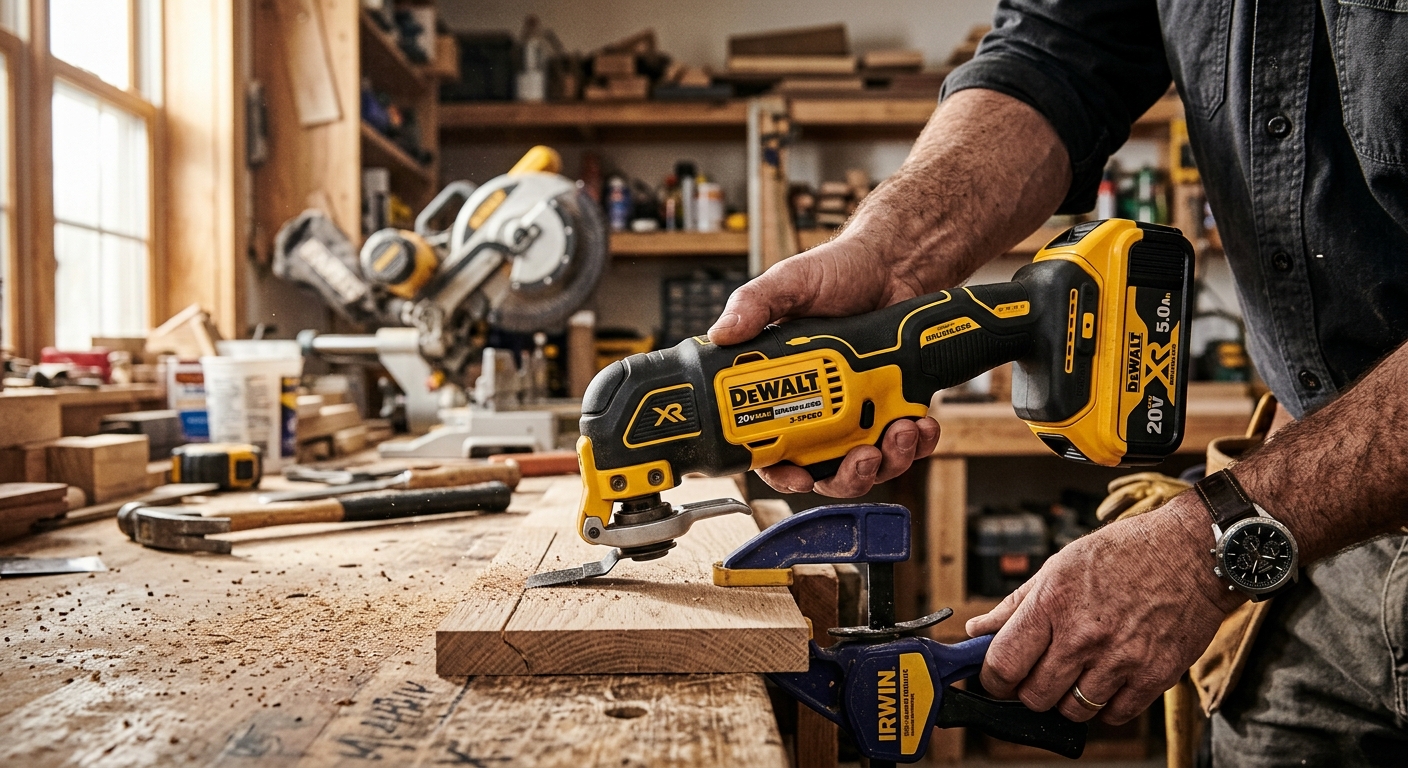
A top choice for cordless versatility. The brushless motor delivers impressive cutting speed, the 3-speed selector covers most tasks, and the Quick-Change system swaps accessories in seconds. Compatible with the entire DeWalt 20V battery platform.
2. Milwaukee 2836-20 M18 FUEL
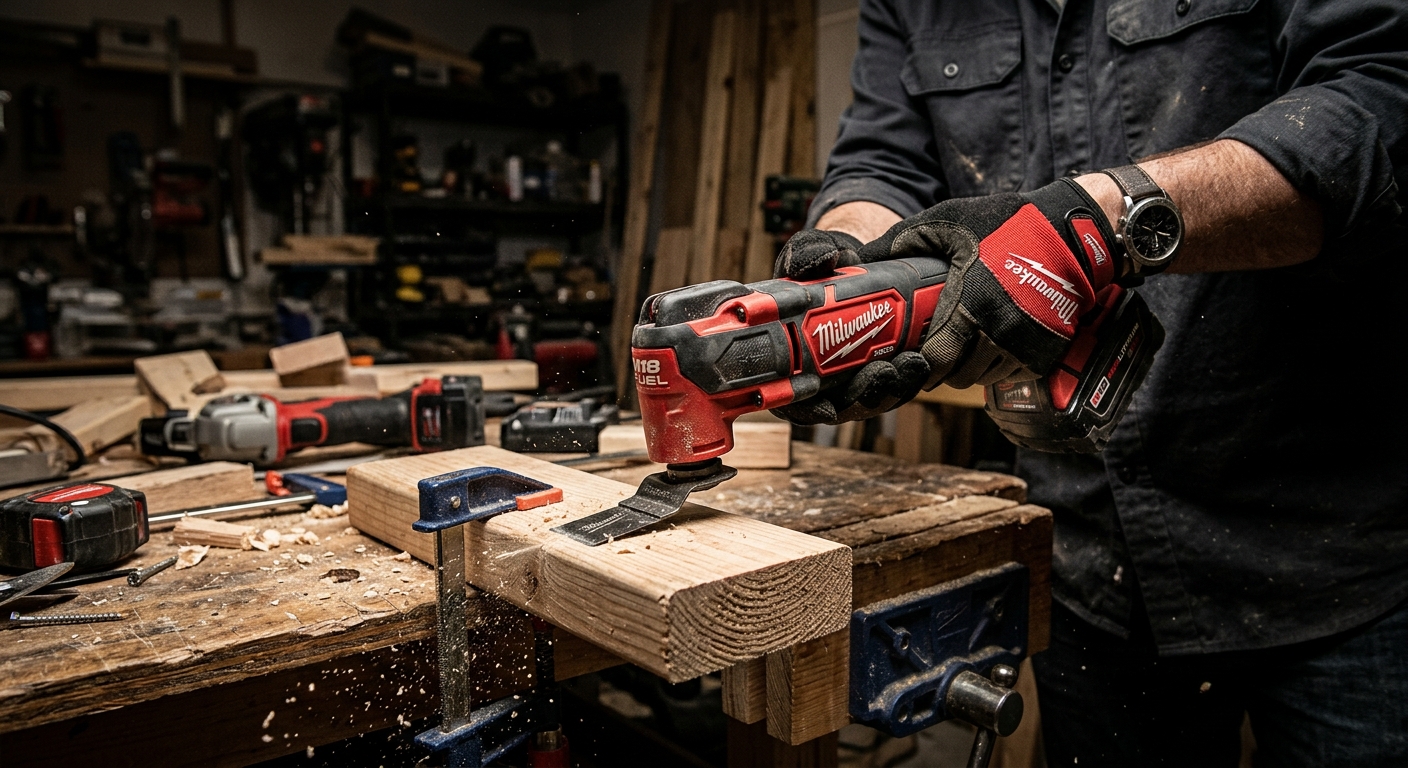
Milwaukee’s FUEL line consistently outperforms the competition in runtime and motor longevity. The FIXTEC blade change is the fastest on the market, and the tool pairs with Milwaukee’s excellent Accessories line, including bi-metal segment blades.
3. Fein MultiMaster AMM 700 Max

Fein invented the oscillating multi-tool and still makes some of the best. The AMM 700 Max is a corded workhorse with a powerful 400W motor and the brand’s StarLock Max accessory mount for zero-vibration blade seating. Expensive, but built for decades of use.
4. Rockwell RK5141K Sonicrafter F80
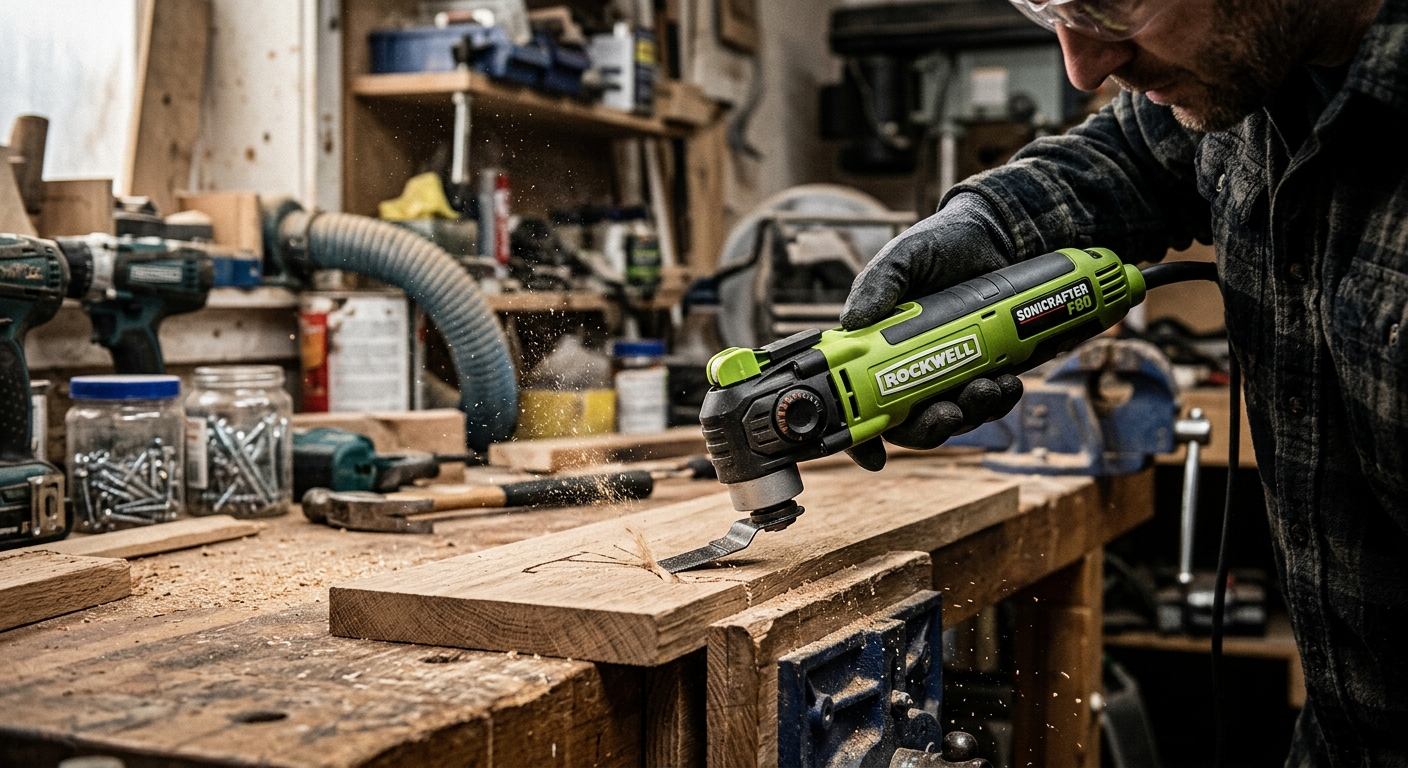
The best value for occasional DIYers. The Hyperlock blade-change system uses a single bolt clamped by a cam lever – fast and secure. Includes a generous starter kit of accessories and works with all universal-shank blades.
5. Bosch MXH180BL (18V Brushless)
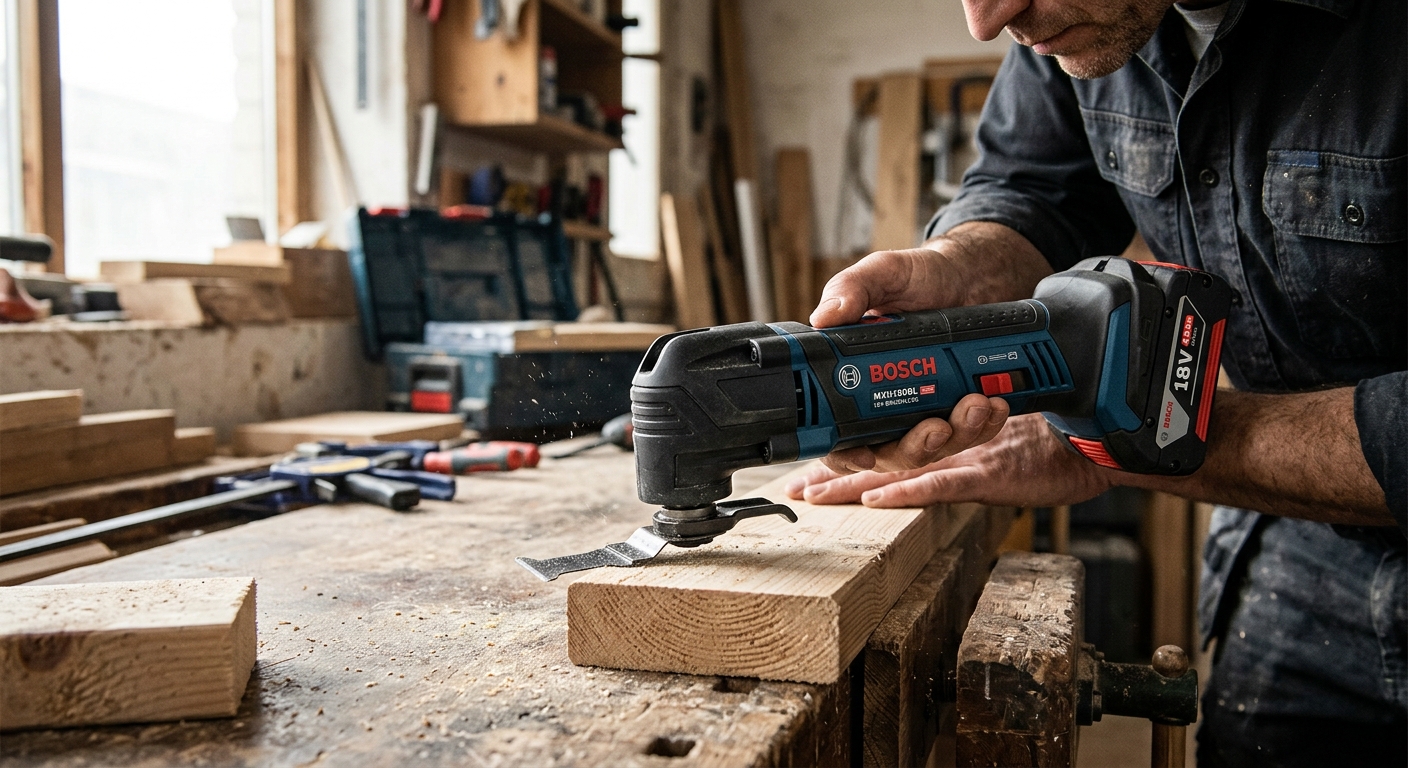
Bosch’s cordless entry combines a low-vibration design with the StarlockPlus mount system. Lighter than the Milwaukee and more compact, making it ideal for overhead work or reaching into cabinets.
What to Avoid
- No-name budget tools under $30: The oscillating mechanism wears quickly without quality bearings, and cheap blade clamps strip after a dozen swaps.
- Tools without variable speed: Fixed-speed models struggle with delicate materials and often burn accessories faster.
- Proprietary-only mounts with no adapter sold: Locks you into one brand’s accessories at premium prices.
Accessories Worth Buying Separately
- Bi-metal segment blades (for cutting nails and screws embedded in wood)
- Diamond-grit blades (for tile and grout)
- Carbide scrapers (for adhesive, caulk, and paint removal)
- Hook-and-loop sanding pads (for finishing in corners)
FAQ
Can an oscillating tool cut through nails?
Yes, with a bi-metal or carbide blade. Standard wood-cutting blades will dull instantly on metal. Always use the right blade for the material.
Is cordless as powerful as corded?
For most DIY tasks, yes. Brushless 18 to 20V models from Milwaukee and DeWalt rival corded tools in short-duration cuts. For all-day professional use, corded tools still have the edge in sustained power.
How long do blades last?
A cheap bi-metal blade might last one big project. Premium carbide-tooth blades can last for dozens of cuts in hardwood. Buy quality blades – they cost more upfront but save money and frustration long-term.
Can I use it to cut drywall?
Absolutely. An oscillating tool with a drywall blade makes extremely precise plunge cuts around outlet boxes, switches, and patches – far cleaner than a drywall saw.
Affiliate Disclosure: DIY Arsenal participates in the Amazon Associates Program and other affiliate programs. When you purchase through links on this site, we may earn a small commission at no additional cost to you. We only recommend products we have personally tested and genuinely believe in.